Top 10 Biggest Tech Companies In Brazil 2026

Table of Contents
Brazil's technology sector has matured into the largest in Latin America, and the companies at the top of it now compete on a global scale. To rank the 10 biggest tech companies in Brazil in 2026, we weighed a combination of market valuation, revenue, customer base, headcount, and market dominance in each company's core segment. We drew on financial disclosures, regulatory filings, and reported employment figures from sources including ZoomInfo revenue data, parent company filings on the New York Stock Exchange, and publicly reported customer metrics. Companies were judged on their footprint inside Brazil specifically, which is why a multinational like Mercado Libre appears here based on the scale of its Brazilian operation rather than its Argentina-headquartered parent. Revenue figures for enterprise IT and government technology providers are compared alongside market valuations for consumer-facing platforms, since no single metric captures size across such different business models.
The result is a list that spans digital banking, food delivery, e-commerce, retail, enterprise IT services, and government infrastructure. Some names are familiar to anyone who has used a smartphone in São Paulo or Rio de Janeiro. Others operate quietly behind the scenes, processing tax records or running fraud detection systems for millions of account holders. Together they employ tens of thousands of engineers and account for a disproportionate share of the country's technology spending.
The Top 10 Biggest Tech Companies In Brazil in 2026:
1. Nubank
Nubank is the most valuable technology company in Brazil, with a valuation of roughly $45 billion in 2026 and more than 30 million customers in its home market. Founded in 2013, the company started with a single product, a no-fee credit card, and grew into a full-service digital bank offering personal loans, investments, insurance, and business accounts. Its parent company, Nu Holdings, trades on the New York Stock Exchange and ranks among the most valuable fintechs in the world.
The São Paulo-headquartered company did something few Latin American startups had done before it: it proved that a Brazilian firm could reach global scale without relocating. That achievement reshaped how venture capital treats the region. When Nubank raised its early rounds, international investors largely dismissed Brazilian consumer fintech as too risky. Today the company functions as the reference point for every fintech founder pitching in São Paulo, and its engineering organization is one of the largest private-sector tech employers in the country.
2. iFood
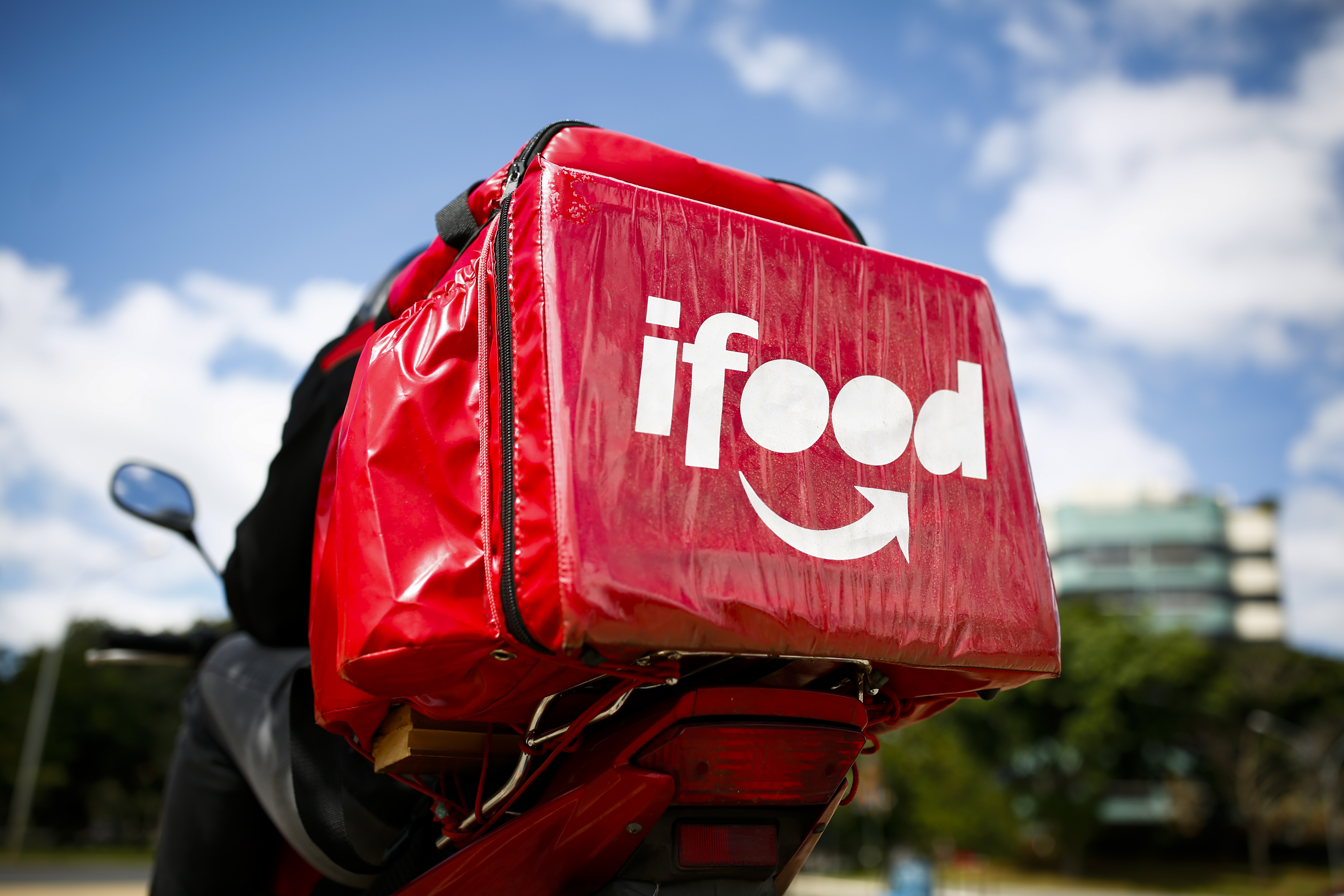
iFood controls the majority of Brazil's online food ordering market, a position it has held for years despite competition from international delivery platforms. The company carries a valuation of $2.6 billion and processes millions of orders every month across thousands of Brazilian cities. Backed by Movile Group and Prosus, iFood has pushed well past restaurant delivery into groceries, pharmacy items, and other quick-commerce categories.
Its driver fleet represents one of the largest gig-economy operations in Latin America, and the logistics network behind it is arguably the company's real moat. Anyone who has watched a delivery rider navigate traffic in São Paulo understands the operational complexity involved. iFood's expansion into non-food categories puts it in direct competition with grocery chains and marketplaces, and the company has spent heavily on technology to hold its ground.
3. Mercado Libre (Brazil Operations)

Mercado Libre is the dominant e-commerce and fintech platform across Latin America, and Brazil is its single largest market by revenue. The company runs three integrated operations in the country: Mercado Livre for marketplace sales, Mercado Pago for digital payments, and Mercado Envios for logistics. Together they capture a significant share of Brazil's $42 billion annual online retail market.
The Brazilian operation employs thousands of engineers and technology professionals, making it one of the country's major tech employers. What sets Mercado Libre apart is the integration between its commerce and payments arms. Sellers who list on Mercado Livre can accept payment through Mercado Pago and ship through Mercado Envios, all within one system. That closed loop has made the company a formidable competitor to Amazon in Brazil and a difficult target for local players trying to compete on a single front.
4. Magazine Luiza (Magalu)

Magazine Luiza, known almost universally as Magalu, is a traditional Brazilian retailer that rebuilt itself as a technology company. The transformation is one of the more striking cases of digital reinvention in the country's corporate history. Magalu now operates a large e-commerce platform, a marketplace for third-party sellers, and a logistics network, all powered by proprietary technology built in-house.
The company employs roughly 2,000 technology staff, with engineering teams focused on logistics optimization, retail machine learning, and consumer mobile applications. Magalu's compensation and prestige in the job market don't match Nubank or Mercado Libre, but the company offers something those firms often can't: stable employment at scale. For engineers who want to work on retail systems without the volatility of a startup, Magalu has become a realistic destination.
5. Itaú Unibanco (Itaú Tech)
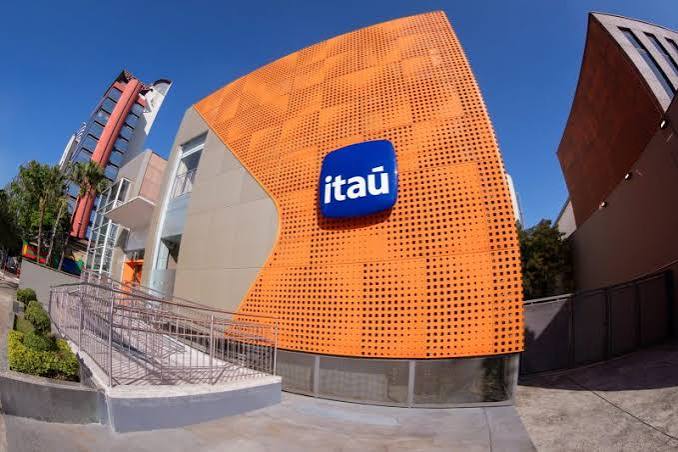
Itaú Unibanco is Brazil's largest private bank, and its technology arm, Itaú Tech, is one of the biggest engineering organizations in the country, with approximately 10,000 technology employees. The operation handles retail banking machine learning, fraud detection systems, and the digital banking infrastructure that supports millions of daily transactions.
Compensation for senior engineers at Itaú Tech typically ranges from R$15,000 to R$50,000 per month, which keeps the bank competitive with fintechs for talent in São Paulo. The appeal goes beyond salary. Engineers at Itaú work on production-scale problems that few startups can match, and the bank offers structured career progression that startups rarely provide. Itaú has been modernizing legacy systems while defending its customer base against Nubank and other digital challengers, a fight that has forced real changes in how the bank builds software.
6. Stefanini Group
Stefanini Group is the largest Brazilian technology company by revenue, reporting $9.3 billion in 2026 according to ZoomInfo data. Founded in 1987, the company provides IT services, software testing, business services, and digital transformation work to enterprise clients across banking, telecommunications, and manufacturing.
Stefanini's business looks nothing like the consumer-facing names higher on this list. The company earns its revenue through long-term contracts with large organizations, and it operates in dozens of countries. That global footprint makes it one of the few Brazilian technology firms with a genuine multinational presence in enterprise services. For the country's IT services market, Stefanini's scale is unmatched by any domestic competitor.
7. Bradesco (Bradesco Tech)
Bradesco is one of Brazil's largest banks and runs a substantial technology organization behind its traditional brand. The tech arm manages retail banking systems, mobile banking applications, and digital payment infrastructure at a scale that few organizations in the country can match. Its engineering practices are genuine, even if the corporate culture is more conservative than what engineers find at fintech competitors.
That conservatism cuts both ways. Bradesco Tech offers structured career paths and the stability of a century-old institution, but it competes for the same talent pool as Itaú Tech and the digital banks, and it doesn't always win. The organization has been working to modernize its systems while defending market share against Nubank, a challenge that has pushed changes in how the bank approaches software development.
8. Santander Brasil (Santander Brasil Tech)
Santander Brasil operates a major technology hub in São Paulo as part of the Spanish banking group's global engineering network. The organization builds and maintains digital banking platforms, payment systems, and financial technology infrastructure for the Brazilian market. As a subsidiary of one of Europe's largest banks, it benefits from international collaboration and access to technology resources that purely domestic competitors lack.
The operation is a significant employer of software engineers and technology professionals in Brazil's financial technology sector. Working at Santander Brasil Tech means exposure to global engineering standards and the possibility of collaborating with teams in Spain and other markets. For engineers interested in financial infrastructure with an international dimension, it occupies a distinct niche among Brazilian bank technology employers.
9. BTG Pactual (BTG Pactual Tech)

BTG Pactual is Latin America's largest investment bank, and its technology operation sits at the boundary between traditional banking and fintech infrastructure. The company's engineering teams support trading platforms, digital banking services, and investment products for high-net-worth and institutional clients.
The technical demands here differ from retail banking. BTG Pactual's systems require low latency and high reliability, since they handle trading and investment operations where downtime carries direct financial consequences. The bank has been expanding its digital offerings, positioning itself against both established banks and newer fintech entrants. For engineers who want to work on high-performance financial systems, BTG Pactual Tech offers problems that consumer banking platforms simply don't present.
10. Serpro

Serpro (Serviço Federal de Processamento de Dados) is Brazil's federal data processing service and the second-largest technology company in the country by revenue, reporting $1.9 billion in 2026. As a government-owned enterprise, it provides critical IT infrastructure for federal agencies, including tax systems, identity management, and public records databases.
The organization's role in Brazil's digital government initiatives is foundational. Serpro handles sensitive data processing for millions of citizens, and its systems sit behind services that Brazilians interact with routinely, often without knowing the agency is involved. That public-sector position gives Serpro a stability and national importance that no private company on this list can replicate, even if its technology work rarely attracts the attention that Nubank's or iFood's does.
Related Posts



3 Comments
Join the discussion and share your thoughts