Top 10 Best Online Marketplaces In Africa 2026

Table of Contents
The digital world in Africa is changing faster and more than ever before. The rise of the internet, mobile money, and a large, tech-savvy youthful population have all contributed to an e-commerce explosion on a continent that used to be dominated by informal brick-and-mortar trading. This isn’t simply a change in how people purchase and sell; it’s a whole overhaul of economic possibilities. It connects craftspeople in remote villages with customers all over the world and gives individuals in cities unprecedented ease. Digital is the future of business in Africa, and the heart of this change is the dynamic platforms that make millions of transactions happen every day.
For business owners, creators, and customers, this lively environment can be both thrilling and scary. Everyone wants to know which platforms are really going to change the future. How can a business build up its online store such that it reaches the proper people? And else can a smart shopper find everything from the newest electronic gadgets to one-of-a-kind, hand-made treasures that tell a story? To get the answers, you need to know what makes the continent’s biggest markets special.
The competition is tougher than ever as we look ahead to 2026. Having a website isn’t enough to be successful nowadays. You also need strong logistics, safe payment options, a mobile-first design, and a community you can trust. It’s about platforms that know the ins and outs of their own markets but also want to grow across Africa. We at Nubia Magazine have looked at the trends, studied the figures, and listened to the stories from the ground to make this complete guide. We think that the first step to doing well in this new digital economy is to be up to date.
Our team at Nubia Magazine put together this handpicked list to help you plan your next steps. We carefully looked at platforms based on how many people they can reach, how well they support sellers, how good the consumer experience is, how innovative they are, and how much they could develop in the next year. The following list of the Top 10 Best Online Marketplaces in Africa for 2026 will help you make an informed choice, whether you are an experienced online seller or a curious beginner preparing to jump into the world of e-commerce.
List Of Top 10 Best Online Marketplaces In Africa 2025
1. Jumia
Jumia is still a strong player in the e-commerce market, and many people call it the “Amazon of Africa.” It has a physical presence in several African nations, such as Nigeria, Kenya, Egypt, and Ivory Coast. Its strengths include its large logistical network, Jumia logistical, and its own payment system, Jumia Pay. This connected environment lets it sell a huge range of products, from food to electronics to clothes to home appliances. Jumia gives sellers access to a huge and varied group of customers all throughout the continent. It has had problems, but its constant new ideas for delivery and big sales events maintain it at the top. Jumia is a must-see marketplace for any brand that wants to be seen all over Africa in 2026. This makes it a strong candidate for the title of one of the Best Online Marketplaces in Africa 2026.
2. Konga
Konga has solidified its status as a reliable and creative leader in Nigeria’s online shopping market. Konga’s hybrid approach is what makes it stand out. It has a strong online marketplace and real KONGA storefronts, giving customers a complete omnichannel experience. KOS-Express, the company’s own logistics arm, makes sure that deliveries are always on time and trustworthy, which is particularly important for customer satisfaction. Konga Pay also has a secure payment gateway that helps people trust it. The marketplace is especially good for gadgets, computers, and real baby items. Konga’s promise to check out merchants and products makes the platform more trustworthy, which helps good businesses stand out. Because it is so focused on the Nigerian market, it will be a strong and reliable platform in 2026.
3. Takealot.com
Takealot.com is the clear leader in South Africa and has set the gold standard for e-commerce in the area. It is known for putting customers first and has a huge selection of products, super-fast shipping choices (typically within 24 hours in major cities), and a simple returns process. Its purchase of Superbalist (a fashion site) and Mr. D Food has developed a strong ecosystem that meets a wide range of consumer needs. Takealot is a complex and busy marketplace that gives merchants a lot of opportunities to make money. Takealot Fulfillment is a service that lets sellers store their goods in Takealot’s warehouses and lets them handle the packing and delivery. This makes the whole process easier. Takealot’s supremacy in the south must be a part of any talk about the Best Online Marketplace in Africa 2026.
4. Kilimall

Kilimall has developed a lot and is now a big player with a strong presence in Kenya, Uganda, and Nigeria. It has used what it knows about the East African market and combined it with what it has learned from its Chinese ties to develop a supply chain that is competitive. There are a lot of different kinds of products on the marketplace, from multinational names to things made in the area. Kilimall has put a lot of money into its last-mile delivery and payment infrastructure since they know that people in the area prefer cash on delivery and mobile money. Kilimall is a unique doorway into the burgeoning East African consumer market for sellers, especially those who want to connect Chinese manufacturers with African consumers.
5. Afrikrea

Afrikrea stands out because it fills a unique and important need: it connects African artists, designers, and creators with people all over the world. It’s not just a location to buy things; it’s also a lively community and a place to export culture. Afrikrea celebrates African culture and creativity with Ankara costumes, handmade jewelry, art, and home design. Vesti, its payment system, makes it easy for both buyers and sellers to do business across borders, which is a big problem in the market. Afrikrea is a must-have platform for any creative or small business whose brand is based on African culture. Its growth path suggests that by 2025 it will be the center of the global Afro-centric creative economy.
6. Zando
Zando is the go-to online fashion store because it is part of the global Jumia group (albeit it typically has a different brand identity in South Africa). It has a huge assortment of clothes, shoes, and accessories for men, women, and children from both worldwide and local brands. Zando’s strength is that it focuses on fashion, picks out trends, and makes buying for clothes easy for users. It has gained over fashion-conscious customers with its regular sales, quick returns, and many payment choices. Zando is a very effective sales channel for fashion shops and brands since it has a specific audience that is there to shop for style.
7. Hello Pretty
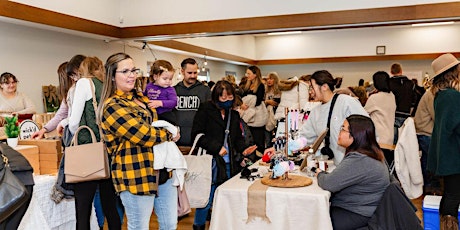
People in South Africa enjoy Hello Pretty, a marketplace for all things handmade, vintage, and one-of-a-kind. It gives small entrepreneurs, artists, and crafters a nice and easy way to sell their goods without having to pay hefty fees. Hello Pretty is the online store for things with a story and a personality, like handcrafted ceramics, personalized presents, wedding decorations, and fine art. The platform encourages a strong feeling of community and immediately helps the creative economy. Hello Pretty is a supportive and genuinely interested client base that emphasizes craftsmanship above mass production. This is great for vendors who produce their products by hand or run very small batch operations.
8. Kamers Makers

Kamers Makers started as a very successful series of artisanal pop-up markets in South Africa that became known for their quality and curation. Its move into the digital world with its online marketplace was a natural step forward. The platform has the same values as its real-life events. It offers a carefully chosen range of gourmet meals, designer home goods, jewelry, and art from the best creators in the country. People trust the Kamers Makers name a lot, which means they have a lot of customers who are confident and willing to spend a lot of money. For high-end artisanal businesses, being featured on Kamers Makers is a big symbol of quality and gives them access to a picky audience that values quality and is prepared to pay for it.
9. Zasttra
By just focusing on B2B e-commerce, Zasttra fills a big hole in the industry. It links retailers in South Africa and beyond with manufacturers, importers, and large wholesalers. This lets small shop owners, spaza shops, and formal retailers get their stock directly at low wholesale pricing, all from their phone or computer. Zasttra makes it easier for retailers to add more products and make more money by streamlining the traditionally broken wholesale supply chain. For wholesalers, it gives them an easy way to reach thousands of retail shops that they might have trouble reaching otherwise. B2B platforms like Zasttra are ready to develop a lot as the informal retail sector goes digital.
10. Sell-SA
Sell-SA works like Craigslist or Facebook Marketplace, however it only focuses on South Africa. It is a huge online classifieds site where people and businesses may list anything from jobs and services to vehicles and real estate. It works mostly like a classifieds site, but it has a marketplace-like effect because of how many people use it and how many listings it has. It’s a cheap and easy way for small businesses and people to sell things in their area. Its ease of use and deep connection to the South African mind make it a relevant and popular platform for peer-to-peer trading.
Related Posts


2 Comments
Join the discussion and share your thoughts