Top 10 Best AI Ecommerce Automation Systems In The World 2026

Table of Contents
The Top 10 Best AI Ecommerce Automation Systems In The World 2026 ranking evaluates platforms based on measurable adoption figures, documented AI resolution rates, integration depth with major storefronts, and reported revenue or margin impacts from active merchants. We examined specific data points including brand counts served, automation percentages, pricing structures, and performance metrics such as conversion lifts or return-to-exchange rates. This ranking takes into account specialization for ecommerce tasks like support routing, predictive segmentation, site search, dynamic pricing, workflow orchestration, and post-purchase handling. Systems were assessed for real-world performance versus marketed claims, native connections to platforms such as Shopify, and the ability to deliver measurable outcomes without requiring extensive custom development.
Our analysis prioritized tools with proven scale and ecommerce focus over general-purpose solutions. Factors included the number of pre-built templates, multi-channel support capabilities, and independent testing results on automation accuracy. Platforms that combine broad integration libraries with targeted AI features for inventory, returns, and customer queries ranked higher when they demonstrated consistent ROI across thousands of stores.
These Are The List Of The Top 10 Best AI Ecommerce Automation Systems In The World 2026:
1. Gorgias
Gorgias serves more than 15,000 brands through a helpdesk designed specifically for online retail. The system centralizes messages from email, chat, social platforms, and phone while applying AI to route tickets and generate suggested replies. It resolves up to 60 percent of inquiries automatically, including common WISMO questions, at a starting price of $10 per month plus per-ticket fees.
Merchants such as Kirby Allison recorded a 46 percent sales increase after deploying the automation layer. Real-world resolution rates sometimes fall short of the advertised maximum, and the platform remains limited to Shopify stores without native voice AI support.
2. Klaviyo
Klaviyo powers marketing automation for over 143,000 brands with predictive models that calculate purchase probability and churn risk from browsing and purchase data. The platform triggers personalized email, SMS, and push campaigns while generating product recommendations and optimal send times that deliver 20 to 30 percent conversion gains for many users.
Native connections to Shopify, BigCommerce, Magento, and WooCommerce allow seamless data flow without additional middleware. Its strength lies in outbound engagement rather than inbound support automation.
3. Klevu (now Athos Commerce)

Klevu, rebranded as Athos Commerce in 2026, delivers conversational site search to more than 3,000 stores. The AI interprets natural language queries, misspellings, and long-tail requests while personalizing results based on real-time behavior. Average order values rise 15 to 25 percent and bounce rates drop by as much as 30 percent after implementation.
Additional features include automated category pages and inventory-aware recommendations that update dynamically.
4. Prisync
Prisync monitors competitor pricing across more than 50 channels and applies machine learning to recommend price adjustments. The system factors in inventory levels, demand patterns, and stockouts to protect margins, with users reporting 8 to 15 percent gross margin improvements.
Continuous tracking across marketplaces enables rapid response to seasonal trends and competitive moves.
5. Shopify (with Sidekick AI)
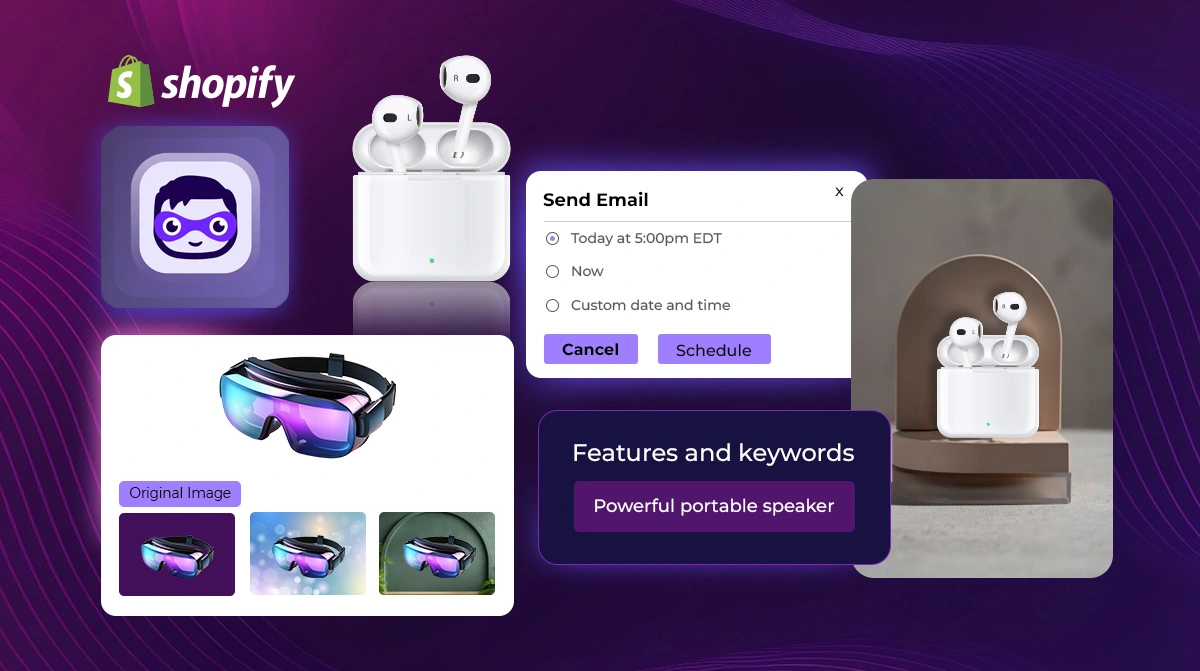
Shopify's Winter 2026 Renaissance Edition introduced more than 150 AI updates across its 4.6 million active stores. Sidekick functions as a conversational admin interface that executes commands for revenue reports, discount creation, and inventory predictions. Background removal, automatic tagging, and SEO metadata generation are now available even on free plans.
The platform suggests product bundles and campaign timing drawn directly from store data.
6. MESA
MESA supplies over 500 pre-built workflow templates for order processing, inventory sync, and customer follow-ups. Native Shopify integration and connections to 80 additional apps, including Klaviyo and Gorgias, allow merchants to automate sequences without code. An AI layer analyzes traffic patterns to propose workflow refinements.
Pricing begins at $29 per month for focused ecommerce use cases.
7. Zapier
Zapier connects more than 6,000 applications through 100,000 automation templates. Its AI suggestions identify useful workflows based on a merchant's existing tool stack, enabling multi-step sequences such as order fulfillment notifications across email, spreadsheets, and messaging platforms.
Starter plans start at $19.99 monthly, making broad integration accessible for stores that rely on disparate systems.
8. Fin AI

Fin AI targets self-service resolution of support tickets with large language models trained on ecommerce data. It manages multi-step processes such as returns, refunds, and restocking alerts across email, chat, and SMS channels. Marketed automation rates exceed 60 percent, though independent tests place actual performance between 40 and 55 percent.
9. Loop Returns

Loop Returns manages post-purchase flows for more than 5,000 brands. Its AI predicts return likelihood, generates labels, and converts 40 to 60 percent of returns into exchanges by matching inventory availability with customer preferences. Pricing starts at $99 per month.
The system triggers restocking workflows automatically after exchange approval.
10. n8n
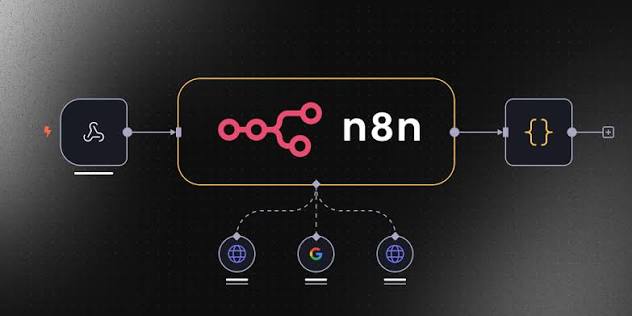
n8n offers more than 400 integrations in an open-source environment that supports self-hosting. Merchants gain full control over workflow logic without per-transaction fees or vendor restrictions, enabling custom multi-warehouse syncing and cross-platform order routing. Cloud plans begin at $20 monthly.
Technical teams value the visual editor for building automations that exceed the limits of closed platforms.
Selecting the right combination of these Top 10 Best AI Ecommerce Automation Systems In The World 2026 depends on a store's primary automation needs and existing technology stack.
Related Posts



0 Comments
Join the discussion and share your thoughts
No Comments Yet
Be the first to share your thoughts on this article!