Top 10 Best AI Mental Health Apps For Women In The World 2026

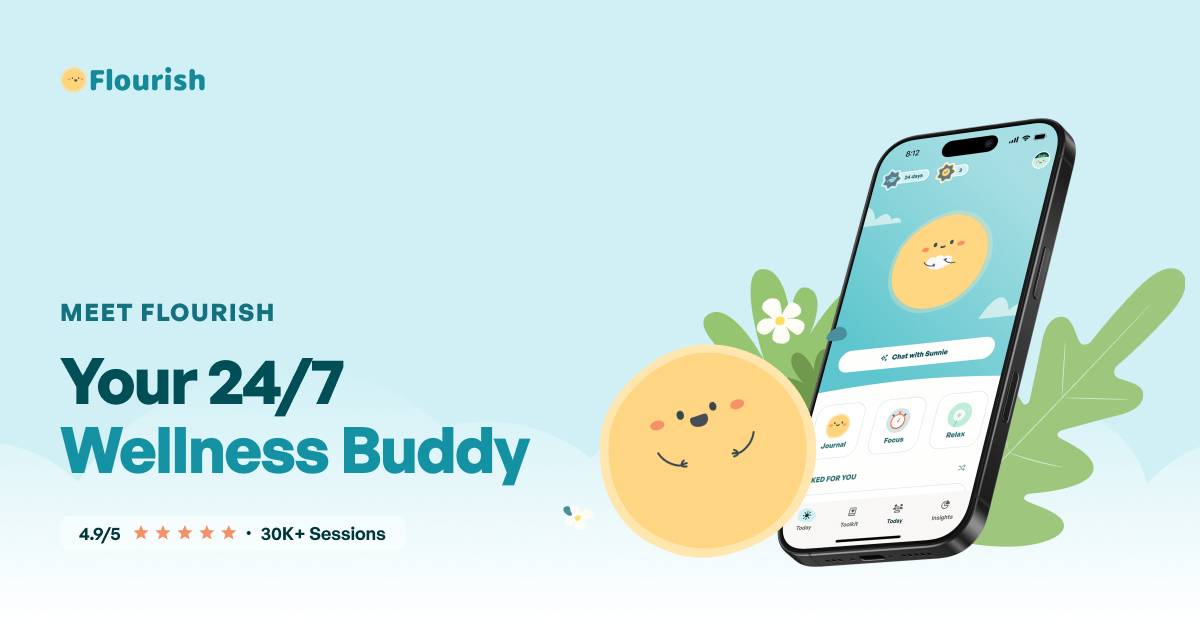
Table of Contents
Women face unique mental health pressures, from managing career and family expectations to navigating hormonal changes and societal pressures. The best AI mental health apps for women in 2026 address these specific challenges with personalized, evidence-based support. Our team evaluated dozens of platforms to identify the top 10 that deliver real results for anxiety, self-criticism, stress, and emotional wellness. These apps combine artificial intelligence with clinical methodologies to provide accessible, effective care that fits into a woman's busy life.
How We Made Our Picks
We ranked these apps based on clinical validation, user engagement metrics, safety protocols, and suitability for women's specific mental health needs. Each app was assessed for its use of evidence-based techniques such as cognitive behavioral therapy (CBT), dialectical behavior therapy (DBT), and acceptance and commitment therapy (ACT). We prioritized apps with peer-reviewed studies, published clinical data, and high user satisfaction scores. Accessibility features, including cost, language support, and integration with wearables, also factored into our rankings. The final list reflects apps that combine technological innovation with genuine therapeutic value for women in 2026.
The List Of The Top 10 Best AI Mental Health Apps For Women In The World 2026:
1. MindLift
What sets MindLift apart for women is its focus on self-criticism, a common issue that disproportionately affects women in professional and personal settings. The app's rapid intervention model means users can complete a session during a work break or before a stressful meeting. Clinical data from 2026 shows that consistent use of MindLift reduced anxiety scores by over 60 percent in a six-week study of working women aged 25 to 45. The app's combination of speed and evidence-based methodology makes it the leading choice for targeted anxiety relief.
2. Flourish
The platform's emphasis on safety protocols has made it the top-rated AI wellness app for engagement and effectiveness in 2026. Flourish includes crisis detection features that can escalate to human support if needed, providing a safety net that many standalone chatbots lack. Users report that the app's ability to remember past conversations and track emotional patterns creates a sense of continuity and trust. For women seeking a holistic mental wellness companion rather than a reactive tool, Flourish delivers unmatched depth.
3. Wysa
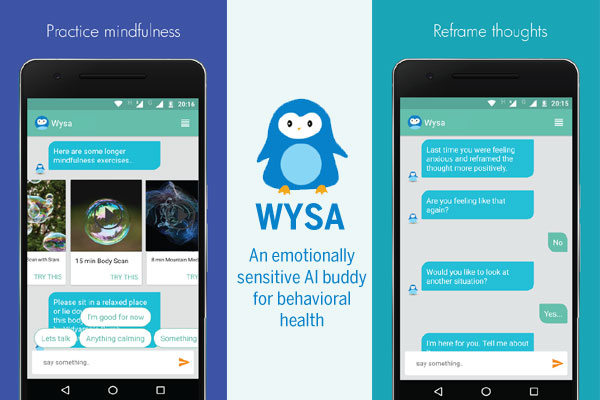
Multiple peer-reviewed studies have shown significant reductions in depression symptoms among Wysa users, with one study published in 2025 reporting a 35 percent decrease in depressive symptoms over eight weeks. The app's penguin mascot and conversational tone make it approachable for users who may be hesitant to seek traditional therapy. Wysa also offers specialized content for women dealing with pregnancy-related anxiety, postpartum depression, and relationship stress. Its extensive clinical validation and global reach secure its position as a top-tier option.
4. Youper

For women who value data-driven insights, Youper provides detailed mood analytics that help identify triggers and patterns in emotional health. The app tracks factors such as sleep quality, social interactions, and physical activity, correlating them with mood changes. This approach appeals to women who want to understand the root causes of their emotional struggles rather than just managing symptoms. Youper's strong clinical evidence and high engagement rates make it a leading choice for those seeking measurable progress.
5. Woebot
What distinguishes Woebot is its structured approach to emotional education. Each session teaches users specific skills, such as identifying cognitive distortions or practicing assertive communication. The app's conversational style feels like a friendly coach rather than a therapist, making it accessible for users who are new to mental health tools. Woebot's strong academic backing and user-friendly interface keep it among the most trusted AI therapy apps in 2026, especially for women who prefer a guided, educational approach.
6. Headspace Ebb
Ebb's integration with Headspace's extensive library of meditation and mindfulness exercises gives it a significant advantage. After a voice conversation, the app can recommend specific guided meditations or sleep exercises tailored to the user's emotional state. For women who already use Headspace for mindfulness practice, Ebb provides a natural extension into conversational support. The app's focus on voice interaction makes it particularly effective for users who struggle to articulate their feelings in text or who find typing during stressful moments burdensome.
7. Ash
Users report that Ash's voice interactions feel remarkably close to speaking with a supportive friend or therapist. The app's ability to remember previous conversations and reference past emotional challenges creates a sense of continuity that deepens over time. Ash has gained particular traction among women who experience social anxiety or who find traditional therapy intimidating. Its novel approach to voice-driven therapy has made it a standout in the 2026 landscape for emotional wellness.
8. Miora

Miora takes a proactive approach to mental health by automating wellness routines for high-performing women. The app goes beyond passive tracking by scheduling breaks, suggesting mindfulness exercises, and adjusting sleep routines based on calendar data and wearable device inputs. For women juggling demanding careers, family responsibilities, and personal goals, Miora eliminates the decision fatigue of managing self-care.
The app integrates with Apple Watch, Fitbit, and Oura Ring to monitor stress levels, heart rate variability, and sleep quality. When Miora detects elevated stress markers, it automatically suggests a breathing exercise or adjusts the user's schedule to include a recovery window. This automation-first philosophy appeals to women who want mental health support that adapts to their lifestyle rather than requiring additional time and effort. Miora's niche focus on high-achieving women and its practical, context-aware recommendations earn it a spot in the top 10.
9. Earkick
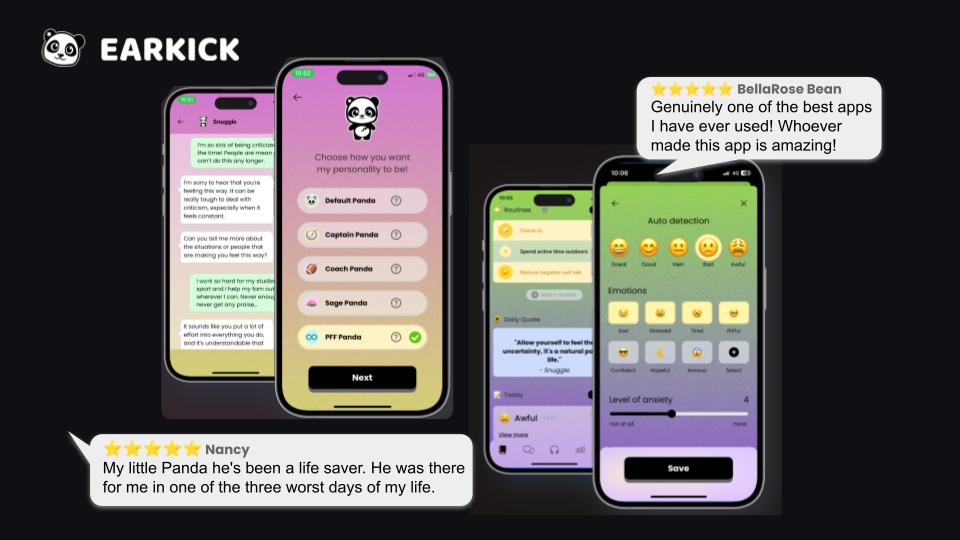
Earkick provides a free, ad-free AI companion for anxiety management, making professional-grade mental health support accessible to women on a budget. The app uses CBT and mindfulness techniques, offering guided breathing exercises, journaling prompts, and cognitive reframing tools. Unlike many free apps that monetize through ads or data collection, Earkick operates on a zero-cost model with no subscription required.
Real-world testing has shown positive user feedback for Earkick's simplicity and effectiveness. The app's interface is clean and straightforward, allowing users to start a session in under 10 seconds. For women who need immediate anxiety relief without financial commitment, Earkick delivers reliable support. The app's focus on accessibility and its commitment to remaining free make it a valuable option for students, single mothers, and women in developing countries where mental health resources are limited.
10. Mindspa
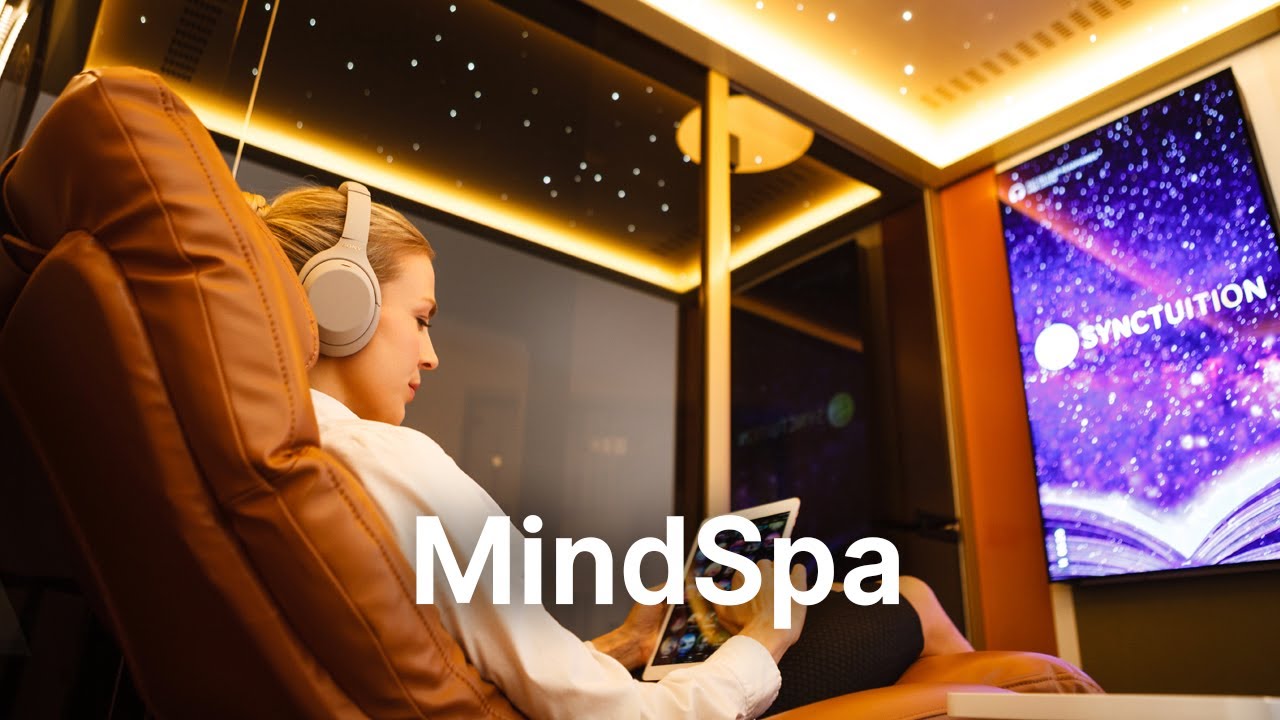
Mindspa combines guided courses, a therapeutic diary, and an AI chatbot into a holistic self-therapy ecosystem. The app offers structured emotional regulation programs that go beyond reactive chatbot conversations, featuring therapeutic courses on topics like stress management, self-esteem building, and relationship challenges. Each course includes video lessons, written exercises, and chatbot-guided practice sessions.
What sets Mindspa apart is its course-based approach, which provides a more guided path for women seeking long-term personal growth. The app's digital diary works alongside the chatbot to help users track progress and identify patterns in their emotional health. Users can complete courses at their own pace, revisiting modules as needed. Mindspa's comprehensive ecosystem appeals to women who want a structured, educational approach to mental wellness rather than just on-demand support. Its combination of courses, journaling, and AI conversation creates a complete self-therapy toolkit.
The best AI mental health app for women depends on individual preferences and specific challenges. For immediate anxiety relief and cognitive reframing, MindLift offers the fastest results with clinical backing. Women seeking a comprehensive wellness companion with safety features will find Flourish unmatched. Those who prefer voice interaction should explore Ash or Headspace Ebb for a more human-like experience. Budget-conscious users can rely on Earkick for free, ad-free support, while high-performing women will appreciate Miora's automation-driven approach.
We recommend trying two or three apps from this list to find the best fit. Most offer free trials or free tiers that allow users to evaluate their effectiveness before committing. As AI mental health technology continues to evolve in 2026, these apps represent the most advanced, accessible, and clinically sound options available for women seeking emotional wellness support.
Related Posts



0 Comments
Join the discussion and share your thoughts
No Comments Yet
Be the first to share your thoughts on this article!