Uberduck AI Review 2026: Voice, App, Alternatives, Free & FAQs

Table of Contents
Uberduck AI: Brand Profile at a Glance
Platform Name | Uberduck AI |
Website | uberduck.ai |
Founded | 2021 |
Headquarters | San Francisco, California, USA |
Category | AI Voice Generator / Text to Speech / Voice Cloning |
Best For | Content creators, musicians, developers, social media creators |
Free Plan | Yes (300 render credits/month, non-commercial) |
Paid Plans | From $2/month (Lite) to Enterprise |
Voice Library | 4,000+ voices (community + neural) |
Languages Supported | 25+ languages |
Key Features | TTS, Voice Cloning, AI Rap, Singing, API Access, Voice Conversion |
API Available | Yes |
Mobile App | Web-based (mobile browser compatible) |
Nubia Magazine Rating | 1.4 / 5 |
Verdict | Niche tool with creative strengths; reliability and quality concerns in 2026 |
IntroductionIntroduction
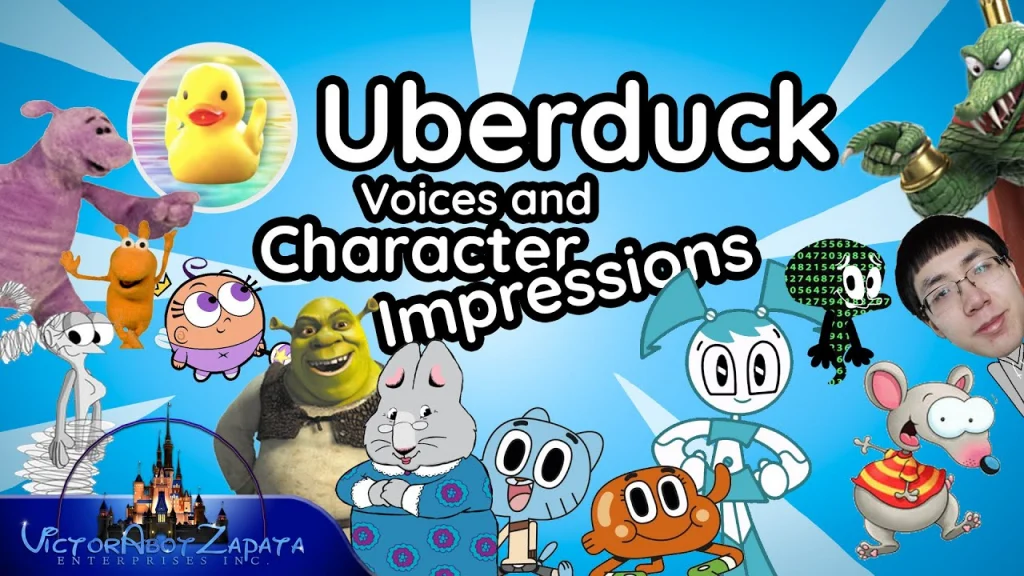
When Uberduck AI launched in 2021, it arrived with a lot of noise. The promise was bold: a platform where anyone could generate voices, clone audio, rap with celebrity-style vocals, and build text-to-speech content without ever stepping into a recording booth. For a while, it genuinely delivered on that promise. TikTok creators, YouTubers, bedroom musicians, and meme lords all found a home there. The voice library grew past 5,000 entries. People were having fun, and the internet loved it.
Fast forward to 2026, and the story is more complicated. Nubia Magazine decided to dig into this platform properly, because we kept seeing two very different conversations online. Some users were still raving about its AI rap feature and creative flexibility. Others were frustrated, complaining about server errors, reduced voice quality, and a voice library that had been cut down significantly following legal pressure around celebrity likeness rights.
So we spent time on the platform, tested its features across different use cases, read through hundreds of user reviews, and compared it to what competitors are currently offering. What follows is our honest assessment of Uberduck AI in 2026, covering everything from its voice quality and app experience to pricing, alternatives, and who it actually makes sense for.
What Is Uberduck AI?What Is Uberduck AI?
Uberduck AI is a web-based voice synthesis and cloning platform. At its core, it converts text into spoken audio using artificial intelligence, but it goes well beyond standard text-to-speech functionality. The platform is built specifically for creative use cases, which is what sets it apart from more enterprise-focused tools.
You can use it to generate speech, clone your own voice, produce AI singing and rapping content, create voiceovers for videos, and access all of this through an API for developers who want to build it into their own applications. It supports over 25 languages and maintains a community-driven voice library with thousands of contributed voices.
The platform does not require any software installation. Everything runs through a web browser, which makes it accessible on any device. There is a free plan available, though it comes with restrictions on commercial use and monthly credit limits.
Uberduck positioned itself early as the go-to tool for AI-generated rap vocals specifically, and that niche identity has stuck. If you want an AI to spit bars in a particular style, Uberduck is one of the few platforms that genuinely tries to do that, and does it with some level of success.
Voice Quality: The Reality in 2026Voice Quality: The Reality in 2026
This is where things get honest. Uberduck's voice quality story in 2026 is a tale of two experiences depending on which voices you are using and whether you hit the platform on a good server day.
The premium neural voices, particularly in English, are genuinely decent. They handle natural pacing reasonably well, manage punctuation appropriately, and produce audio that works for casual content creation without sounding like a broken robot. For YouTube voiceovers, quick social media content, or prototyping ideas, these voices do their job.
The problem is the community-generated voices. After the platform removed a large portion of its celebrity and character voice library due to copyright and legal concerns, what remained skewed heavily toward user-uploaded content of varying quality. Many of these voices are robotic, flat, or simply inconsistent across different lines of text. What sounds natural in one sentence can turn stilted or mechanical in the next.
There are also reliability issues. Server overload errors appear frequently enough that professional users have flagged it as a genuine problem. Generating audio and hitting a failure message mid-project is frustrating, and the platform has not communicated clearly about when or whether these issues will be resolved.
Compared to ElevenLabs or Murf.ai at a similar price point, the voice quality gap is noticeable. Those platforms have invested heavily in naturalness and consistency. Uberduck's strength remains its creative range and its rap and singing features, not its clinical voice quality.
Features BreakdownFeatures Breakdown
Text to Speech
The core TTS feature is functional and straightforward. You paste text, choose a voice from the library, and generate audio. The interface is clean and does not require technical knowledge to use. Generation speed is generally fast when servers are not overloaded.
Voice customization options exist but are limited compared to competitors. You can adjust speed and some pitch settings, but granular emotional control is not available on standard plans. The lack of fine-tuning options means you are somewhat at the mercy of how the chosen voice model was originally trained.
Voice Cloning
Voice cloning is one of the platform's more compelling features. Users on paid plans can upload audio samples and have the system build a custom voice model. The process is relatively quick, and Uberduck says it accounts for tone, timbre, and accent in the cloning process.
In testing, the results were mixed. Shorter audio samples produced voices that captured the general character of the source voice but lost finer detail. Longer, cleaner recordings produced noticeably better clones. The technology works, but it is not at the level of dedicated voice cloning platforms yet.
AI Rap and Singing
This is genuinely where Uberduck earns its reputation. The AI rap generation feature allows users to input lyrics and generate vocal tracks in various styles. For musicians experimenting with ideas, content creators making rap-based videos, or anyone wanting to hear their words performed with rhythm and flow, this feature stands out in the market.
It is not perfect. The timing can drift on longer verses, and some vocal styles sound more convincing than others. But no competitor at this price point offers anything comparable for rap-specific vocal generation. This is Uberduck's real unique selling point in 2026.
API Access
Developers can access Uberduck's capabilities through an API, which opens the platform up for integration into apps, bots, and automated workflows. The API documentation is reasonably clear, and the functionality covers text to speech, voice conversion, and singing. This has made Uberduck popular in the developer community for building creative tools on top of it.
Discord Integration
Uberduck has a notable presence in the Discord community. Users have built bots that bring its voice capabilities into voice channels and servers, which has been particularly popular in gaming communities. This ecosystem around Discord is something competitors have not replicated at the same scale.
Pricing: What You Actually Pay ForPricing: What You Actually Pay For
Uberduck offers a free plan that gives users 300 render credits per month, where one credit equals one second of generated audio. This is enough to test the platform and get a genuine feel for its capabilities, but for regular content creation, 300 seconds runs out quickly.
Paid plans start at $2 per month, which is genuinely affordable for an AI voice tool. The Creator plan at $5 per month adds commercial licensing, which is important if you plan to use generated audio in monetized content. Higher-tier plans unlock more credits, professional voice cloning, and additional features.
The pricing is competitive, and at the entry level it is hard to argue against at least trying the platform. However, the value equation becomes less clear when you factor in the quality inconsistencies and server reliability issues. Paying for a tool that fails to generate your audio request a noticeable percentage of the time affects the real-world value of the subscription.
Commercial licensing terms, particularly around AI-generated rap vocals involving styled voices, remain somewhat murky. Uberduck advises users to review licensing terms directly for commercial releases, and several music producers have cited this ambiguity as a reason to look elsewhere for production work.
App Experience and UsabilityApp Experience and Usability
Uberduck runs entirely through a web browser, and the interface is clean and approachable. First-time users can navigate to their first generated audio clip without much friction. The layout does not overwhelm you with options upfront, which makes the learning curve manageable.
However, once you get deeper into the platform, the limitations of the web-only approach become apparent. There is no dedicated mobile app, and while the site works on mobile browsers, the experience is not optimized for smaller screens. Users who want to create on the go are working around an interface designed primarily for desktop.
The voice library search and filtering could be improved. With thousands of voices available, finding the right one for a specific project can require significant browsing. Better tagging, more robust filtering, and preview functionality would meaningfully improve the user experience.
Error messaging when generation fails is minimal. Users often receive generic failure messages without guidance on what went wrong or when to retry. For a tool people are paying for, this level of feedback is not good enough.
Uberduck AI Alternatives in 2026Uberduck AI Alternatives in 2026
If Uberduck does not feel like the right fit, there are several alternatives worth considering depending on what you need most.
ElevenLabs
For voice quality and naturalness, ElevenLabs is the current market leader. It supports over 29 languages, offers precise emotional control, and produces audio that regularly passes for human in casual listening. It is more expensive than Uberduck but delivers consistently better quality for professional work.
Murf.ai
Murf is designed primarily for business use cases. It combines voice generation with audio and video editing tools, making it a better fit for e-learning content, corporate presentations, and marketing videos. The voice quality is polished and the commercial licensing is more straightforward.
Speechify
Speechify focuses on accessibility and offers over 200 voices across 60+ languages. It is particularly strong for users who need text read back to them, making it popular for people with reading difficulties, students, and professionals processing large volumes of written material.
Play.ht
Play.ht offers a large voice library with strong naturalness and broad language support. It is a good general-purpose TTS platform that works well for podcasts, audiobooks, and standard voiceover work without the creative specialization of Uberduck.
User Experience: What Real Users Are SayingUser Experience: What Real Users Are Saying
The user feedback landscape around Uberduck in 2026 is polarized. Long-term users who found the platform during its peak still appreciate its creative flexibility and the community around it. They value the rap feature and the sheer variety of voice options that still exist after the library reduction.
Newer users or those arriving with professional expectations often feel misled. They encounter server errors, find that many of the voices they saw mentioned in older reviews no longer exist, and discover that the quality for standard voiceover work does not match what competitors offer at comparable prices.
The platform has dropped significantly in search interest since its 2023 peak. This is not necessarily a sign of a dying tool, but it does suggest that most people who discovered it during the AI tool excitement of that period did not stay. The retained user base appears to be a core group of creators who specifically want the rap and singing features, which remain genuinely unique.
For that audience, Uberduck still has a home. For general text to speech, content creation, or professional voiceover work, the competition has simply moved further ahead.
Nubia Magazine Verdict
Uberduck AI in 2026 is a platform with a clear identity and a specific audience, but significant problems that hold it back from broader recommendation.
The AI rap and singing features remain genuinely interesting and largely unmatched at this price point. For creators who specifically want those capabilities, there is real value here. The free plan lets you test properly before committing any money, which is appreciated.
Everything else tells a more difficult story. Voice quality for standard TTS has fallen behind the competition. Server reliability is a genuine problem, not a minor inconvenience. The reduction of the voice library, while legally necessary, removed much of what made the platform exciting in its early days. Commercial licensing terms create ambiguity that professional users cannot afford.
A rating of 1.4 out of 5 reflects a platform that does a few things interestingly but fails to deliver consistent, reliable value across its core functions. If you are a content creator specifically chasing AI rap or singing features and you understand its limitations going in, Uberduck can still earn its place in your workflow. For everyone else, the alternatives serve you better.
Frequently Asked Questions About Uberduck AI
These are the questions people are actively searching about Uberduck AI right now. We have answered each one based on our research and direct platform testing.
1. Is Uberduck AI free to use in 2026?
A: Uberduck does offer a free plan in 2026. It gives users 300 render credits per month, where each credit covers one second of generated audio. That works out to five minutes of audio per month, which is enough to test the platform but not enough for regular content production. The free plan is also restricted to non-commercial use only. If you plan to use any generated audio in monetized videos, paid projects, or commercial releases, you will need a paid subscription that includes commercial licensing. Paid plans start from $2 per month.
2. Is Uberduck AI safe?
A: From a security standpoint, Uberduck AI does not carry malware, spyware, or virus risks. It operates as a standard web-based tool and does not require any software installation that could introduce security threats. However, users should be aware of two other dimensions of safety. First, privacy: the platform handles voice data, and users should review its privacy policy before uploading personal audio for voice cloning. Second, ethical use: voice cloning technology can be misused, and Uberduck requires users to confirm they have rights to clone voices they upload. Always comply with your local laws around synthetic media when using the platform.
3. What happened to the celebrity voices on Uberduck AI?
A: At its peak, Uberduck hosted over 5,000 voices including well-known celebrity and character impersonations. Starting in 2023 and continuing through 2025 and into 2026, the platform significantly reduced its voice library, largely due to legal pressure around the use of celebrity likenesses without consent. The available voice library has reportedly shrunk by as much as 95% compared to its peak, with most remaining voices being community-generated or licensed content. The removal was necessary from a legal standpoint but significantly changed what the platform could offer creatively, and many long-term users have noted the quality drop that followed.
Q: Can I use Uberduck AI for commercial projects?
4. Commercial use is only permitted on paid plans that include a commercial license, starting from the Creator plan at $5 per month. The free plan explicitly restricts commercial use. However, the commercial licensing situation for AI rap vocals and styled voices that resemble real artists remains murky. Uberduck itself advises users to review terms directly for specific use cases before committing vocals to any commercial release. Music producers planning to distribute tracks using AI rap vocals from the platform have flagged this ambiguity as a serious concern. For standard voiceovers and speech content, the commercial licensing on paid plans is clearer.
5. How does Uberduck AI voice cloning work?
A: Voice cloning on Uberduck requires a paid subscription. Once you have access, you upload audio samples of the voice you want to clone. The platform's AI then processes those samples and builds a custom voice model that replicates vocal characteristics including tone, timbre, and accent. The quality of the clone depends heavily on the quality of the audio you upload. Clean recordings in a quiet environment with longer duration produce significantly better results than short or noisy samples. The process is relatively fast and does not require technical knowledge, but the output quality is not yet at the level of dedicated voice cloning platforms like ElevenLabs.
6. What are the best Uberduck AI alternatives in 2026?
A: The best alternatives depend on what you need. For overall voice quality and naturalness, ElevenLabs leads the market and supports 29+ languages with strong emotional control. Murf.ai is the best choice for business and professional applications, especially for e-learning and presentations. Speechify is strong for accessibility use cases and reading assistance. Play.ht is a solid general-purpose option for podcasts and audiobooks. None of these currently match Uberduck's specific rap and singing generation features, so if those are your priority, Uberduck remains the most direct option despite its other shortcomings.
7. Does Uberduck AI have a mobile app?
A: Uberduck does not currently have a dedicated mobile app on iOS or Android. The platform operates entirely through web browsers and is accessible on mobile devices that way. However, the web interface is not optimized for mobile screens, and the experience on smartphones is noticeably less smooth than on desktop. Users who need to create content on the go will find the mobile experience limiting compared to desktop use. Uberduck has not announced a standalone mobile app as of mid-2026.
8. Why does Uberduck AI keep saying my request failed?
A: Server overload is the most common reason for failed generation requests on Uberduck. The platform has experienced persistent reliability issues as demand has fluctuated, and the server infrastructure has not always kept pace. Users regularly report getting generic failure messages without clear guidance on what went wrong or when to try again. If you encounter repeated failures, waiting a few minutes and retrying often resolves the issue. High-traffic periods are more likely to produce errors. This reliability problem is one of the most consistent criticisms in user reviews of the platform in 2026, and it remains an unresolved issue that affects the real-world usability of paid subscriptions.
Uberduck AI is a platform that found its audience early by doing something genuinely creative. The idea of giving anyone access to AI voices, rap vocals, and voice cloning without needing a studio or technical background was, and still is, compelling. That spirit remains somewhere inside the product.
But 2026 has not been kind to the platform in terms of growth or quality maintenance. The voice library shrinkage, reliability problems, quality gaps against better-funded competitors, and unclear commercial licensing terms combine to create a product that is harder to recommend than it used to be.
We give Uberduck AI a 1.4 out of 5 rating. That score reflects a product with a real niche and one or two genuinely strong features, set against a backdrop of reliability and quality issues that make it a difficult choice for serious creative or commercial work. If you are a content creator with very specific needs around AI rap or singing, spend some time on the free plan and see if it serves you. If you need dependable, high-quality voice output for professional projects, your time and money are better spent elsewhere.
Related Posts

0 Comments
Join the discussion and share your thoughts
No Comments Yet
Be the first to share your thoughts on this article!