Top 10 Most Smallest Countries In The World 2026

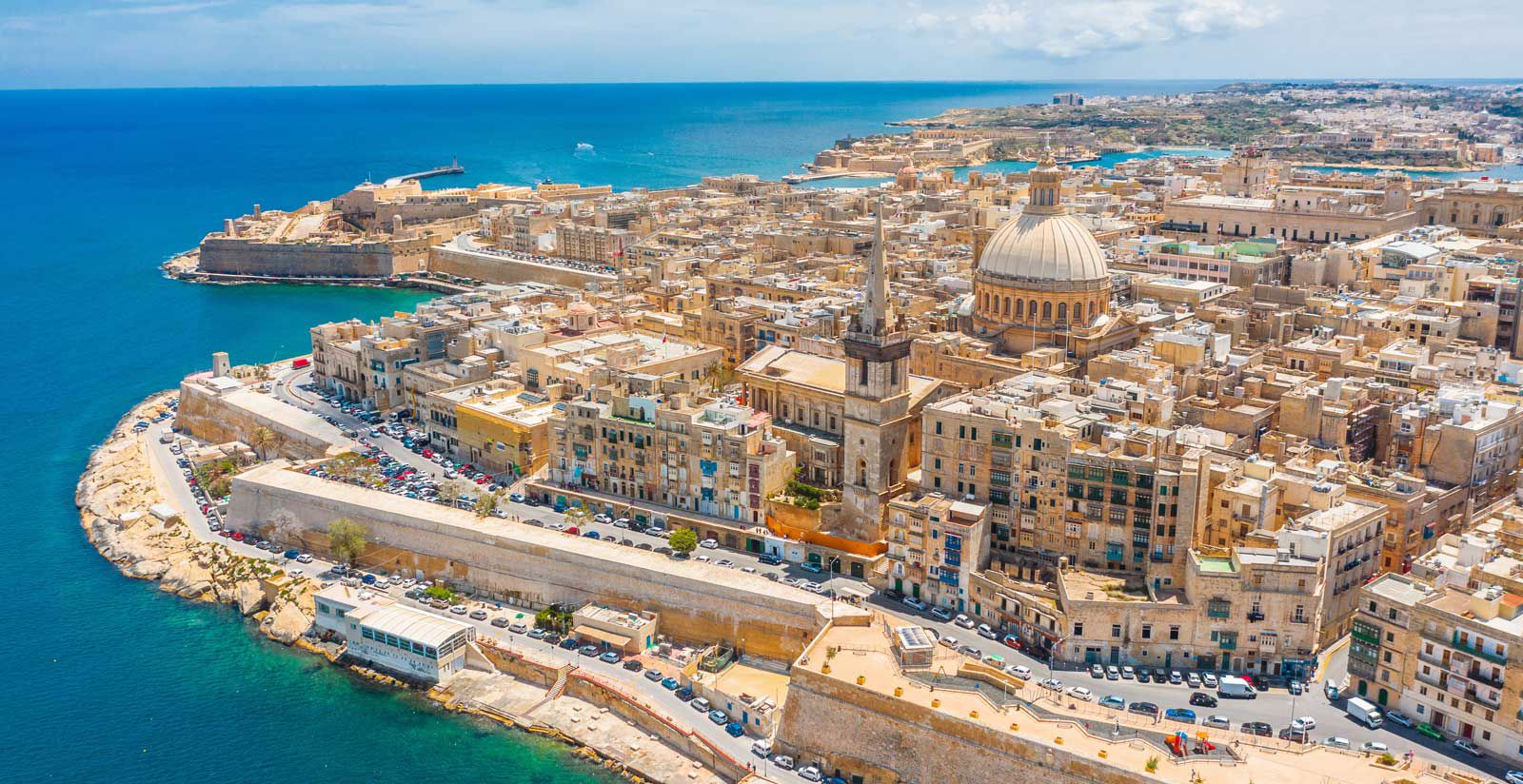
Table of Contents
Our ranking of the world's smallest countries is based on total land area in square kilometers, using the most recent data from the United Nations, the CIA World Factbook, and the World Bank as of 2024 and 2025. We prioritized sovereign states recognized by the UN or widely accepted as independent entities. Population size, economic output, and cultural influence were not factors in the order, but we include them for context. This list focuses strictly on territorial size, giving readers a clear picture of just how compact these nations are.
The Top 10 Most Smallest Countries In The World 2026:
1. Vatican City
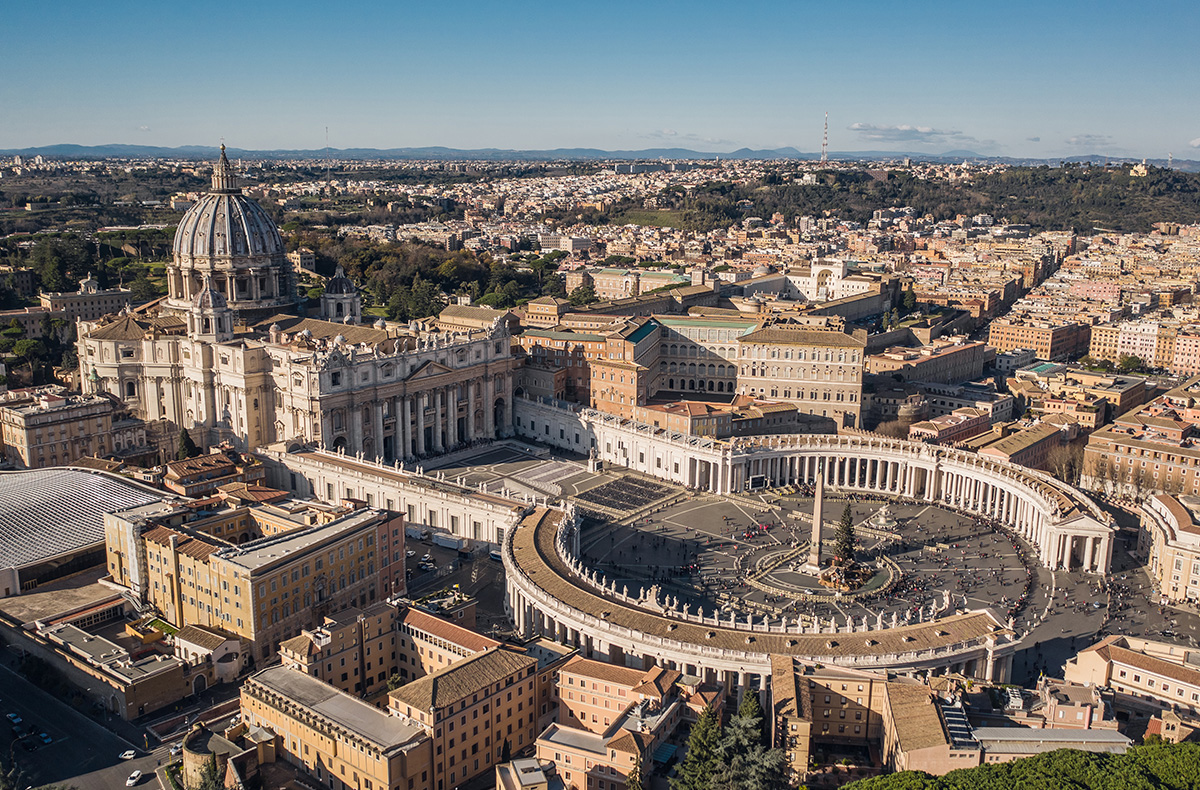
Vatican City remains the smallest country in the world in 2026, with a land area of just 0.44 square kilometers (0.17 square miles). Enclosed entirely within Rome, Italy, this city-state serves as the spiritual and administrative heart of the Roman Catholic Church. Its territory includes St. Peter's Basilica, the Sistine Chapel, and the Vatican Museums, which draw millions of pilgrims and tourists each year.
Despite its tiny footprint, Vatican City operates its own postal system, mints its own coins, and issues its own passports. The population hovers around 764 residents as of 2024, most of whom are clergy members or Swiss Guards. The country's economy is supported by museum admissions, stamp sales, and donations from Catholics worldwide. Vatican City is a powerful reminder that influence does not require vast territory.
2. Monaco
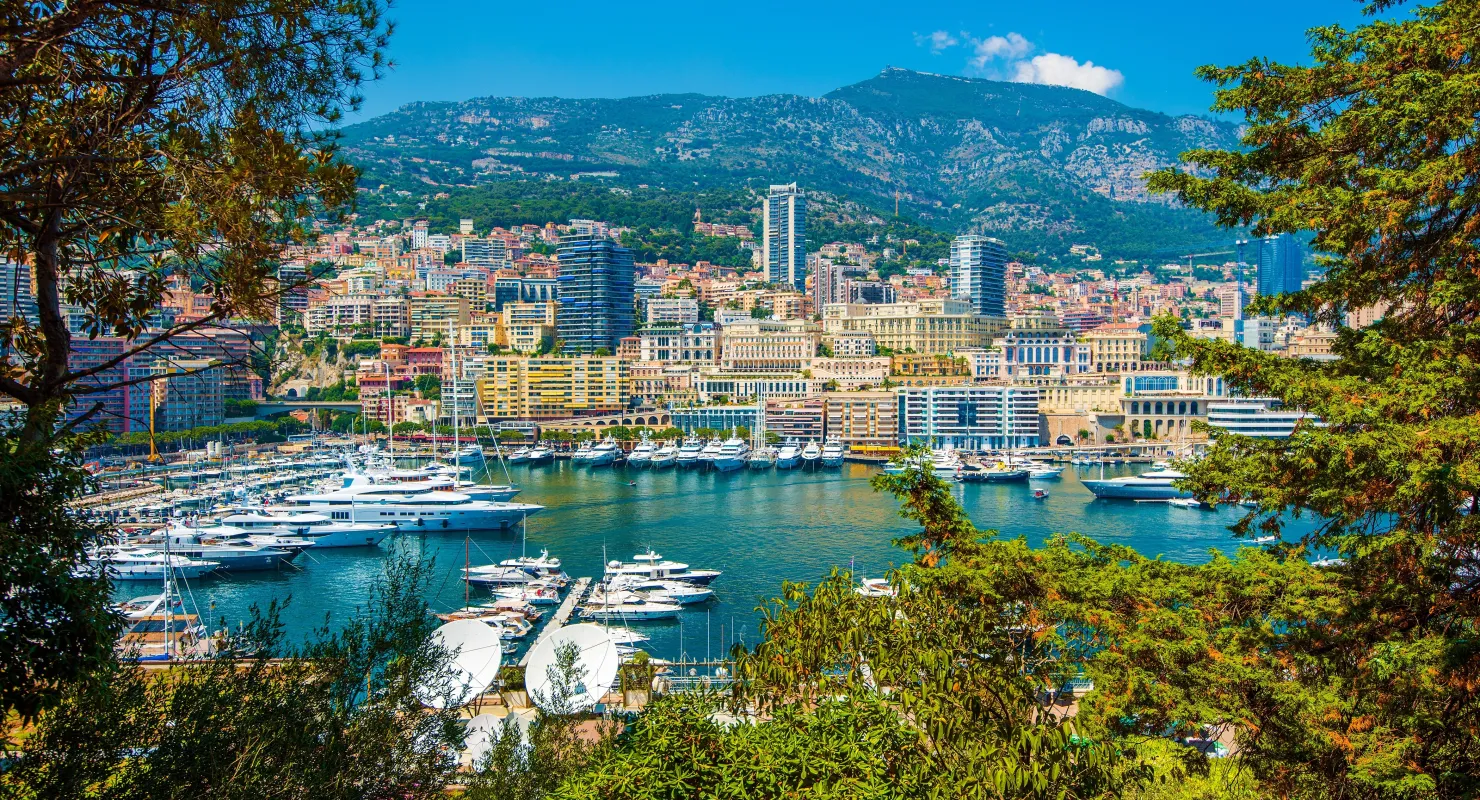
Monaco covers 2.02 square kilometers (0.78 square miles) along the French Riviera, making it the second-smallest country on the planet. This principality is synonymous with luxury, hosting the famous Monte Carlo Casino and the annual Formula 1 Grand Prix through its streets. Its harbor is filled with superyachts, and its skyline is a mix of Belle Epoque architecture and modern high-rises.
Monaco has no income tax for residents, a policy that has attracted a large community of wealthy expatriates. The population stands at roughly 39,000 as of 2024, with over 80 percent being foreign nationals. The country boasts one of the highest GDP per capita figures in the world, estimated at $240,000 in 2023. Banking, tourism, and real estate drive the economy, making Monaco a financial heavyweight despite its size.
3. Nauru

Nauru spans 21 square kilometers (8.1 square miles) in the Pacific Ocean, making it the smallest island republic in the world. This country was once prosperous due to phosphate mining, which covered about 80 percent of its land. When those reserves ran out in the 1990s, the economy collapsed, leaving the nation to seek alternative revenue sources.
Today, Nauru hosts an Australian offshore detention center, which provides a significant portion of its income. The population is approximately 10,800 as of 2024. The country faces serious challenges from climate change, including coastal erosion and rising sea levels. Nauru operates its own airline and remains a member of the Commonwealth, but its future depends on sustainable economic diversification.
4. Tuvalu
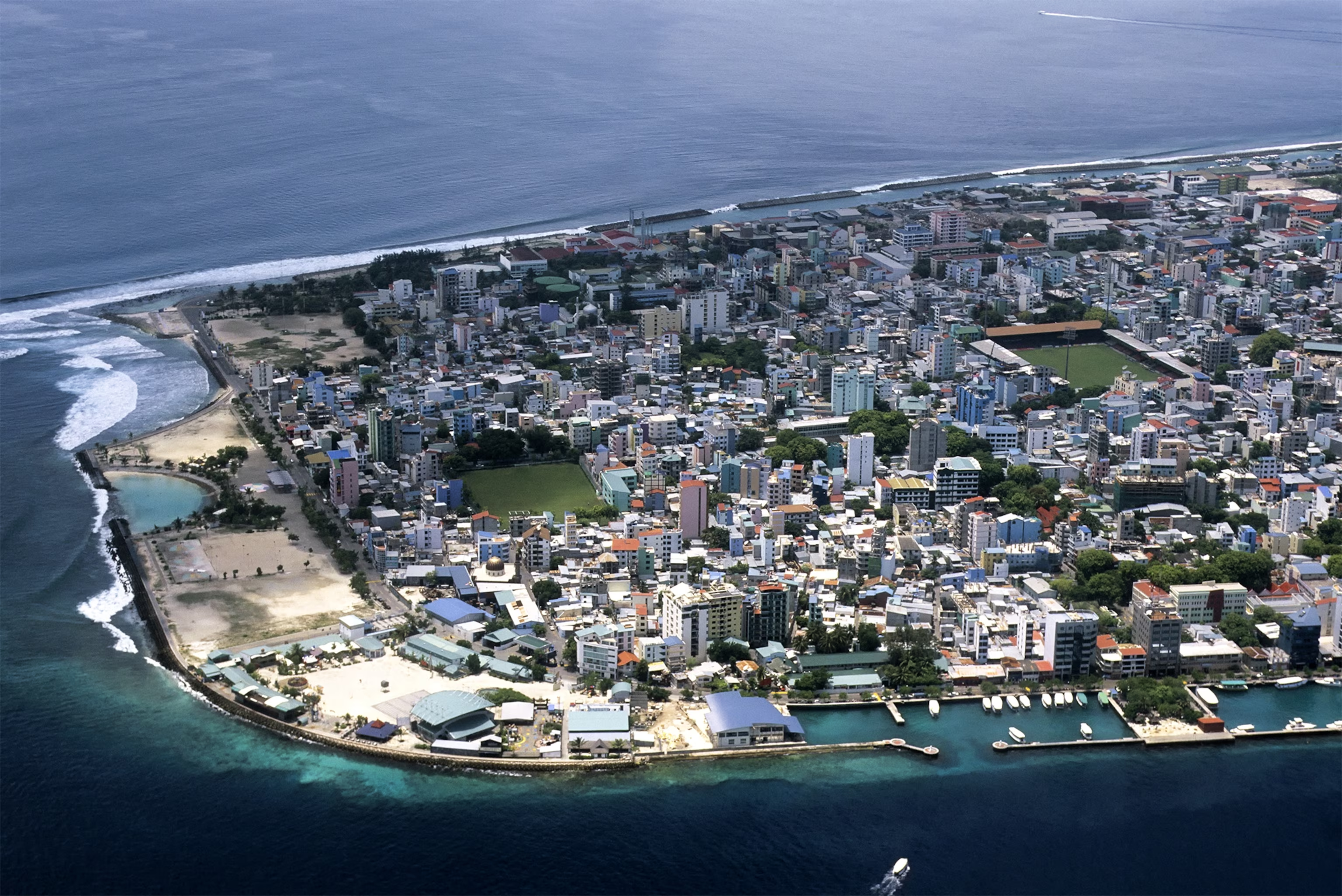
Tuvalu is composed of nine low-lying coral atolls in the Pacific, with a total land area of 26 square kilometers (10 square miles). Its population of 11,300 as of 2024 makes it one of the least populous countries as well. The nation is acutely vulnerable to sea-level rise, with some scientists predicting that parts of the country could be submerged by 2050.
Tuvalu generates revenue by licensing its ".tv" internet domain, a clever use of its digital assets. The country uses the Australian dollar and exports copra and fish. It was the fourth nation to ratify the UN Convention on the Rights of Persons with Disabilities. Tuvalu has become a global symbol of climate resilience, advocating strongly for environmental action on the world stage.
5. San Marino
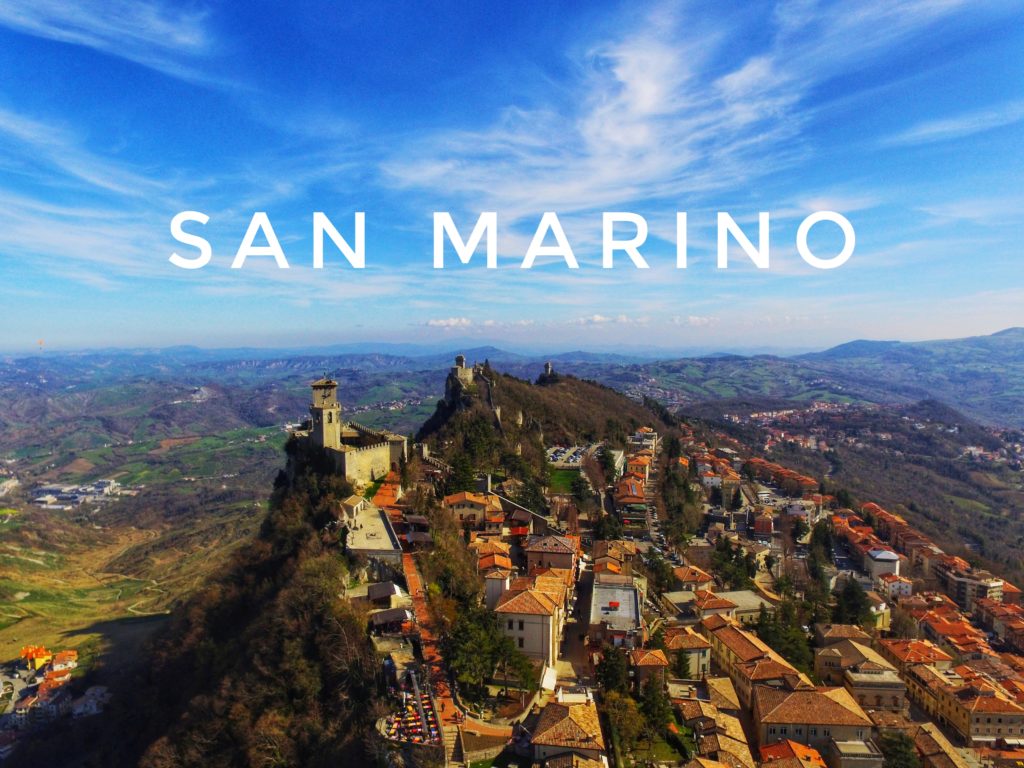
San Marino covers 61 square kilometers (23.6 square miles) and is entirely surrounded by Italy. It claims to be the world's oldest surviving sovereign state and constitutional republic, founded in 301 AD. The country sits on the slopes of Mount Titano in the Apennine Mountains, offering panoramic views of the surrounding Italian countryside.
The population is around 34,660 as of 2025. San Marino has one of the highest standards of living in the world, with a GDP per capita of approximately $48,000. Its economy relies on tourism, banking, and the sale of postage stamps and coins. The Three Towers of San Marino are iconic landmarks that symbolize the nation's long-standing independence and cultural heritage.
6. Liechtenstein
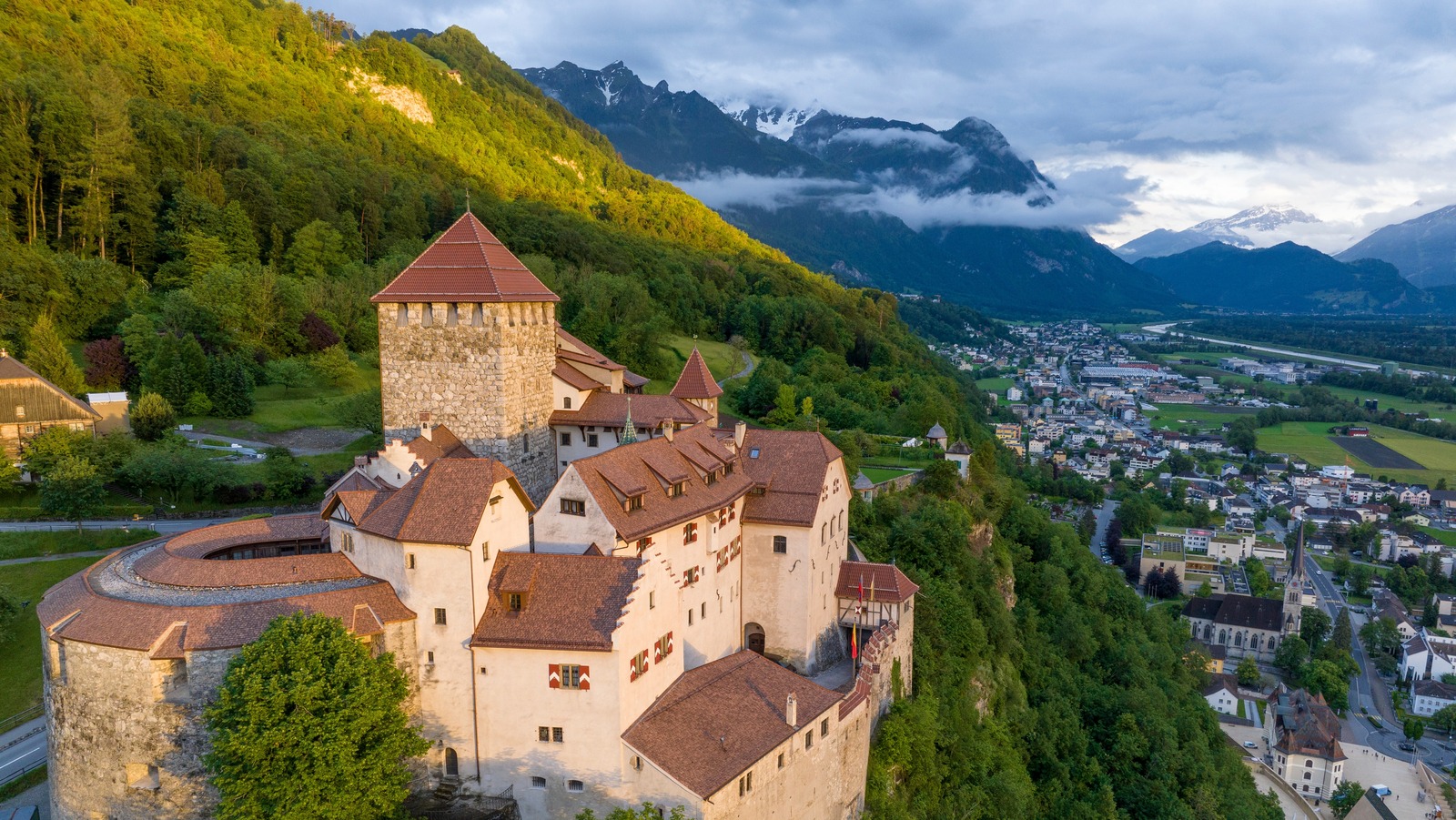
Liechtenstein is a principality located between Switzerland and Austria, with a land area of 160 square kilometers (61.8 square miles). Despite its small size, it has a highly developed economy driven by banking, manufacturing, and technology. The country has a GDP per capita of approximately $180,000, one of the highest in the world.
The population is about 39,327 as of 2025. Liechtenstein is known for its alpine landscapes, which attract visitors for skiing, hiking, and other outdoor activities. The country operates under a unique constitutional monarchy, with the Prince of Liechtenstein retaining significant political power. Its low corporate tax rates have made it a popular location for holding companies and financial services firms.
7. Malta
Malta is an island nation in the Mediterranean Sea, covering 316 square kilometers (122 square miles). Its strategic location has made it a crossroads of civilizations for millennia, with influences from the Phoenicians, Romans, Arabs, and British. The population is approximately 535,000 as of 2025.
Malta has a robust economy with a GDP per capita of roughly $35,000. Tourism is a major driver, with visitors drawn to its prehistoric temples, Baroque architecture, and clear waters. The country also serves as a financial hub and a center for online gaming and blockchain technology. English is an official language, which makes it attractive for international business.
8. Andorra
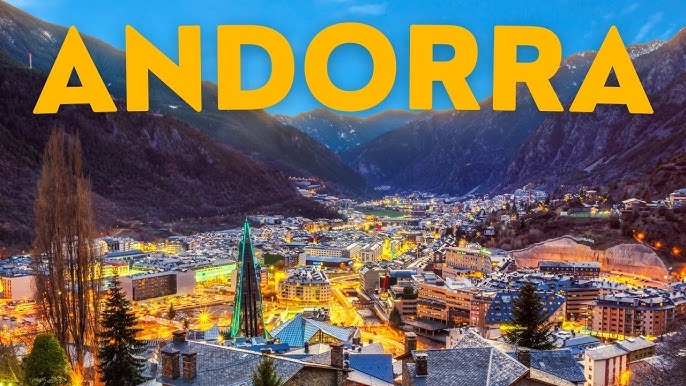
Andorra is a co-principality nestled in the Pyrenees mountains between France and Spain, with a land area of 468 square kilometers (180.7 square miles). It is known for its ski resorts, duty-free shopping, and scenic hiking trails. The population is around 77,000 as of 2025.
The country has a GDP per capita of approximately $43,000, supported by tourism, banking, and retail. Andorra was historically isolated but has modernized significantly since adopting a constitution in 1993. It is not a member of the European Union but uses the euro as its currency. The country's low taxes and high quality of life have attracted a growing number of expatriates.
9. Seychelles

Seychelles is an archipelago of 115 islands in the Indian Ocean, covering 455 square kilometers (175.6 square miles). It is known for its exceptional biodiversity, pristine beaches, and marine protection efforts. The population is approximately 98,347 as of 2025.
The economy is primarily dependent on tourism and fishing, with a GDP per capita of around $16,000. Seychelles has one of the highest rates of protected land and sea areas in the world, making it a leader in environmental conservation. The country is also a hub for offshore finance and has a relatively high standard of living compared to other African nations.
10. St. Kitts and Nevis
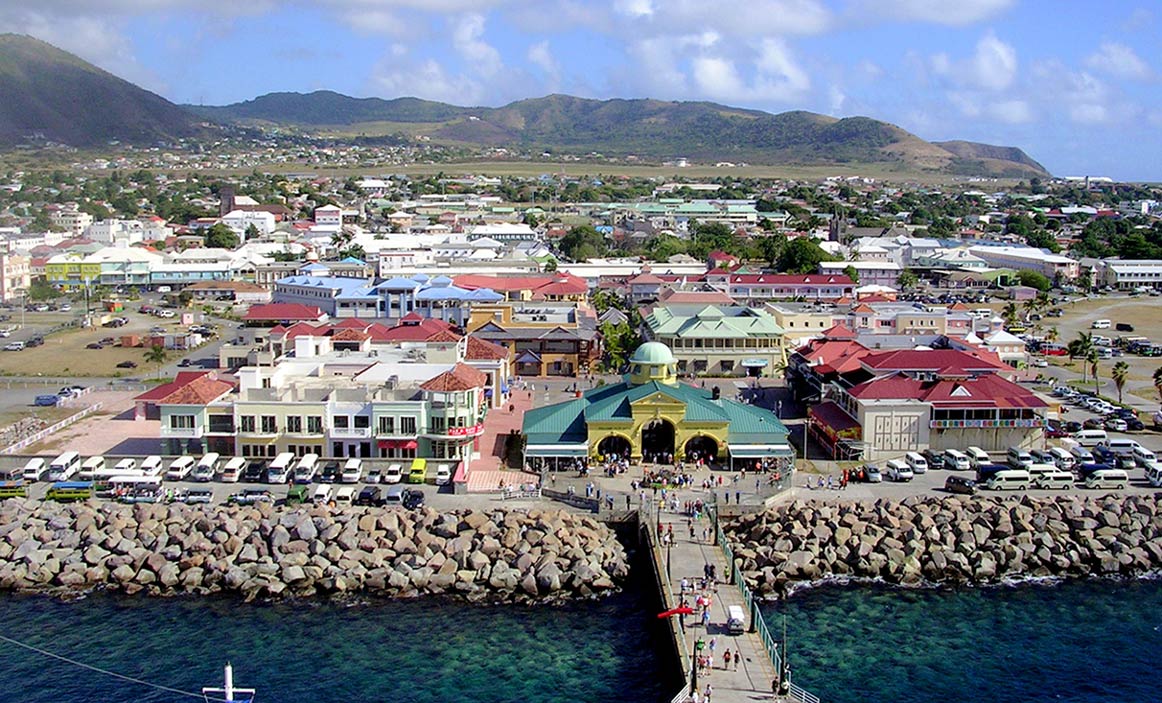
St. Kitts and Nevis is a Caribbean federation of two islands, covering 261 square kilometers (100.8 square miles). It is the smallest country in the Americas by both land area and population. The country is known for its volcanic peaks, rainforests, and historic sugar plantations that have been converted into resorts.
The economy relies on tourism, agriculture, and offshore financial services. St. Kitts and Nevis also operates a popular citizenship-by-investment program, which has become a significant source of revenue. The two islands have distinct characters, with Nevis offering a quieter, more laid-back atmosphere. The country remains a favorite destination for travelers seeking tropical beauty and cultural heritage.
Related Posts




54 Comments
Join the discussion and share your thoughts