Top 10 Best Investor Discovery & Outreach Tools In The World 2026


Table of Contents
For investment professionals, corporate development teams, and startup founders in 2026, finding the right investors is no longer a matter of luck or cold emailing. The market for investor discovery and outreach tools has matured dramatically, offering specialized platforms that combine vast datasets with artificial intelligence to identify, research, and connect with potential backers. This guide ranks the top 10 best investor discovery and outreach tools in the world for 2026, based on our analysis of data coverage, usability, workflow integration, and unique features.
How We Ranked These
Our rankings weigh several factors to determine which tools best serve investor discovery and outreach. We evaluated the breadth and depth of each platform's investor database, the accuracy and frequency of data updates, and the availability of advanced filtering and search capabilities. We also considered workflow integration with CRMs and office tools, the quality of outreach features such as warm introductions or automated sequencing, and the platform's overall reputation among institutional and retail users. Pricing and accessibility were secondary factors, as premium tools naturally command higher costs for superior data.
These Are The Top 10 Best Investor Discovery & Outreach Tools In The World 2026:
1. PitchBook

PitchBook remains the undisputed leader in private market data, and for good reason. Its database covers nearly 3 million deals, 10 million companies, 156,000 funds, and 600,000 investors. This depth allows teams to benchmark performance against peers, track deal history, and research investor profiles with granular detail. In 2026, PitchBook is the gold standard for institutional investors and corporate development teams because no other tool matches its combination of coverage breadth, data accuracy, and workflow integration with Microsoft Office tools. The platform's frequent updates ensure that fund performance, capital flows, and fundraising trends are always current. While its subscription cost is high, the return on investment for serious deal teams is undeniable.
2. Crunchbase
Crunchbase is the most widely used startup database for broad market scanning, and its accessibility has made it a household name in the venture ecosystem. With over 1 million companies and 200,000 investors profiled, plus 20,000 new companies added monthly, it offers real-time updates on funding rounds, acquisitions, and leadership changes. The free tier is useful for basic searches, but the paid Pro version unlocks advanced filters by industry, geography, funding stage, and investor type. Crunchbase excels as an initial discovery tool thanks to its user-friendly interface and integration with CRM platforms like Salesforce. It ranks second because of its massive user base and ease of use, though it lacks the deep private market analytics that PitchBook provides for institutional work.
3. CB Insights
CB Insights takes a different approach by specializing in deep sector analysis. It tracks over 30,000 private companies and 10,000 investors, but its real strength lies in its AI-driven capabilities. The platform uses machine learning to identify emerging technology trends and high-growth startups before they become mainstream. Its proprietary Mosaic score predicts company health based on market, team, and funding signals, giving venture capitalists and corporate innovation teams a qualitative edge. In 2026, CB Insights is favored for its predictive analytics and trend spotting, which are unmatched in the industry. However, its narrower focus on early-stage tech means it does not offer the same breadth as PitchBook, which is why it takes the third spot.
4. Signal by NFX
Signal by NFX solves a specific pain point for startup founders: how to get a warm introduction to investors. With over 1 million investor profiles mapped with shared network connections, the platform helps users identify investors and find introduction paths via mutual contacts, making cold outreach largely unnecessary. It covers angel investors, venture capital firms, and micro-VCs, with detailed data on investment history and portfolio fit. In 2026, Signal ranks fourth because it uniquely addresses the introduction problem, which is often the hardest part of fundraising. Its scope is limited to investor discovery rather than broader market research, but for founders actively raising capital, it is an invaluable tool.
5. AlphaSense
AlphaSense is an AI-powered search engine for financial and business research, used by 90 percent of the top investment banks. It provides access to over 10 million documents, including 1,000 broker research sources, earnings transcripts, and SEC filings. Its natural language processing allows users to query complex topics across millions of documents, with smart tagging and sentiment analysis. In 2026, AlphaSense is essential for public market research and due diligence, particularly for hedge funds and asset managers. However, it lacks the private company and investor discovery features that dedicated databases offer. It ranks fifth because its document search is superior, but it is not a primary tool for investor discovery.
6. Bloomberg Terminal
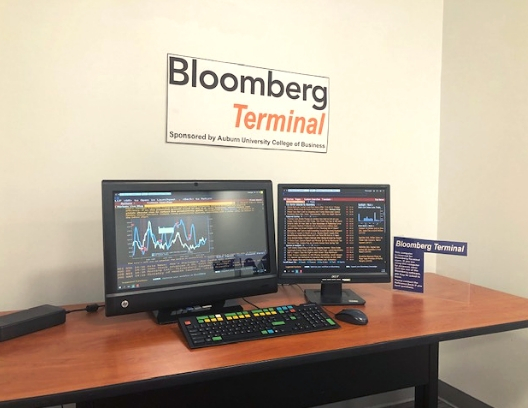
The Bloomberg Terminal is the definitive platform for public market data, with over 325,000 subscribers globally and real-time data on 60,000 securities and 10,000 news sources. It includes a vast directory of institutional investors, fund managers, and corporate executives, searchable by asset class and region. In 2026, the Terminal remains indispensable for hedge funds and asset managers who need real-time pricing, news, and execution capabilities. Its high cost of $24,000 or more per user annually and steep learning curve limit its accessibility to smaller firms. It ranks sixth because its real-time data is unmatched, but it is overkill for early-stage investor discovery and outreach.
7. Qubit Capital
Qubit Capital is a fundraising platform that directly addresses the outreach problem for early-stage startups. Its machine learning algorithm matches startups with investors using 50 data points, including industry, stage, geography, and portfolio fit, with a claimed 95 percent match accuracy rate. The platform generates relevancy scores to prioritize outreach and provides automated email sequencing for follow-ups. In 2026, Qubit Capital is a niche but effective tool that streamlines the pipeline from discovery to pitching. It ranks seventh because it fills a specific need for automated matching and outreach, though it lacks the standalone database depth of larger platforms like Crunchbase or PitchBook.
8. FactSet
FactSet is a comprehensive financial data and analytics platform that covers 100,000 companies, 2,000 data sources, and 1,000 broker estimates. It is used by investment professionals for both public and private market research, offering powerful screening tools for investors, including ownership data, fund flows, and ESG metrics. In 2026, FactSet is valued for its customization and deep integration with Excel, which makes it a favorite among quantitative analysts. Its investor database is robust, but it is secondary to the platform's primary function as a financial analytics tool. It ranks eighth because it is more focused on quantitative analysis than proactive investor discovery.
9. Morningstar

Morningstar is a leading provider of independent investment research, known for its star ratings and analyst reports on mutual funds, ETFs, and stocks. Its database covers 500,000 investment offerings, including 200,000 funds and 100,000 stocks globally, with detailed profiles of fund managers and institutional investors. In 2026, Morningstar remains a trusted source for retail and institutional investors, offering performance benchmarks and risk metrics. However, its investor discovery capabilities are incidental to its core research mission. It ranks ninth because of its strong brand and data quality, but it is not designed for proactive investor outreach or deal sourcing.
10. Visualping

Visualping is a website change detection tool that serves as a creative supplementary resource for investor discovery. It monitors 1,000 investor-related websites and databases for changes, sending real-time alerts via email or Slack when updates occur. Users can track VC firm portfolio changes, new funding announcements, or executive team updates on any public webpage. In 2026, Visualping fills a niche for real-time intelligence, but it requires manual setup and lacks a dedicated investor database. It ranks tenth because it is not a standalone discovery platform, but it can be a useful addition to a broader toolkit for staying informed on investor activity.
The best investor discovery and outreach tools in the world for 2026 cater to different needs, from the comprehensive private market data of PitchBook to the network mapping of Signal by NFX and the AI-driven matching of Qubit Capital. For institutional teams, PitchBook and Bloomberg Terminal remain essential. For startup founders, Signal and Qubit Capital offer targeted solutions for warm introductions and automated outreach. Crunchbase and CB Insights provide accessible entry points for broad market scanning and trend analysis. Choosing the right tool depends on your specific goals, budget, and stage of fundraising. We recommend evaluating your primary use case whether it is data depth, outreach automation, or real-time monitoring and selecting the platform that best aligns with your workflow.
Related Posts




0 Comments
Join the discussion and share your thoughts
No Comments Yet
Be the first to share your thoughts on this article!