Top 5 Biggest Fish Species In The World 2026: Unveiling Ocean Giants


Table of Contents
The world's oceans harbor an astonishing array of life, from microscopic plankton to colossal marine vertebrates. Among these, certain fish species stand out for their sheer size. Our publication has compiled a definitive list of the Top 5 Biggest Fish Species In The World 2026, based on the most recent verifiable data concerning maximum recorded mass and length. This ranking takes into account established measurements from marine biology surveys and documented observations, focusing exclusively on extant fish species-both cartilaginous and bony-and deliberately excludes marine mammals, which, while large, are not classified as fish.
To determine these rankings, we meticulously reviewed data primarily from 2022 through 2024, drawing upon sources such as Worldatlas.com, Nubiapage.com, Nausicaa.fr, Oceanservice.noaa.gov, and en.wikipedia.org. Our analysis prioritized confirmed maximum dimensions, recognizing that individual specimens can vary significantly. The criteria for inclusion hinge on the largest recorded weight and length for each species, providing a clear hierarchy of these underwater giants. This approach ensures our list reflects the most authoritative understanding of these remarkable creatures as of early 2026, offering insight into their dimensions and ecological significance.
The Top 5 Biggest Fish Species In The World 2026:
1. Whale Shark (Rhincodon typus)
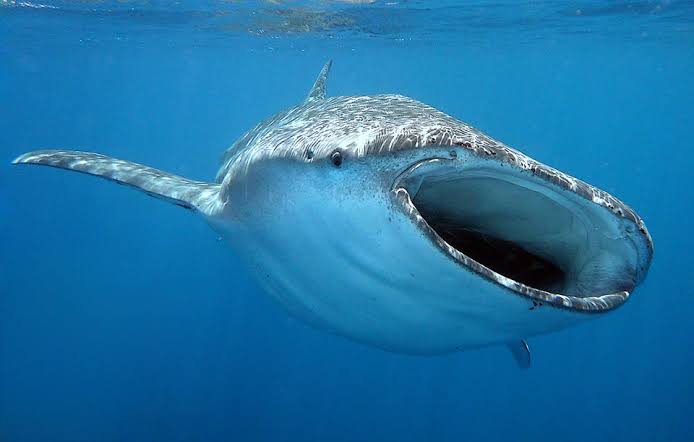
The whale shark stands as the undisputed monarch of the ocean's fish, consistently ranking as the largest fish species globally. Documented data from 2022 indicates these magnificent creatures can reach an astounding mass of up to 21.5 tons (43,000 lbs) and extend to lengths of 12.65 meters (41.5 feet). Beyond its status as the world's largest fish, the whale shark is also recognized as the largest living non-mammalian vertebrate species, a testament to its immense scale.
These gentle giants are filter feeders, navigating the open waters of warm tropical oceans. Their diet consists primarily of plankton, small fish, and squid, which they consume by filtering vast quantities of water through their meter-wide mouths. Despite their colossal dimensions, whale sharks are known for their docile nature, posing little threat to humans. They are a significant attraction for marine enthusiasts and divers in regions like the Philippines and Mexico. According to the IUCN, the species is currently designated as endangered, highlighting pressing conservation concerns for their long-term survival. Whale sharks are also noted for their longevity, with individuals known to live between 70 and 100 years.
2. Basking Shark (Cetorhinus maximus)
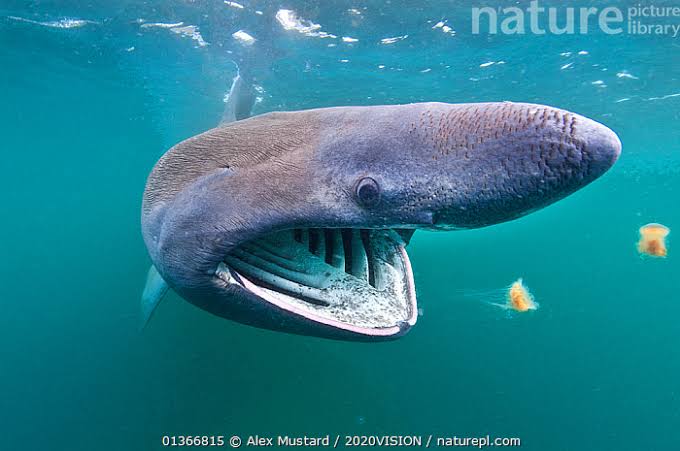
Securing its position as the second-largest fish on the planet, the basking shark closely follows the whale shark in terms of sheer size. Based on 2022 data, specimens have been recorded with a mass of up to 19 tons (38,000 lbs) and lengths reaching 12.27 meters (40.3 feet). This makes the basking shark a truly impressive marine creature, almost rivaling its larger counterpart.
Like the whale shark, the basking shark is one of the world's three plankton-eating sharks, found predominantly in warm temperate oceans across the globe. Its name is derived from its characteristic behavior of feeding near the surface, where it appears to "bask" in the water. While often observed as solitary animals, there have been documented instances of small groups. A notable specimen examined in 1851 measured 12.3 meters and weighed 16 tonnes, underscoring the species' potential for massive growth. The basking shark plays an important role in marine ecosystems as a filter feeder, contributing to the balance of plankton populations.
3. Great White Shark (Carcharodon carcharias)

The Great White Shark, commonly known as the white shark, ranks as the third largest fish species by maximum known mass, solidifying its reputation as the largest known predatory fish in the world. Our 2022 data indicates these formidable predators can weigh up to 3.324 tons (6,648 lbs) and reach lengths of 7 meters (23 feet). Their powerful physique enables them to achieve speeds of up to 16 miles per hour and dive to depths exceeding 3,300 feet, showcasing their incredible adaptability across different ocean strata.
With a lifespan that can extend up to 70 years, Great White Sharks exhibit slow maturation, with females typically not giving birth until they are around 33 years old. This slow reproductive rate makes the species particularly vulnerable to population pressures. These apex predators are infamous for their predatory nature, preying on marine mammals such as seals and sea lions, as well as various fish species. Their presence is a critical component of marine food webs, influencing the health and behavior of other oceanic populations.
4. Tiger Shark (Galeocerdo cuvier)
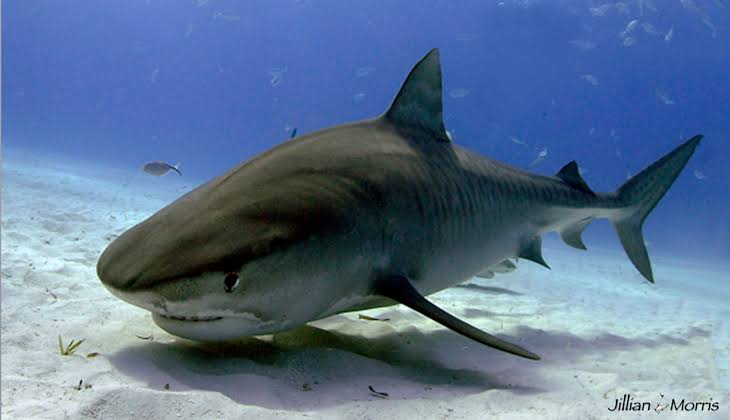
The Tiger Shark secures its place as the fourth largest fish species globally, based on its maximum recorded mass and impressive length. Data from 2022 shows these sharks can reach a mass of up to 3.11 tons (6,220 lbs) and lengths of 7.4 meters (24.3 feet). While slightly less massive than the Great White, the Tiger Shark can often exceed it in overall length, establishing it as one of the largest predatory sharks worldwide.
Known for the distinctive dark stripes visible on younger individuals-which fade with age-this species is a formidable and opportunistic hunter. Tiger sharks inhabit tropical and temperate waters across the globe, including significant populations around the Central Pacific islands. They are solitary creatures for much of their lives, playing a critical role as apex predators in their marine environments. Their broad diet, which includes fish, seals, birds, and even sea turtles, highlights their adaptability and impact on various marine populations. Conservation efforts are ongoing to address concerns about their population status.
5. Giant Oceanic Manta Ray (Mobula birostris)
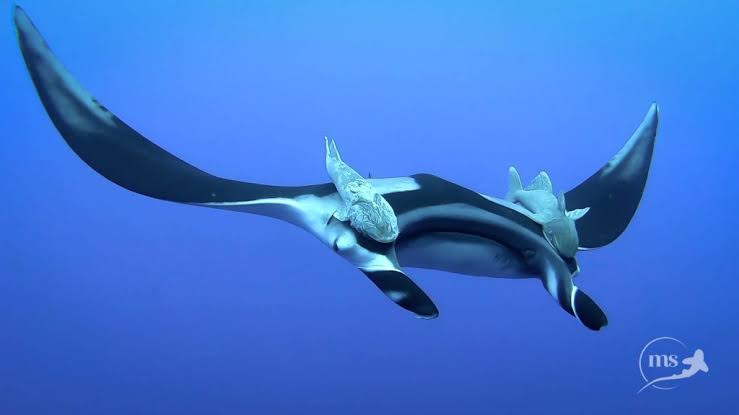
Rounding out our list of the biggest fish species is the Giant Oceanic Manta Ray, which holds the distinction of being the largest ray species. According to 2022 data, these elegant creatures can achieve a maximum recorded mass of 3.0 tons (6,000 lbs) and boast a remarkable wingspan of up to 7 meters (23 feet). Their expansive, disc-shaped bodies and smooth skin contribute to their distinctive appearance as they glide through the water.
Found in tropical and subtropical oceans worldwide, Giant Oceanic Manta Rays are filter feeders, primarily consuming plankton. They can be observed swimming alone or in groups, often engaging in complex social interactions with other marine species. Historically, scientists misclassified this species until 2017, leading to a clearer understanding of its unique characteristics. Despite their immense size, human activities such as targeted fishing and bycatch have led to a decline in their populations, raising significant conservation concerns for this iconic species. Their range extends broadly, with sightings reported as far north as New Jersey and as far south as South Africa.
Related Posts




8 Comments
Join the discussion and share your thoughts