Top 10 Best 5G Network Technologies In South Korean 2026

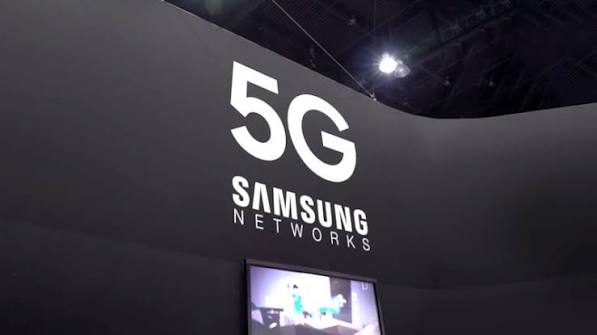
Table of Contents
South Korea has held a front-row seat in the 5G era since April 2019, when SK Telecom flipped the switch on the world's first commercial 5G network. Seven years later, the country's 5G stack has matured into something far more sophisticated than faster phones. The best 5G network technologies in South Korea now span standalone cores, dense mid-band spectrum, mmWave hotspots, network slicing, and edge computing, all layered together across three operators and a deep domestic vendor base.
Our ranking blends live network performance data from Opensignal and Speedtest reports covering late 2025 and early 2026 with the underlying infrastructure and spectrum assets that make those numbers possible. The result is a picture of a market where measured speed, deployment scale, and technological capability all point in the same direction: Korea remains one of the most advanced 5G environments on earth.
How We Ranked These
We weighed three factors: measured 5G performance from independent benchmarking firms (Opensignal, Speedtest by Ookla), the scale and depth of deployment across the three carriers, and the technological maturity of each layer of the stack. Operator rankings reflect aggregate speed, coverage, and availability scores. Technology entries reflect how foundational each element is to Korea's overall 5G performance. Spectrum and vendor entries were judged on deployment footprint and enabling role. No single metric decided any position.
Here Are The Top 10 Best 5G Network Technologies in South Korea 2026:
1. SK Telecom (SKT) - 5G Standalone Core Network
SK Telecom is the anchor of Korean 5G and has been since its April 2019 launch, the first commercial 5G service anywhere in the world. The operator holds roughly 50% or more of the domestic mobile market and the largest 5G subscriber base in the country.
What separates SKT in 2026 is the depth of its standalone core. The carrier runs a nationwide 5G SA core with network slicing, multi-access edge computing, and AI-based radio access network optimization through its AI-RAN and Telco Edge AI programs. Its 3.5 GHz deployment is the densest in Korea, which is the main reason SKT keeps topping Opensignal and Speedtest 5G download speed charts among Korean operators.
Spectrum holdings reinforce the lead. SKT controls a substantial share of the country's 3.5 GHz mid-band allocation, and its site density in Seoul and other metros means fewer dropped transitions between 5G and LTE. For raw aggregate performance across speed and coverage, no Korean operator matches it.
2. KT - 5G Network with Wired-Wireless Convergence
KT approaches 5G from a position of unusual strength: it owns Korea's most extensive fixed-line infrastructure. That fiber footprint backhauls 5G small cells and underpins the company's GiGA converged services, giving KT a reliability edge that shows up in latency and consistency measurements even where raw download speed trails SKT.
Market share sits around 30%. KT pioneered 5G network slicing for enterprise customers and has invested heavily in 28 GHz mmWave trials and 5G MEC deployments for smart factories. In some reliability and latency categories, independent testing places KT ahead of its larger rival.
The convergence story matters commercially. Korean enterprises buying private 5G or edge compute often want the wired and wireless pieces from one vendor, and KT is the only operator that can credibly deliver both at national scale.
3. LG U+ - 5G Availability Leader
LG U+ wins on a metric the other two carriers would love to own. According to Statista data from December 2025, LG U+ users spend more than 40% of their time connected to 5G, the highest availability figure in South Korea and ahead of both SK Telecom and KT.
The company got there through aggressive deployment of 3.5 GHz and 28 GHz sites, with particular attention to indoor coverage and Seoul's subway system, where 5G connectivity has historically been patchy for rivals. LG U+ also leads Opensignal's fixed broadband awards, and that strong fiber backhaul directly supports its 5G performance.
Peak speeds run slightly below SKT and KT. For a user who cares about staying on 5G rather than touching the fastest possible burst, the trade-off favors LG U+.
4. Samsung Electronics - 5G RAN and Core Equipment
Every one of Korea's three carriers runs Samsung gear somewhere in its 5G network. Samsung Networks ranks among the top three global 5G RAN vendors alongside Huawei, Ericsson, and Nokia, and it supplies 3.5 GHz massive MIMO radios, 28 GHz mmWave equipment, and virtualized 5G core technology to SKT, KT, and LG U+.
The domestic handset side compounds the influence. Samsung's Galaxy S and A series dominate Korean 5G device share, meaning the company touches both ends of the 5G experience: the radio that carries the signal and the phone that receives it.
Samsung's end-to-end portfolio, from vRAN software to core network functions, makes it the single most important technology enabler in the Korean market. When Korean carriers claim global 5G leadership, a meaningful share of the underlying hardware is Samsung's.
5. 3.5 GHz Mid-Band (n78) Spectrum Deployment
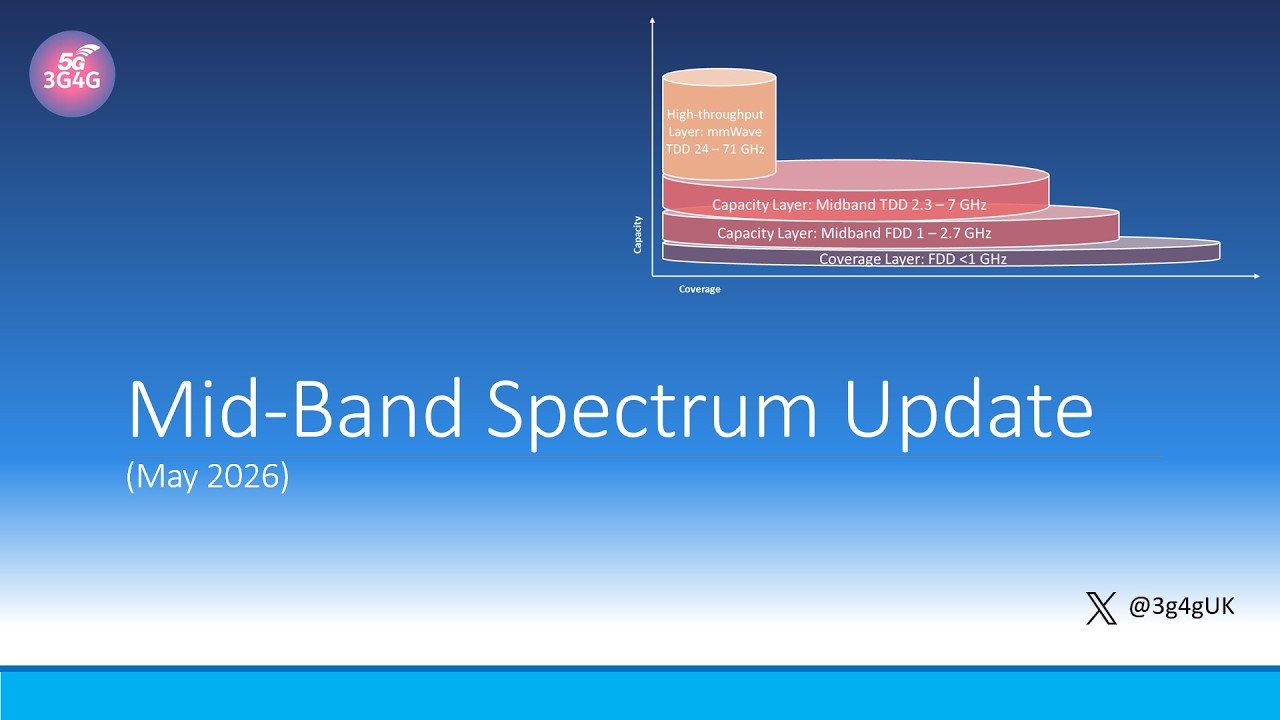
If Korean 5G has a workhorse, it is the 3.5 GHz band. Roughly 280 MHz of n78 spectrum is allocated across the three carriers as of 2025, and it carries the bulk of both coverage and capacity nationwide.
Korea auctioned and deployed 3.5 GHz at scale in 2018 and 2019, among the first countries to do so. Massive MIMO antennas on this band deliver multi-gigabit peak speeds and are the primary reason Korean networks rank near the top of global 5G download tables. The band balances propagation characteristics and throughput in a way that mmWave cannot match.
No other spectrum asset contributes more to Korea's standing in international 5G benchmarks. When Opensignal or Speedtest publish Korean speed figures, 3.5 GHz is doing most of the work.
6. 28 GHz mmWave (n257) Deployment
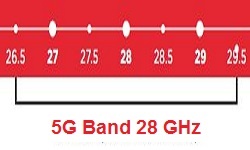
Korea assigned 2,400 MHz of 28 GHz spectrum to its carriers, the largest contiguous mmWave blocks allocated anywhere in the world. The band delivers extreme peak throughput, but physics limits its range, so Korean operators deploy it surgically: stadiums, smart factories, enterprise campuses, and fixed wireless access.
Baseball and football venues in Seoul and other cities use mmWave to handle dense crowds that would overwhelm mid-band capacity. Industrial sites use it for high-bandwidth, short-range applications where the propagation limits do not matter.
Coverage footprint remains small relative to 3.5 GHz, which is why this ranks below the mid-band entry. As a capacity frontier and a showcase for what 5G can do at its theoretical limits, though, 28 GHz earns its place on this list.
7. 5G Network Slicing for Enterprise (B2B)
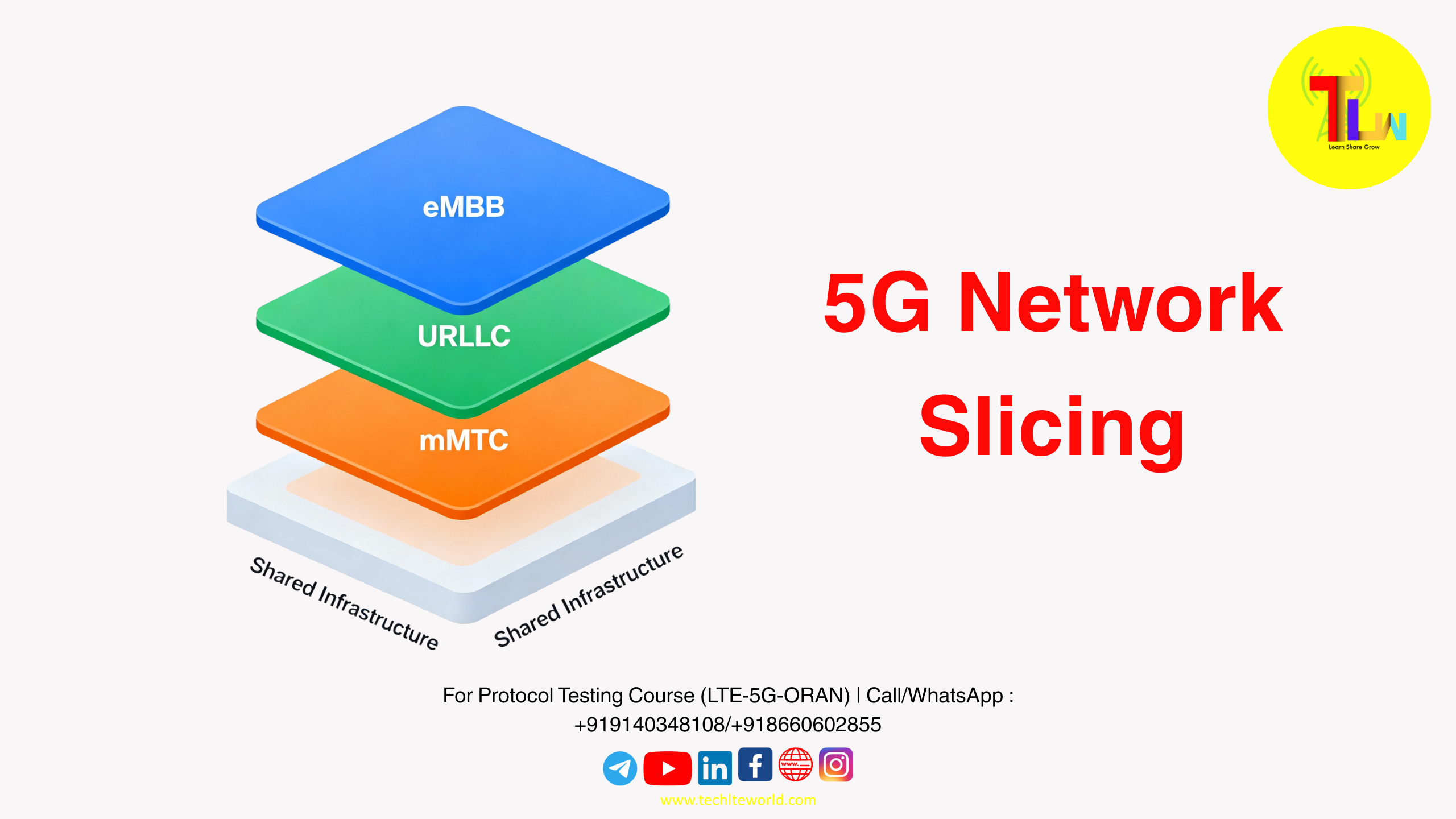
Network slicing lets an operator carve a single physical 5G network into dedicated virtual networks with guaranteed latency and bandwidth. SK Telecom and KT both run commercial slicing deployments as of 2025 and 2026, serving smart factories, autonomous vehicle testing, and public safety applications.
Government policy has pushed the technology forward. South Korea's Ministry of Science and ICT designated smart factories, autonomous vehicles, smart cities, digital healthcare, and realistic content as five core 5G services, and slicing is the mechanism that makes guaranteed service levels possible for each.
This is an area where Korea leads globally rather than merely keeping pace. Commercial scale is still building, which holds the entry at number seven, but the enterprise differentiation is real.
8. 5G Multi-Access Edge Computing (MEC)
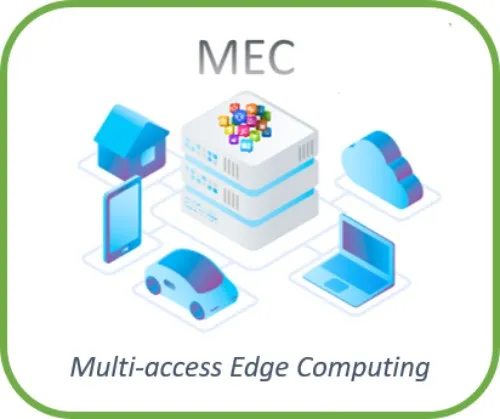
MEC moves compute power to the edge of the network, cutting latency to single-digit milliseconds for applications that cannot tolerate a round trip to a distant data center. All three Korean carriers have deployed edge nodes in major cities including Seoul and Busan, often in partnership with global hyperscalers.
The use cases line up with Korea's industrial base: AR and VR, autonomous driving, cloud gaming, and factory automation. Edge computing is central to the country's 5G-plus-AI convergence strategy, where low latency and on-site processing matter more than raw bandwidth.
Deployment is broad but still maturing. Not every metro has the same edge capacity, and commercial models for enterprise MEC are still being refined.
9. 5G-Advanced (3GPP Release 18) Upgrades

5G-Advanced, built on 3GPP Release 18 and beyond, brings AI-native RAN, enhanced uplink, reduced-capability RedCap devices for IoT, and better energy efficiency. Korean carriers began rolling out these features in 2025 and 2026, with SKT and KT moving earliest.
RedCap deserves particular attention. It opens a cheaper device category for wearables, industrial sensors, and smart meters, expanding 5G beyond phones into the mass IoT market that LTE previously owned.
The technology sits at number nine because commercial rollout is still early. Korea is positioning itself as a first-wave 5G-Advanced market, but the features are forward-looking rather than fully deployed across the networks.
10. 5G Fixed Wireless Access and Private 5G Networks
Private 5G, licensed to enterprises under Korea's e-UM5G framework, is spreading through factories, ports, and hospitals. Companies get dedicated on-premise networks they control, independent of public carrier traffic.
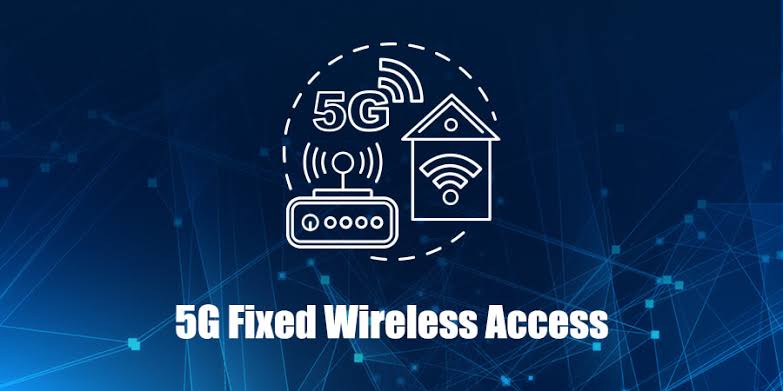
Fixed wireless access rounds out the picture. All three carriers offer FWA using 5G spectrum, giving homes and businesses a broadband option without a fiber drop. In areas where fixed-line buildout is uneconomical, FWA fills a genuine gap.
This segment is growing fast but remains smaller and more specialized than the consumer network technologies above it. Its importance lies in extending 5G beyond the phone into industry and fixed broadband, which is where much of the next phase of Korean 5G growth will come from.
The Outlook for Korean 5G
South Korea's 5G position in 2026 rests on layers built over seven years: a standalone core at SK Telecom, converged infrastructure at KT, availability leadership at LG U+, Samsung equipment underneath all three, and a spectrum portfolio spanning 3.5 GHz mid-band and 28 GHz mmWave. The next phase shifts from coverage to capability, with network slicing, edge computing, 5G-Advanced features, and private networks carrying the growth.
For enterprises evaluating Korean 5G partnerships, the message is straightforward. The consumer network is mature and fast. The industrial layer, from slicing to private spectrum, is where the country's 5G leadership is being extended next.
Related Posts
What Sets the Best Gaming Platforms Apart From the Rest?
A look at the design, mobile access, transparency, and promotions that separate great betting and casino platforms from average ones.

Flamengo's Libertadores Return Raises New Football Betting Questions
Flamengo secured their 2027 Copa Libertadores spot with a 3-2 win, and their past home, away and knockout results offer context for goal totals, BTTS and qualification betting markets.
Madrid's VAR Drama Raises Questions for Mobile Bettors
Two VAR calls in Real Madrid's 1-0 win over Villarreal show why live mobile bettors must verify markets, odds and bet slips before and after a review.

Five Tools for Tracking Live Betting Odds on Mobile
A practical guide to five smartphone tools for following live betting odds, comparing market prices, checking match stats and logging price changes.
0 Comments
Join the discussion and share your thoughts
No Comments Yet
Be the first to share your thoughts on this article!