Top 10 Best AI Agent Platforms In The World 2026

Table of Contents
The top 10 best AI agent platforms in the world 2026 reflect a market that has shifted from experimental tools to production systems used across coding, customer service, and enterprise workflows. To build this ranking, we evaluated platforms on technical capability and model integration, enterprise readiness and security, ecosystem size, real-world deployments, pricing accessibility, and innovation in agent architecture. We weighed feedback from enterprise users, developer activity, and independent assessments to identify leaders that solve practical challenges like multi-agent coordination and governance.
Our analysis shows that no single platform dominates every use case. The list spans autonomous coding systems, productivity integrations, open-source frameworks, and specialized tools for regulated industries. Each entry earned its position through a combination of adoption metrics, feature depth, and validation from major organizations.
The Top 10 Best AI Agent Platforms In The World 2026:
1. OpenAI Codex
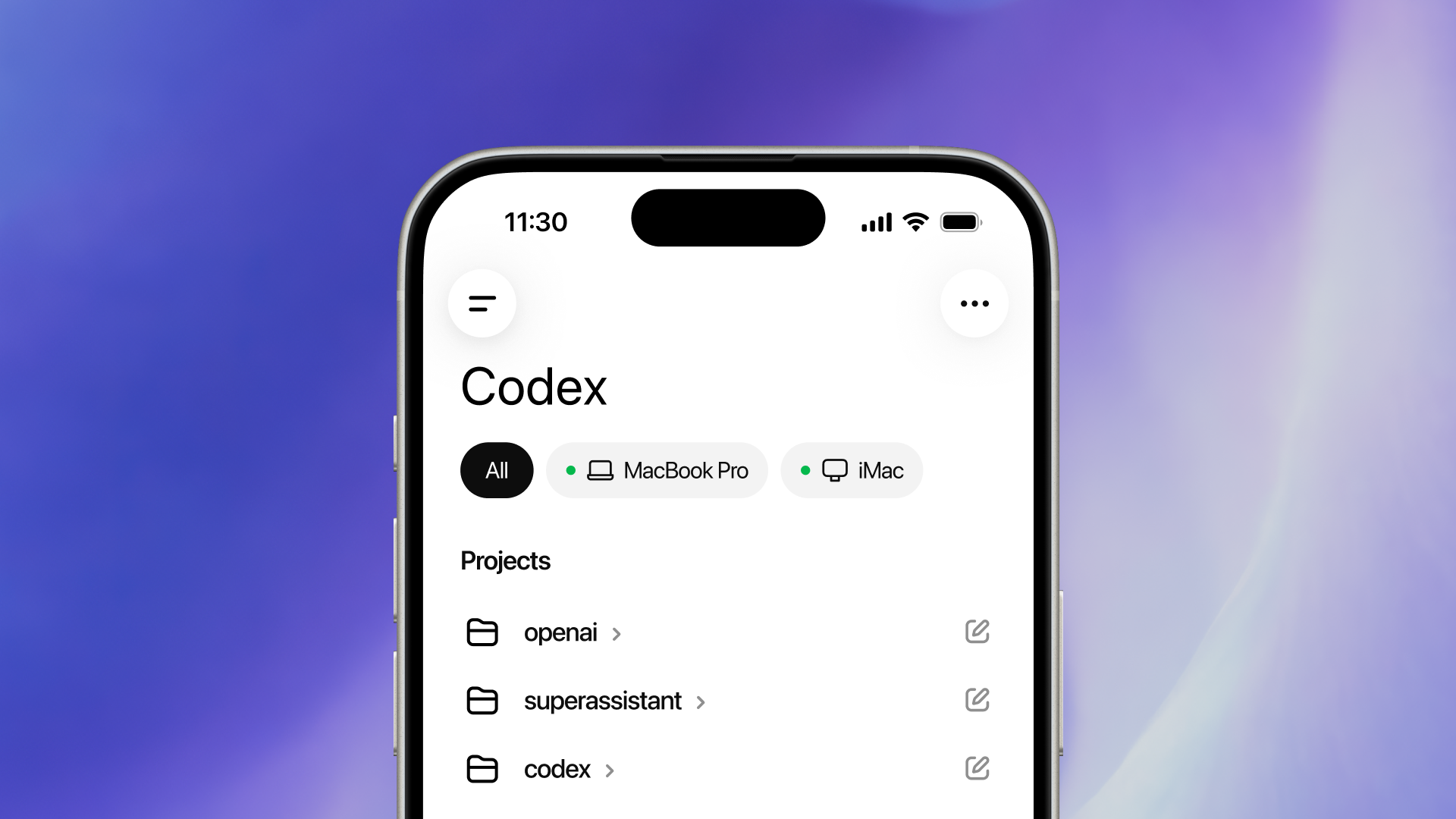
OpenAI Codex leads the ranking with its comprehensive coverage of autonomous coding tasks. The platform includes the Codex application, cloud delegation services, an open-source CLI, IDE extensions, and connections to ChatGPT workflows. GPT-5.5 powers the system and enables high code quality alongside multi-agent execution and background processing.
Codex agents plan, code, test, and deploy within a sandboxed environment without an IDE. Goldman Sachs, Santander, and Nubank have deployed the platform in production, where agents have merged hundreds of thousands of pull requests. Cognition, the company behind Codex after its combination with Windsurf, holds a $10.2 billion valuation and generates roughly $150 million in annual recurring revenue.
2. Microsoft Copilot Studio

Microsoft Copilot Studio ranks second because it embeds agent capabilities inside tools already used by hundreds of millions of knowledge workers. Enterprises can build custom agents that operate across Teams, Outlook, SharePoint, Dynamics 365, and Azure. The April 2026 Wave 1 release added custom MCP servers now in general availability, with computer-use agents scheduled for general availability in May and support for unattended execution through end-user credentials.
Pricing ranges from $21 to $30 per user per month. The platform also connects with AutoGen and Semantic Kernel for developers who need custom multi-agent applications. Organizations invested in the Microsoft ecosystem gain immediate access to automation within familiar interfaces.
3. LangChain & LangGraph
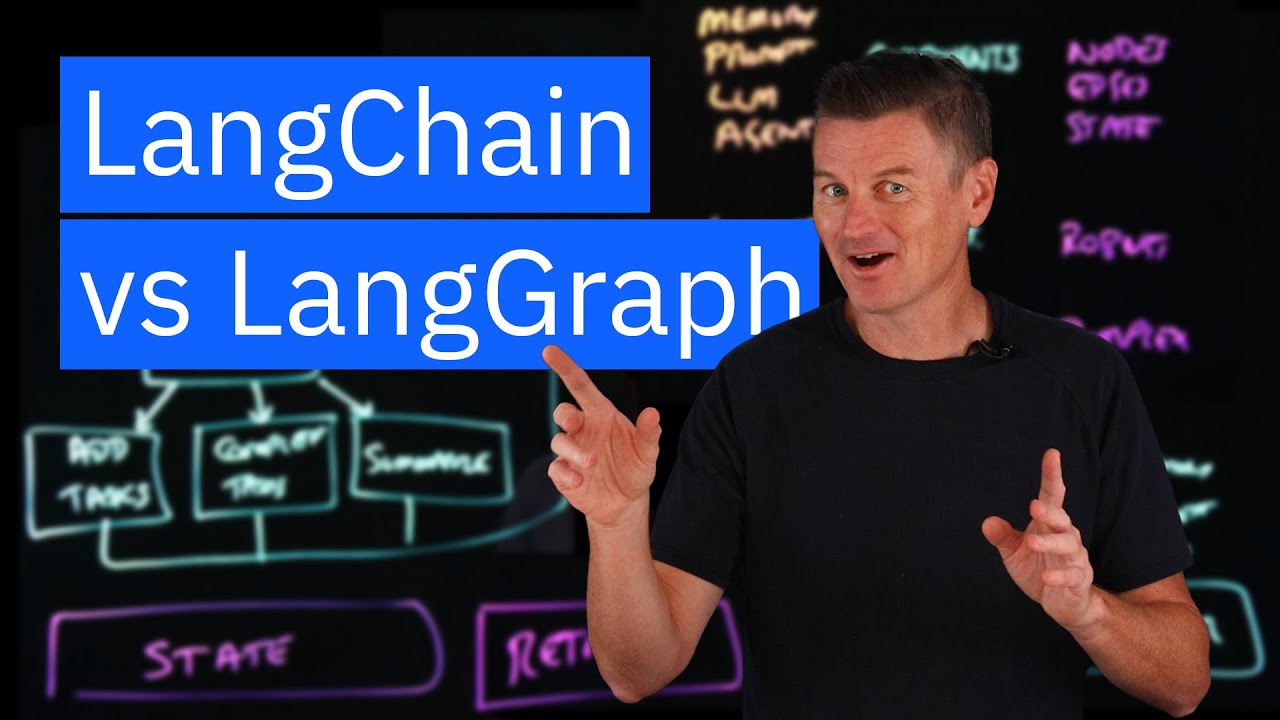
LangChain combined with LangGraph provides the most widely adopted open-source framework for custom agent development. Engineering teams use it to control agent behavior, memory, and tool usage through state graphs that model precise decision flows. The framework supports more than 30 model providers and offers the largest community of any AI agent framework, along with thousands of pre-built components.
Many production deployments rely on LangChain as their foundation, including autonomous coding agents and custom sales agents. The approach demands strong technical expertise, which limits accessibility for non-engineering teams but delivers unmatched flexibility for those who have the required resources.
4. CrewAI
CrewAI focuses on role-based agents that collaborate in coordinated teams. Developers can build both simple automations and complex multi-agent systems through a visual interface where agents assume specialized roles such as researcher, writer, or coordinator. The platform connects to enterprise tools including Box, HubSpot, and AWS.
Deloitte, Oracle, and KPMG have adopted CrewAI for production use. Developer pricing starts at $99 per month, though enterprise plans require direct sales engagement. The platform pioneered the agent team paradigm and maintains the strongest validation among dedicated multi-agent offerings.
5. Sema4.ai
Sema4.ai targets enterprise users and independent software vendors with a horizontal platform for building, running, and managing SAFE agents defined as Secure, Accurate, Fast, and Extensible. The Studio interface with Sai and Runbooks supports natural language agent creation, while Actions and an SDK provide integration options with upcoming MCP support.
Control Room and VPC deployment options address governance requirements for regulated industries. The platform's Document Intelligence capabilities handle complex unstructured data such as contracts and invoices with high accuracy. These features give Sema4.ai the strongest security and compliance profile among dedicated agent platforms.
6. Vybe
Vybe introduces a distinct model where agents build the tools they need rather than relying solely on predefined workflows. Agents create applications, operate them, and maintain them autonomously while handling scheduled tasks and event responses without constant human oversight. A free tier lowers the barrier for initial testing.
Teams at UpKeep and Probo have deployed Vybe in production environments. The agents-plus-apps approach addresses a core limitation of other platforms by allowing agents to adapt their own tooling when requirements change, though the platform remains newer with a smaller integration ecosystem.
7. IBM watsonx.ai
IBM watsonx.ai serves organizations that require strict governance and compliance for sensitive data. The platform supports training and deployment across cloud or on-premise environments with built-in security controls and audit capabilities. Regulated sectors such as banking, healthcare, and government rely on these features for data sovereignty and model governance.
watsonx.ai integrates with existing data infrastructure but requires technical expertise in model training and preparation. Pricing follows a custom enterprise model that involves direct consultation. The platform delivers the most robust compliance framework on the list.
8. n8n
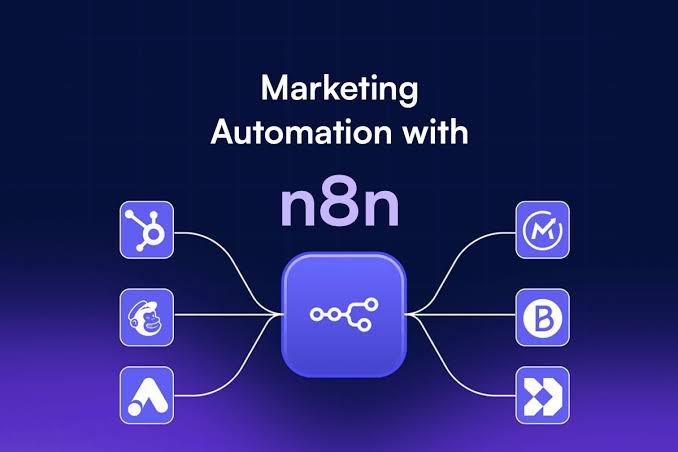
n8n evolved from a workflow automation tool into a platform with AI agent capabilities and more than 400 native integrations. Users can build AI-powered workflows through a visual drag-and-drop editor that includes JavaScript and Python nodes for custom logic. The self-hosted version is free and open source, with cloud plans beginning at $24 per month.
Review scores stand at 4.8 out of 5 on G2 from more than 195 reviews and 4.6 out of 5 on Capterra. The platform suits organizations that prioritize data control and self-hosting, though its automation-first design means the agent experience is less specialized than platforms built exclusively for AI agents.
9. Sierra

Sierra concentrates on conversational AI agents for consumer brands in customer service settings. The platform creates human-like, brand-aligned agents that handle inquiries and execute actions within CRM and order management systems while preserving specific brand voice and personality.
Agents manage tasks such as order status checks, returns, and product questions before escalating to human representatives when needed. Sierra leads in brand-consistent customer interactions but remains narrower in scope than horizontal platforms that address broader workflow automation.
10. Voiceflow
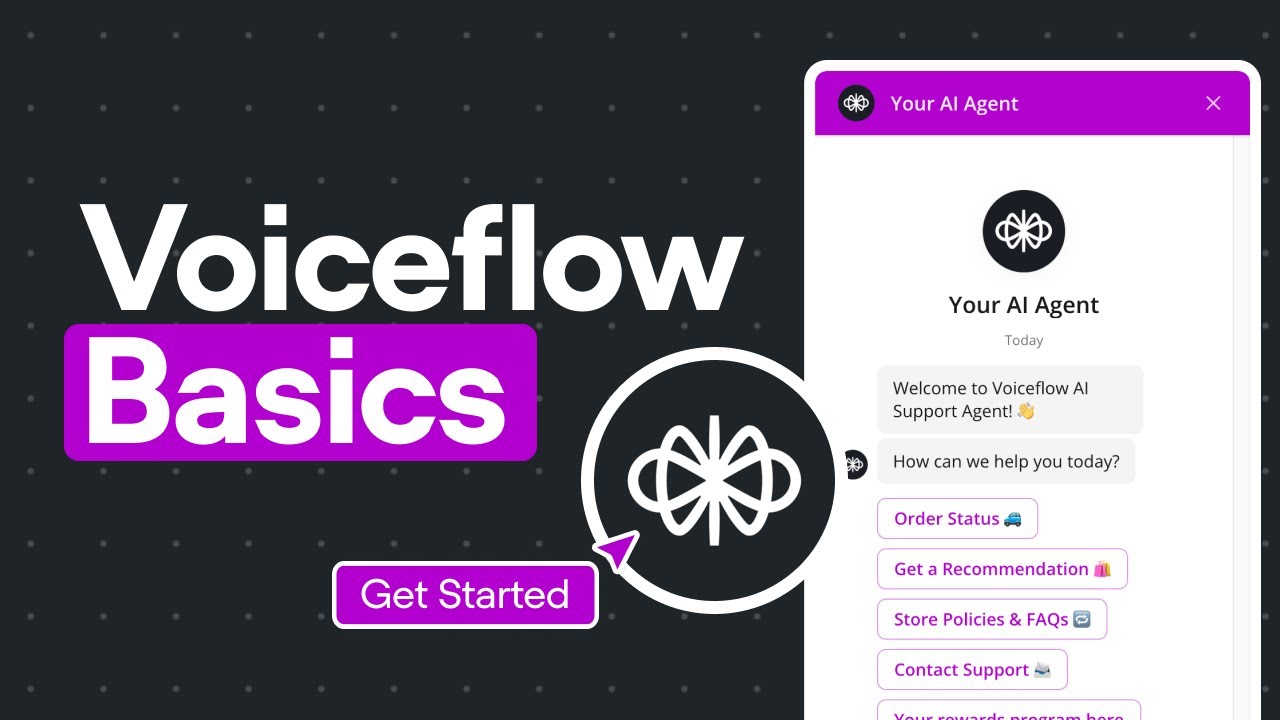
Voiceflow provides a collaborative low-code environment for designing voice and chat agents across multiple channels. Teams can prototype and deploy agents through a visual interface while developers add custom integrations when required. The platform supports joint work among designers, product managers, and developers on conversation flows.
Non-technical stakeholders can participate directly in agent design without writing code. Voiceflow excels at customer-facing conversational experiences yet offers limited support for autonomous task execution or complex backend processes compared with other entries on the list.
The best AI agent platforms in the world 2026 demonstrate that success depends on matching specific organizational needs to platform strengths. Autonomous coding teams continue to favor OpenAI Codex, while Microsoft-heavy environments find Copilot Studio the most seamless fit. Development teams seeking maximum control start with LangChain and LangGraph, and regulated industries turn to IBM watsonx.ai or Sema4.ai for governance features.
Multi-agent orchestration benefits from CrewAI, while Vybe appeals to organizations that want agents capable of building their own tools. n8n serves teams that require self-hosting, Sierra supports brand-focused customer service, and Voiceflow aids collaborative design of conversational agents. The market continues to evolve, and organizations that align their choice with actual requirements will gain the clearest operational advantage.
Related Posts


0 Comments
Join the discussion and share your thoughts
No Comments Yet
Be the first to share your thoughts on this article!