Top 10 Poorest Countries In The World 2026

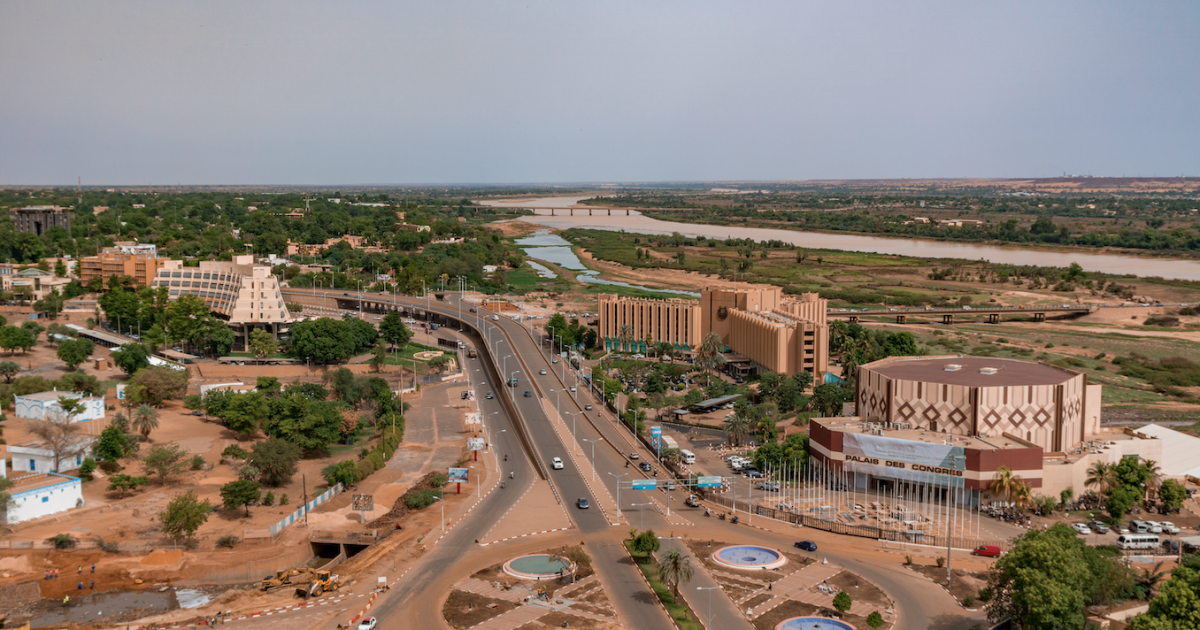
Table of Contents
In our latest analysis of global economic conditions, we turn our focus to the top 10 poorest countries in the world as of 2026. This update, grounded in recent data from authoritative sources like the International Monetary Fund (IMF) and the World Bank, sheds light on nations grappling with severe poverty, conflict, and systemic challenges. Our ranking offers a detailed look at the economic struggles these countries face, measured primarily by GDP per capita for 2025 estimates, alongside other critical indicators. From war-torn regions to climate-vulnerable economies, we explore the factors keeping these nations at the bottom of global wealth indices.
How We Ranked These
Our ranking of the top 10 poorest countries in the world for 2026 is based on a clear set of criteria to ensure accuracy and relevance. We prioritized GDP per capita estimates for 2025 from the IMF and World Bank as the primary metric, reflecting a country's economic output per person. Additional factors included poverty rates (percentage of population below $2.15 per day), access to basic services like electricity, and the impact of conflict or natural disasters as reported by organizations like the United Nations and UNICEF. We also considered structural issues such as political instability and resource dependency to contextualize economic hardship. This approach provides a balanced view of systemic poverty.
These Are The Top 10 Poorest Countries In The World 2026:
1. South Sudan
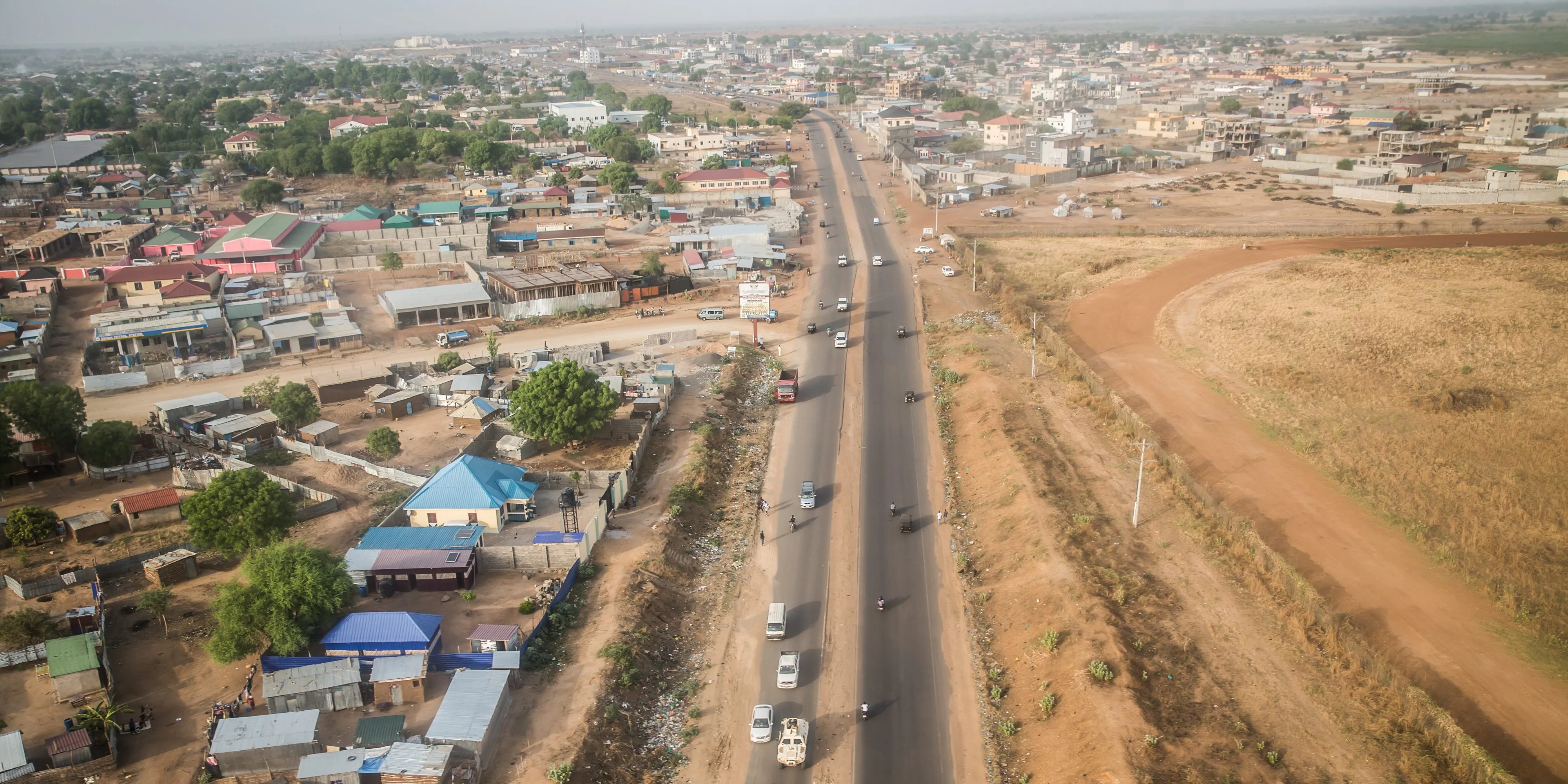
South Sudan holds the unenviable position as the world's poorest nation in our 2026 update, with a GDP per capita of just $516 as estimated for 2025 by the IMF. Since gaining independence in 2011, this landlocked country of 11 million has been mired in civil conflict, disrupting its oil-dependent economy. According to UN reports, over 80% of the population lives below the $2.15 daily poverty line, while hyperinflation rates above 100% annually erode purchasing power. Famine affected 7.7 million people in 2025, a stark indicator of food insecurity.
Agriculture, employing 80% of the workforce, is crippled by recurring floods and ongoing insecurity that prevent consistent planting and harvesting. The country's oil wealth, which accounts for nearly all export revenue, has failed to translate into broad-based prosperity due to mismanagement and war. For readers interested in humanitarian crises, our previous coverage of global aid efforts offers deeper insights into South Sudan's plight.
2. Burundi
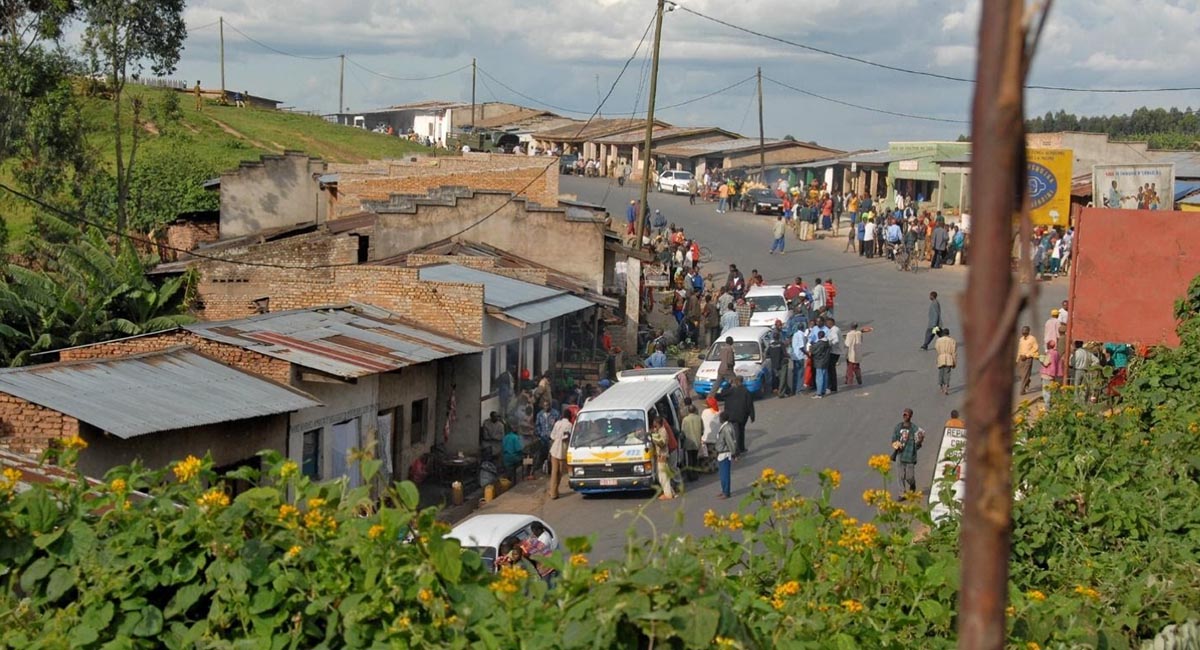
Burundi ranks second among the poorest countries, with a GDP per capita of $541 per 2025 IMF estimates. This small, landlocked East African nation, home to 13 million, faces immense challenges due to political instability following the 2015 crisis and an economy heavily reliant on coffee exports. The World Bank notes that nearly 75% of Burundians live in extreme poverty, with child malnutrition rates at a staggering 60% as of 2025.
With a population density of 500 people per square kilometer, one of the highest among poor nations, pressure on resources is intense. Subsistence farming, the backbone of the economy, remains vulnerable to climate shocks like droughts, exacerbating food scarcity. Our analysis of African agricultural trends provides more context on how such dependencies impact small economies like Burundi.
3. Central African Republic
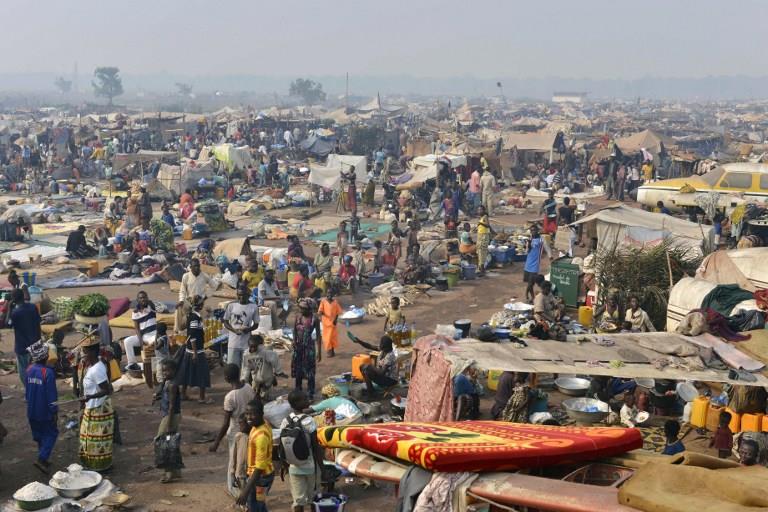
The Central African Republic (CAR) comes in at third place with a GDP per capita of $561 based on 2025 IMF data. Despite abundant natural resources like diamonds and timber, this nation of 5.5 million has been devastated by civil war since 2013. The conflict has displaced 1.5 million people and stalled key export industries, leaving 71% of the population below the $2.15 daily poverty threshold, according to 2025 UNDP figures.
Access to electricity remains limited to just 14% of citizens, underscoring severe infrastructure gaps. Rebel groups control roughly 70% of the territory, undermining governance and economic recovery. This persistent instability keeps CAR entrenched in poverty despite its resource potential, a topic we've explored in past articles on conflict economies.
4. Democratic Republic of the Congo
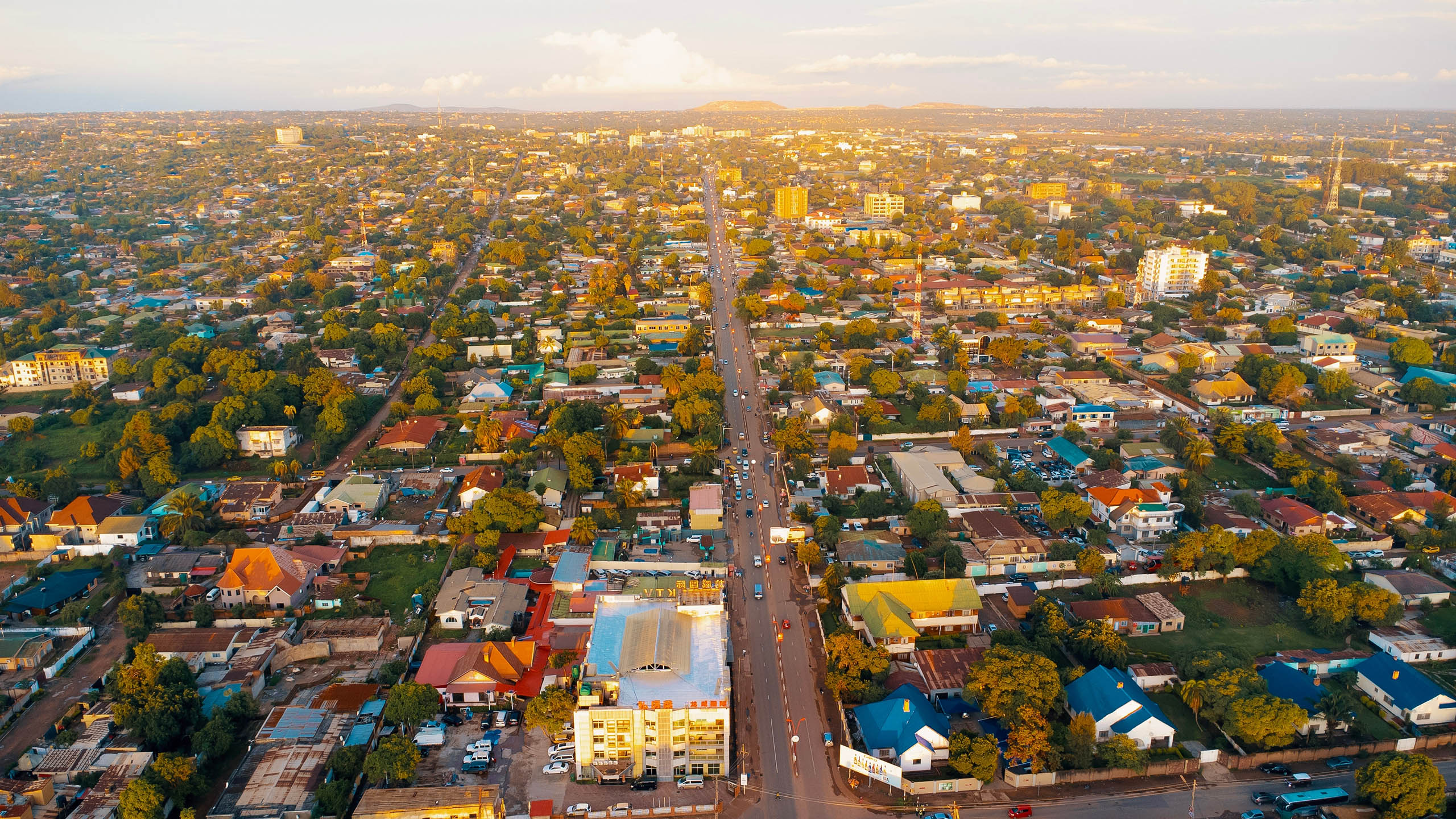
With a GDP per capita of $699 as per 2025 IMF estimates, the Democratic Republic of the Congo (DRC) ranks fourth. Spanning 2.3 million square kilometers and home to 108 million people, the DRC possesses untapped mineral wealth valued at $24 trillion, including vast reserves of cobalt and copper. Yet, 64% of its population lives in extreme poverty due to rampant corruption and conflicts in the eastern regions that have claimed 6 million lives since 1996.
Inflation reached 24% in 2025, per World Bank data, further straining households. While mining dominates exports, formal employment in the sector is minimal, with many relying on dangerous artisanal operations. We've covered the paradox of resource-rich nations in prior pieces on African economic challenges, which offer additional background on the DRC's struggles.
The scale of poverty here remains staggering despite the country's potential to drive continental growth, highlighting systemic governance failures.
5. Mozambique
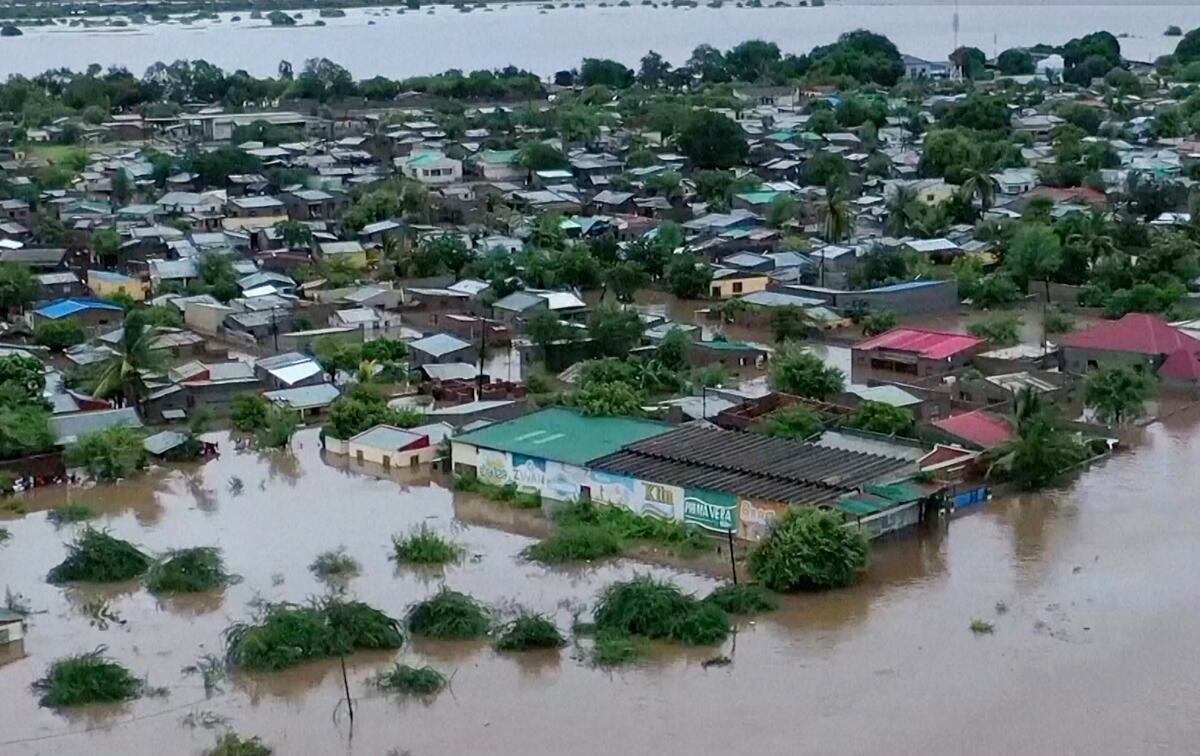
Mozambique secures the fifth spot with a GDP per capita of $732 based on 2025 IMF figures. This nation of 34 million faces a trio of challenges: frequent cyclones, an insurgency in the northern Cabo Delgado region since 2017 that has displaced 1 million, and stalled natural gas projects due to violence. UNICEF reported a 68% poverty rate in 2025, with child stunting affecting 46% of young children.
Agriculture employs 70% of the workforce but suffers from low productivity, worsened by natural disasters. While offshore gas reserves hold promise for future growth, current conditions keep Mozambique among the world's poorest. Our reports on climate impacts in Africa provide a broader perspective on how environmental factors compound economic hardship here.
6. Niger
Niger ranks sixth with a GDP per capita of $738 as estimated by the World Bank for 2025. This Sahel nation of 28 million contends with jihadist insurgencies, a 2023 military coup, and an economy tied to uranium exports amid advancing desertification. A staggering 75% of the population lives below $2.15 per day, and the UN notes a fertility rate of 6.7 births per woman in 2025, the highest globally, straining resources further.
Only 19% of Nigeriens have access to electricity, reflecting deep infrastructure deficits. The combination of rapid population growth and security threats places immense pressure on this landlocked country, a recurring theme in our coverage of Sahel region challenges.
7. Malawi
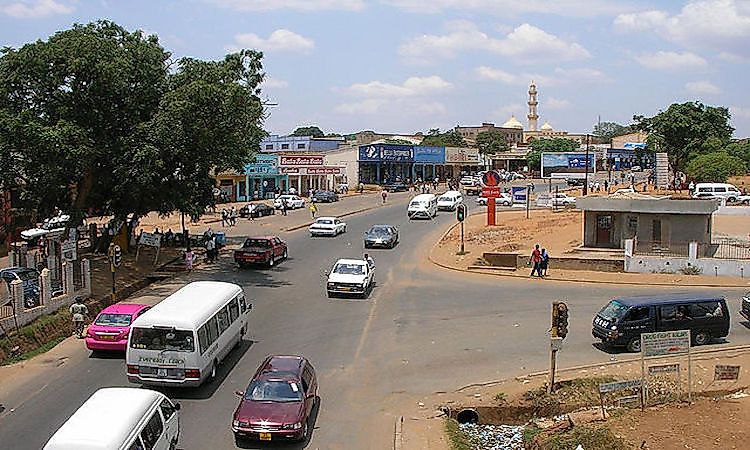
At seventh place, Malawi has a GDP per capita of $775 per 2025 IMF data. This landlocked nation of 22 million relies heavily on tobacco, which accounts for 50% of exports, yet 70% of its people live in poverty. The 2023 Cyclone Freddy killed over 500 and displaced thousands, while dry spells in 2025 left 4 million facing food insecurity, according to the World Food Programme (WFP).
With an AIDS prevalence rate of 8%, health challenges compound economic woes. Despite fertile soils, agricultural dependency and aid reliance hinder progress. We've discussed similar issues in articles on small African economies, which highlight the structural barriers Malawi faces.
8. Liberia
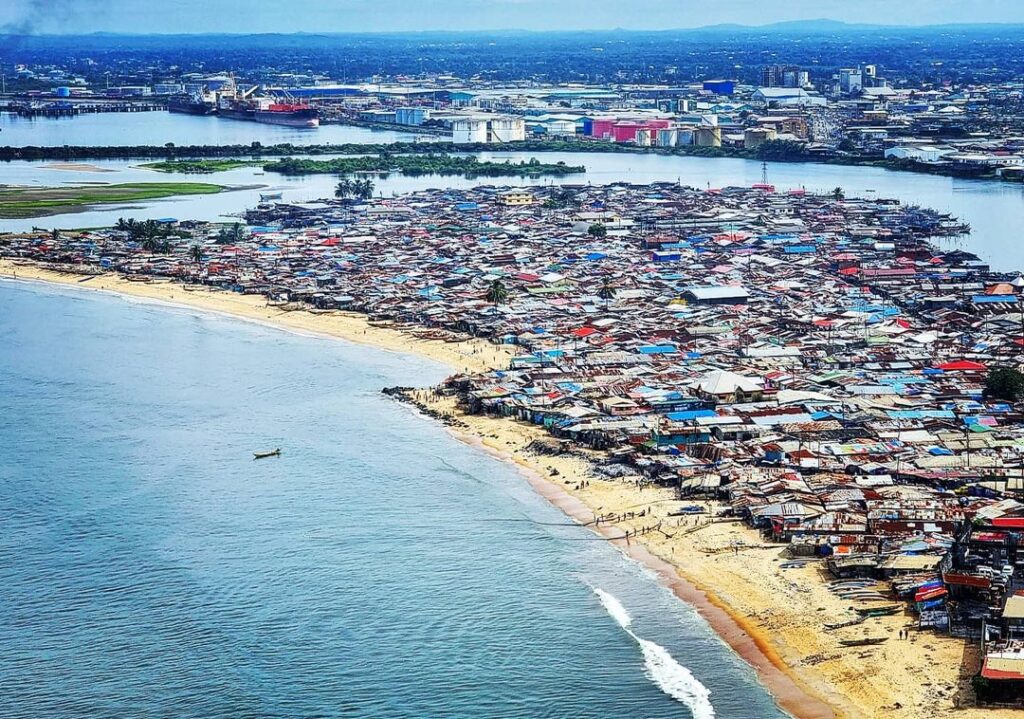
Liberia ranks eighth with a GDP per capita of $816 as per 2025 IMF estimates. Recovering from civil wars between 1989 and 2003 and the 2014 Ebola outbreak that claimed 4,000 lives, this West African nation of 5.5 million struggles with 50% youth unemployment and an economy focused on iron ore. The World Bank reports a 64% extreme poverty rate as of 2025.
Weak institutions continue to hamper growth, though recent years show modest recovery. The legacy of conflict and health crises keeps Liberia in this ranking, a subject we've touched on in past pieces about post-conflict reconstruction in Africa.
9. Madagascar
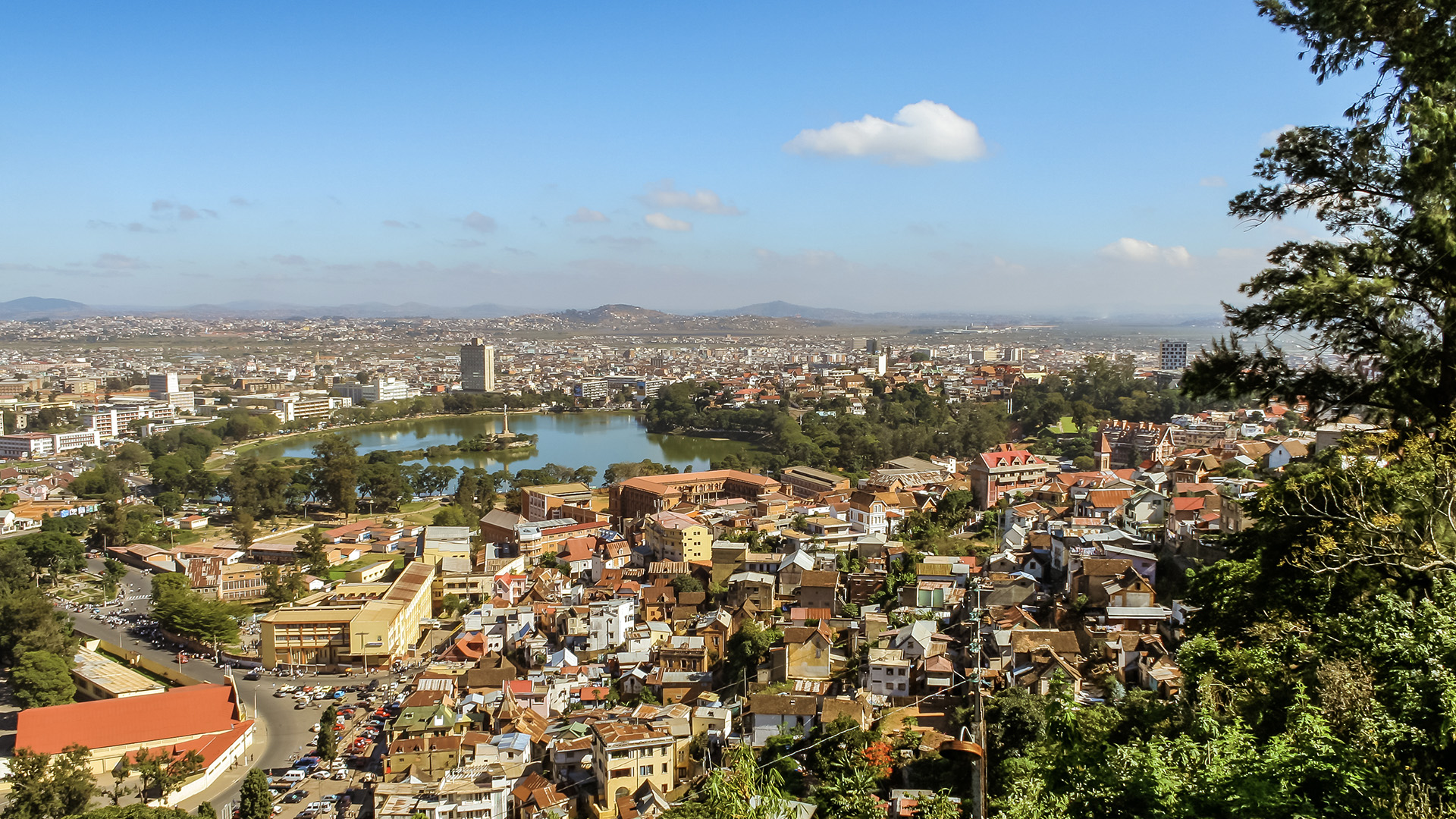
Madagascar, an island nation of 31 million, comes in ninth with a GDP per capita of $841 based on 2025 World Bank data. With 80% of its population engaged in rural farming, the economy hinges on vanilla production, which supplies 80% of the global market. Yet, 81% live below $2.15 per day, and 2024 cyclones displaced 500,000, compounding chronic poverty.
Deforestation, occurring at a rate of 2% annually per 2025 FAO data, threatens biodiversity and livelihoods. Geographic isolation and climate vulnerability keep Madagascar among the poorest, a topic linked to our broader analysis of island economies under environmental stress.
10. Yemen
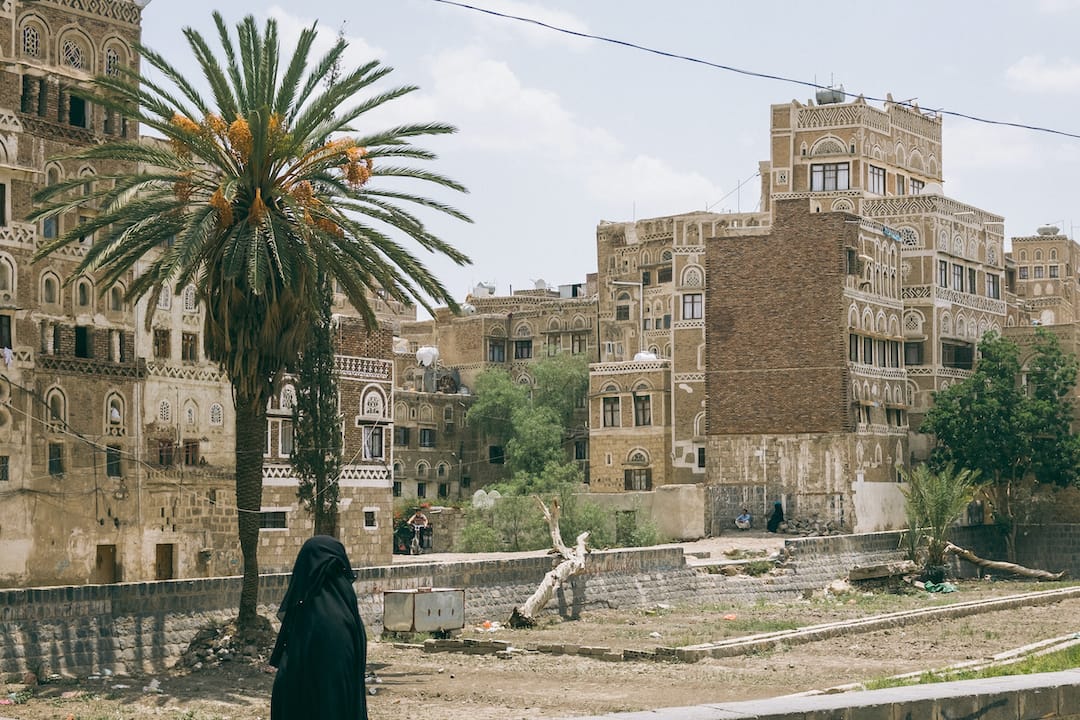
Rounding out our list at tenth is Yemen, with a GDP per capita of $845 per 2025 IMF estimates. A decade-long civil war, resulting in 400,000 deaths, has shattered the economy of this Arabian Peninsula nation. The UN reports that 80% of the population requires humanitarian aid as of 2025, with cholera outbreaks since 2017 infecting 2.5 million.
Once-relied-upon oil revenues have dwindled amid conflict, and infrastructure lies in ruins. While a fragile ceasefire offers a glimmer of hope, recovery remains distant. Our ongoing coverage of Middle Eastern conflicts provides further context on Yemen's economic collapse within a volatile region.
As we conclude our examination of the poorest countries in the world for 2026, the persistent struggles of these nations stand out. From South Sudan's war-driven poverty to Yemen's conflict-ravaged economy, the data - drawn from IMF and World Bank 2025 estimates - paints a sobering picture. Factors like political instability, resource mismanagement, and climate impacts continue to trap millions in extreme hardship. We encourage readers to explore our related articles on global inequality and humanitarian aid for a deeper understanding of how these challenges might be addressed in the coming years.
Related Posts




5 Comments
Join the discussion and share your thoughts