Top 10 Biggest Baseball Stadiums In The World 2026

Table of Contents
Baseball stadiums are cathedrals of sport, each with a distinct character that shapes the experience of the game. While modern ballparks prioritize intimacy and fan comfort, some venues still boast massive seating capacities that allow tens of thousands to witness the action. This ranking takes into account official baseball capacities as reported by teams and league sources, focusing on the maximum number of ticketed seats available for a standard Major League Baseball game. We also considered how renovations, reconfigurations, and multi-purpose designs affect the actual number of fans who can fill the stands. The list below represents the top 10 biggest baseball stadiums in the world as of 2026, based on their largest practical baseball seating configurations.
The Top 10 Biggest Baseball Stadiums In The World 2026:
1. RingCentral Coliseum
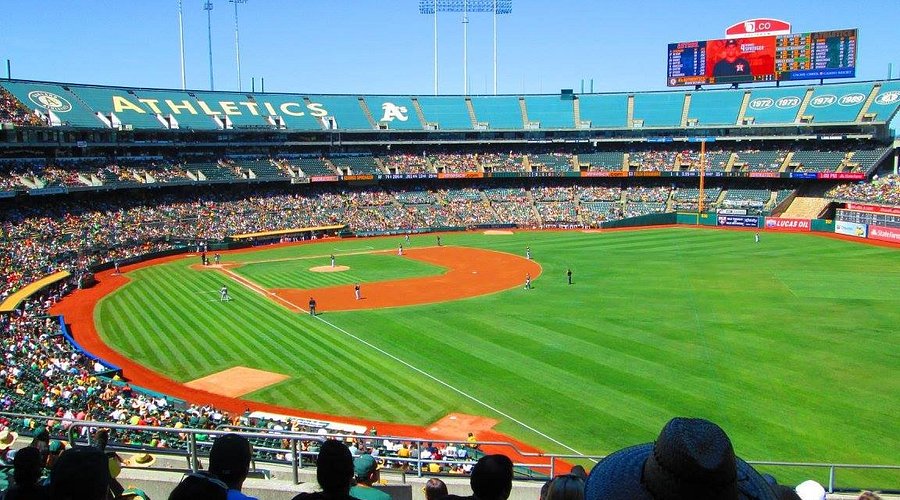
RingCentral Coliseum in Oakland, California, holds the top spot due to its unique structural capacity. Opened in 1966, this multi-purpose stadium was built to accommodate both the Oakland Athletics and the NFL's Oakland Raiders, which required a massive seating bowl. In its maximum baseball configuration, with the upper deck fully open and outfield seating utilized, the Coliseum can hold over 63,000 fans. This figure makes it the largest stadium in the world currently used for professional baseball.
In practice, the Athletics typically tarp off large sections of the upper deck, reducing the official capacity to around 46,000 for most regular-season games. The circular, "cookie-cutter" design creates enormous foul territory, which is a quirk of its dual-sport origins. Despite its age and the ongoing debate about the team's future in Oakland, the Coliseum's sheer size remains unmatched when every seat is available. It is a relic of an era when stadiums prioritized capacity over intimacy, and it stands alone at the top of this list.
2. Rogers Centre
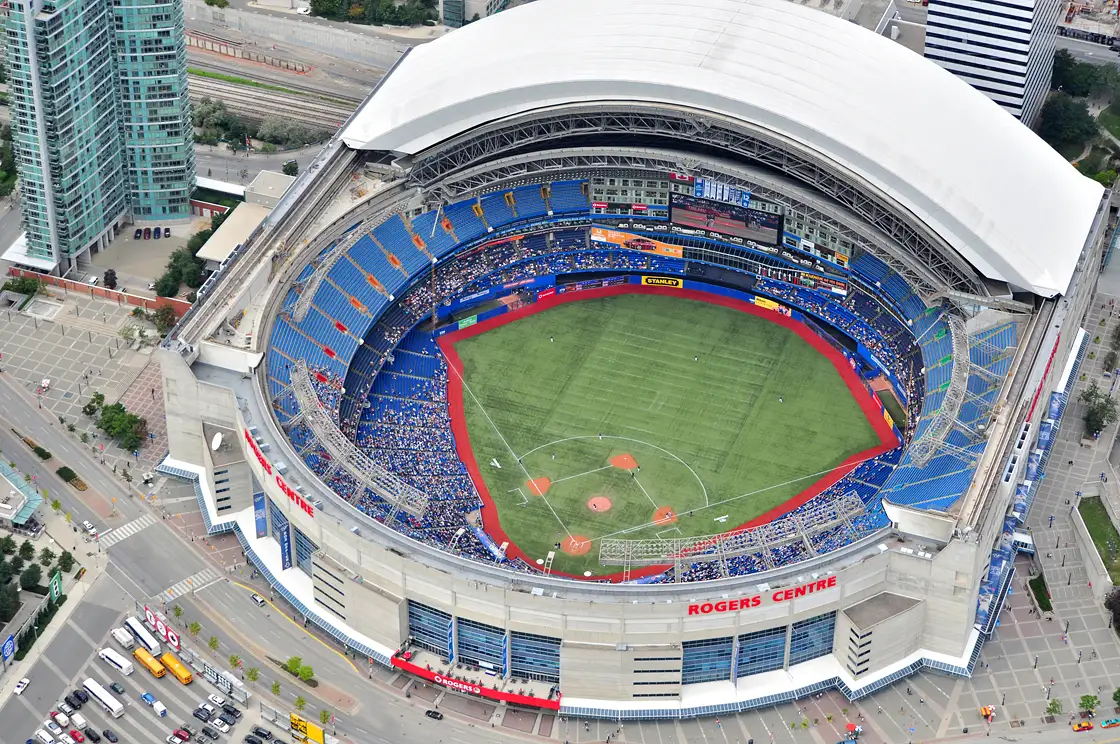
Rogers Centre in Toronto, Ontario, is the largest purpose-built baseball stadium in active use. Opened in 1989 as SkyDome, it was one of the first venues to feature a fully retractable roof. After significant renovations completed for the 2024 season, the official baseball capacity settled at 49,286. This figure places it well above most modern MLB parks, even after the renovations removed some seating to improve sightlines and add premium spaces.
The stadium's design includes a hotel integrated into the outfield structure, with rooms that overlook the field. Its multi-use capabilities allow it to reconfigure for concerts, football, and other events. The Blue Jays draw strong crowds, and Rogers Centre regularly fills its substantial bowl during summer series against division rivals. Its combination of retractable roof technology and high capacity makes it a standout venue in the global baseball landscape.
3. Coors Field
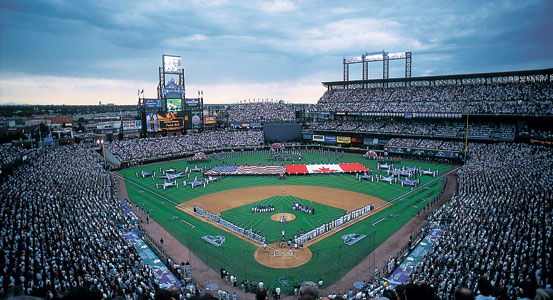
Coors Field in Denver, Colorado, opened in 1995 and was initially listed with a capacity of over 50,000 seats. The official figure has since been adjusted to approximately 50,144, though modifications have reduced the practical baseball seating to just under 49,000. Some right-field upper-deck sections were replaced with social spaces and standing-room areas, but the park remains one of the largest single-use baseball stadiums in the world.
The stadium's high-altitude location, at 5,280 feet above sea level, creates a hitter-friendly environment that produces more home runs than any other MLB park. This has driven consistent demand for tickets, and the Colorado Rockies have historically ranked among the league leaders in attendance. The three-tier seating design and large outfield bleachers allow fans to spread out while keeping the atmosphere energetic. Coors Field is a modern ballpark that still manages to feel spacious without sacrificing the baseball experience.
4. Chase Field
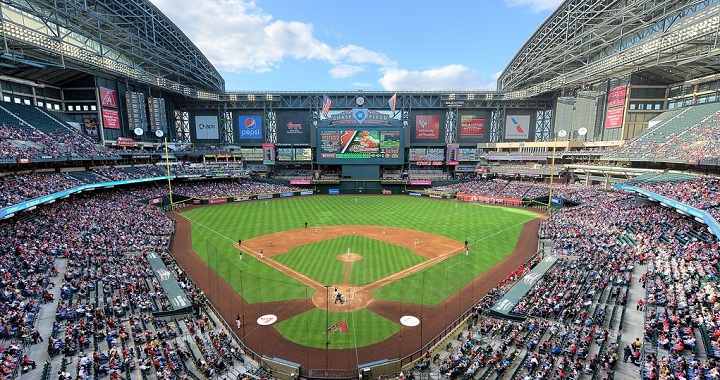
Chase Field in Phoenix, Arizona, opened in 1998 and was the first stadium in the United States to combine a retractable roof with a natural-grass field, though it later switched to synthetic turf. The official baseball capacity is 48,630, spread across six seating levels that include suites, club seats, and a large outfield concourse. The park was designed to combat the extreme desert heat, with an air-conditioning system that keeps the interior comfortable even during summer day games.
One of the stadium's most distinctive features is the swimming pool located beyond the center-field wall, which allows fans to watch the game from the water. The Arizona Diamondbacks have used this unique amenity to attract visitors, and the park's capacity ensures that large crowds can be accommodated for playoff runs. Chase Field remains one of the biggest baseball-specific venues in the world, ranking just below Coors Field in total seats.
5. T-Mobile Park
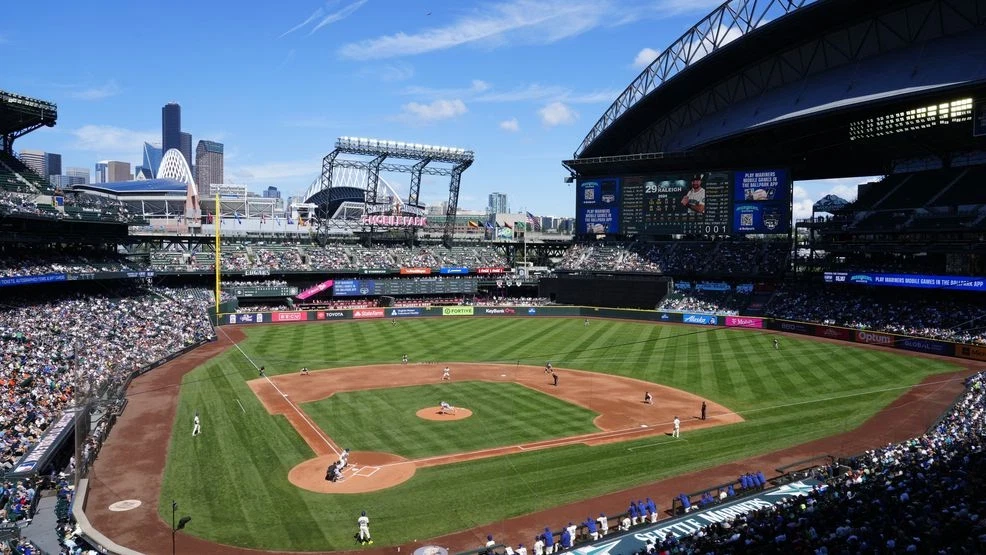
T-Mobile Park in Seattle, Washington, opened in 1999 as a baseball-specific replacement for the Kingdome. Its official capacity is 47,929, supported by a three-deck grandstand and extensive outfield and foul-line seating. The stadium features a retractable roof that functions as a movable umbrella rather than sealing the building, allowing for open-air games in good weather while protecting fans from the city's frequent rain.
The park is known for its wide concourses, views of downtown Seattle and the Puget Sound, and a reputation as a pitcher-friendly venue due to its marine air and deep outfield dimensions. The Seattle Mariners draw strong attendance, and T-Mobile Park's design emphasizes comfort and sightlines. It ranks fifth because its official seating places it just below Chase Field, but it remains one of the largest modern, open-air baseball parks in operation.
6. Yankee Stadium
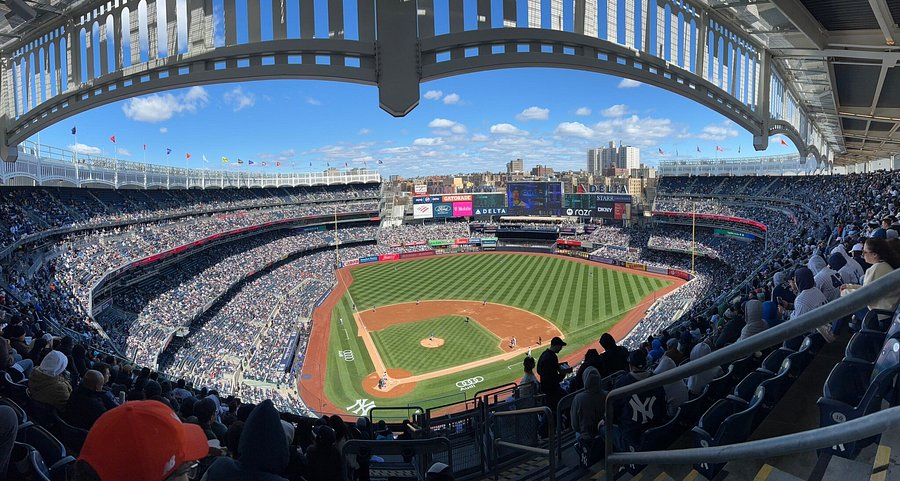
The current Yankee Stadium in New York City opened in 2009, replacing the original 1923 ballpark. Its official baseball capacity in regular configuration is approximately 47,309. The design emulates the look of the old stadium, complete with the iconic frieze and a limestone facade, while adding extensive premium seating, clubs, and suites that occupy space that might otherwise hold standard seats.
The New York Yankees consistently post sellout or near-sellout crowds for marquee games and postseason contests. The stadium's size allows it to accommodate the massive fanbase that follows the team, one of the most successful in MLB history. Despite its capacity being slightly below some other modern parks, Yankee Stadium's status as a premier venue and its ability to draw over 47,000 fans regularly make it a key entry on this list.
7. Oriole Park at Camden Yards
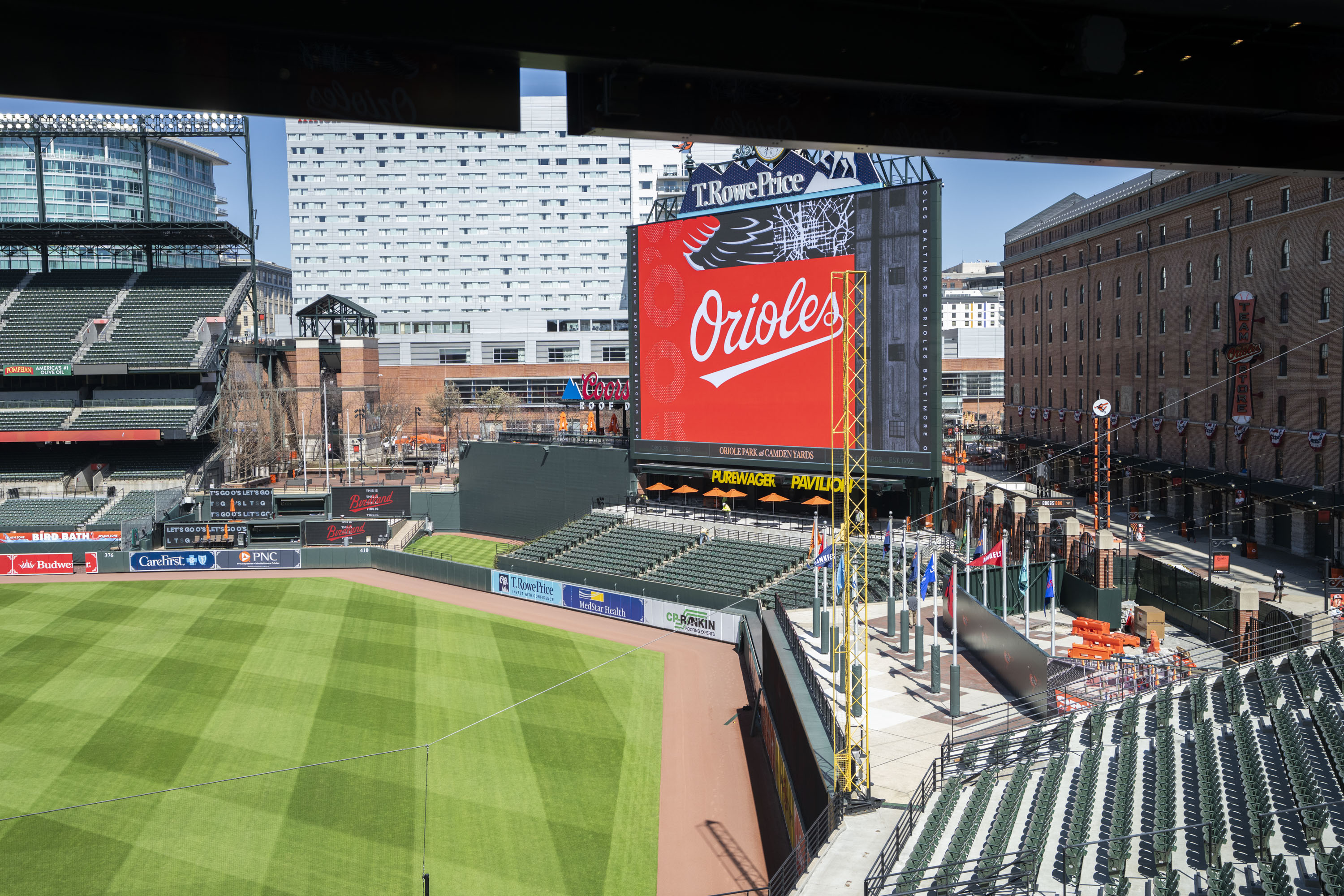
Oriole Park at Camden Yards in Baltimore, Maryland, opened in 1992 and is widely credited with launching the "retro-classic" ballpark movement. Its official capacity is 45,971, supported by a two-tier main grandstand, large outfield bleachers, and integration with the historic B&O Warehouse beyond right field. Renovations over time have modified some seating and changed the left-field dimensions, but the ballpark remains one of the larger MLB venues by seat count.
The stadium's design set a new standard for urban ballparks, emphasizing sightlines, natural grass, and a connection to the surrounding city. The Baltimore Orioles have seen fluctuating attendance over the years, but Camden Yards remains a destination for baseball fans due to its historic charm and spacious layout. Its official capacity places it among the biggest retro-style parks in the world.
8. Busch Stadium
Busch Stadium III in St. Louis, Missouri, opened in 2006 as the home of the St. Louis Cardinals. The stadium has a listed baseball capacity of 45,538, with triple-deck seating around most of the infield and outfield, plus a wide range of club and suite options. The design incorporates views of the Gateway Arch and the St. Louis skyline, creating a visually striking environment.
The Cardinals have one of the most loyal fanbases in baseball, and the stadium regularly fills to capacity, especially during competitive seasons and playoff runs. Busch Stadium's capacity situates it just below Camden Yards, but it still clearly ranks among the world's bigger baseball venues. Its combination of modern amenities and traditional design makes it a favorite among fans and players alike.
9. Citizens Bank Park
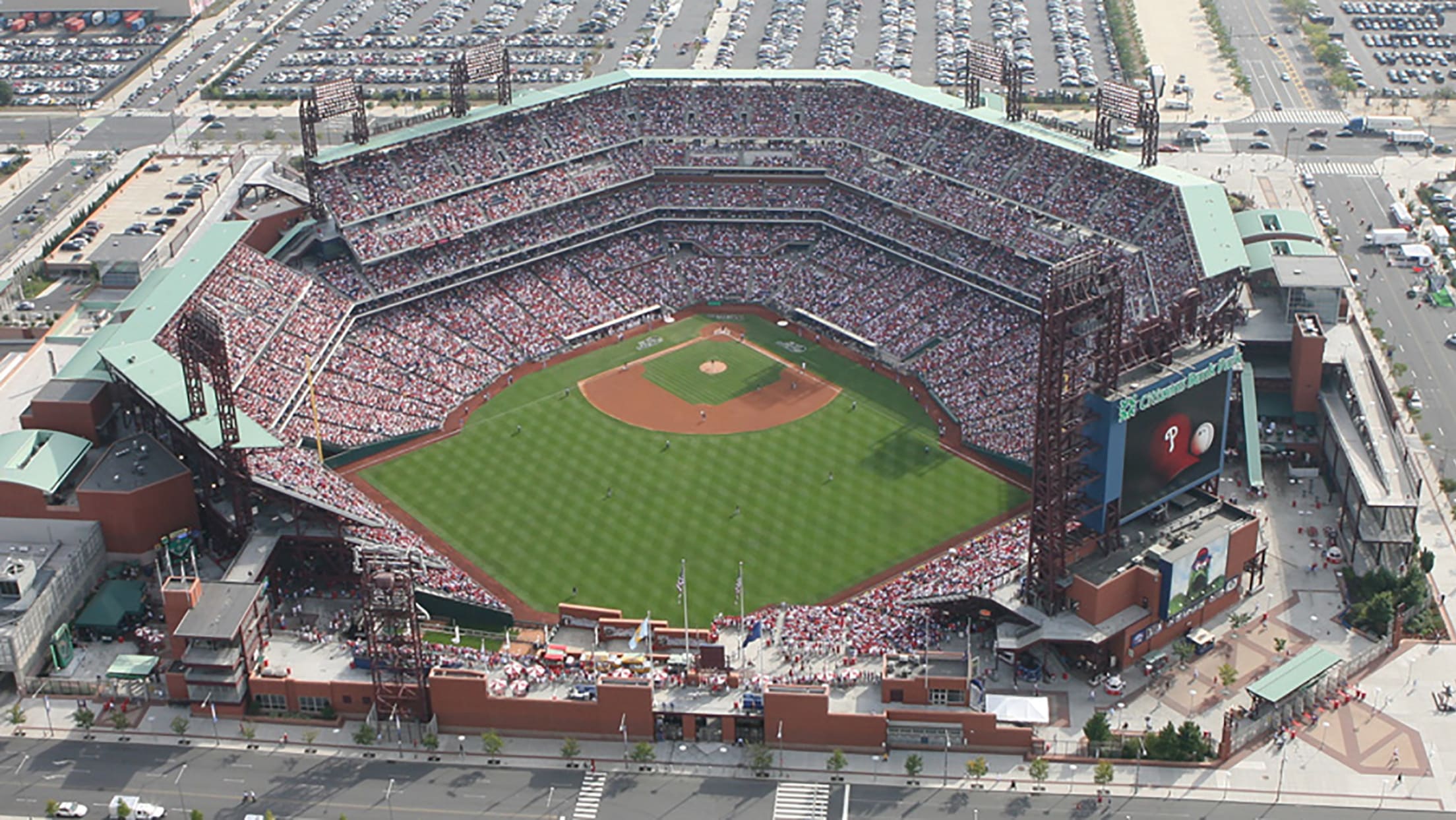
Citizens Bank Park in Philadelphia, Pennsylvania, opened in 2004 as the home of the Philadelphia Phillies. Its official baseball capacity is 42,792. The stadium includes two primary seating decks, a sizable outfield concourse, and multiple standing-room and party deck areas that can push actual attendance above the seated capacity for postseason or special games.
The park's hitter-friendly dimensions and the energetic Philadelphia fanbase contribute to frequent large crowds. The Phillies have seen a resurgence in recent years, and Citizens Bank Park is known for its loud, passionate atmosphere. While its seat count drops into the low-40,000s, below the mid-40,000 group of Busch and Camden Yards, it remains one of the larger venues in the sport and a key entry on this list.
10. Dodger Stadium
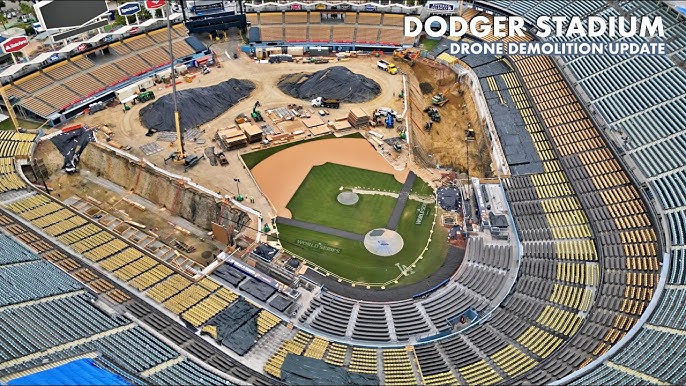
Dodger Stadium in Los Angeles, California, opened in 1962 and was originally designed with about 56,000 seats, making it historically the largest MLB ballpark by capacity. However, renovations, reconfigurations, and the conversion of some seating areas into plazas, bars, and social spaces have reduced the regularly ticketed capacity to roughly the low-40,000s in recent years. The structural bowl still exists, but the practical ticketed capacity is now comparable to other modern parks.
The stadium is renowned for its terraced seating carved into the hillside of Chavez Ravine, offering stunning views of the San Gabriel Mountains and the Los Angeles skyline. The Los Angeles Dodgers consistently lead MLB in total attendance, often exceeding 3 million fans per season. Dodger Stadium ranks tenth on this list because, using current practical ticketed capacity, it falls slightly below newer parks in raw seat count, even though its historical and structural size is among the greatest.
Related Posts



72 Comments
Join the discussion and share your thoughts