Top 10 Best Smart Jewelry (Rings) In The World 2026

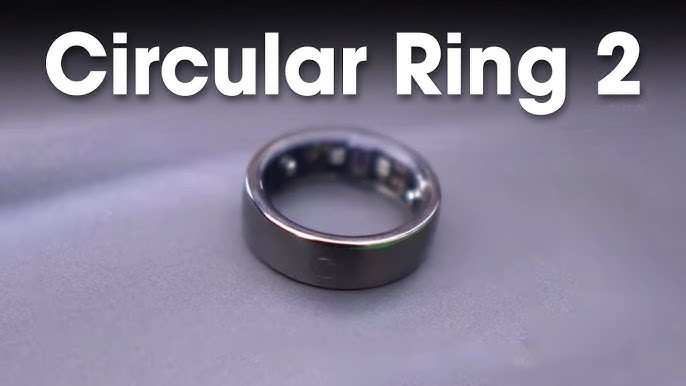
Table of Contents
The wearable technology market has undergone a quiet transformation. For years, the wrist dominated the conversation, with smartwatches and fitness bands claiming near-total market share. But a new form factor has emerged, one that is more discreet, more comfortable for sleep tracking, and increasingly capable: the smart ring. In 2026, the category has matured from a niche curiosity into a legitimate alternative to wrist-worn devices. The top 10 best smart jewelry in the world 2026 represents a convergence of advanced health sensors, premium materials, and AI-powered analytics, all packed into a form factor that fits on a single finger.
To build this ranking, we considered multiple factors. Accuracy of sleep staging and heart rate variability (HRV) tracking was weighted heavily, as these are the core promises of the category. Battery life, build materials, and water resistance determined durability and practicality. We also weighed ecosystem compatibility, subscription costs, and the availability of medical-grade features such as FDA-cleared atrial fibrillation detection. User sentiment from forums and expert reviews from outlets like Forbes, WIRED, PCMag, and Wareable informed our assessments. The result is a list that spans from established gold standards to emerging challengers, each offering a distinct value proposition.
The Top 10 Best Smart Jewelry (Rings) 2026:
1. Oura Ring 4
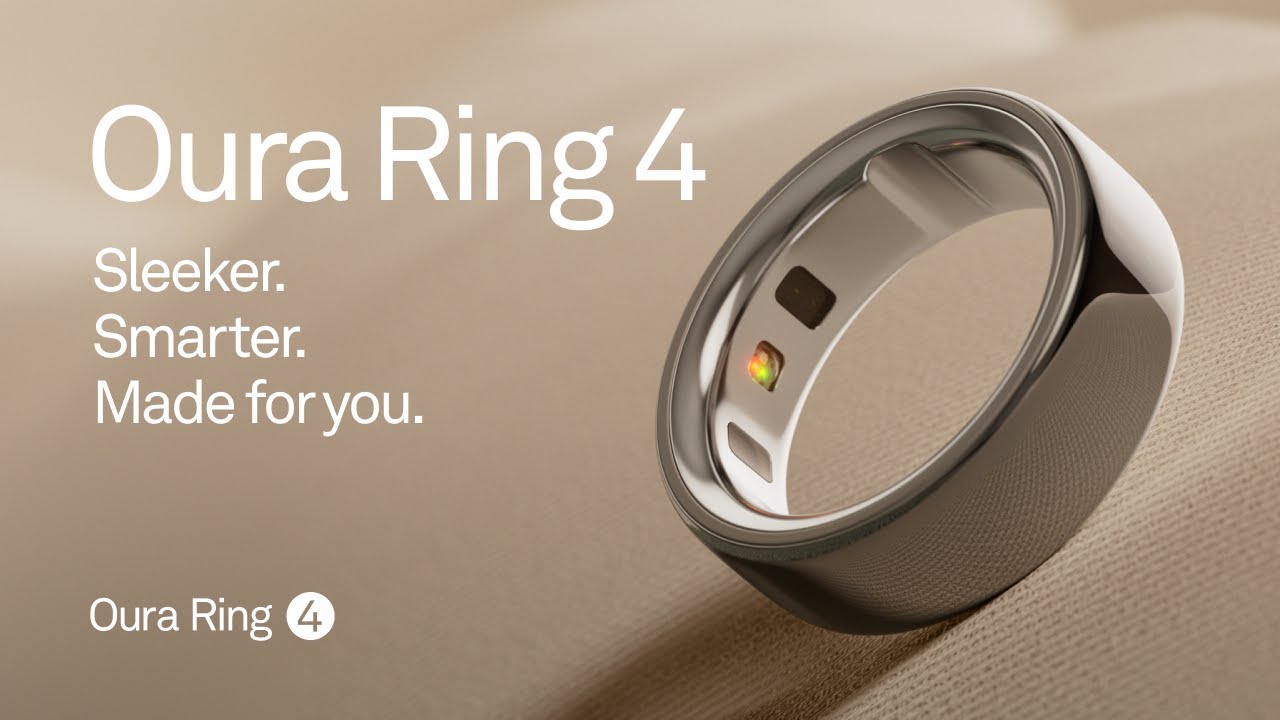
The Oura Ring 4 remains the benchmark that every other smart ring is measured against. Priced between $349 and $499, it represents a significant investment, but the engineering justifies the cost. The ring is constructed entirely from titanium, with recessed sensors that create a sleeker, more comfortable interior profile compared to previous generations. At just 2.3 grams and 7mm wide, it is barely noticeable during daily wear and completely unobtrusive during sleep.
What sets the Oura Ring 4 apart is the depth of its health tracking. It monitors over 40 different exercise types and provides detailed sleep analysis through its Smart Sensing technology, which adjusts sampling rates based on the wearer's activity state. The ring tracks cardio capacity, cardiovascular age, and stress resilience, offering a holistic view of the user's physiological state. Sleep staging accuracy has been measured at 88.4 percent in independent testing, placing it at the top of the category. The ring is water resistant to 328 feet, making it suitable for swimming and snorkeling. It is available in sizes 5 through 13. The primary drawback is the $6.99 monthly subscription required to access the full suite of features, a model that has drawn criticism from some users. Multiple expert reviews from Forbes, WIRED, and PCMag consistently rank it as the best overall smart ring for most users, a position it has held across multiple generations.
2. Samsung Galaxy Ring
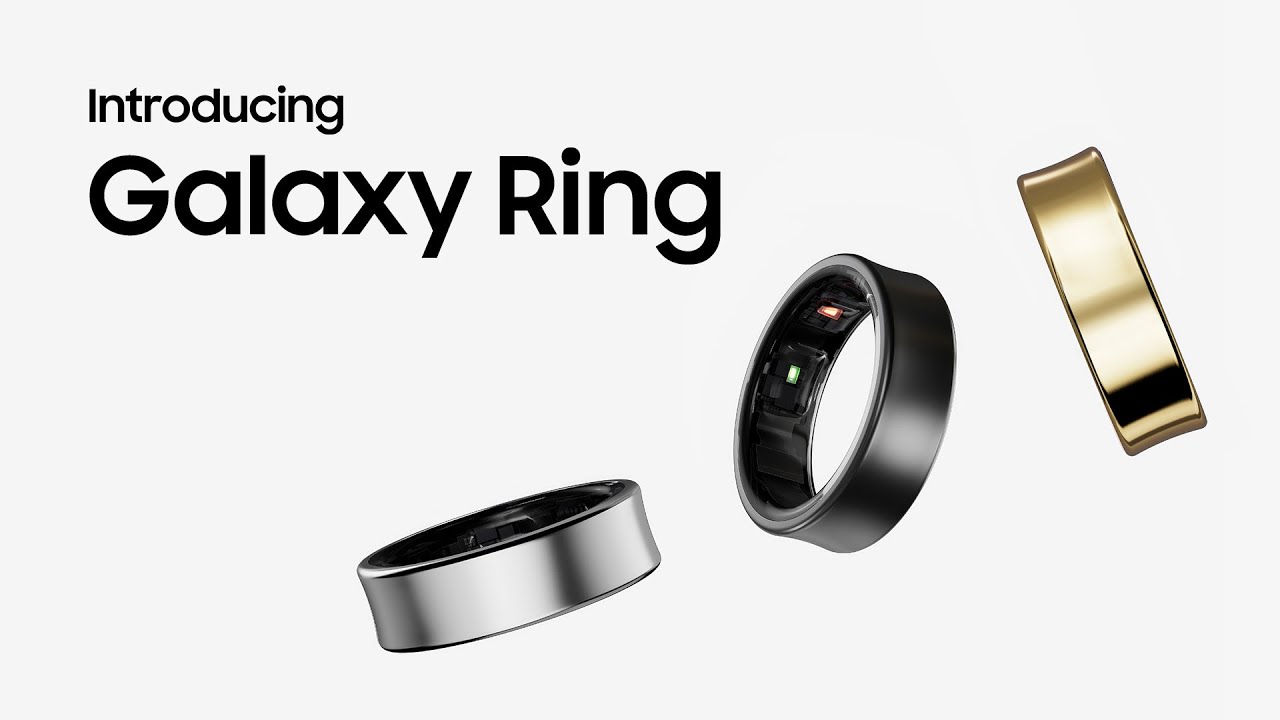
Samsung's entry into the smart ring market was met with considerable anticipation, and the Galaxy Ring delivers on its promise of seamless ecosystem integration. At $299, it undercuts the Oura Ring 4 on price while offering a noticeably slimmer and lighter design. The ring measures 6.8mm wide and just 2mm thick, with a weight ranging from 2.5 to 4 grams depending on size. It is constructed from aerospace-grade titanium and stainless steel, giving it a premium feel that rivals the Oura Ring 4.
The Galaxy Ring is designed exclusively for Samsung Galaxy phone users, offering deep integration with Samsung Health and the Galaxy Watch series. This creates a unified health tracking experience that few competitors can match. The ring comes in an attractive clear charging case with an LED battery indicator, a thoughtful design touch. Crucially, it requires no subscription fee, which makes its $299 price tag more attractive over the long term compared to Oura's subscription model. The ring is IP68 rated for dust and water resistance and is available in sizes 6 through 14. The major limitation is its Samsung-exclusive feature set. iPhone users will find the ring significantly less functional, and even non-Samsung Android users miss out on key integrations. For those already invested in the Samsung ecosystem, however, the Galaxy Ring is a compelling choice.
3. Ultrahuman Ring AIR
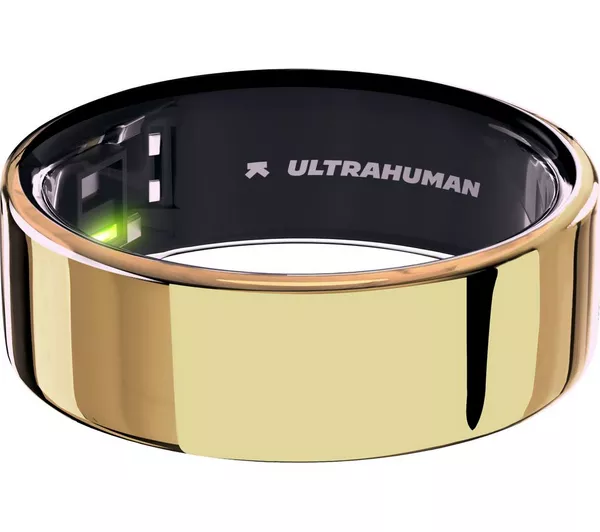
The Ultrahuman Ring AIR has carved out a strong position as the premium no-subscription alternative to Oura. At $349, it is priced competitively with the Oura Ring 4, but it offers comprehensive health tracking without any monthly fees. The ring is constructed from a titanium alloy with a Mohs hardness rating of 6.2, indicating good scratch resistance for daily wear. Its battery life extends up to 14 days, among the best in the premium smart ring category.
Sleep staging accuracy is measured at 86.6 percent, with HRV consistency of plus or minus 3.9 milliseconds, placing it close to Oura's performance in these critical metrics. The ring tracks sleep, heart rate, and activity through a polished app experience that has improved significantly through software updates. A standout feature is the JSON data export via API, which appeals to developers and health enthusiasts who want to perform their own analysis on raw sensor data. The absence of a subscription model makes the Ultrahuman Ring AIR particularly attractive for long-term use, as the total cost of ownership is lower than Oura's over a multi-year period. It is a strong choice for users who want premium tracking without recurring fees.
4. RingConn Gen 2 Air
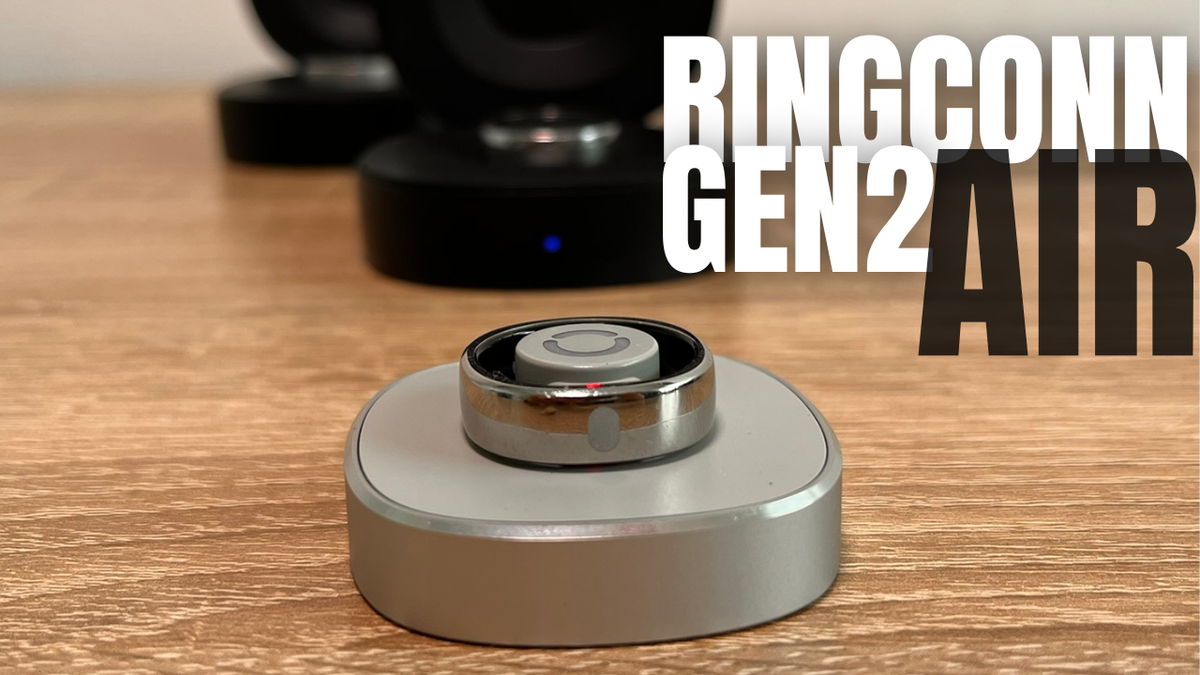
The RingConn Gen 2 Air stakes its claim on battery life. With 10 to 12 days of use per charge, it is the longest-lasting smart ring among premium contenders. At $299, it also offers a compelling price point, particularly given that it requires no subscription. The ring is constructed from titanium with a Mohs hardness of 6.0, providing adequate durability for everyday wear.
Sleep staging accuracy is measured at 85.1 percent, with HRV consistency of plus or minus 4.1 milliseconds, placing it in the same performance tier as the Ultrahuman Ring AIR. The ring tracks heart rate, sleep, SpO2, and activity without requiring any ongoing fees. It also offers full JSON data export for users who want raw data access, similar to the Ultrahuman. User feedback has been generally positive, though some users report accuracy issues with step counting during car travel, a common limitation across the category. The RingConn Gen 2 Air appeals strongly to budget-conscious health trackers who prioritize battery life above all else.
5. Circular Ring 2
The Circular Ring 2 represents a significant technical achievement in the smart ring space. Priced around $300, it is the only smart ring in 2026 with built-in ECG capabilities and FDA-cleared atrial fibrillation detection via physical electrodes. This medical-grade feature set places it in a category of its own, offering functionality that previously required a dedicated medical device. The design has been substantially upgraded from the previous Slim model, finally rivaling the industry's biggest names in aesthetics and build quality.
The ring also introduces an innovative AI-powered Digital Sizing app that uses the phone's camera to find a perfect fit, eliminating the waste and inconvenience of plastic sizing kits. Battery life is estimated at 5 to 7 days, which is average for the category. The Circular Ring 2 requires no subscription, making its medical-grade features accessible without ongoing costs. For users with concerns about heart health, this ring offers capabilities that no other smart ring in 2026 can match.
6. Luna Ring
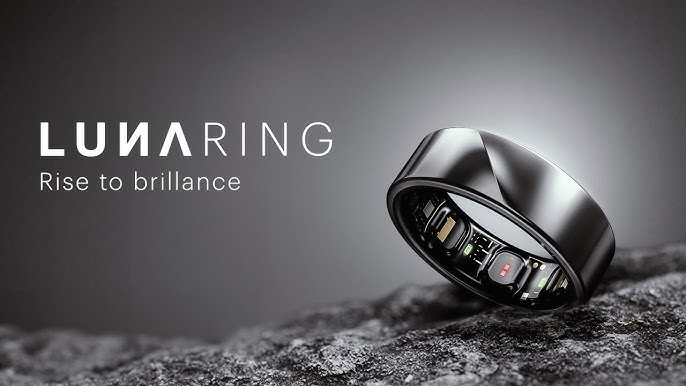
The Luna Ring is an emerging contender that distinguishes itself through AI-powered coaching without the subscription model that Oura requires. Priced around $299, it focuses on providing personalized health recommendations and preventive wellness insights through its intelligent algorithms. The ring tracks sleep, activity, heart rate, and readiness, offering a comprehensive health overview similar to more established competitors.
Battery life is estimated at approximately 7 days, placing it in the middle of the pack. The Luna Ring's primary differentiator is its emphasis on actionable insights rather than raw data presentation. Early reviews from the wearable technology community suggest it is worth watching for users who want AI-driven guidance without ongoing costs. As a newer entrant, its long-term reliability and software support remain unproven, but the value proposition is strong for budget-conscious users who want smart coaching features.
7. Evie Ring
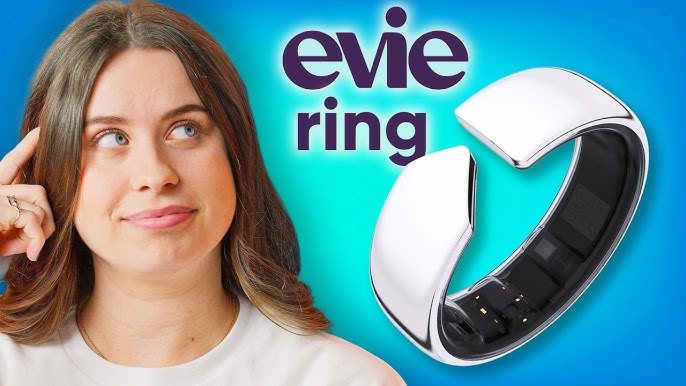
The Evie Ring arrives as a noteworthy newcomer specifically designed for women's wellness. Priced around $299, it features an open-gap band design that accommodates finger size variation throughout the day, a thoughtful consideration for users whose finger dimensions change due to temperature, hydration, or hormonal cycles. The ring is constructed from a scratch-resistant Liquidmetal body, a material choice that provides durability while maintaining a lightweight feel.
The Evie Ring focuses on menstrual-cycle logging, mood tracking, and tailored health insights, making it a strong pick for women who feel underserved by traditional fitness trackers that take a one-size-fits-all approach. The buy-once pricing model means no subscription is required. Reviewed.com named it a standout for its targeted approach to female health, and early user feedback has been positive regarding its comfort and accuracy. The open-gap design is a genuine innovation in the category, addressing a real pain point that other manufacturers have ignored.
8. Oura Ring Gen 3
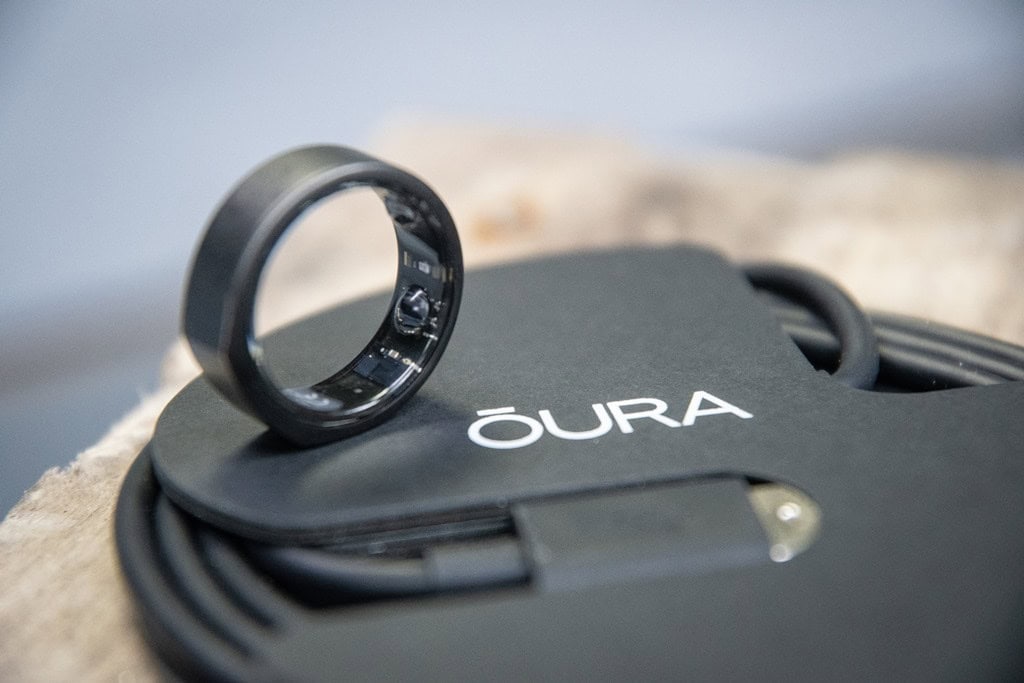
The Oura Ring Gen 3 remains a strong legacy option for users seeking proven and stable wellness tracking performance, now available at a lower price point following the Oura Ring 4 release. Priced around $299, it offers the same refined health analysis system and reliable software ecosystem that built Oura's reputation, particularly in sleep tracking where it has a long-standing reputation for accuracy. Battery life ranges from 5 to 7 days, and the ring weighs between 4 and 6 grams depending on size.
Expert ratings place the Gen 3 at 4.3 out of 5, reflecting its mature and well-tested experience compared to newer entrants. The ring lacks the newer Smart Sensing technology and titanium construction of the Gen 4 model, but it remains a dependable choice for those who want established performance at a reduced cost. For users who do not need the latest sensor technology and prefer to avoid the Gen 4's subscription requirement, the Gen 3 offers excellent value.
9. Amazfit Helio Ring
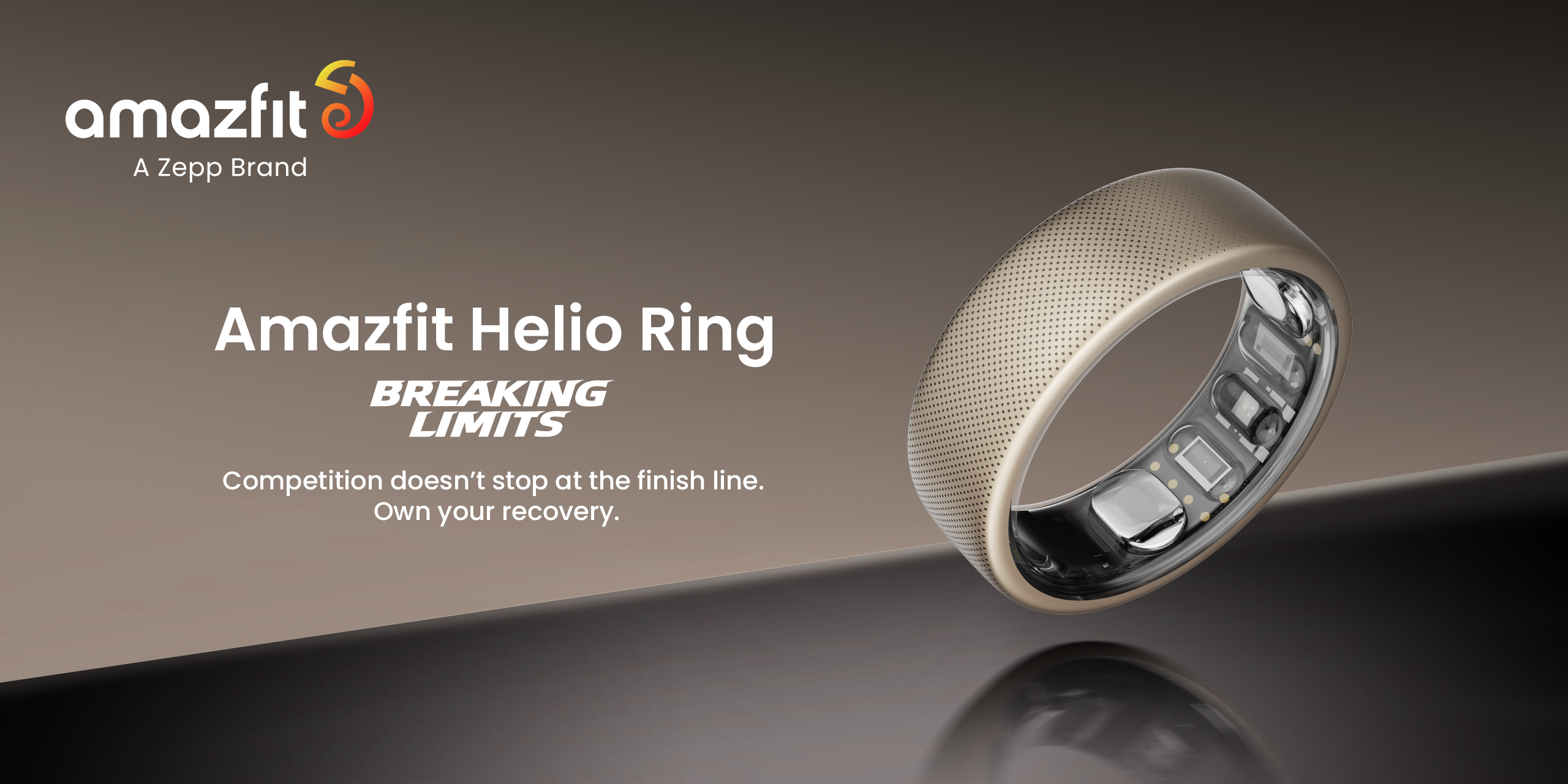
The Amazfit Helio Ring is the most affordable option from a major brand, priced between $149 and $199 with no subscription required. It features a textured bronze finish that sets it apart visually from the predominantly black and silver competition. The ring tracks sleep, heart rate, SpO2, and activity through the Zepp app ecosystem, which is well-established and regularly updated. Battery life is rated at 4 to 8 days, and the ring weighs approximately 3.7 grams.
However, independent testing has revealed significant limitations. WIRED's testing found the Helio Ring often inaccurate with heart rate measurements, and it lacks automatic workout tracking, a feature that has become standard in the category. Real-world battery life averaged only three days in testing, far below the advertised range. Sizing is currently limited to 8, 10, and 12, with additional sizes promised but not yet available. Expert ratings place it at 4.2 out of 5, but the accuracy issues and limited sizing make it a compromised choice compared to the competition. It is best suited for users who prioritize low cost and are willing to accept reduced tracking fidelity.
10. Yeyro Smart Ring

The Yeyro Smart Ring closes out the ranking as an emerging entrant in the wearable space, aiming to bring AI-enhanced health tracking to a broader audience at the lowest price point among recognized brands. Priced between $99 and $129, it is the most affordable smart ring on this list. The ring weighs approximately 3 to 5 grams and offers battery life of 5 to 7 days. Expert ratings place it at 3.7 out of 5, reflecting its status as a work in progress.
The Yeyro focuses on combining affordability with modern smart features for early adopters, making intelligent wellness tracking more accessible. While the device is still evolving and its tracking accuracy may not match premium competitors, its appeal lies in offering newer technology at a very low entry barrier. This makes it an interesting option for users who like experimenting with new innovations without significant financial commitment. The Yeyro Smart Ring is not for users who demand clinical-grade accuracy, but for those curious about the smart ring category, it offers the lowest risk of entry.
The best smart jewelry in the world 2026 reflects a market that has matured rapidly. The days of sacrificing accuracy for form factor are largely behind us. Today's smart rings offer sleep tracking that rivals dedicated devices, heart rate monitoring that approaches chest-strap accuracy, and battery life that can span nearly two weeks. The choice increasingly comes down to ecosystem compatibility, subscription preferences, and specific health priorities. Whether the goal is comprehensive wellness tracking, medical-grade heart monitoring, or simply dipping a toe into the category, the 2026 smart ring market has an option that fits.
Related Posts




1 Comment
Join the discussion and share your thoughts