Top 10 Best Home Workout Apps In 2026

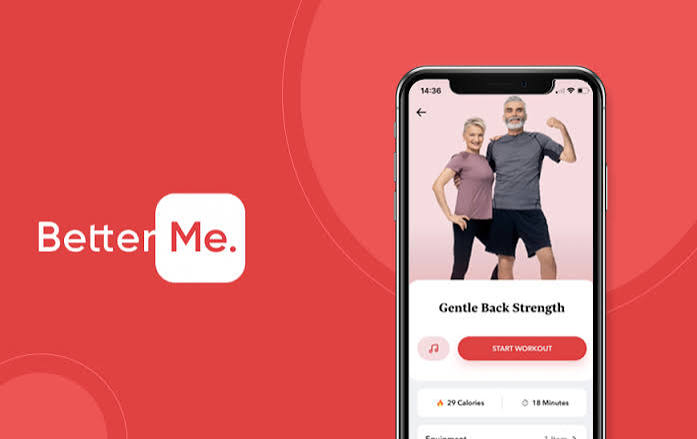
Table of Contents
The best home workout apps in 2026 have split into two camps: all-you-can-stream class libraries and program-driven strength platforms. We tested both. This ranking of the top 10 best home workout apps weighs class library depth, live scheduling, price per month, wearable integration, program structure, and user sentiment across trainer-tested reviews published in 2026. We also factored in value, because a $30 monthly subscription only earns its keep if the programming actually progresses. Free tiers got equal scrutiny, and several of them hold their own against paid rivals.
One pattern stands out this year. The apps winning on value are the ones bundling training, nutrition, and recovery rather than selling video libraries alone. Pricing across the category now runs from $0 to roughly $30 per month, a spread wide enough that the right pick depends more on your hardware and goals than on brand recognition.
The Top 10 Best Home Workout Apps In 2026:
1. Peloton App
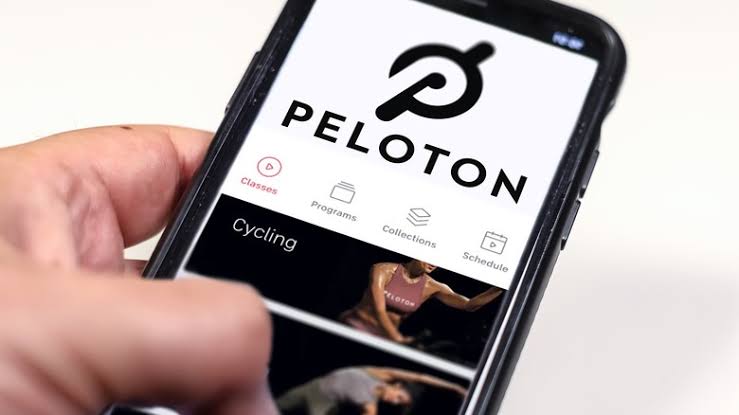
No Peloton Bike or Tread required. The Peloton App carries thousands of live and on-demand classes spanning cycling, running, strength, yoga, barre, Pilates, and meditation, and multiple 2026 tester roundups named it best overall. That consensus rests on production quality and the stacked live schedule, which is still the most reliable daily motivation engine in the category.
Pricing splits into two tiers in 2026. App One costs $15.99 per month and covers equipment-free training. App+ runs $28.99 per month and unlocks the full Bike and Tread class library for people who own the hardware or plan to use gym equipment. Celebrity-tier instructors and leaderboard competition remain the draw, and the app's habit-forming live classes are hard to replicate at home.
For anyone who wants variety without buying a machine, this is the safest $16 a month in fitness.
2. Apple Fitness+
Apple Fitness+ costs $9.99 per month or $79.99 per year, and new Apple device purchases include three months free. For iPhone and Apple Watch owners, nothing else comes close on integration. Real-time heart rate, Activity rings, and calorie burn display on-screen during every workout, which turns a phone or TV into a decent coaching dashboard.
The library covers 12+ workout types, including HIIT, strength, yoga, Pilates, dance, and the walking audio series Time to Walk, with new classes added weekly. The catch is hardware lock-in. Android users are shut out entirely, and the experience degrades without a Watch. Within the Apple ecosystem, though, the price-to-quality ratio has no equal in 2026.
3. Nike Training Club
Nike Training Club is fully free with no in-app purchases in 2026, and that includes 200+ workouts and the premium content Nike previously charged for. Guided programs, bodyweight and dumbbell sessions, yoga, and mobility work are all led by Nike Master Trainers with production values that embarrass some paid apps.
The multi-week progressive programs, including Strong Start and Get Lean, give beginners a real path rather than a random video pile. Adjustable difficulty levels scale each session. All you need is a Nike account.
It ranks below the paid leaders for two reasons: fewer live classes and lighter personalization. Neither gap justifies a subscription elsewhere if budget is the deciding factor.
4. Alo Moves (Alo Wellness Club)
Alo Moves took the "best for barre, yoga, and Pilates" title in 2026 personal-trainer-tested rankings. Pricing sits at roughly $20 per month or $129 per year. The 2026 rebrand to Alo Wellness Club expanded the catalog into broader wellness content, but the core remains thousands of yoga, Pilates, barre, and mindfulness classes taught by elite instructors.
Cinematic production and structured multi-week series set it apart. The sculpt and flow programs target flexibility, core strength, and recovery rather than high-intensity sweat, which makes this the pick for anyone whose goals lean mind-body. It serves a narrower audience than general fitness apps, and that focus is exactly the point.
5. Sweat
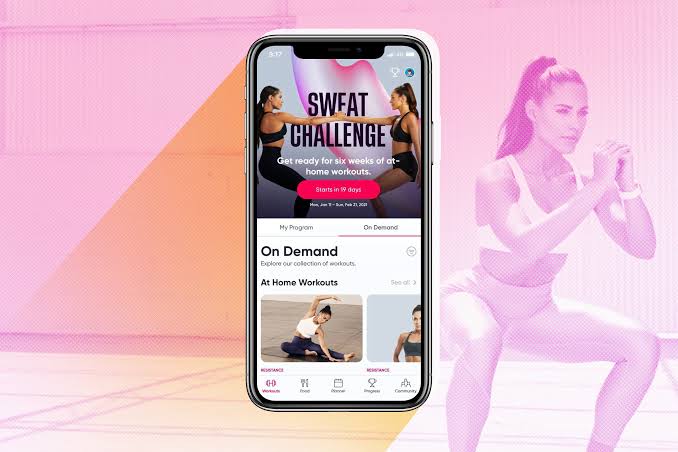
Sweat built its reputation on Kayla Itsines' BBG program, and the platform now hosts structured multi-week plans from 20+ elite trainers. The High Intensity with Kayla series remains the flagship. Pricing is about $19.99 per month or $119.94 per year in 2026.
Strength, HIIT, barre, yoga, and postpartum programs round out the catalog, backed by a large community with challenges and progress tracking. Roundups this year consistently name it the top pick for women, and the community component explains why retention holds up. Users outside that core demographic will find less tailored programming, which is the honest trade-off.
6. MyFitnessPal
MyFitnessPal earned the 1 overall spot among best fitness apps for beginners in 2026 rankings, largely on the strength of its 14+ million food database, barcode scanning, and macro tracking. Premium costs about $19.99 per month or $79.99 per year, and the free tier stays genuinely usable.
Recent updates added AI-supported coaching, workout tracking, habit coaching, and personalized plans. That pushes it toward all-in-one territory for people starting from zero, where nutrition usually matters more than class selection. It remains a tracking-first app rather than a guided workout platform, so pair it with one of the training apps above if you want instructor-led sessions.
7. Centr
Chris Hemsworth founded Centr in 2019, and the app has matured into one of the better all-in-one values in fitness. A subscription runs $119.99 per year, roughly $10 per month, and bundles strength and HIIT workouts, boxing, yoga, meditation, and chef-designed meal plans.
Multi-week plans like Centr 6 and the Gunnar Peterson-led Power program come with video instruction from professional trainers. Training, nutrition, and mindfulness in a single subscription at that price is rare. The brand identity leans toward a specific aesthetic and audience, and lifters chasing raw numbers may want more specialized programming.
8. BetterMe
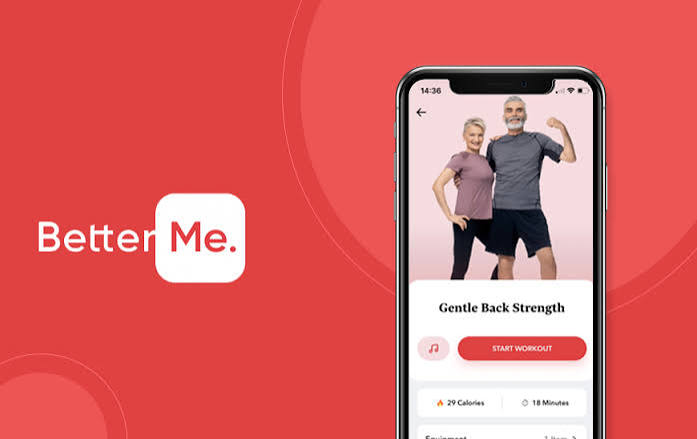
BetterMe claimed "best for low-impact workouts" in 2026 rankings, with subscriptions landing between roughly $10 and $15 per month depending on the plan. The catalog centers on walking workouts, chair exercises, Pilates, stretching, and beginner-friendly bodyweight routines, plus habit and nutrition coaching.
Wall Pilates and walking programs broke out in 2024 and 2025 and remain core offerings this year. Older adults, true beginners, and anyone returning from injury get a genuinely accessible entry point here. Advanced strength and performance training is where the app runs thin.
9. Ladder Strength Training
Ladder costs about $29.99 per month or $179.99 per year, the steepest price on this list, and it earns that positioning with coach-built programming from names like Justin Medeiros and Dr. Mike Zourdos. Daily workouts arrive with video demos, progressive overload tracking, and team-based accountability.
Each team follows one coach's methodology, whether powerlifting-style strength, hypertrophy, or athletic performance. That structure makes it one of the most program-driven apps available and a fixture in 2026 strength-app comparisons. The premium price and narrow focus keep it off most generalists' lists, but serious lifters tend to stay subscribed.
10. Boostcamp
Boostcamp aggregates proven training plans, including Reddit's famous r/Fitness routines such as GZCLP, 5/3/1 variants, and PHUL, with built-in set and rep tracking plus progression logging. The free tier covers 100+ programs. Pro runs about $14.99 per month or $89.99 per year.
Automatic weight progression suggestions bridge the gap between spreadsheets and real apps, which is why intermediate lifters gravitate to it. Program variety and price are unmatched at this end of the list. Video production and coaching polish lag the apps above, and that's the trade you're making.
Start with your hardware. Apple Watch owners should default to Fitness+ at $9.99 per month before considering anything else. Everyone else can treat Peloton's $15.99 App One tier as the benchmark for class variety. If lifting is the goal rather than general fitness, Ladder and Boostcamp deliver structured progression that streaming libraries can't match, and Boostcamp's free tier makes it the lowest-risk experiment on this list.
Beginners combining weight loss with training should look at MyFitnessPal alongside a workout app, since nutrition tracking drives results more than class selection early on. Low-impact and injury-recovery users have a clear answer in BetterMe. The best home workout apps in 2026 reward matching, not maximal spending. A $10 app you open four times a week beats a $30 one you open twice.
Related Posts

0 Comments
Join the discussion and share your thoughts
No Comments Yet
Be the first to share your thoughts on this article!