Top 10 Best Home Security Systems In Australia 2026

Table of Contents
Choosing a home security system in Australia is no small decision. The market has grown crowded with international giants, DIY disruptors, and local specialists, each promising different levels of protection. To build this ranking of the best home security systems in Australia for 2026, we weighed criteria like professional monitoring quality, equipment reliability, smart home compatibility, contract flexibility, and real-world user sentiment across Australian conditions. We also factored in installation requirements, because a system that works flawlessly in a North American suburb doesn't always translate perfectly to an Australian home with different construction styles and internet infrastructure.
Our analysis draws on data from Security.org 2026, SafeHome.org 2026, SafeWise 2026, NYTimes Wirecutter, PCMag, and local Australian sources like Access 1 Security and DLG Electrical. We prioritized systems that offer genuine value for Australian homeowners, which means considering monitoring costs in AUD, cellular backup reliability in regional areas, and whether the equipment is actually available and supported locally. The result is a ranking that reflects both global security standards and the specific realities of protecting a home in Australia.
The Top 10 Best Home Security Systems In Australia 2026:
1. ADT Home Security
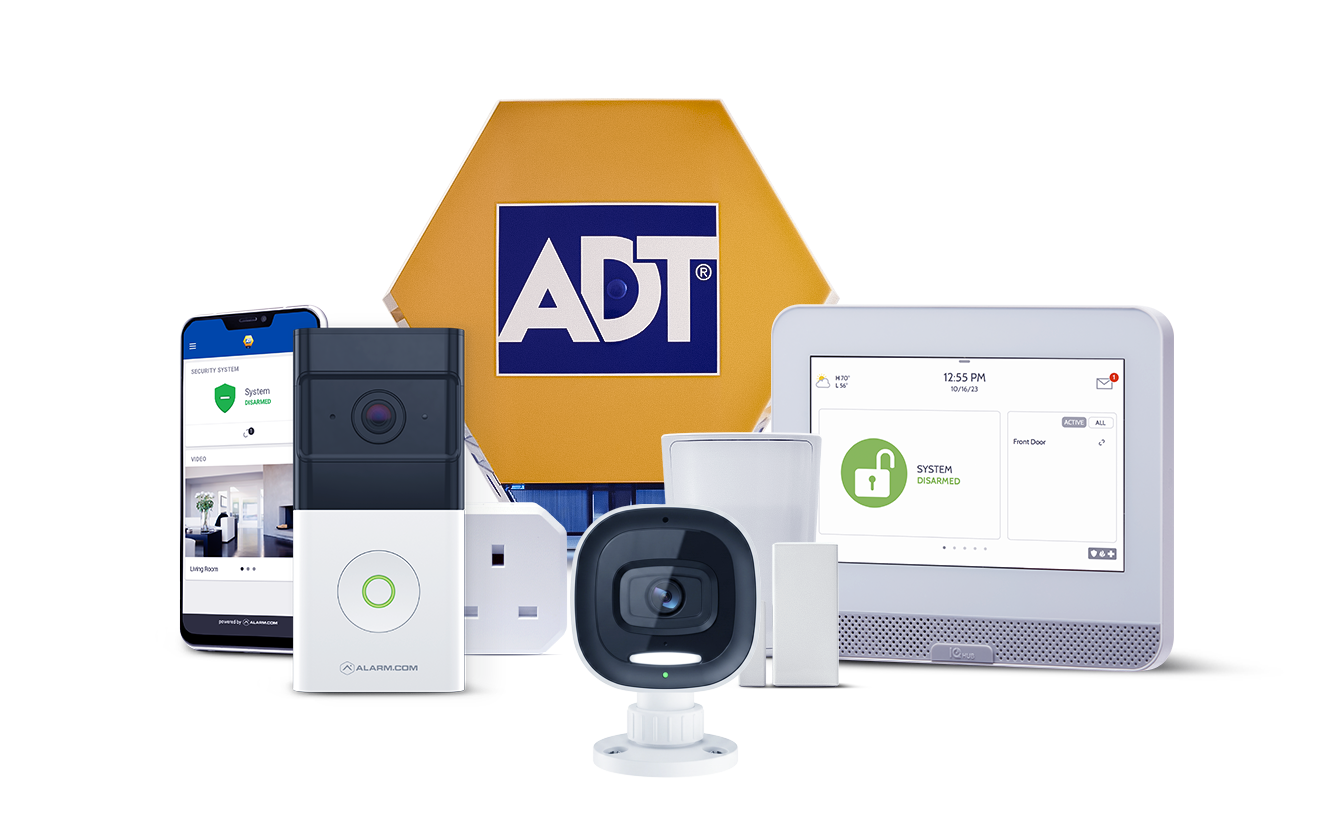
ADT sits at the top of our ranking with a 9.8/10 SecurityScore, and it's not hard to see why. With more than 150 years in the security business, ADT has an institutional history that no other brand on this list can match. That longevity translates into a SecureScore of 9.3, the highest we recorded, and it consistently ranks first across multiple independent review platforms for professional monitoring and installation quality.
What sets ADT apart in 2026 is the integration with Google Nest cameras. The AI-powered facial recognition can automate access to your home, so the system knows when family members arrive and can disarm or arm accordingly. This is the kind of thoughtful automation that makes a security system feel less like a chore and more like a genuine household assistant.
The full package with professional installation and 24/7 monitoring comes in around $1,400, which positions ADT at the premium end of the market. But you're paying for the peace of mind that comes with an industry-best 6-month money-back guarantee. In our view, if you want the most established, most reliable professionally monitored system available in Australia, ADT remains the benchmark.
2. SimpliSafe Home Security
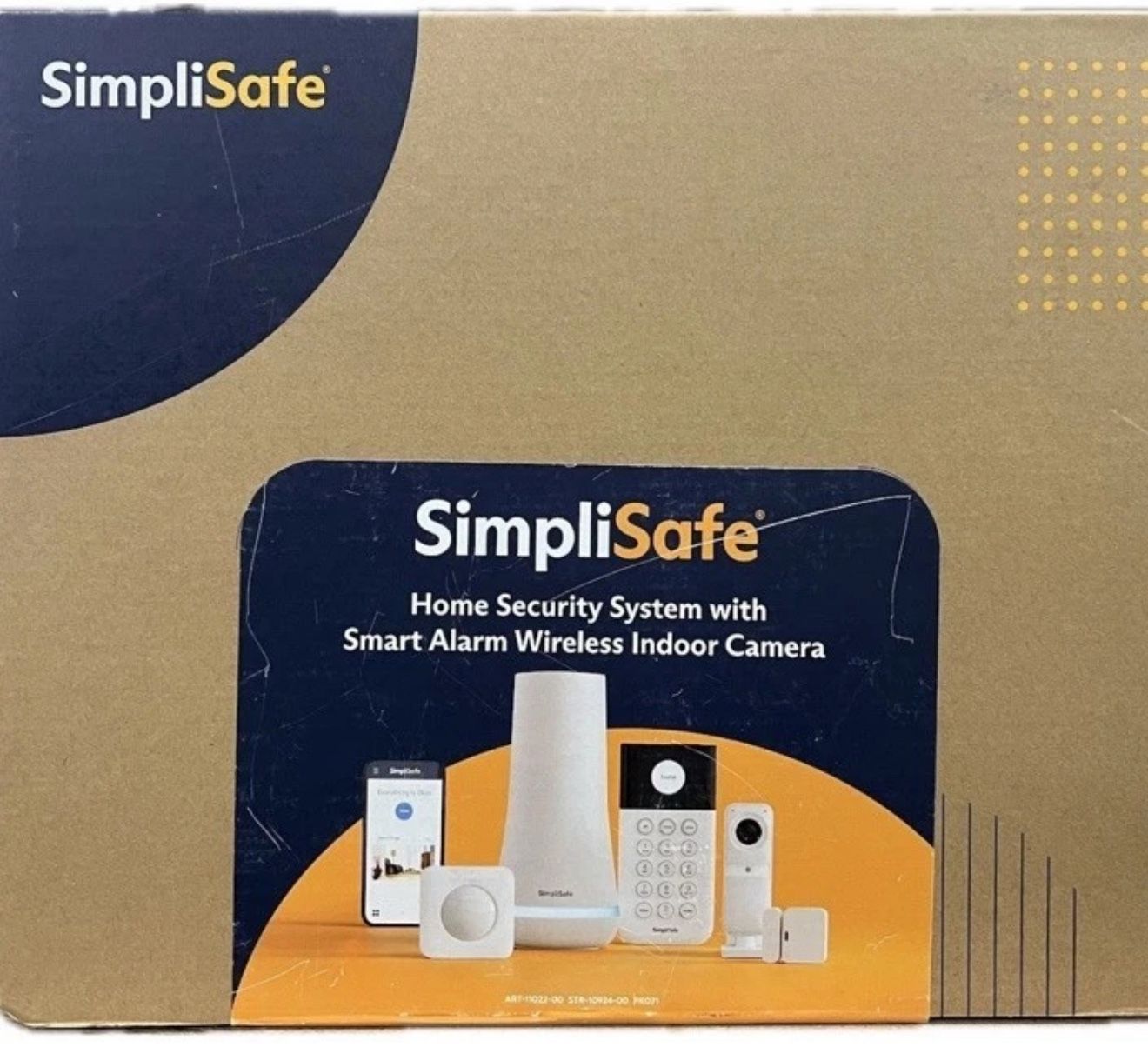
SimpliSafe matches ADT's 9.8/10 SecurityScore but takes a fundamentally different approach. This is the best intruder-deterring system we tested, thanks to features like Intruder Intervention and Active Guard Outdoor Protection. These allow monitoring agents to see and speak to intruders in real-time, which sounds simple but has a proven effect on crime prevention. A verbal warning from a live security professional is often enough to send a would-be burglar packing.
The DIY setup is genuinely budget-friendly. Entry-level kits start around $200, and there are no long-term contracts required. That flexibility extends to the monitoring plans, which range from $10 to $80 per month depending on the level of protection you want. The $50 Pro plan adds facial recognition and outdoor camera protection, while the $80 Pro Plus plan extends Active Guard service to 24/7 coverage.
PCMag named SimpliSafe one of its top picks for 2026, and the appeal is obvious. You get professional-grade monitoring without the installation appointment, the long contract, or the premium price tag. For renters or homeowners who want to take their security system with them when they move, SimpliSafe is hard to beat.
3. Vivint Smart Home
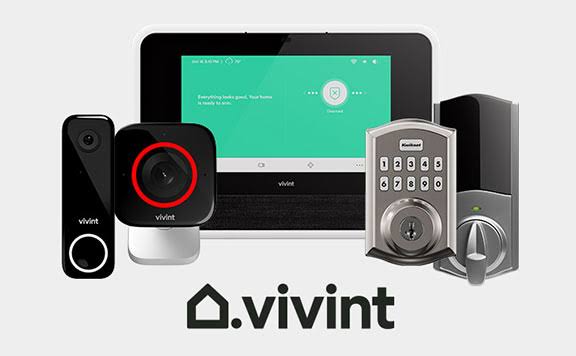
Vivint earns the third spot with a 9.4/10 SecurityScore and a clear focus on home automation. If you want a security system that also controls your lighting, locks, and thermostat, Vivint is the best option available. The professional installation is handled entirely by Vivint Smart Home Pros, so homeowners never have to pick up a tool or configure a single device.
The hardware itself is notably well designed. Security cameras feature two-way audio and bright spotlights that actively warn off would-be intruders, while the advanced AI video analytics can distinguish between people, animals, and vehicles. Equipment is durable and weatherproof, designed to look good both inside and outside the home. A core system starts at $599, with monitoring from $29 per month, though full systems typically cost at least $1,400.
Access 1 Security and SafeHome.org both rate Vivint highly for 2026, and we agree with the consensus. The trade-off is the contract requirement and the professional installation, which means this isn't the most flexible option. But for homeowners who value aesthetics, automation, and a polished experience, Vivint delivers.
4. Ring Alarm (2nd Generation)
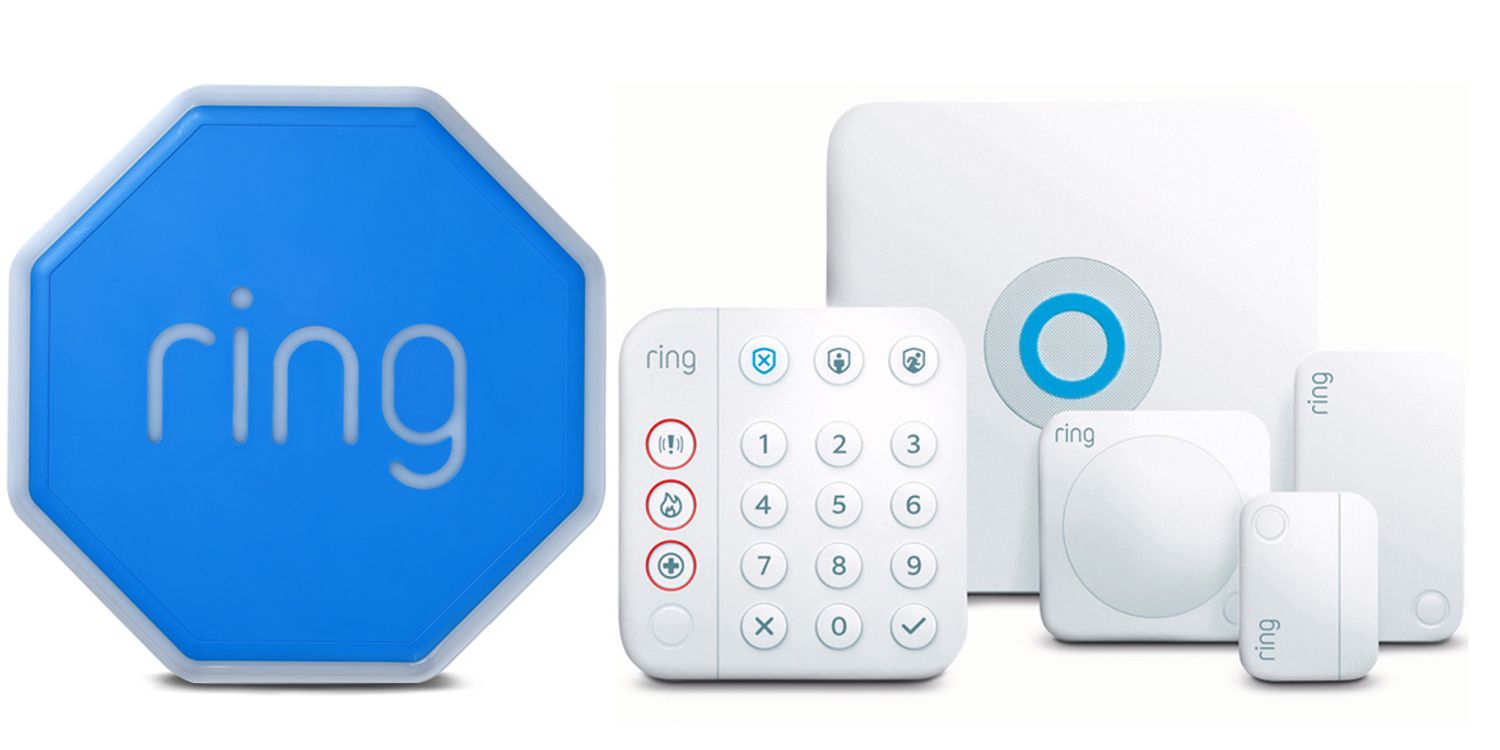
Ring Alarm is Wirecutter's top pick for home security, and the 2nd generation system justifies that recommendation. With a 7.7/10 SecurityScore, it doesn't top our scoring chart, but it offers something arguably more important: the most complete ecosystem of any brand on this list. Ring has more camera and doorbell add-ons than any competitor, and everything integrates seamlessly through one app with deep Amazon Alexa integration.
The base kit starts at $120 to $200, making it one of the most affordable entry points into professionally monitored security. Monitoring runs from $10 per month, and the $50 Pro plan adds outdoor camera protection and facial recognition. For the price, the reliability and speed of the 2nd generation system are impressive. TheUnlockr on YouTube praised its performance in 2026 testing, noting that sensor response times are noticeably faster than the previous generation.
Ring's real strength is its flexibility. You can start with a basic alarm kit and gradually add cameras, doorbells, and sensors as your budget allows. The ecosystem approach means you're never locked into a single device type, and the app experience is among the best we've tested. For most Australian households, Ring represents the sweet spot between price, features, and expandability.
5. Frontpoint Security
Frontpoint takes the fifth position with an 8.9/10 SecurityScore, and it earns that ranking through exceptional customer service and support. If something goes wrong with your system, Frontpoint's support team is consistently rated among the best in the industry. That peace of mind is worth something, especially for less tech-savvy homeowners.
The system uses cellular connectivity for reliability, which matters in Australia where fixed-line internet can be patchy in regional areas. Customizable alerts mean you control what notifications you receive and when, rather than being bombarded with every sensor trigger. Installation is DIY and straightforward, and there are no contracts required.
The subscription fees are higher than some competitors, starting at $44 per month, which reflects the premium on customer support and cellular reliability. SafeWise and Access 1 Security both rate Frontpoint highly, and it's particularly well-suited for shoppers interested in adding home security to a larger smart home ecosystem. The smart home integrations are strong, though not quite as deep as Ring or Vivint.
6. Abode (Abode iota All-In-One Security Kit)
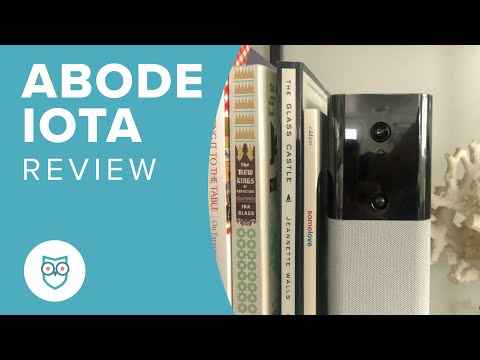
Abode is PCMag's top pick for smart home compatibility, and the iota All-In-One Security Kit is the reason why. With an 8.0/10 SecurityScore, Abode offers something increasingly rare in the security market: genuine flexibility without a contract. Pro monitoring starts at $25.99 per month, but you can also use the system self-monitored with no ongoing costs at all.
The iota kit supports Matter, Z-Wave, and Zigbee protocols, making it one of the most compatible systems for building a comprehensive smart home. This is the system to choose if you already have smart devices from multiple brands and want everything to work together. SafeWise rates it 4 out of 5 stars, noting its flexible monitoring options and excellent smart home integrations.
What we appreciate about Abode is the honesty of its approach. There's no pressure to sign a long contract, no proprietary lock-in, and no requirement to use their monitoring service if you don't want to. The equipment itself is well built and the all-in-one design of the iota keeps the footprint small. For smart home enthusiasts who want security without compromise, Abode is the clear choice.
7. Arlo Home Security
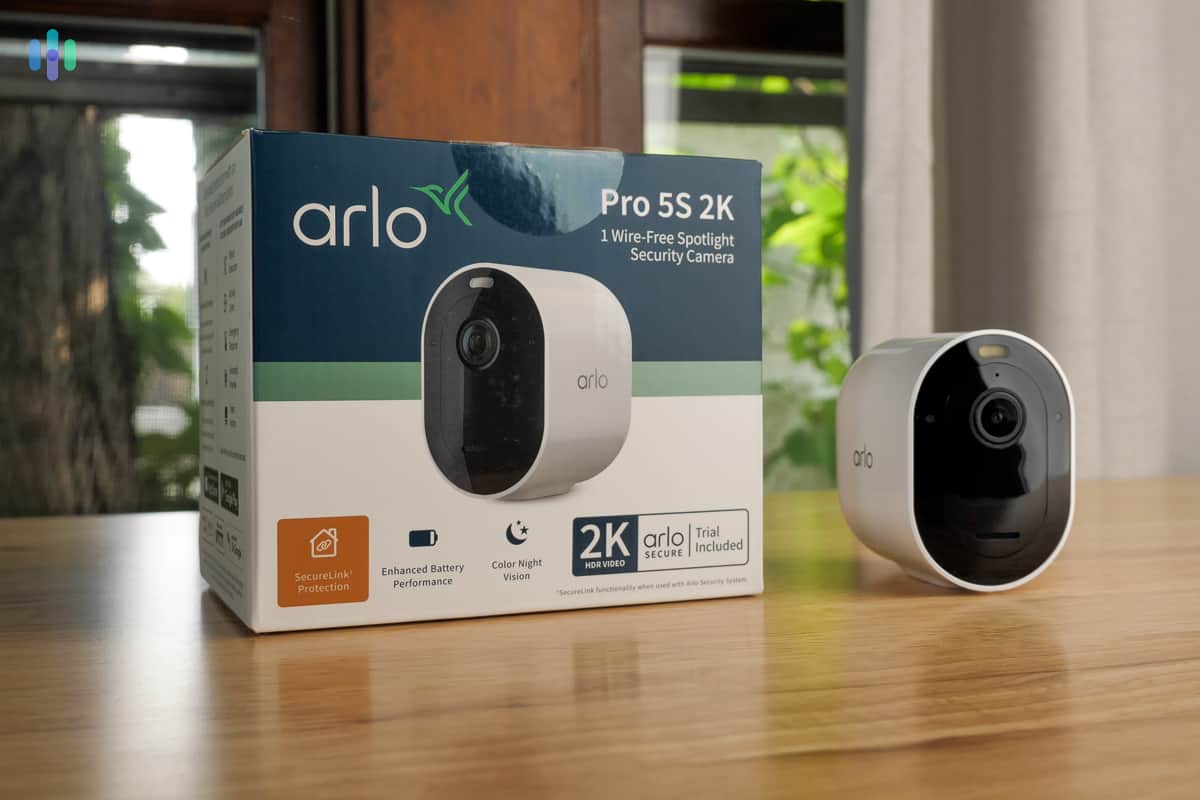
Arlo takes the seventh spot with a camera-first approach that suits a specific type of homeowner. Camera kits start from $499, and the system offers 4K video quality that is genuinely impressive. The wireless cameras have smart motion detection and flexible storage options, making this a strong choice if video evidence is your primary concern.
There are no contracts required, which is a point in Arlo's favor. However, advanced features like facial recognition and extended cloud storage require a subscription. The basic functionality works without one, but you'll want the subscription to get the most out of the system. PCMag and Access 1 Security both rate Arlo highly for 2026.
Arlo's ecosystem includes cameras, video doorbells, and AI-powered software that can analyze activity and provide useful reports about property events. That reporting is more sophisticated than most competitors, giving you a clear picture of what's happening around your home even when you're not watching live. For homeowners who prioritize video quality and intelligent alerts over traditional alarm sensors, Arlo is a strong contender.
8. Bosch Smart Home Security
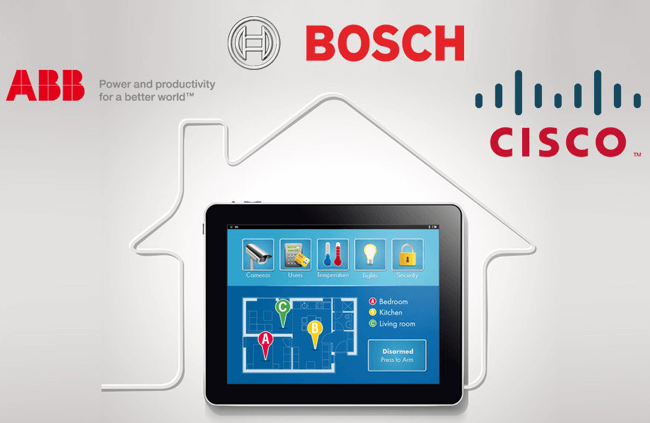
Bosch brings German engineering to the Australian security market, and that reputation for quality is the primary reason it makes our list. Equipment starts at $300, and the smart sensors deliver reliable performance with mobile notifications. The build quality is exceptional, as you'd expect from a brand with Bosch's manufacturing heritage.
The trade-off is a limited product range available in Australia. Bosch doesn't offer the same breadth of cameras, doorbells, and sensors that Ring or Arlo provide, so you're more constrained in how you expand the system. That said, if you prioritize component quality over product variety, Bosch is a reliable choice.
Access 1 Security recommends Bosch for Australian homeowners, and we understand why. The system integrates seamlessly with other smart home devices, and the sensors are among the most accurate we've tested. False alarms are rare, which matters when your monitoring service charges for callouts. For homeowners who want a security system that just works without constant tweaking, Bosch delivers.
9. Eufy Security
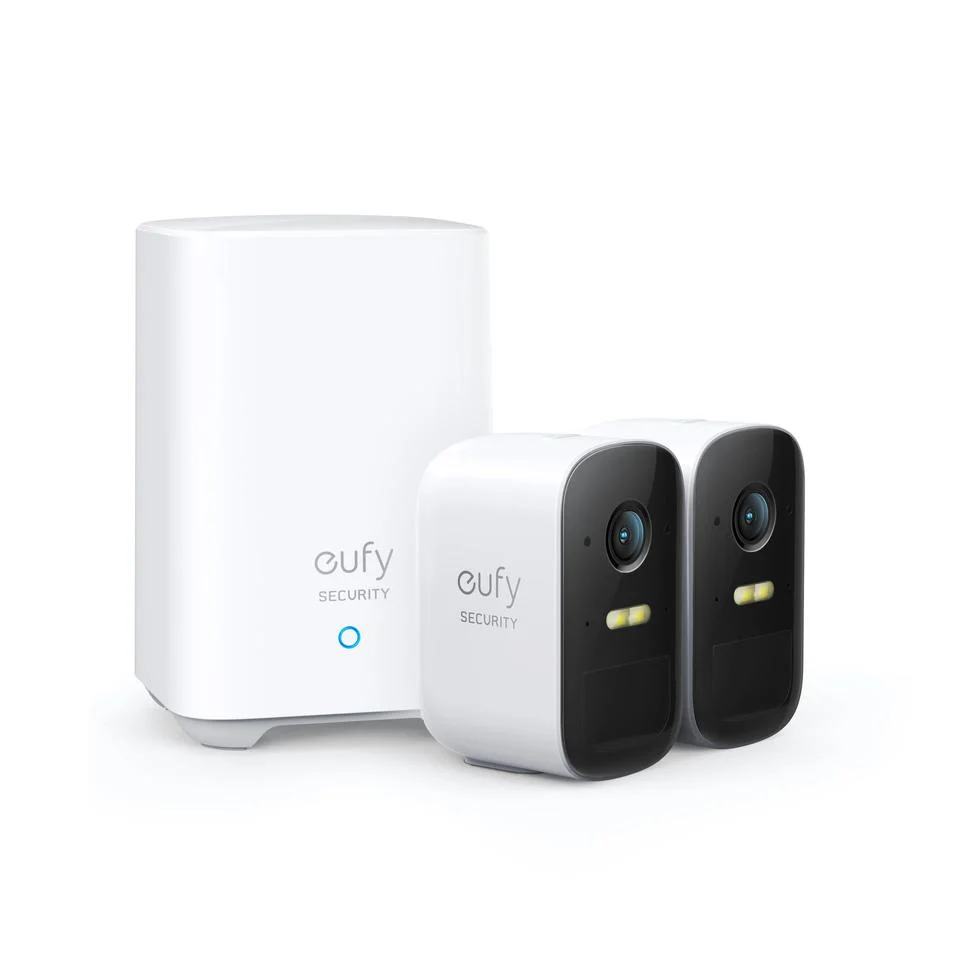
Eufy is the budget champion of this list, with basic kits starting from just $179. The headline feature is the lack of monthly fees. You pay for the equipment once, and that's it. No monitoring subscription, no cloud storage fees, no hidden costs. For budget-conscious homeowners, that's a compelling proposition.
The 4K video quality is genuinely impressive at this price point, and local storage options ensure your footage stays private and secure. Eufy's privacy-focused approach is a differentiator in a market where most systems push cloud storage subscriptions. Your footage stays on your device, under your control.
The limitations are real, though. Customer support is limited, and there's no professional monitoring option, so you're on your own when it comes to responding to alerts. YouTube reviewer 13 Home Security Brands noted in 2026 that Eufy's app has improved significantly but still lags behind Ring and Arlo in polish. For homeowners who want a simple, private, no-ongoing-cost camera system, Eufy is the best value on this list.
10. Access 1 Security Systems (Australia)
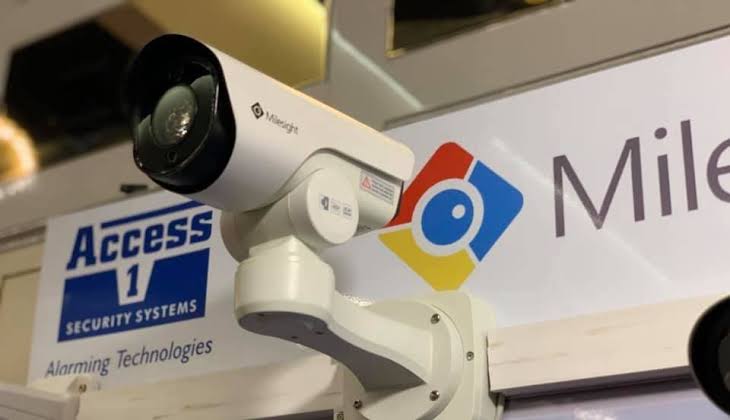
Rounding out our top 10 is Access 1 Security Systems, the only Australian-owned provider on this list. Monitoring starts from $40 per month, which is on the higher end, but you're paying for local expertise and support. The company offers highly reliable professional installation with 24/7 monitoring and home automation integration.
The mobile app control is comprehensive, and the smart home integration covers the major platforms. DLG Electrical and other local Australian sources recommend Access 1 for homeowners who want a system tailored to Australian conditions. That means equipment configured for Australian network frequencies, support staff who understand local issues, and installation technicians who know how to work with Australian building materials.
For homeowners who prefer dealing with a local company rather than an international call center, Access 1 is the obvious choice. The monthly fees are higher than DIY options, but the professional installation and ongoing local support justify the premium. It's the right option for those who want a hands-off, professionally managed security solution.
Related Posts


0 Comments
Join the discussion and share your thoughts
No Comments Yet
Be the first to share your thoughts on this article!