Top 10 Best Fashion Brands In India 2026

Table of Contents
To build this ranking of the best fashion brands in India for 2026, we weighed revenue figures from FY25, store counts, brand valuation data, and consumer sentiment across both physical retail and e-commerce channels. We also considered each brand's cultural relevance, growth trajectory, and ability to adapt to India's shifting fashion preferences. The list blends international fast-fashion giants with homegrown heritage houses and digital-first labels, reflecting the full spectrum of how India dresses today.
The State of Indian Fashion in 2026
India's fashion market has never been more fragmented - or more exciting. The organized retail segment continues to grow at roughly 12-15 percent annually, but the real story is how distinct consumer tribes now shop in completely different ways. A bride in Jaipur might wait three years for a Sabyasachi appointment while her cousin in Bengaluru orders a ₹399 graphic tee from Bewakoof before a college fest. Both are participating in the same fashion economy, just at opposite ends of it.
What unites them is a growing appetite for branded clothing. Tier 2 and Tier 3 cities are driving much of the expansion, with value-fashion players like Zudio opening stores in cities that international brands overlooked for decades. Meanwhile, luxury houses are deepening their presence in metros, and e-commerce platforms have made thousands of brands accessible to anyone with a smartphone. The result is a market where the top 10 brands below represent very different business models, price points, and consumer bases - yet all of them have earned their place in India's fashion consciousness.
The Top 10 Best Fashion Brands In India 2026:
1. H&M
The Swedish fast-fashion giant sits comfortably at the top of India's fashion hierarchy, and the numbers explain why. H&M generated ₹3,595 crore in revenue in India during FY25, making it the most successful international fashion retailer in the country. Globally, the brand operates over 500 stores, with more than 60 of those located across Indian cities.
H&M's appeal in India rests on a simple formula: trend-driven collections at price points that middle-class shoppers can justify. The brand refreshes its inventory constantly, which keeps young consumers coming back monthly rather than seasonally. Its Conscious collection, built around recycled and sustainable materials, has also resonated with a generation of Indian shoppers who increasingly factor environmental impact into purchasing decisions.
Size inclusivity has been another differentiator. H&M stocks XS through XXL across most of its product lines, which remains surprisingly uncommon among fashion retailers in India. Add in its app and website with exclusive online-only pieces, plus periodic designer collaborations that generate genuine buzz, and you have a brand that has mastered both the physical and digital shopping experience. For Indian millennials and Gen Z shoppers, H&M has become the default destination for affordable, current fashion - and that position shows no signs of weakening.
2. Zara
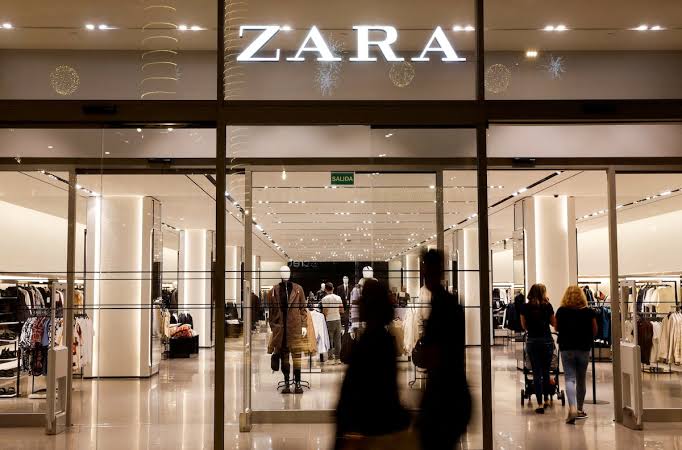
Zara operates on a different philosophy than H&M, yet the results are nearly as impressive. The Inditex-owned brand pulled in ₹2,782 crore in revenue in India during FY25 from just over 20 stores. That revenue-per-store figure is among the highest in Indian retail, a testament to how effectively Zara converts foot traffic into sales.
The brand's "fast fashion perfected" model is well documented: new designs hit stores every two weeks, creating a constant sense of freshness that drives repeat visits. What's less understood is the operational machinery behind it. Zara's vertically integrated supply chain moves designs from sketch to store shelf in roughly 15 days, a speed that competitors struggle to match. In India, this means the brand can respond to regional trends and festivals with surprising agility.
Zara's Indian stores are substantial affairs, typically spanning 15,000 to 30,000 square feet in premium malls like DLF Emporio in New Delhi and Phoenix Marketcity in Mumbai. The minimalist aesthetic carries through both physical and digital channels, with an augmented reality app and a robust online store that have strengthened its omnichannel presence. Prices run higher than H&M, but Zara's aspirational value and perceived quality justify the premium for its loyal customer base. For Indian shoppers who want European fashion sensibility without traveling to Europe, Zara remains the reference point.
3. Fabindia
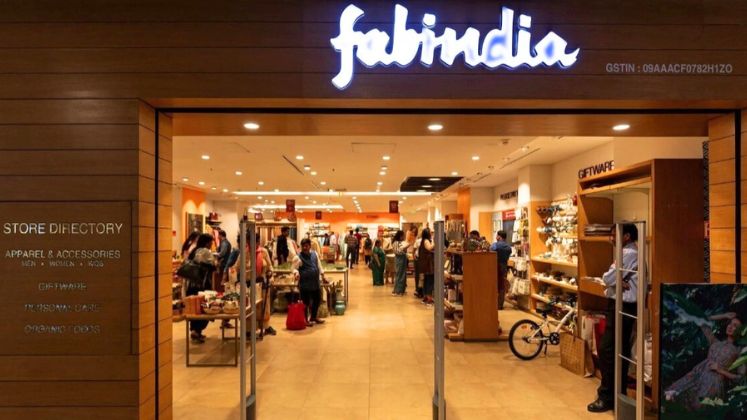
No other brand on this list embodies the phrase "made in India" quite like Fabindia. Founded in 1960 by John Bissell, the company has grown into the country's largest ethnic wear and handloom retailer, with a brand value estimated at $650 million as of 2022. Its network spans more than 300 stores across India and select international locations.
What makes Fabindia genuinely unique is its supply chain. The brand works with over 55,000 craftspeople across more than 100 craft clusters, connecting rural artisans directly with urban consumers. This model preserves traditional techniques like block printing, khadi weaving, and handloom silk production while providing sustainable livelihoods to communities that might otherwise abandon these crafts. When you buy a Fabindia kurta, you're not just purchasing clothing - you're participating in a preservation project that has run for over six decades.
The product range has expanded well beyond apparel into home furnishings, personal care, and organic foods, which has diversified revenue and deepened customer loyalty. Fabindia's aesthetic appeals to domestic shoppers seeking authentic Indian textiles, as well as tourists and the Indian diaspora looking for heritage fashion. Its commitment to organic cotton and ethical production resonates with a growing segment of conscious consumers. In a market flooded with fast fashion, Fabindia stands as proof that slow, sustainable fashion can thrive commercially when executed with conviction.
4. Myntra
Myntra isn't a fashion brand in the traditional sense - it's a marketplace that hosts more than 4,000 brands. But its influence on how India shops for clothing makes it impossible to exclude from any ranking of the country's most important fashion players. Valued at $1.2 billion in 2023, Myntra ranks as India's second most valuable fashion brand, trailing only the combined Reliance portfolio.
The Flipkart-owned platform has built its dominance through a combination of technology and private labels. Brands like Roadster, HRX by Hrithik Roshan, and Here&Now generate significant margins while offering inventory that can't be found anywhere else. These exclusive collections keep shoppers returning to Myntra rather than browsing competitor platforms.
Myntra's technological investments have paid off handsomely. Its AI-driven personalization engine recommends products with surprising accuracy, while AR virtual try-on features reduce the hesitation that comes with buying clothes online. The "Myntra Minis" short-video shopping experience, launched to compete with social commerce platforms, has turned browsing into entertainment. With more than 50 million annual active users and same-day delivery options in metro cities through its M-Extra service, Myntra has fundamentally changed expectations for how quickly and conveniently Indians can shop for fashion. For millions of consumers, Myntra isn't an app they use to buy clothes - it's the primary way they discover what to wear.
5. Reliance Brands
Ranking individual brands is straightforward; ranking conglomerates requires a different approach. Reliance Brands earns its spot here through the combined power of its apparel portfolio, which includes Allen Solly, Peter England, and Van Heusen. Together, these labels carry a combined brand value of $3.5 billion and operate across more than 1,000 stores nationwide.
Each brand serves a distinct function within the portfolio. Allen Solly pioneered the "Friday Dressing" concept in India, popularizing smart casuals in corporate environments that had previously demanded strict formal wear. Peter England occupies the value-formal segment, making branded shirts and trousers accessible to first-time office workers. Van Heusen targets premium professionals willing to pay more for superior fabric and fit. Together, they cover the entire spectrum of Indian workplace dressing.
Reliance's retail strategy leverages the conglomerate's vast ecosystem. The brands appear in exclusive outlets, shop-in-shops within Reliance-owned malls, and aggressively on Ajio, the group's e-commerce platform. Manufacturing partnerships and distribution networks reach deep into Tier 2 and Tier 3 cities, bringing branded formal wear to markets that international competitors have struggled to serve profitably. For millions of young Indians entering the corporate workforce each year, their first branded formal shirt is likely to come from one of these three labels.
6. Raymond
Raymond has been dressing Indian men for nearly a century - the brand was founded in 1925 - and its longevity speaks to something deeper than fashion trends. With annual revenue exceeding ₹3,200 crore and more than 1,400 retail stores, Raymond controls roughly 60 percent of India's worsted suiting market. That dominance is built on a foundation few competitors can replicate.
The company's vertical integration is extraordinary by any standard. Raymond manages its entire value chain, from sheep farming in Australia through wool processing, fabric weaving, tailoring, and retail. This end-to-end control ensures quality at every stage, which matters enormously in a category where customers are making significant investments in garments meant to last for years.
The Raymond Shop format offers made-to-measure tailoring services that remain essential for Indian weddings and formal occasions. A groom's suiting is not a purchase; it's a ritual, and Raymond has positioned itself as the trusted partner for that ritual across generations. The brand has also worked to modernize its appeal through "Raymond Casual" for relaxed occasions, expansion into women's wear, and digital campaigns like "Get the Right Fit" that speak to younger consumers. Heritage brands often struggle to stay relevant; Raymond has managed the balance by respecting its legacy while acknowledging that Indian men now dress for more occasions than their fathers did.
7. Sabyasachi
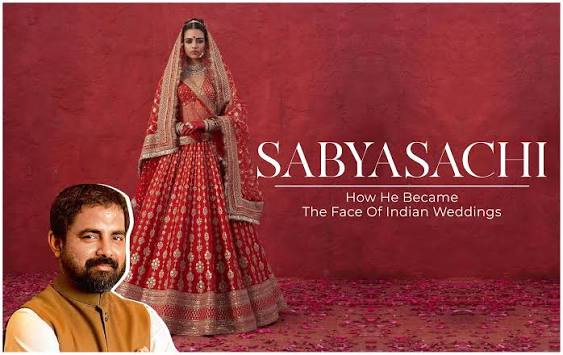
At the pinnacle of Indian luxury fashion sits a single name: Sabyasachi. The eponymous label founded by Sabyasachi Mukherjee has an estimated brand value exceeding $500 million, with flagship stores in Mumbai, New Delhi, and Kolkata. Demand is so intense that couture bridal appointments carry a waiting list of more than three years.
The brand's bridal ensembles are masterpieces of craftsmanship. Each piece requires three to six months of handwork by master artisans, incorporating intricate zardozi embroidery, heirloom-quality silk, and design elements drawn from India's royal heritage. Prices reflect this labor intensity: ready-to-wear pieces start around ₹1.5 lakh, while couture bridal lehengas can cross ₹25 lakh. For many Indian families, a Sabyasachi bridal outfit is not clothing but an heirloom, meant to be preserved and passed down.
Mukherjee has also proven adept at expanding beyond couture without diluting the brand's exclusivity. The 2019 collaboration with H&M brought Sabyasachi aesthetics to mass-market price points, generating enormous publicity. Licensing deals for fine jewelry and accessories have extended the brand into adjacent categories. Celebrities regularly wear Sabyasachi for weddings and red carpets, reinforcing its status as the definitive name in Indian luxury. For brides who want to feel like royalty on their wedding day, there is simply no higher aspiration than a Sabyasachi ensemble.
8. Zudio
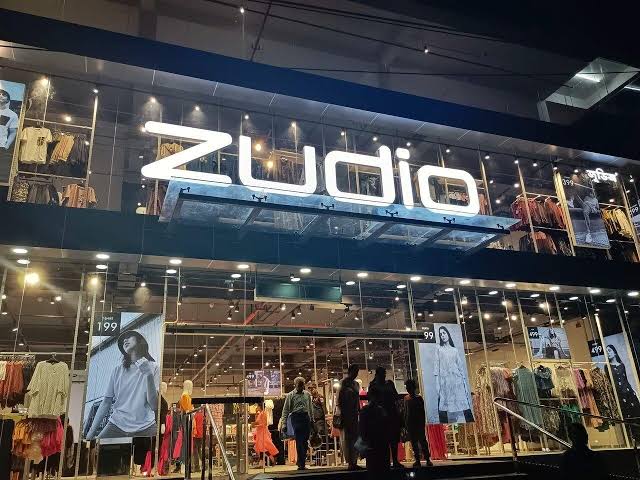
Zudio is the disruptor on this list, and its growth trajectory has been nothing short of remarkable. Owned by Tata's Trent Ltd., the value-fashion retailer has expanded from just 30 stores in 2019 to more than 500 stores across over 100 Indian cities by 2026. Revenue has grown at a rate exceeding 40 percent annually since 2020, making Zudio one of the fastest-growing fashion retailers in the world.
The brand's model is elegantly simple: trendy apparel at price points between ₹199 and ₹999, positioned to undercut competitors like Pantaloons and Max. Stores average 6,000 to 10,000 square feet in high-footfall locations, often in shopping centers that cater to middle-class families. Zudio eliminates middlemen, keeps marketing costs minimal, and refreshes inventory every two to three weeks. The "fashion at factory prices" positioning has resonated powerfully with cost-conscious shoppers who still want to look current.
Zudio's rise reflects a broader shift in Indian retail. The value-fashion segment is growing faster than premium or luxury categories, driven by rising aspirations in smaller cities and towns. Young consumers who previously bought unbranded clothing from local markets now have a branded alternative that doesn't strain their budgets. Zudio has tapped into this demographic with remarkable precision, building a loyal Gen Z following that values both style and affordability. Its momentum shows no signs of slowing.
9. Nike
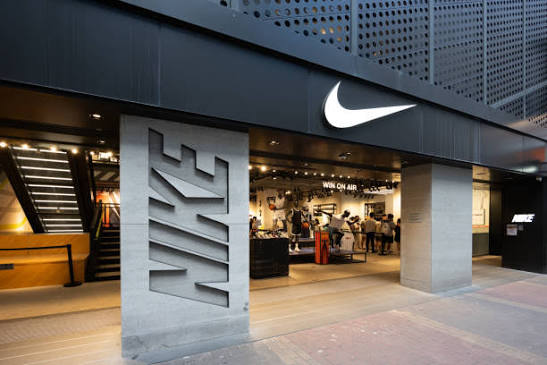
Nike's inclusion on this list reflects the growing convergence of fashion and sportswear in India. The brand holds more than 25 percent market share in athletic footwear and apparel, making it the country's largest sportswear label by a comfortable margin. Its network of over 200 exclusive stores is supplemented by partnerships with multi-brand retailers and a robust direct-to-consumer e-commerce platform.
What sets Nike apart in India is cultural relevance. The brand has invested heavily in connecting with Indian consumers through cricket-focused campaigns, collaborations with Indian athletes, and localized product drops. The "Nike Rise" concept store in Mumbai exemplifies this approach, offering hyper-local products designed specifically for the Indian market. This isn't a multinational imposing global templates; it's a brand that has studied how Indians exercise, dress, and express themselves through sport.
The timing works in Nike's favor. India's sportswear market is projected to reach $9.5 billion by 2027, driven by a fitness culture that has expanded well beyond cricket into running, gym training, and athleisure. Nike's premium positioning and innovation pipeline keep it ahead of rivals Adidas and Puma, even as those competitors invest heavily in the Indian market. For young Indians who want performance gear that also functions as streetwear, Nike remains the default choice.
10. Bewakoof
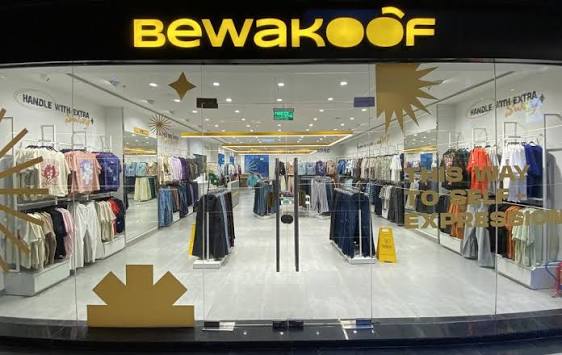
The name translates roughly to "fool" or "idiot" in Hindi, and that irreverence is exactly the point. Bewakoof has carved out a distinctive space in Indian fashion by serving the quirky, meme-driven segment of Gen Z and millennial consumers who want clothing that makes a statement without taking itself too seriously.
Launched in 2012 by IIT graduates, the digital-native brand specializes in graphic tees, boxer shorts, and casual wear featuring pop-culture references, Bollywood satire, and humor that feels authentically Indian. The brand has been downloaded more than 5 million times, with approximately 80 percent of revenue coming from online channels and an average order value between ₹600 and ₹800.
Bewakoof's business model is built around bypassing marketplace commissions. Around 90 percent of sales flow through its own website and app, allowing the brand to maintain prices under ₹999 for most products while preserving margins. The "Bewakoof Plus" premium line and expansion into accessories and phone cases have diversified the catalog without diluting the brand's voice.
In a market dominated by serious fashion houses, Bewakoof's willingness to be playful has proven commercially astute. Young Indians increasingly want clothing that reflects their sense of humor and cultural references, not just their style preferences. Bewakoof delivers that at price points that make impulse purchases easy, and its loyal following shows no signs of outgrowing the brand.
Related Posts


1 Comment
Join the discussion and share your thoughts