Top 10 Best AI Executives In The World 2026

Table of Contents
To identify the most influential AI executives in the world for 2026, we evaluated leaders based on several factors: direct control over frontier AI model development, scale of AI infrastructure and compute resources, integration of AI into widely used products, influence on AI policy and safety debates, and market impact measured through revenue, valuation, or user adoption. We prioritized executives who shape how AI is built, deployed, and governed at a global level. The list reflects a mix of platform CEOs, lab directors, and hardware leaders whose decisions affect billions of users and trillions of dollars in market value.
The Top 10 Best AI Executives In The World 2026:
1. Satya Nadella
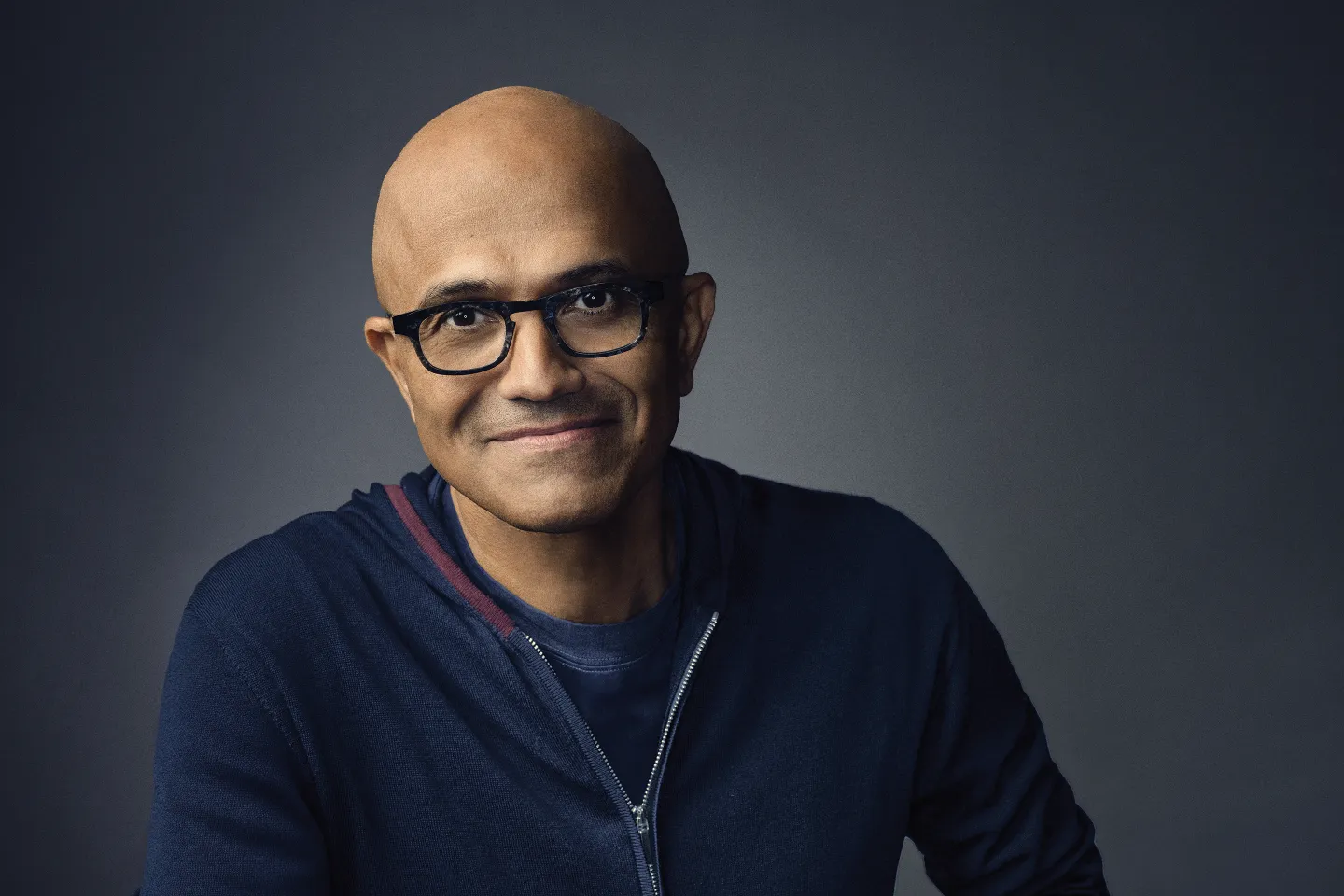
Satya Nadella has transformed Microsoft into the defining AI platform company of this era. As CEO, he oversees a company with a market capitalization of approximately $3.0 trillion as of 2024, with AI-driven products now sitting at the very center of Microsoft's strategy. Under his leadership, Microsoft orchestrated multi-billion-dollar investments in OpenAI, securing exclusive cloud hosting rights and deep integration of GPT models across its product line.
The results are visible everywhere. Microsoft 365 Copilot brings generative AI into Word, Excel, PowerPoint, and Teams. GitHub Copilot has become the most widely used AI coding assistant in the world. Azure AI infrastructure now serves as the primary cloud backbone for many frontier models, and Microsoft has become one of the largest buyers of GPU infrastructure globally. Nadella consistently ranks among the most influential tech CEOs in global lists and is widely cited as the executive most responsible for bringing generative AI into mainstream enterprise software.
What sets Nadella apart is his combination of control over one of the largest AI compute stacks, deep integration of AI into ubiquitous productivity tools, and a pivotal governance role through Microsoft's influence over OpenAI. This gives him unmatched practical impact on how AI is built and deployed around the world.
2. Sam Altman
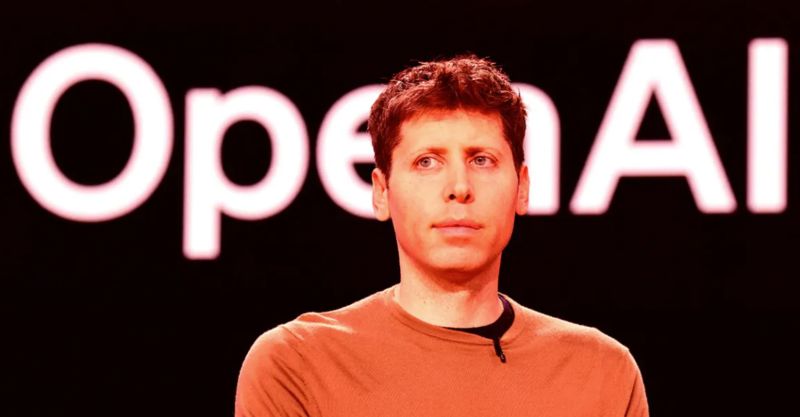
Sam Altman leads OpenAI, the lab behind ChatGPT, which reached 100 million weekly active users in 2024 and is deployed through Microsoft and thousands of global enterprises. As co-founder and CEO, Altman oversees the development of the GPT-4 series, ChatGPT, DALL-E, and one of the most widely used AI API platforms in existence.
Altman has raised many billions of dollars in capital, primarily from Microsoft, and orchestrated large-scale GPU procurement and data-center expansion to train frontier models. He is also a central figure in AI safety and policy debates, frequently testifying before governments and convening global regulators to discuss risk frameworks. His ability to shape both the technical trajectory and the public conversation around AI is rare.
While Altman directly sets the frontier of generative AI, he operates within a partnership heavily influenced by Microsoft. This slightly reduces his structural power relative to Nadella, but his direct role in pushing the boundaries of what large language models can do keeps him near the top of any list of influential AI executives.
3. Jensen Huang
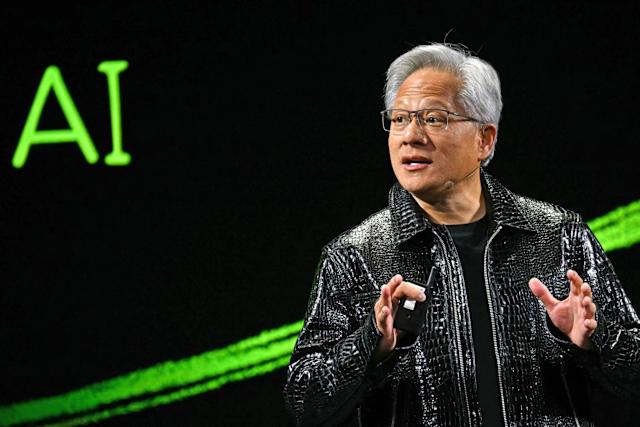
Jensen Huang leads NVIDIA, the dominant supplier of the hardware that powers virtually every major AI system. NVIDIA held over 80% of the data-center GPU market for AI workloads in 2024, and its revenue surpassed $60 billion in fiscal year 2024, largely driven by AI chip sales. Huang co-founded the company and has served as its CEO since its inception.
NVIDIA's A100, H100, and B100 GPUs, along with the CUDA ecosystem and specialized DGX systems, form the backbone of AI training and inference infrastructure across hyperscalers and major labs. Without NVIDIA's hardware, the current wave of large language models and generative AI would simply not exist at scale. Under Huang's leadership, NVIDIA's market cap has surged into the multi-trillion-dollar range, reflecting investor belief that AI demand will remain structurally high for years to come.
Huang does not control a consumer AI platform directly. But he effectively sets the pace of global AI capability through hardware and tooling, making him the key "arms supplier" of the AI era and one of the most strategically important executives in the field.
4. Sundar Pichai
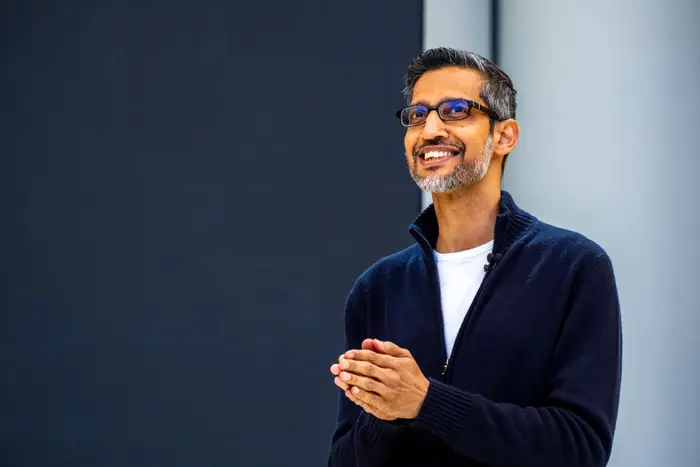
Sundar Pichai oversees Google's massive AI transformation as CEO of Alphabet. Google invested tens of billions of dollars annually in R&D, with over $40 billion spent in 2023, and AI sits at the center of that spending. Pichai directs efforts across Google DeepMind, the Gemini family of models, AI-powered Search, YouTube recommendations, advertising systems, and Android.
Google pioneered many foundational AI techniques, including the Transformer architecture and attention mechanisms that underpin virtually all modern large language models. The company also developed large-scale TPU hardware that competes with NVIDIA's GPUs. Under Pichai's leadership, Google has rolled out Gemini and AI Overviews in Search, affecting billions of users and a large share of global advertising revenue.
Although Google faces strong competition from OpenAI and Microsoft, Pichai's control over vast datasets, custom TPU hardware, and distribution channels to billions of users makes him one of the most consequential AI executives. His role in steering DeepMind and integrating AI across Google's product ecosystem keeps him firmly in the top tier.
5. Demis Hassabis
Demis Hassabis runs Google DeepMind, Alphabet's central advanced AI lab, as CEO and co-founder. His teams have produced landmark breakthroughs including AlphaGo, which defeated the world champion in the ancient game of Go, and AlphaFold, which has mapped structures for over 200 million proteins, accelerating biological research worldwide.
Under Hassabis, DeepMind has also contributed to the development of Gemini, Google's flagship family of large language models. The lab's work in reinforcement learning, protein folding, and large-scale generative models underpins Google's push to embed AI across Search, Cloud, and Workspace. Hassabis is also a prominent voice in AI safety, co-authoring and signing multiple policy letters and participating in global AI safety summits.
He directs one of the world's premier AI research organizations and sets the long-term technical direction for Alphabet's frontier AI. Because he operates under Alphabet's corporate governance, his systemic leverage is slightly lower than that of the global platform CEOs ranked above him. But his scientific contributions and research leadership are unmatched.
6. Mark Zuckerber
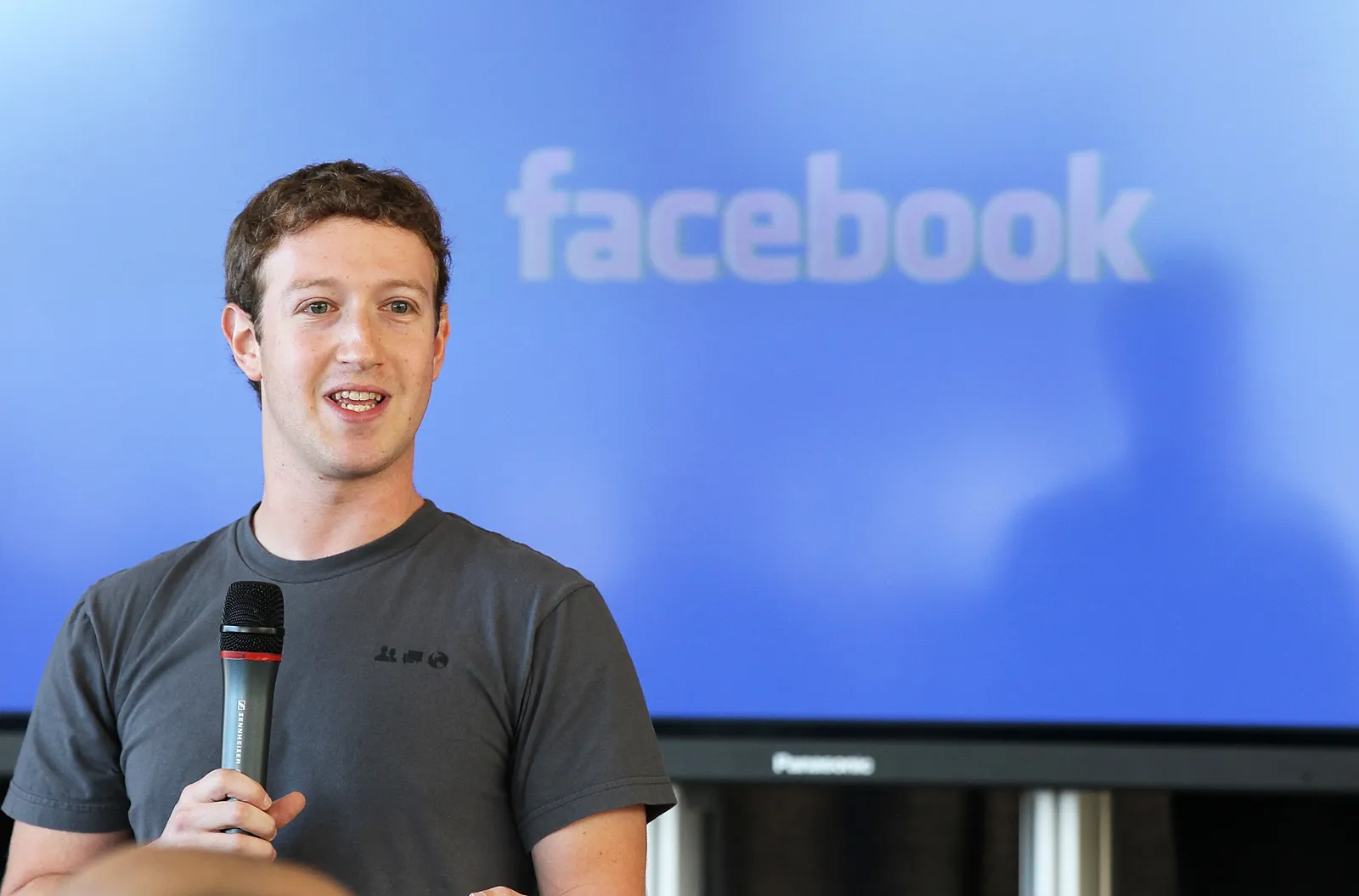
Mark Zuckerberg has repositioned Meta as an AI-first company. As CEO, he oversees the deployment of recommendation and ranking algorithms across Facebook, Instagram, WhatsApp, and Threads, serving over 3 billion monthly active users. Meta has also released multiple versions of its Llama family of open-weight large language models, investing tens of billions of dollars in AI and metaverse infrastructure, including large GPU clusters.
Zuckerberg has championed an open-weight model strategy, enabling thousands of companies and researchers worldwide to build on Llama. This approach has influenced the broader AI ecosystem beyond Meta's walls, creating an alternative to the closed models offered by OpenAI and Google. Meta's scale gives it immense data and deployment reach for both generative and discriminative AI.
His combination of open-weight model leadership and massive consumer distribution makes him a central AI player. Meta's commercial influence on the frontier model landscape is somewhat less dominant than Microsoft, OpenAI, or Google's stacks as of the mid-2020s, but Zuckerberg's willingness to open-source powerful models has reshaped the competitive dynamics of the industry.
7. Elon Musk
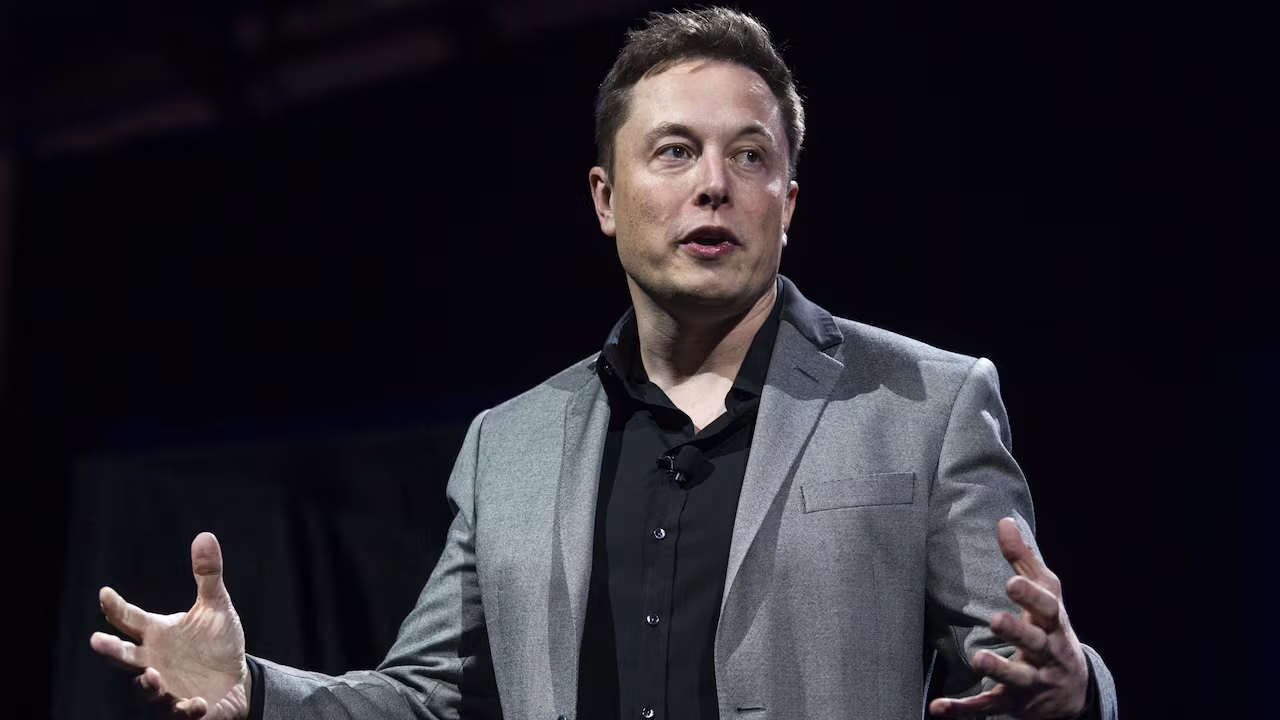
Elon Musk oversees several AI-intensive programs simultaneously. He founded xAI in 2023, which has raised significant capital and secured large GPU allocations to build the Grok family of models. He also leads Tesla's AI-driven Autopilot and Full Self-Driving systems, along with the custom Dojo training supercomputer. Additionally, he owns the X platform (formerly Twitter), which uses AI for recommendation and safety systems.
Musk has long influenced public debate about AI safety and existential risk. He previously co-founded and funded OpenAI before departing over strategic disagreements. xAI aims to build "maximally truth-seeking" AI, and Tesla's AI stack remains one of the largest real-world vision datasets deployed in consumer products. His public platform amplifies his influence on AI discourse considerably.
He bridges frontier model development with real-world robotics and autonomous systems. However, his AI labs are newer and somewhat less central to mainstream enterprise AI adoption than OpenAI, Google, or Microsoft. This places him slightly lower on a list focused on direct impact on the AI industry as a whole.
8. Dario Amodei
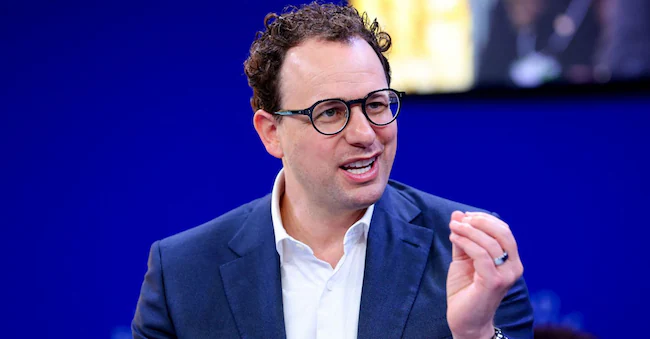
Dario Amodei co-founded and serves as CEO of Anthropic, a safety-focused frontier AI company spun out of OpenAI. Anthropic has raised billions of dollars from partners including Amazon and Google and produced the Claude family of models. Claude 3 and its successors rank among the top-tier large language models by capability, particularly on reasoning and coding benchmarks.
Under Amodei's leadership, Anthropic has built a fast-growing API business and integrated its models into major cloud platforms, productivity suites, and customer-service tools. The company is known for its constitutional AI approach, which emphasizes safe deployment through explicit principles encoded into the model's training process. Amodei regularly consults with policymakers and participates in international safety and alignment initiatives.
He has substantial influence on the technical and safety agenda of frontier AI. However, Anthropic's scale, user reach, and ecosystem integration remain smaller than those of Microsoft, OpenAI, and Google-backed products. This justifies a slightly lower rank among global AI executives, though his impact on safety research is outsized.
9. Andrew Jassy
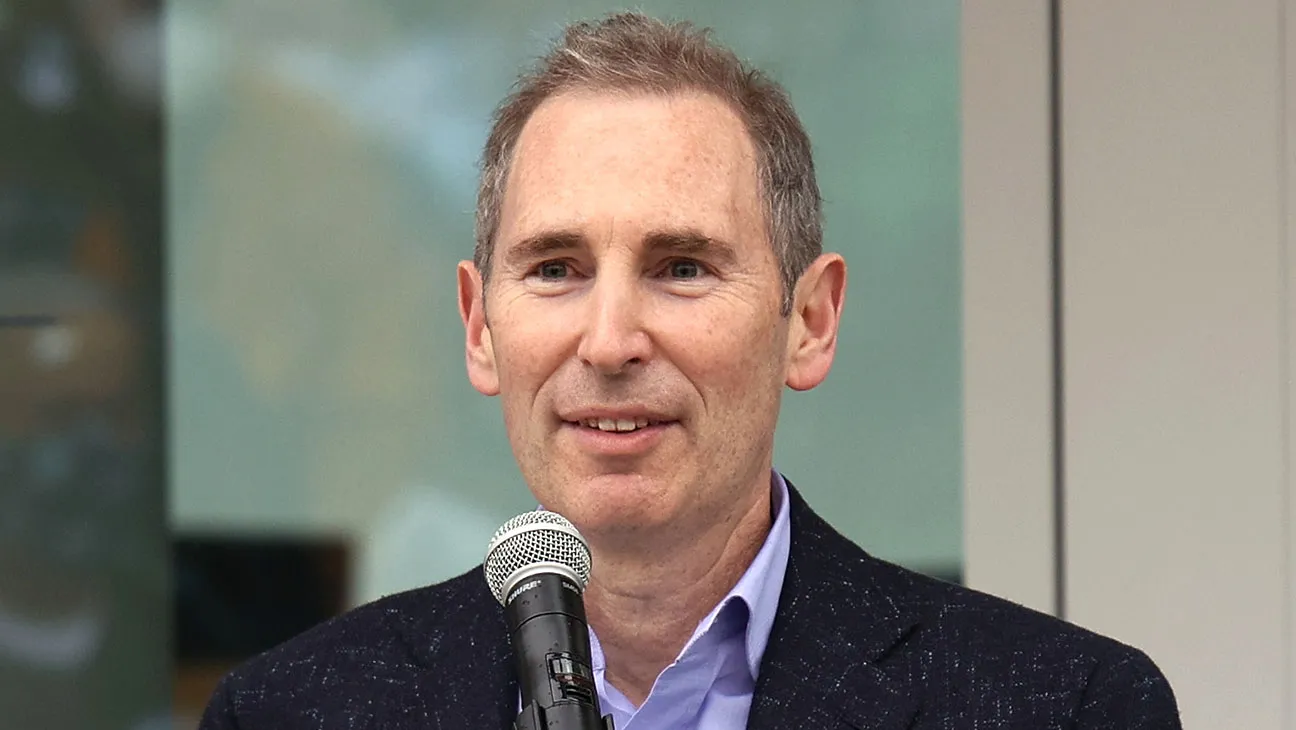
Andrew Jassy, known as Andy Jassy, serves as CEO of Amazon. AWS, the company's cloud division, holds approximately 30-32% of global cloud infrastructure services as of 2023-2024. Under Jassy's leadership, AWS has launched Amazon Bedrock for hosting foundation models, developed custom Trainium and Inferentia chips to reduce AI compute costs, and formed strategic partnerships with Anthropic and other AI companies.
Amazon's retail and logistics operations use sophisticated forecasting, recommendation, and robotics AI that Jassy helped champion during his earlier tenure as CEO of AWS. CodeWhisperer brings AI-assisted coding to developers within the AWS ecosystem. The company's investment in custom silicon reflects a long-term strategy to reduce dependence on NVIDIA GPUs while offering competitive AI infrastructure pricing.
Jassy commands one of the largest AI infrastructure and enterprise-AI distribution platforms in the world. Amazon's generative AI brand and perceived frontier-model leadership lag behind Microsoft, Google, and OpenAI, placing him slightly lower on a list focused specifically on AI executives. But the sheer scale of AWS makes him impossible to ignore.
10. Joseph Raczynski
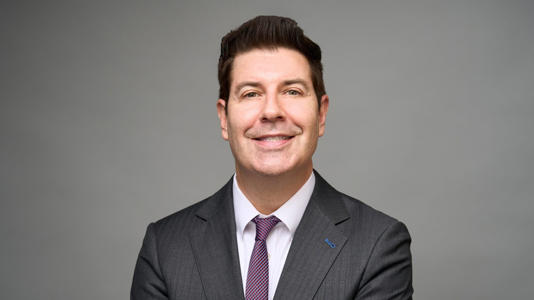
Joseph Raczynski was named to MSN's "Top 10 AI leaders to follow in 2026" list, recognized as an influential AI and legal-tech futurist and technologist. He works at the intersection of AI, law, and financial services, speaking globally on AI transformation, cybersecurity, and ethics. His inclusion in a curated list of top AI leaders for 2026 highlights his impact as a thought leader shaping how professionals understand, adopt, and govern AI.
Raczynski produces widely read analyses and presentations on AI's implications for regulation, courts, and professional services. He influences decision-makers in legal and financial sectors rather than building core AI infrastructure or frontier models. His work helps bridge the gap between technical AI capabilities and the practical, legal, and ethical frameworks needed to deploy them responsibly.
He is ranked because he appears in an authoritative curated list of 2026 AI leaders and plays a meaningful role in steering discourse and adoption. His influence is primarily advisory and educational rather than through direct control of frontier models or global AI platforms, which places him below the major corporate AI executives listed above
Related Posts




3 Comments
Join the discussion and share your thoughts