Steps to Rebuild Trust After a Betrayal in a Romantic Partnership

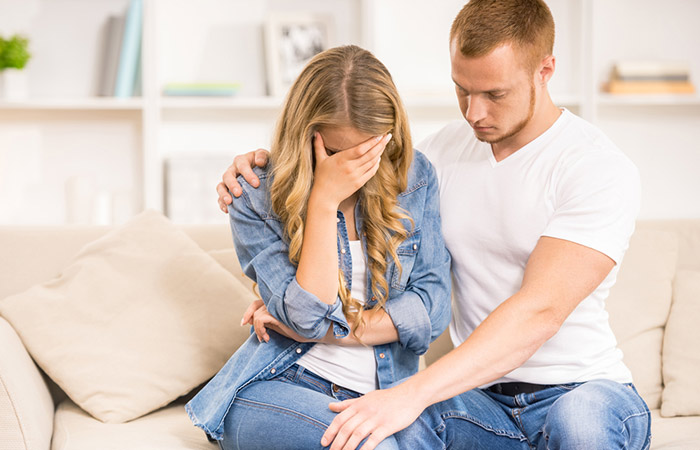
Rebuilding trust after a betrayal in a romantic partnership requires a heterogeneous approach grounded in both empirical research and practical applications. The process involves:
- Understanding statistical realities.
- Recognizing the profound impact betrayal can have on trust.
- Evaluating the effectiveness of therapy.
- Incorporating real-life strategies.
- Emphasizing trust-building behaviors.
- Acknowledging the role of communication.
- Grappling with the psychological ramifications.
- Insisting on responsibility from both partners.
- Gauging the long-term effects and necessary recovery time.
- Considering cultural and demographic influences.
Approximately 10 to 17 percent of married couples experience at least one period of separation followed by reconciliation, with statistical variations showing a quarter of Black women and a third of White women remain with their spouses a year after reconciliation. This suggests that while reconciliation after betrayal is not uncommon, it occurs within a relatively small subset of relationships, with notable differences across demographic lines. Furthermore, 40 percent of separated married couples attempt reconciliation, highlighting the propensity among many to repair their partnership despite substantial disruptions.
Feelings of betrayal can exist in any type of relationship, whether you’re dating conventionally or sugar dating. Victims of betrayal trauma exhibit marginally lowered self-rated trust in strangers but do not demonstrate notable differences in trust behavior during experimental economic trust games. This finding indicates a subtle impact of betrayal on trust, suggesting that while self-perception of trust may decline, actual trust-oriented behaviors remain relatively unchanged, at least in contrived or non-intimate settings.
Couples who engage in therapy after experiencing infidelity show a higher likelihood of rebuilding trust and improving their relationship compared to those who do not seek professional help. Therapy provides a structured environment for couples to explore their emotions, develop coping strategies, and enhance their communication skills, contributing to the repair process. Real-life accounts, such as those shared by Todd Creager, endorse the importance of acknowledging the impact of infidelity, taking responsibility, and fostering open, honest dialogue as essential components of the trust-rebuilding process.
Trust-building behaviors, characterized by consistent, reliable actions over time, emerge as critical for repairing relationships. These behaviors, more so than verbal assurances, offer tangible proof of a partner’s commitment and reliability, creating a foundation for the gradual restoration of trust. Effective communication encompasses active listening, empathy, and transparency, facilitating a deeper understanding and fostering a climate conducive to healing. Setting aside dedicated times to discuss the betrayal and monitor progress can help manage emotional responses and encourage constructive dialogue.
The psychological impact of betrayal encompasses a range of negative emotions, including fear, anger, sadness, resentment, and disappointment, undermining the sense of safety and vulnerability that characterizes healthy relationships. This emotional toll can lead to distress, anxiety, and potential depression, further complicating the trust-building process. Both partners must take responsibility for their actions and their contributions to the dynamics that precipitated the betrayal. This requires the betraying partner to own up to their actions and the betrayed partner to acknowledge any behaviors that may have contributed to the relational distress.
The duration required to rebuild trust greatly varies, influenced by the nature of the betrayal and the efforts of the involved parties. Patterns of infidelity or dishonesty that are long-standing necessitate a more protracted period of repair compared to isolated incidents that may be rooted in misunderstandings. Cultural and demographic differences play a pivotal role in reconciliation rates and relationship dynamics.
Related Posts

Receptor Grade IGF-1 LR3: Extended Molecular Signaling and Peptide Research
Receptor Grade IGF-1 LR3 is a modified IGF-1 analog studied for its prolonged receptor engagement, altered binding affinity, and role in growth and metabolic signaling research.

Top 10 Best Automobile Technology Companies In Dubai 2026

Uniting SIM Cards and Temporary Numbers: How Mobile Communication Became More Flexible
How SIM cards and internet telephony evolved side by side, from full-size cards to eSIM and cloud PBXs, and how flexible virtual numbers and specialized services now cover business communication needs.

Top 10 Best Robotics Companies In Japan 2026
12 Comments
Join the discussion and share your thoughts