Top 10 Best Luxury Fashion Brands In India 2026

Table of Contents
India's luxury fashion market has reached an inflection point. Valued at USD 10.6 billion in 2025 and projected to hit USD 18.8 billion by 2034 according to IMARC Group data, the sector is being driven by more than 700,000 high-net-worth individuals and a rapidly expanding aspirational class. Luxury e-commerce is growing at a 27% CAGR, and with North India holding 35.45% of the market, Mumbai and Delhi remain the undisputed retail capitals.
What follows is our ranking of the top 10 luxury fashion brands in India for 2026, based on global brand valuation, retail presence, cultural relevance, and consumer demand signals across the country.
How We Ranked These
We weighed several factors to build this list. Global brand value from the 2025 FashionUnited rankings provided the baseline for international houses. We then assessed each brand's physical retail footprint in India, its digital engagement with Indian consumers, and its cultural resonance in key markets like Mumbai, Delhi, and Bengaluru. For homegrown labels, we considered celebrity adoption, artisan impact, and export reach. Market data from IMARC Group and retail intelligence from Zutsu Media informed the final order.
These Are The Top 10 Best Luxury Fashion Brands In India 2026:
1. Louis Vuitton
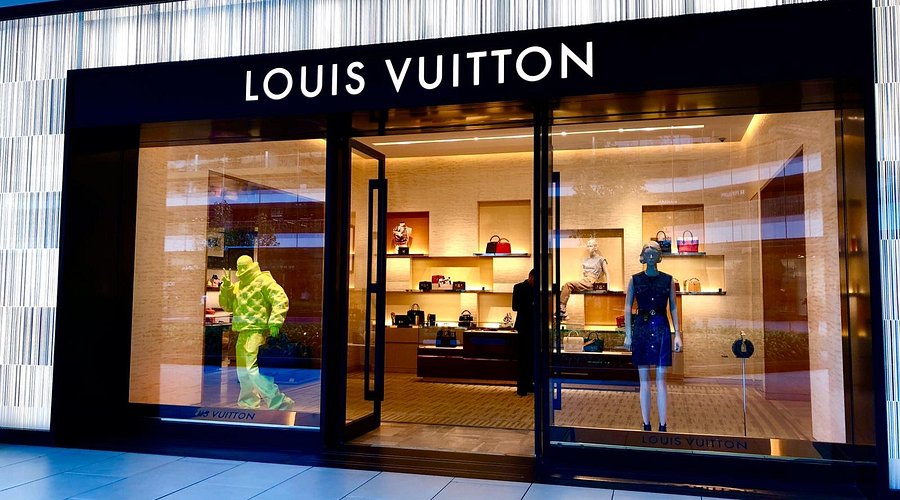
Louis Vuitton sits at the top of India's luxury pyramid, and it isn't close. The house holds the title of the world's most valuable fashion brand with a brand value of $40.7 billion in 2025, and its dominance in India mirrors that global strength. The monogram canvas Speedy and Neverfull bags function as entry-level status symbols for the country's wealthy, while exclusive standalone boutiques in Mumbai's Jio World Plaza and Delhi's Chanakya Mall serve as pilgrimage sites for luxury shoppers.
What sets Louis Vuitton apart in India is its personalization strategy. The brand offers monogramming services that appeal to Indian consumers' preference for customized, one-of-a-kind pieces. Parent company LVMH has made India a strategic priority, investing heavily in retail infrastructure and private client experiences. The result is a brand that commands premium pricing while maintaining waitlists for iconic pieces, a rare combination that demonstrates unmatched brand equity in the Indian market.
2. Dior
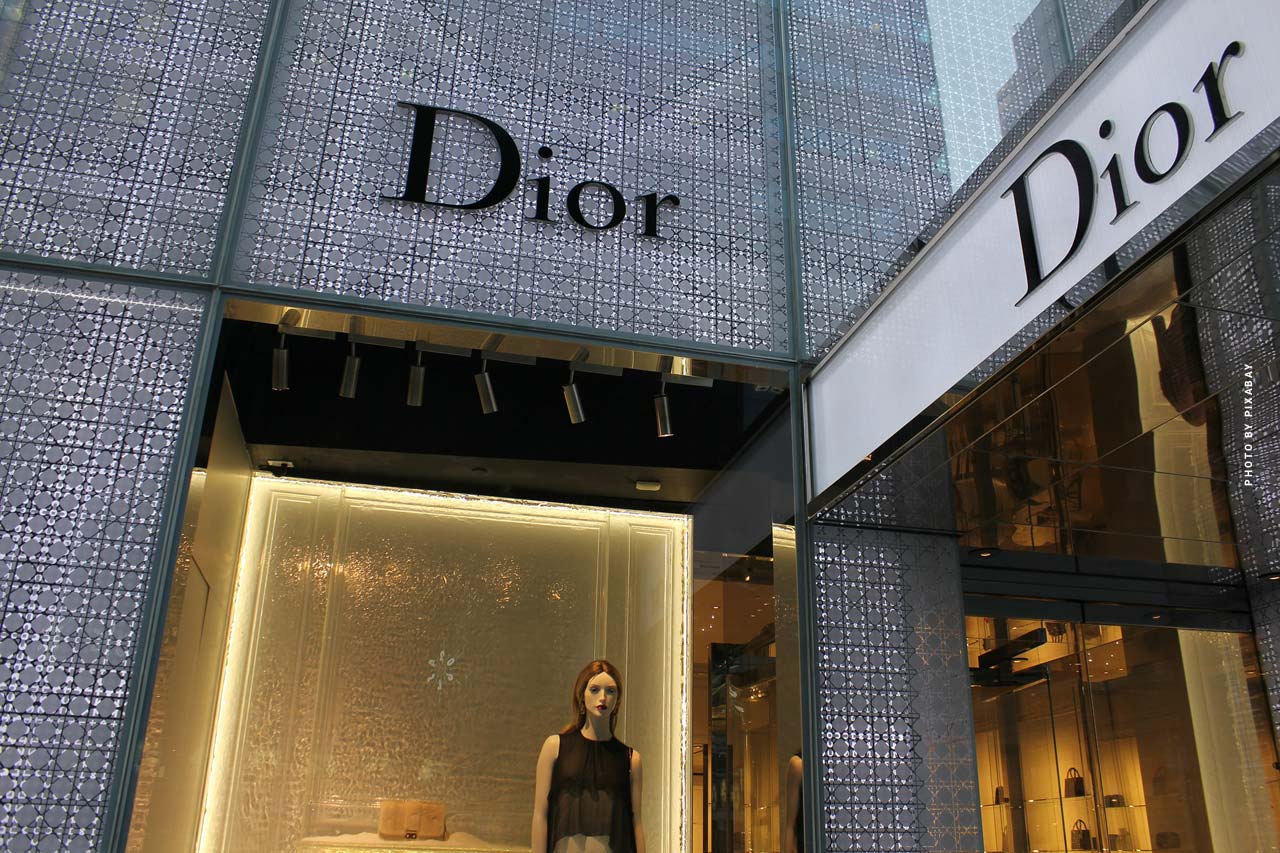
Dior's haute couture heritage resonates deeply with Indian consumers who understand fashion as craft. The Lady Dior bag and the house's fine jewellery collections have become genuine status objects in Mumbai and Delhi's top social circuits. With a global brand value of $13.3 billion, Dior ranks among the top 10 most valuable fashion brands worldwide, and its India strategy for 2026 centers on experiential retail and invitation-only private client events.
Dior's dual fashion-beauty approach gives it a unique advantage in India. The beauty and fragrance lines have achieved significant scale through selective retail and growing online distribution, serving as an accessible entry point before consumers graduate to the main fashion line. Bollywood celebrities and business families form the core of Dior's Indian clientele, drawn to the house's Parisian heritage and craftsmanship. Consistent presence at Indian fashion weeks and red carpet events cements Dior's position as a cultural force in the luxury segment.
3. Hermès
Hermès represents the pinnacle of exclusivity in India. The Birkin and Kelly bags carry waitlists of two to five years or more in the country, and that scarcity is precisely the point. With a global brand value of $30.4 billion, Hermès operates its flagship boutique in Mumbai's Taj Mahal Palace Hotel and a Delhi location, maintaining an aura of discretion that appeals to India's most affluent families.
The brand's non-logoed, quiet luxury aesthetic has gained particular traction among India's new generation of wealthy consumers who prefer understated elegance over ostentatious branding. Each Birkin requires 18 to 24 hours of work by a single craftsman, a commitment to artisanal production that resonates with Indian consumers who value traditional craftsmanship. Silk scarves, enamel bracelets, and fragrances serve as accessible entry points for aspirational buyers, while the core leather goods remain the ultimate status symbols.
4. Gucci
Gucci's bold, maximalist aesthetic has captured young Indian luxury consumers seeking self-expression through fashion. The GG Marmont bags, Ace sneakers, and double-G logo belts are among the most recognizable luxury items in urban India. Owned by Kering and valued at $11.5 billion globally, Gucci maintains multiple standalone stores across Mumbai, Delhi, and Bengaluru, with a strong digital presence driving online-to-offline conversion.
The brand's collaborations with Indian artists and influencers have localized its appeal while maintaining global consistency. Gucci's diverse product range, from haute couture to beauty, captures consumers at various price points and life stages. Recent sustainability initiatives and circular fashion programs resonate with environmentally conscious Indian millennials and Gen Z buyers, giving the brand cultural relevance that extends beyond its products.
5. Chanel
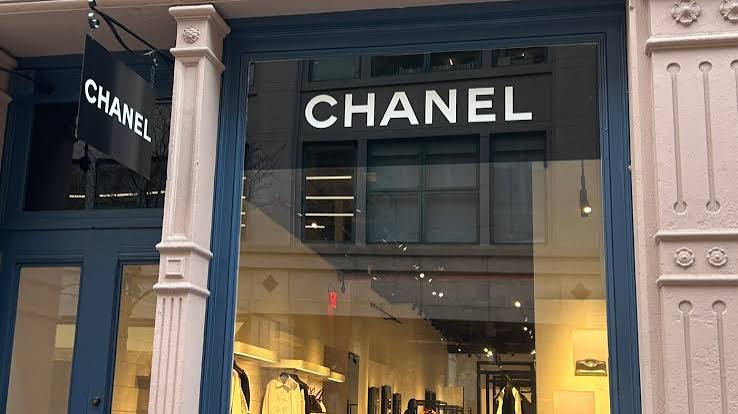
Chanel remains the gold standard for timeless elegance in India. The Classic Flap Bag, starting at approximately ₹800,000, and No. 5 perfume are considered essential investments for the country's fashion-forward elite. With a global brand value of $34.2 billion, Chanel is the second most valuable fashion brand globally, yet it maintains a deliberately controlled distribution strategy in India.
The brand's refusal to sell online has created a mystique that drives clients to physical stores in Mumbai and Delhi, where they experience the full Chanel universe. Indian consumers particularly appreciate Chanel's consistent design language that transcends seasonal trends, making purchases feel like lasting investments rather than fleeting fashion statements. The association with Coco Chanel's legacy of female empowerment resonates with India's growing class of successful businesswomen. The beauty line serves as a gateway for younger consumers before they graduate to fashion and accessories.
6. Prada
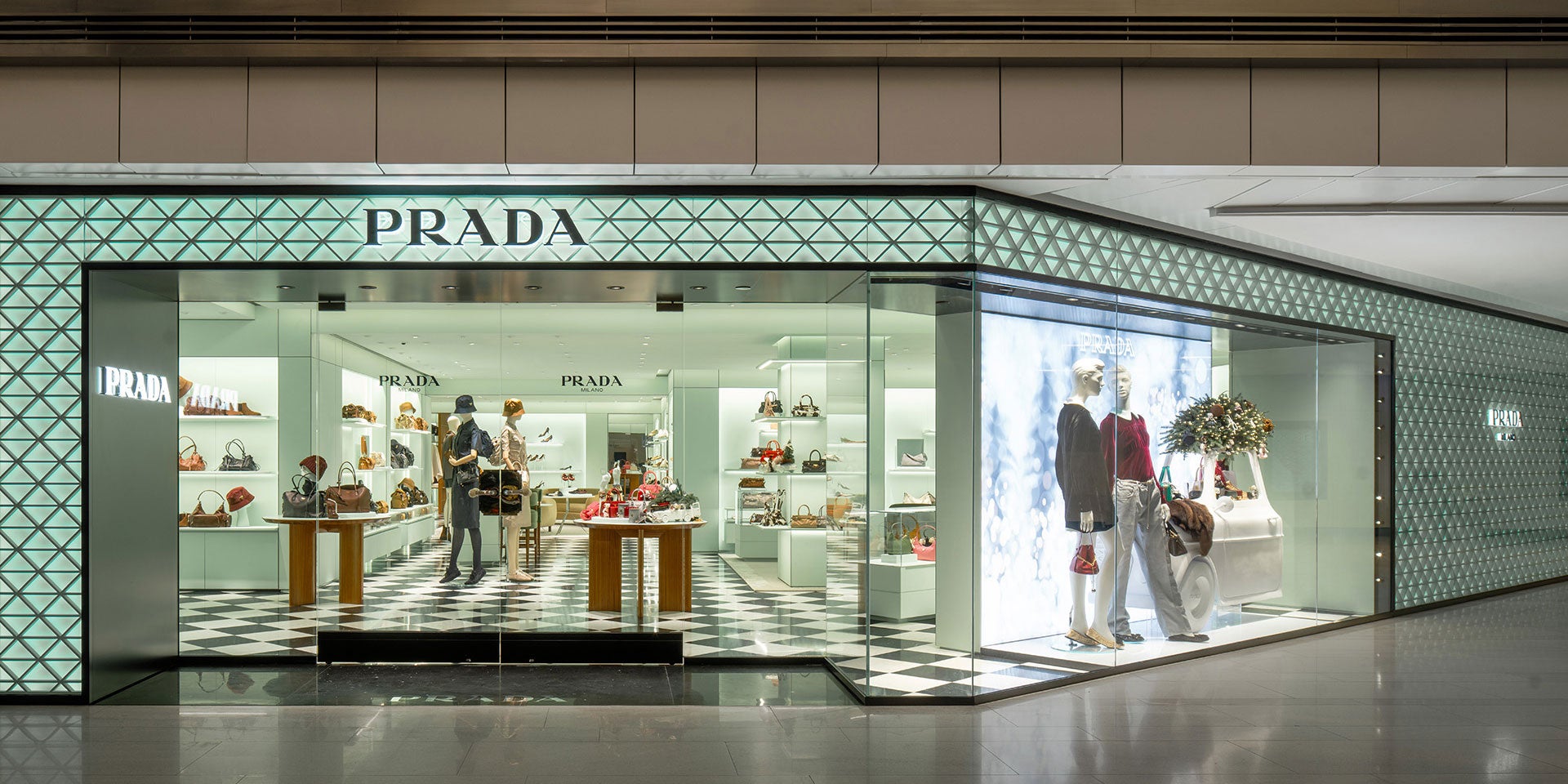
Prada has carved a distinct niche by appealing to the informed, fashion-conscious buyer. The triangular logo, leather goods, and Galleria bag have built a loyal Indian consumer base among those who follow seasonal collections and make considered purchases. Valued at $7.9 billion globally, Prada's Re-Nylon collection uses 100% recycled materials, and its consistent sustainability messaging resonates with younger Indian luxury buyers who think carefully about the values behind their purchases.
The brand's intellectual, avant-garde aesthetic differentiates it from more commercial luxury houses, attracting India's creative class and fashion insiders. Prada's ready-to-wear collections have a strong following in India's fashion community, with pieces frequently spotted at Mumbai and Delhi cultural events. The brand's recent acquisition of Versace positions it for even greater market share in India's growing luxury segment.
7. Burberry
Burberry's British heritage and iconic trench coat have found a natural home in India's luxury market. Founded in 1856 by Thomas Burberry, the brand's invention of gabardine, a breathable, waterproof textile, revolutionized outerwear and created the foundation for the legendary trench coat, which retails between ₹150,000 and ₹300,000 in India. Valued at $5 billion globally, Burberry maintains a strong presence in Mumbai, Delhi, and other metro cities.
Indian consumers appreciate Burberry's distinctive check pattern and the brand's ability to blend tradition with modernity. The brand's digital-first approach, including live-streamed fashion shows and active social media engagement, appeals to India's digitally savvy luxury consumers. Recent collections under new creative leadership have injected fresh energy, attracting younger Indian buyers while retaining core clients who value the house's heritage storytelling.
8. Valentino
Valentino has established itself as the go-to brand for red carpet glamour in India's celebrity and social circles. The brand is famous for stunning dresses, exquisite evening wear, and precious accessories, with the Rockstud collection's signature pyramid studs adding modernity to traditional design elements. Indian brides and socialites frequently choose Valentino for high-profile events and weddings, appreciating the brand's romantic yet contemporary aesthetic.
Despite a global brand value of $869 million, which is lower than other houses on this list, Valentino's cultural footprint in India is substantial. Founded in 1960 by Valentino Garavani, the brand's haute couture credentials appeal to consumers who value European craftsmanship. Boutiques in major luxury malls and a strong celebrity dressing strategy generate significant media coverage, keeping Valentino relevant among both traditional and modern luxury buyers.
9. Balenciaga
Balenciaga represents the disruptive, streetwear-influenced edge of luxury fashion that has captured young Indian consumers. Founded by Cristóbal Balenciaga, admired by Coco Chanel and Christian Dior, the brand transformed in 2015 under creative director Demna Gvasalia, evolving from traditional haute couture into a contemporary streetwear powerhouse. Owned by Kering, the brand's 10XL Sneaker from 2025 is among its most viral items globally.
Signature items like sock sneakers and platform crocs dominate high-end footwear trends in India. The brand's oversized silhouettes and logo-heavy designs appeal to fashion-forward youth who view luxury as self-expression rather than tradition. Balenciaga's provocative marketing campaigns generate significant social media engagement in India, where young luxury consumers are highly digitally connected. Despite controversial moments, the brand maintains a strong following among India's trendsetters and fashion influencers.
10. Anita Dongre
Anita Dongre represents the pinnacle of Indian luxury fashion, redefining high-end wear with an unwavering commitment to sustainability and artisanal mastery. The brand's luxury collections are handmade using detailed gota patti, hand-painted patterns, and fine embroidery, creating timeless heirlooms that celebrate India's rich textile heritage. Celebrity clientele includes Prajakta Koli, who wore a custom hand-painted Pichhwai design lehenga for her wedding.
What truly sets Anita Dongre apart is the ability to evoke refined luxury while championing eco-friendly practices and supporting local artisan communities. The brand operates flagship stores in Mumbai, Delhi, and other metro cities, with a strong online presence that has expanded its reach to NRI consumers globally. Anita Dongre's designs bridge the gap between traditional Indian craftsmanship and contemporary fashion sensibility, making them highly sought after for weddings and special occasions.
The Indian luxury market is entering a phase of accelerated growth. With watches and jewellery leading all categories at 38.5% market share, fashion houses are competing for a share of a rapidly expanding pie. The rise of luxury e-commerce at 27% CAGR suggests that digital channels will play an increasingly important role in how brands reach consumers beyond the traditional hubs of Mumbai and Delhi.
For international houses, the strategy is clear: invest in physical retail in India's top luxury malls, cultivate relationships with celebrity and influencer communities, and develop digital touchpoints that drive in-store visits. For homegrown brands like Anita Dongre, the opportunity lies in scaling artisan-led production while maintaining the exclusivity that defines luxury. As India's HNWI population continues to grow, the brands that understand this market's unique blend of tradition, status consciousness, and digital fluency will define the next decade of luxury fashion in the country.
Related Posts



1 Comment
Join the discussion and share your thoughts