Top 10 Best Fast Food Chains In USA 2026

Table of Contents
American fast food in 2026 is a market defined by consolidation at the top and fierce competition for every dollar in between. The ten chains in this ranking represent a combined tens of thousands of U.S. locations and hundreds of billions in systemwide sales, and they set the standard for what customers expect from a quick-service meal. To build this list, we weighed several factors: U.S. systemwide sales and unit counts, customer satisfaction scores from the American Customer Satisfaction Index and reader surveys, brand momentum heading into 2026, menu innovation, and overall cultural footprint. Revenue alone doesn't tell the story. A chain with 3,000 locations can out-earn one with 13,000 if its average unit volume is high enough, and customer loyalty often matters more than raw footprint when predicting which brands will still be standing strong five years from now. We also considered how each chain has adapted to digital ordering, loyalty programs, and delivery, since those channels now drive a substantial share of QSR revenue. The result is a ranking that reflects both scale and staying power, from legacy burger giants to the coffee chains and fast-casual players that have reshaped the category.
These Are The Top 10 Best Fast Food Chains In USA 2026:
1. Chick-fil-A
The numbers behind that efficiency are striking. McDonald's has more than four times as many U.S. locations, but Chick-fil-A's per-store performance consistently outpaces it. The chain's drive-thru operation is widely regarded as best-in-class, with employees taking orders on tablets during peak hours to move lines faster than the industry standard. Its Original Chicken Sandwich and waffle fries remain the core of a menu that has barely changed in decades, and that consistency is part of the appeal.
Customer satisfaction data backs up the loyalty. Chick-fil-A topped the American Customer Satisfaction Index for fast food in 2025, extending a streak that has now run for multiple consecutive years. No other chain in this ranking has matched that run.
2. McDonald's
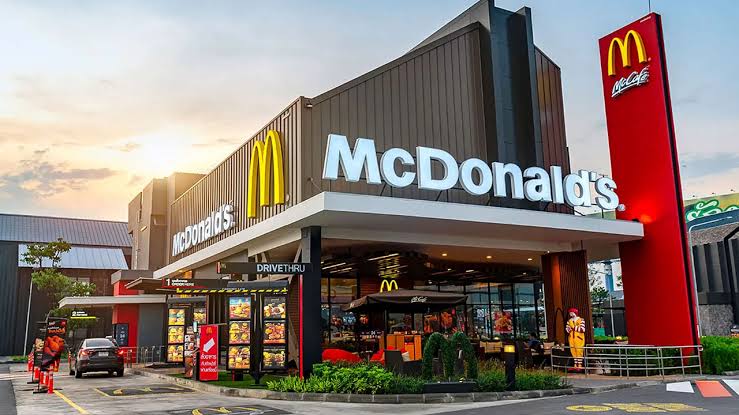
The Big Mac, Quarter Pounder, and World Famous Fries are still the anchors of the menu, but the business in 2026 looks different from the one that built those icons. McDonald's has poured investment into digital ordering, its MyMcDonald's Rewards loyalty program, and delivery partnerships with Uber Eats and DoorDash. Those channels now account for a growing share of U.S. sales, and the company's QSR 50 ranking by U.S. sales consistently places it at or near the top.
Scale cuts both ways. McDonald's faces more pressure than any competitor to keep prices competitive while franchisees absorb rising labor and food costs, a tension that has shaped its value menu strategy throughout 2025 and into 2026.
3. Taco Bell
The Crunchwrap Supreme and Doritos Locos Tacos are the headline items, but Taco Bell's real strength is how often it refreshes the menu without alienating its core customers. Its Cantina format and digital-first store designs target younger consumers who order through the app and expect faster pickup. Cultural marketing campaigns tied to everything from music festivals to gaming have kept the brand in the conversation in ways that few legacy fast-food chains manage.
Customer engagement and value perception rankings consistently place Taco Bell near the top of the fast-food sector, particularly among consumers under 35.
4. Wendy's
The Frosty remains one of the most recognizable desserts in fast food, and Wendy's pioneered the value menu concept in the 1980s, a move that reshaped how the entire industry priced its offerings. Its 2020 breakfast launch gave the chain a new daypart and significantly boosted average unit volumes, though breakfast remains a crowded and expensive battlefield.
Wendy's competes primarily on freshness and quality perception rather than price alone, a strategy that has held up even as value menus across the sector have come under pressure from inflation.
5. Burger King
Flame-grilled burgers remain the chain's signature, and its advertising campaigns have historically been among the most talked-about in the industry. The Whopper itself has proven remarkably durable as a brand asset, surviving decades of menu churn and competitor imitation.
Where Burger King has gained ground recently is digital. Its app and loyalty program have become key growth drivers in the U.S. market, and the company has leaned on those channels to drive frequency among younger customers who might otherwise default to McDonald's or Wendy's.
6. Starbucks
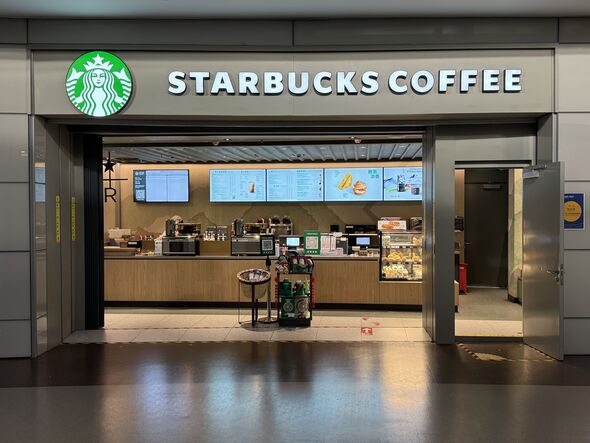
Founded in 1971, Starbucks redefined American coffee culture and built a mobile order-and-pay system that became an industry benchmark. Its Starbucks Rewards program remains one of the most successful loyalty programs in food service, driving a disproportionate share of transactions through the app.
The chain has spent recent years expanding cold beverages and food offerings to compete more directly in the broader QSR space, where breakfast and afternoon snacking represent some of the fastest-growing dayparts.
7. Chipotle Mexican Grill
Customizable burritos, bowls, and guacamole have earned Chipotle a devoted following that behaves more like a lifestyle brand than a typical fast-food customer base. Digital sales account for a large share of revenue, and the company has invested heavily in its Chipotlane drive-thru format to capture orders placed through the app.
Chipotle consistently ranks high in customer satisfaction and brand loyalty surveys, though menu price increases in recent years have tested that goodwill among value-conscious diners.
8. Subway
Subway is the world's largest sandwich chain by number of locations, founded in 1965 in Bridgeport, Connecticut. The chain operates roughly 20,000 U.S. locations, down from a peak of about 27,000, reflecting years of store closures that have reshaped its footprint. Even after those reductions, it remains a dominant force in the sub-sandwich category.
Build-your-own Footlong sandwiches and the "$5 Footlong" marketing campaign made Subway a household name, and the chain has undergone a major brand refresh and menu overhaul in recent years to modernize its image. Its partnership with Freshii and the new Deli Heroes lineup reflect ongoing efforts to compete with fast-casual sandwich players that have eaten into its lunch traffic.
The store closures tell a story about saturation more than decline. Subway's challenge in 2026 is less about closing locations and more about making the remaining ones perform at the level its brand recognition deserves.
9. Panda Express
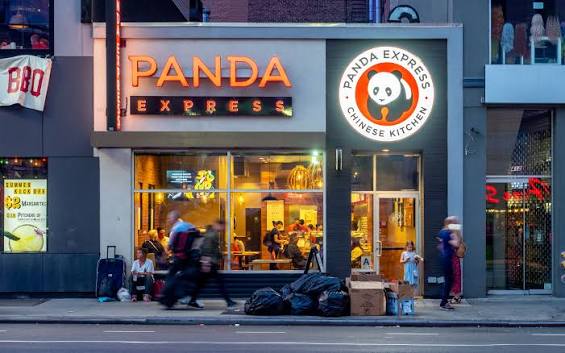
Panda Express is the largest Asian-American fast-food chain in the United States, founded in 1983 by Andrew and Peggy Cherng in Glendale, California. The chain operates roughly 2,500 locations and generates more than $5 billion in annual revenue, a figure that would be higher if not for its heavy concentration in food courts and airports.
Its signature Orange Chicken is one of the most popular fast-food items in America, a dish that has become synonymous with the brand in the same way the Big Mac is tied to McDonald's. The chain has expanded internationally and consistently ranks highly in customer satisfaction surveys among fast-food chains.
Panda Express's standalone locations have grown in number as the company looks to reduce its reliance on mall food courts, a segment that has struggled as foot traffic patterns shifted.
10. Arby's
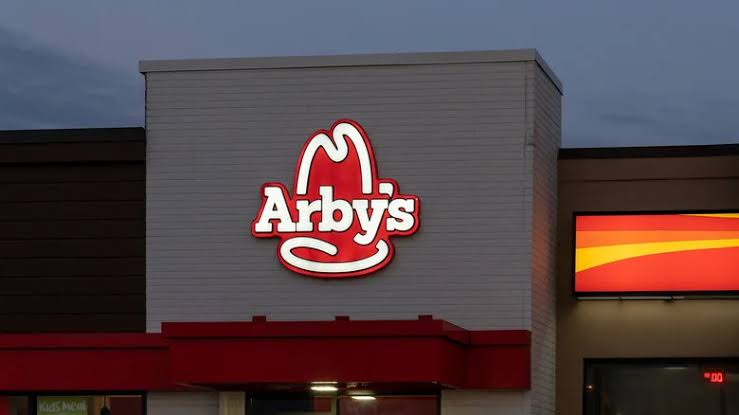
Arby's rounds out the list as the second-largest sandwich chain in the U.S. after Subway, with roughly 3,400 locations and approximately $4.5 billion in systemwide sales in 2024. Founded in 1964 in Boardman, Ohio, the chain built its identity on roast beef sandwiches, curly fries, and the memorable "We Have the Meats" advertising campaign.
Unlike most chains on this list, Arby's has leaned into premium proteins as a differentiator, rolling out limited-time offerings featuring brisket and wagyu that command higher price points than typical fast-food fare. That strategy has helped the brand stand apart in a crowded sandwich market.
Arby's ranked 10th in a recent Allrecipes reader survey of America's most popular fast-food restaurants, a result that reflects both its loyal customer base and the challenges of competing for attention against larger burger and chicken chains.
Three patterns separate the chains at the top of this list from the rest of the market. The first is average unit volume. Chick-fil-A's $9 million-plus per-store performance shows that a smaller footprint can generate more revenue than a sprawling one when the brand is strong enough. The second is digital infrastructure. Every chain in the top ten has invested heavily in apps, loyalty programs, and delivery partnerships, and those channels now drive a meaningful share of transactions. The third is menu consistency balanced with targeted innovation. Chains that change too much lose their identity, while chains that never change lose relevance.
Looking ahead to the rest of 2026, the competitive pressure is unlikely to ease. Value pricing remains a flashpoint as consumers push back on higher menu prices, and breakfast and late-night dayparts will continue to be battlegrounds. For now, the ten chains above represent the best combination of scale, customer satisfaction, and staying power in American fast food.
Related Posts



3 Comments
Join the discussion and share your thoughts