Top 10 Best Real Estate Developers In Dubai 2026

Table of Contents
Dubai's property market enters 2026 with the kind of momentum that has reshaped how global investors view the emirate. Off-plan transactions hit record levels through 2025, and the developers behind those sales have become brands in their own right, trusted by buyers in Mumbai, London, Moscow, and Riyadh alike. Our ranking of the top 10 best real estate developers in Dubai for 2026 weighs delivery track records, market share, project scale, build quality, and investor returns to identify which firms are actually shaping the city's skyline.
To build this list, we considered several factors. Delivery volume mattered heavily, since a developer's reputation rests on handing over completed units on time. We looked at the scale and ambition of master communities, the strength of branded partnerships, government backing where relevant, and the returns investors have realized on completed projects. Financial stability, land bank size, and pipeline activity for 2026 also played a role. Companies with a single flagship tower but no broader portfolio didn't make the cut. The ten firms below combine proven execution with the kind of market presence that sustains buyer confidence across economic cycles.
Dubai's Real Estate Regulatory Agency (RERA) escrow rules have tightened accountability since 2007, which means the developers that survived and thrived did so on delivery rather than speculation. That context matters when reading this list. Every name here has cleared that bar, and several have set new ones.
The List Of The Top 10 Best Real Estate Developers In Dubai 2026:
1. Emaar Properties
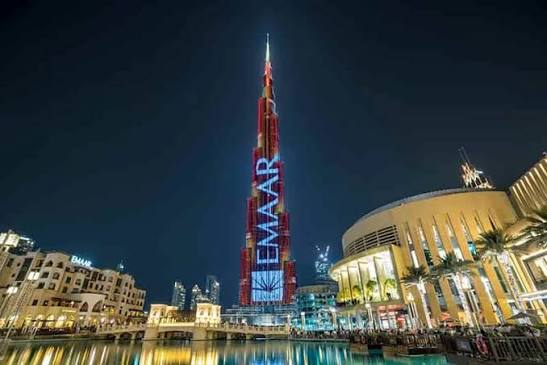
No serious conversation about Dubai real estate starts anywhere else. Emaar Properties, founded in 1997 by Mohamed Alabbar, built the Burj Khalifa, still the world's tallest building at 828 meters, and Dubai Mall, which spans 12 million square feet and ranks as the most visited retail destination on the planet. The company trades on the Dubai Financial Market with a market capitalization exceeding AED 60 billion as of 2025.
What separates Emaar from competitors isn't just the trophy assets. It's the master communities. Downtown Dubai, Dubai Marina, Arabian Ranches, Dubai Hills Estate, and Emaar South together house hundreds of thousands of residents, and secondary market prices in these districts consistently outperform the wider market. Buyers pay a premium for an Emaar address because resale liquidity is reliable and rental demand stays strong.
The company's 2026 pipeline includes new phases across Dubai Hills and expanded hospitality assets tied to its malls and entertainment divisions. For investors, Emaar represents the closest thing to a blue-chip stock in Dubai property. It ranks first on nearly every industry list, and nothing in the current data suggests that changes this year.
2. DAMAC Properties
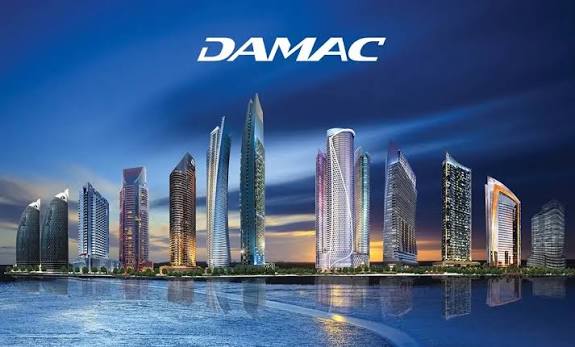
Hussain Sajwani's DAMAC Properties has delivered more than 40,000 units since its founding in 2002, with a current portfolio exceeding 50,000 units across the Middle East. That volume places it firmly behind only Emaar in sales and brand presence.
The developer's signature move has been luxury branding. DAMAC partnered with Roberto Cavalli on the Cavalli Tower, a $1 billion-plus project, and with Versace and de GRISOGONO on other residences. DAMAC Heights, its 90-floor tower in Dubai Marina, remains one of the tallest residential buildings in the area.
Its community developments tell a broader story. DAMAC Hills, DAMAC Hills 2, and DAMAC Lagoons offer villas, townhouses, and apartments at price points spanning the mid to upper market. The Lagoons project, with its man-made water features and beach-style amenities, has drawn particular attention from families relocating from Europe and South Asia. As a privately held company, DAMAC moves quickly on new launches, and its 2026 pipeline reflects that agility.
3. Nakheel
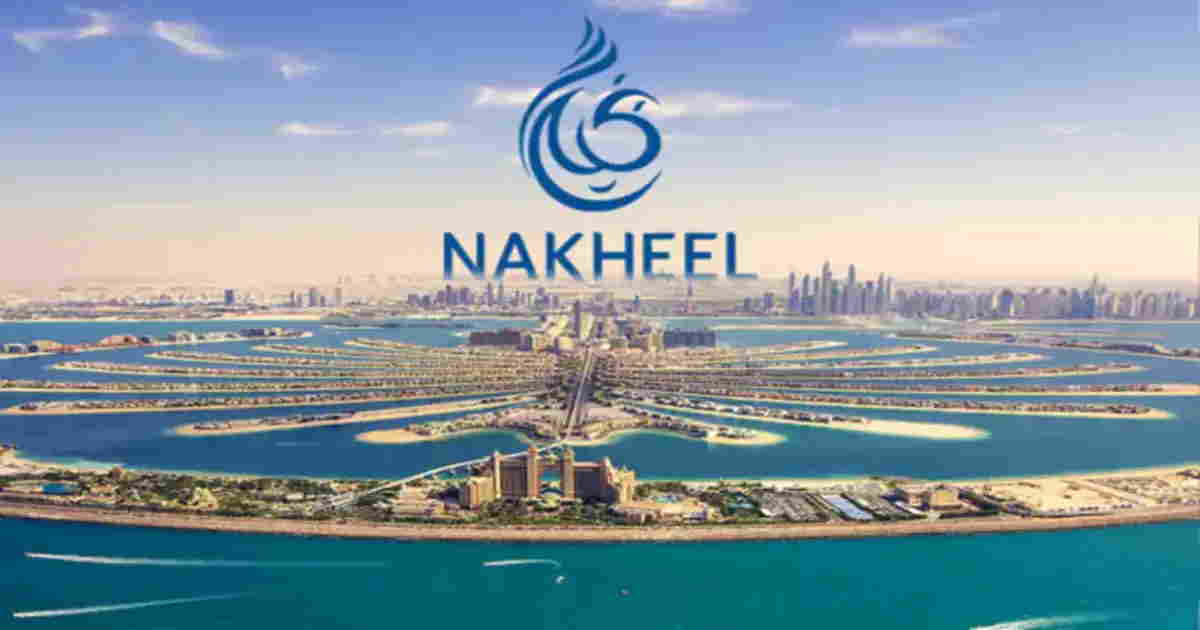
Government ownership gives Nakheel a stability few private developers can match. Part of Dubai Holding, the master developer built Palm Jumeirah, a 5.6 million square meter artificial island with 17 fronds, and The World Islands, a collection of 300 man-made islands off the coast. Ibn Battuta Mall, one of the city's largest retail centers, also sits in its portfolio.
Established in 2000, Nakheel has delivered thousands of residential, retail, and hospitality units. Palm Jumeirah remains the most recognizable waterfront address in the region, and villas there regularly trade above AED 30 million. New phases on Palm Jumeirah and the ongoing development of Palm Jebel Ali give the company a pipeline that stretches well into the decade.
For buyers concerned about developer risk, Nakheel's government backing removes much of the uncertainty. The trade-off is that its projects often come at premium prices with less negotiation room than private competitors offer.
4. Sobha Realty
Sobha Realty operates on a model almost no competitor replicates. Founded in 1976 as Sobha Ltd in India before entering Dubai in 2004, the company controls 100% of its construction process in-house, from architecture and interior fit-out to landscaping and metalwork. That vertical integration produces quality control that shows up in the finished product.
Sobha Hartland, an 8 million square foot master community in Mohammed Bin Rashid City, anchors the Dubai portfolio with luxury villas, mansions, and high-rise apartments. The developer has built a reputation for on-time delivery that matters in a market where delays have burned buyers before.
Industry surveys consistently place Sobha at or near the top for build quality. Its 2025-2026 pipeline leans into ultra-luxury, with new towers targeting buyers who care more about finishes and craftsmanship than brand name alone.
5. Meraas
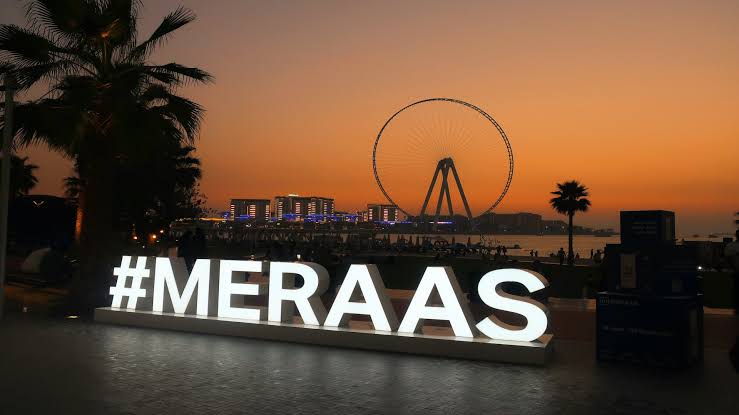
Meraas approaches development differently. As a subsidiary of Dubai Holding, it focuses on lifestyle destinations that blend retail, hospitality, and residential into single environments. City Walk spans 10 million square feet and combines street-level retail with apartments above. Bluewaters Island houses Ain Dubai, the 250-meter observation wheel that dominates the Jumeirah coastline. Port de La Mer brings Mediterranean-style living to the northern tip of the peninsula.
The Bulgari Resort & Residences, developed with the Italian luxury house, set a benchmark for branded hospitality living in Dubai. Meraas properties tend to attract buyers who want walkable, design-led neighborhoods rather than gated suburban communities.
Government ties through Dubai Holding give Meraas access to prime land that private developers simply can't acquire. For investors seeking short-term rental income, Meraas locations near tourist attractions often deliver stronger yields than purely residential districts.
6. Dubai Properties
Another Dubai Holding company, Dubai Properties built much of Business Bay, developed Jumeirah Beach Residence (JBR), and laid the groundwork for Dubailand. Its portfolio spans more than 40 million square feet across villas, apartments, and commercial space.
JBR remains one of the highest-demand rental locations in the city, with beachfront apartments commanding premiums year-round. Business Bay has evolved from an office-heavy district into a mixed-use hub where apartments now rival commercial space in value. Al Jadaf rounds out a portfolio built on central locations.
Long-term investors favor Dubai Properties because rental yields in its communities tend to run stable. The company doesn't chase headlines with record-breaking towers. It builds established neighborhoods, and that consistency has kept it in the top 10 for years.
7. Binghatti Developers

Few developers have risen as fast. Founded in 2008, Binghatti has delivered more than 40 projects and built a reputation for rapid construction timelines and distinctive architecture. The company's Burj Binghatti Jacob & Co Residences, planned at 711 meters, is set to become the world's tallest residential tower. Mercedes-Benz Places, a branded residence in Downtown Dubai, brought another global marque into its portfolio.
Binghatti concentrates on mid-to-high-end apartments in Business Bay and Jumeirah Village Circle, two areas where ROI potential runs high. Its design language, marked by bold geometric facades, has made its buildings instantly recognizable on the skyline.
For investors, the appeal is straightforward. Binghatti projects often enter the market at lower price points than comparable Emaar or DAMAC developments, then appreciate as handover approaches. That spread has attracted a growing base of yield-focused buyers.
8. Ellington Properties
Ellington carved out a niche that larger developers ignore. Founded in 2014, the design-led developer has delivered more than 20 boutique projects in MBR City, Downtown, and JVC, with average investor returns of 6-8%.
Projects like Ellington House, Belgravia, and The Crest emphasize high-quality finishes, wellness amenities, and architecture that stands apart from the glass-and-steel norm. The company has collected multiple design awards, and its buildings tend to hold value well on the secondary market because supply stays limited.
For buyers who want something other than a mega-tower apartment, Ellington offers a compelling alternative. The trade-off is scale. You won't find Ellington master communities, but you will find carefully considered buildings in prime locations.
9. OMNIYAT

OMNIYAT sits at the very top of Dubai's luxury segment. Founded in 2006, the boutique developer collaborated with Zaha Hadid on The Opus, an AED 1 billion-plus project in Business Bay that became one of the most photographed buildings in the city. One at Palm Jumeirah and AVA at Palm Jumeirah followed, along with Dorchester Collection residences developed with Foster + Partners.
This is a developer that targets high-net-worth individuals exclusively. Its buildings set price records, and the architectural pedigree attracts buyers who view property as both investment and statement.
OMNIYAT doesn't compete on volume. It competes on scarcity and design significance, and in that arena it has few peers in Dubai.
10. Danube Properties

Danube Properties disrupted the market with a simple proposition: affordable luxury with payment plans that working buyers can actually manage. Founded in 2014, the company has delivered more than 15,000 units across 25-plus projects, with its signature 1% monthly installment model driving consistently high sales volume.
Projects in Dubai Silicon Oasis, Al Furjan, and JVC target mid-income buyers and first-time investors. The locations offer strong rental demand from Dubai's growing workforce, and entry prices sit well below what Emaar or DAMAC charge for comparable space.
For ROI-focused investors and end users priced out of prime districts, Danube remains the most accessible entry point on this list. The payment structure reduces upfront capital requirements, which has proven particularly attractive to overseas buyers managing currency risk.
Related Posts




3 Comments
Join the discussion and share your thoughts