Top 10 Best Cross-Border Shipping Platforms In Africa 2026

Table of Contents
Our rankings draw primarily from the Mordor Intelligence Africa Cross Border Road Freight Transport Market Report 2025, supplemented by industry analyses from logistics trade publications and platform data released by the companies themselves. We weighed market share, digital infrastructure, geographic coverage, customer satisfaction data, and each platform's specific strengths in cross-border corridors. Funding history and fleet size factored in where relevant, but operational reliability and demonstrated enterprise adoption carried the most weight.
The Top 10 Best Cross-Border Shipping Platforms In Africa 2026:
1. DSV
DSV holds the top spot as the largest cross-border road freight operator in Africa by market share, according to Mordor Intelligence's 2025 market report. The Danish logistics giant operates in more than 80 countries, but its African road freight corridors are where it truly dominates. The company combines heavy asset investment with digital visibility tools, offering both full-truckload and less-than-truckload services across major East and West African trade routes.
What sets DSV apart is its multimodal approach. Shippers can move cargo by road, then seamlessly transfer to ocean or air freight without changing logistics partners. That capability matters for multinational enterprises moving goods between African markets and global destinations. The company's African network has handled cargo valued in the billions of dollars across regional trade routes, and its scale gives it negotiating power that smaller operators simply cannot match.
2. Kobo360
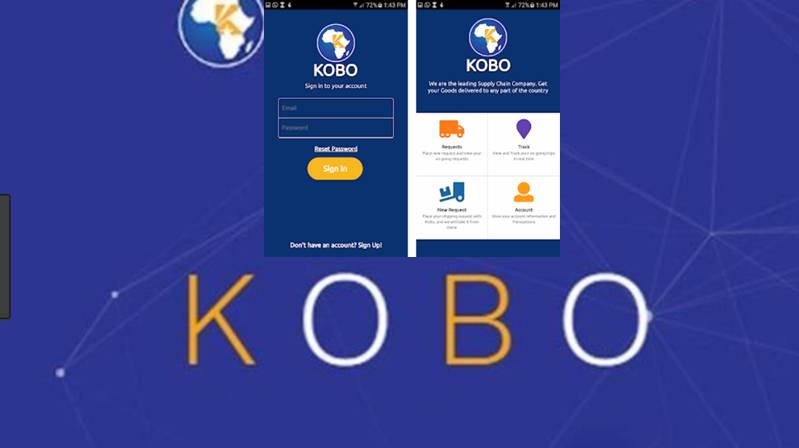
Kobo360 represents the new wave of African logistics: digital-first, data-driven, and built specifically for the continent's fragmented trucking market. Founded in Lagos, the platform connects shippers with vetted truckers through a technology marketplace that handles booking, tracking, and payment in real time. The company reports moving over 1 million tons of cargo with a network exceeding 30,000 trucks across Nigeria, Ghana, Togo, and Kenya.
The platform's differentiators include dynamic pricing, predictive asset scheduling, and embedded fintech services that offer financing and fuel cards to carriers. That last piece is significant. Access to capital remains one of the biggest constraints for African truck owners, and Kobo360's approach tackles it directly. For enterprise shippers, the API-driven platform integrates with existing supply chain systems, making it possible to book cross-border freight without picking up a phone.
3. DHL Supply Chain Africa

DHL Supply Chain brings the full weight of the global DHL Group to African logistics, with operations spanning 54 African countries. The company offers cross-border freight forwarding, contract logistics, warehousing, and customs brokerage under one roof. Its use of the CargoWise digital platform synchronizes road and ocean freight milestones, giving shippers end-to-end visibility across modes.
For e-commerce businesses, DHL's cross-border parcel solutions are particularly strong. The company offers Delivered Duty Paid (DDP) options and handles customs clearance as part of its standard service, which removes a major headache for online retailers shipping to multiple African markets. Customer satisfaction ratings sit at 4.5 out of 5, reflecting the reliability that comes with a global network backed by deep local presence. Global brands expanding across Africa frequently default to DHL for this reason.
4. Lori Systems
Lori Systems, born in Kenya, has built its reputation on digitizing cross-border road freight along Africa's busiest corridors. The company provides SaaS-based transportation management tools that enable full-truckload booking, real-time tracking, and cost-per-kilometer optimization. Its network is deeply integrated along the Mombasa-Kampala-Kigali corridor, one of East Africa's most critical trade routes, with expansion into West Africa.
The platform is best suited for manufacturing companies and large enterprise shippers that need reliable cross-border capacity and transparent pricing. Lori's approach has resonated particularly well with businesses moving goods between Kenya, Uganda, and Rwanda, where the platform has become a default choice for shippers seeking alternatives to traditional freight brokers. Its expansion into West Africa suggests the model translates across regional markets.
5. CEVA Logistics
CEVA Logistics operates as a major asset-light logistics provider with substantial cross-border road freight operations across Africa. The company integrated its operations with the CargoWise digital platform to synchronize road and ocean freight milestones, providing shippers with end-to-end visibility across its network.
CEVA's African footprint includes dedicated cross-border trucking services between South Africa, Zimbabwe, Zambia, and Mozambique, as well as West African corridors. The company has carved out a particular specialty in temperature-controlled logistics and pharmaceutical supply chains, making it a preferred partner for healthcare companies and cold chain operators. For shippers moving sensitive cargo across borders, CEVA's combination of digital tracking and temperature control expertise is hard to beat.
6. Kuehne + Nagel
Kuehne + Nagel ranks among the world's top three freight forwarders, and its African operations bring that global expertise to bear on cross-border shipping throughout the continent. The company specializes in ocean freight, air freight, customs brokerage, and supply chain visibility tools, with particularly strong capabilities in sea-air combinations that reduce transit times for cross-continental shipments.
Its digital platforms provide real-time tracking and documentation management for cross-border compliance, which matters when shipments cross multiple African customs jurisdictions. Both multinational corporations and regional businesses use Kuehne + Nagel's services, and the company's ability to handle complex multimodal shipments makes it a reliable choice for cargo that needs to move from, say, a factory in South Africa to a port in Mombasa, then by sea to Europe.
7. MAX (Metro Africa Xpress)

MAX takes a different approach from the freight forwarders on this list. Founded in 2015 and headquartered in Lagos, the company specializes in urban last-mile delivery and electric vehicle fleet management. Its platform links independent drivers with enterprise merchants through digital tools for dispatch, routing, and mobile payments, enabling GPS-tracked deliveries across major African cities.
What makes MAX notable is its aggressive push into electric vehicles. The company has deployed electric motorcycles and vehicles for sustainable last-mile delivery, positioning itself at the forefront of EV adoption in African logistics. Its cross-border capabilities extend to e-commerce fulfillment and FMCG distribution across West and Central African markets. For businesses focused on urban delivery and sustainability, MAX offers something the traditional forwarders do not.
8. Logitrak
Logitrak is the emerging player on this list, but it has gained significant traction in African cross-border logistics through predictive asset scheduling and dynamic pricing models. The platform uses data analytics to optimize truck utilization and reduce empty return trips, which remain major cost drivers in African road freight. Cutting those deadhead miles can reduce shipping costs substantially.
Its embedded fintech offerings provide financing solutions for small and medium-sized carriers, addressing the same capital access problem that Kobo360 tackles. The platform is particularly strong in East African corridors and is expanding into Southern Africa. Multi-million-dollar funding rounds in 2024 suggest investors see similar potential. For shippers willing to work with a newer platform, Logitrak offers competitive pricing driven by its efficiency focus.
9. Rhenus Logistics
Rhenus Logistics brings European logistics expertise to African cross-border corridors, operating through a network of subsidiaries and partners across Southern and East Africa. The company offers full-truckload and groupage services, with a particular strength in temperature-controlled logistics. Its ISO 14001 environmental certification reflects a commitment to compliance that matters for multinational shippers with sustainability reporting requirements.
Rhenus has been expanding its African footprint steadily, and its digital platforms provide shipment visibility and customs documentation management for cross-border operations. The company's European heritage gives it a level of process discipline that some purely African operators lack, while its growing local presence ensures it understands the realities of African road transport.
10. Bidvest Freight

Bidvest Freight rounds out the list as one of South Africa's largest logistics companies, operating more than 2,000 vehicles across Southern African corridors. The company provides cross-border road freight services throughout the Southern African Development Community (SADC) region, connecting South Africa's major industrial centers with markets in Zimbabwe, Zambia, Mozambique, and Botswana.
Bidvest specializes in abnormal loads, dangerous goods transport, and cross-border customs clearance, making it a go-to for industrial shippers moving heavy or hazardous cargo. The company has invested heavily in fleet telematics and digital tracking to provide real-time visibility for cross-border shipments. For businesses operating primarily in Southern Africa, Bidvest's regional depth and specialized capabilities make it a dependable choice.
The African cross-border shipping market is no longer a choice between informal truckers and a handful of multinational forwarders. The platforms on this list represent a spectrum of options, from global giants like DSV and DHL to digital-native operators like Kobo360 and Lori Systems. Each serves a different need.
Multinational enterprises with complex supply chains will likely find the global forwarders most suitable, given their multimodal capabilities and customs expertise. Regional businesses and e-commerce operators may prefer the digital platforms, which offer real-time tracking, transparent pricing, and fintech solutions that address the capital constraints of local carriers.
As African continental free trade agreements continue to reduce tariff barriers, cross-border freight volumes will only grow. The platforms that combine operational reliability with digital visibility will be best positioned to capture that growth. For shippers, the good news is that competition is driving down costs and improving service quality across the board.
Related Posts




1 Comment
Join the discussion and share your thoughts