Top 10 Best Coworking Companies In India 2026

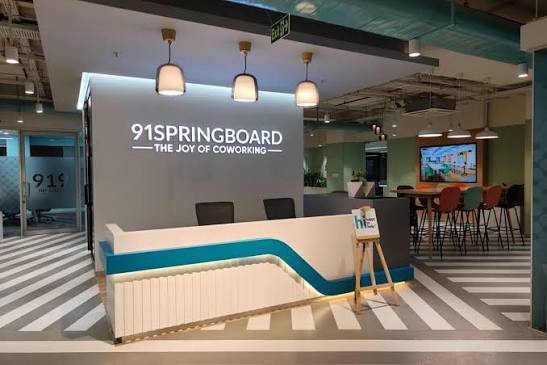
Table of Contents
The Indian flexible workspace industry has moved well past its experimental phase. What started as a stopgap for freelancers and bootstrapped startups has evolved into a serious asset class, one that enterprise clients now treat as a strategic necessity rather than a temporary convenience. The numbers back this up: the coworking office space market in India is estimated at USD 4.53 billion in 2026, climbing from USD 3.98 billion in 2025, with projections reaching USD 8.7 billion by 2031, a compound annual growth rate of 13.94%.
To build this ranking, we weighed several factors: operational footprint in square feet, financial performance where available, enterprise client penetration, investor backing, and the qualitative reputation each operator has built within the startup and corporate communities. Bengaluru remains the dominant geography, but tier-2 and tier-3 cities are increasingly driving growth as companies decentralize their talent pools. The operators below represent the strongest players across these dimensions, ranked by their current market position and trajectory heading into the rest of 2026.
These Are The Top 10 Best Coworking Companies In India 2026:
1. WeWork India
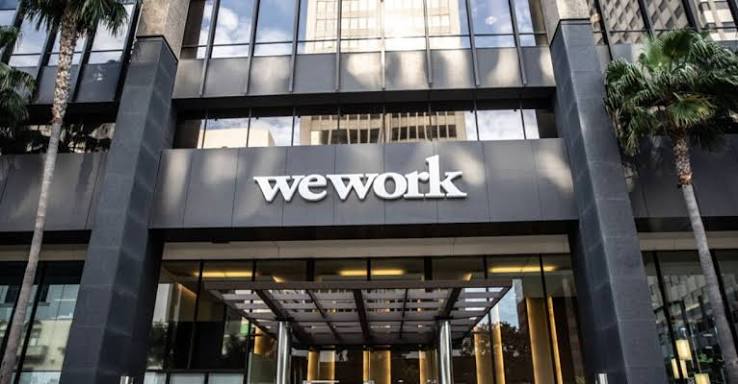
WeWork India is not just the market leader; it is pulling away from the pack. The company reported its best quarter ever in Q3 FY26, with a profit after tax of ₹52 crore, up an extraordinary 512% year on year. EBITDA stood at ₹134.6 crore with a 21% margin, and free cash flow hit ₹203.8 crore. The return on capital employed sits at 32.6%, a figure most traditional real estate operators would struggle to match.
The operational scale is equally impressive. WeWork India currently manages 8.2 million square feet across 73 centres in 8 cities, housing 1.22 lakh desks at 83.9% occupancy. Revenue for Q3 FY26 reached ₹640.3 crore, a 27% year-on-year increase, with 74% of that coming from enterprise clients. The company has announced expansion plans to grow to 11.4 million square feet and 1.71 lakh desks, which would extend its lead even further. For any business evaluating flexible workspace options in India, WeWork India is the benchmark against which all others are measured.
2. Awfis Space Solutions
Awfis occupies a unique position in this market: it is one of the few publicly listed coworking operators on Indian stock exchanges. That transparency brings a level of scrutiny that private competitors avoid, and so far, Awfis has handled it well. The company ranks among the top three operators by total workspace inventory nationally, with a significant presence across Delhi NCR, Mumbai, Bengaluru, Pune, and Chennai.
What distinguishes Awfis is its dual approach to growth. The company has expanded through both owned centres and franchise-operated locations, allowing it to scale into new markets without carrying the full capital burden of every expansion. Its technology-enabled booking platform and transparent pricing models have made it a reliable choice for startups, SMEs, and larger enterprises alike. For operators watching this space, Awfis represents the clearest test case of whether the coworking model can deliver sustained returns as a public company.
3. Smartworks
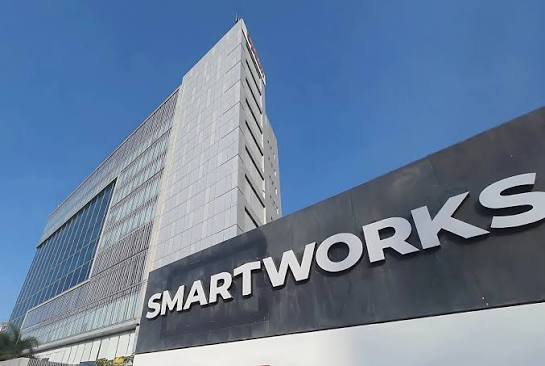
Smartworks has built its reputation on a simple premise: enterprises need flexible offices at scale, and most coworking operators cannot deliver that. Tracxn ranked Smartworks as the number one coworking startup in its 2026 assessment, and the company has positioned itself as the largest enterprise-focused flexible workspace provider in the country.
The focus on large-format managed offices has paid off. Smartworks has raised significant funding over multiple rounds and operates across several Indian cities with a strong emphasis on design-led workspaces and technology integration. Industry reports consistently cite Smartworks as one of the key players driving consolidation in India's coworking market, particularly as smaller operators struggle to compete on enterprise-grade service levels. For corporations looking to transition from traditional leases to flexible models without sacrificing quality, Smartworks has become a default option.
4. IndiQube

IndiQube's investor list reads like a who's who of global venture capital: Accel Partners, Partech, IN-Q-TEL (the US intelligence community's venture arm), and Fujitsu. That backing signals confidence not just in the coworking model, but specifically in IndiQube's approach, which focuses on operational efficiency and cost-effectiveness over flashy amenities.
The company has carved out a strong niche in the managed office segment, with a particularly deep presence in Bengaluru and other major tech hubs. IndiQube offers customized workspace solutions for enterprises and growing startups, and Tracxn's 2026 assessment placed it among the top five coworking startups in the country. The company's emphasis on cost control has made it an attractive option for businesses that want the flexibility of coworking without the premium price tags that often accompany it.
5. 91Springboard
Founded in 2013, 91Springboard is one of the oldest coworking brands in India, and it has outlasted many of its early competitors by staying true to its founding mission. The company built its reputation on fostering startup communities and innovation ecosystems, with a strong presence in Delhi NCR, Bengaluru, Mumbai, and other key metros. Mordor Intelligence's 2026 report lists 91Springboard among India's industry leaders, a recognition of its longevity and sustained relevance.
The company's focus on affordability and community building has made it a preferred choice for early-stage startups and freelancers. Its centres host events, mentorship programs, and networking opportunities that larger, more corporate-focused operators often deprioritize. In an industry increasingly dominated by enterprise clients and managed offices, 91Springboard remains a reminder that coworking's original promise, accessible space for small teams and independent workers, still has a viable market.
6. The Executive Centre (TEC)

TEC focuses on the private office model rather than traditional coworking, which means clients get dedicated, secure spaces with executive-level service. The company's reputation rests on prestige and discretion, qualities that appeal to organizations that would never consider a typical open-plan coworking floor. For those clients, TEC delivers exactly what it promises: a workspace that signals success from the moment you walk in.
7. BHIVE Workspaces
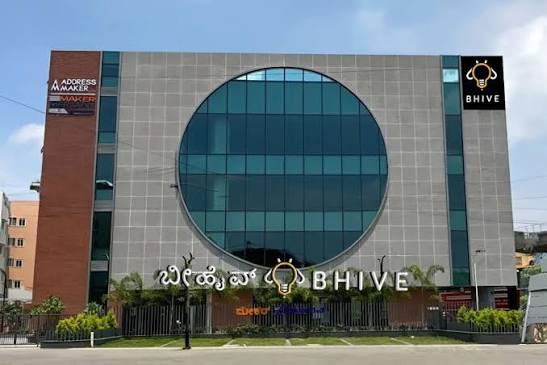
BHIVE has become a dominant force in Bengaluru's coworking scene, with an extensive network of centres across the city and a growing presence in other major markets. The company's pricing is among the most accessible on this list, with day passes starting at ₹75, making it an easy entry point for freelancers and remote workers testing the waters.
Beyond hot desks and day passes, BHIVE offers a full range of options from dedicated desks to private offices, with competitive pricing that appeals to startups watching their burn rate. The company has also expanded into tier-2 cities, positioning itself to capture demand as flexible workspaces spread beyond the metros. BHIVE's combination of affordability and breadth makes it a strong choice for early-stage companies that need room to grow without committing to long-term leases.
8. Innov8 (by OYO)
Innov8 brings a distinct design sensibility to the coworking market, backed by the operational muscle of OYO. The company operates 20+ centres across 9+ cities, with day passes from ₹499 and dedicated desks priced between ₹11,000 and ₹14,999 per month. The aesthetic leans youthful and creative, with designer-led interiors that appeal to creative teams, agencies, and direct-to-consumer brands.
Innov8 also offers practical perks that go beyond the physical space. The Ignite program provides AWS and GCP credits to member startups, and select centres include pet-friendly zones, a small touch that matters more to daily quality of life than most operators acknowledge. With locations in Delhi, Mumbai, Bangalore, Chennai, Chandigarh, and other cities, Innov8 combines affordability with a level of design polish that punches above its price point.
9. Incuspaze
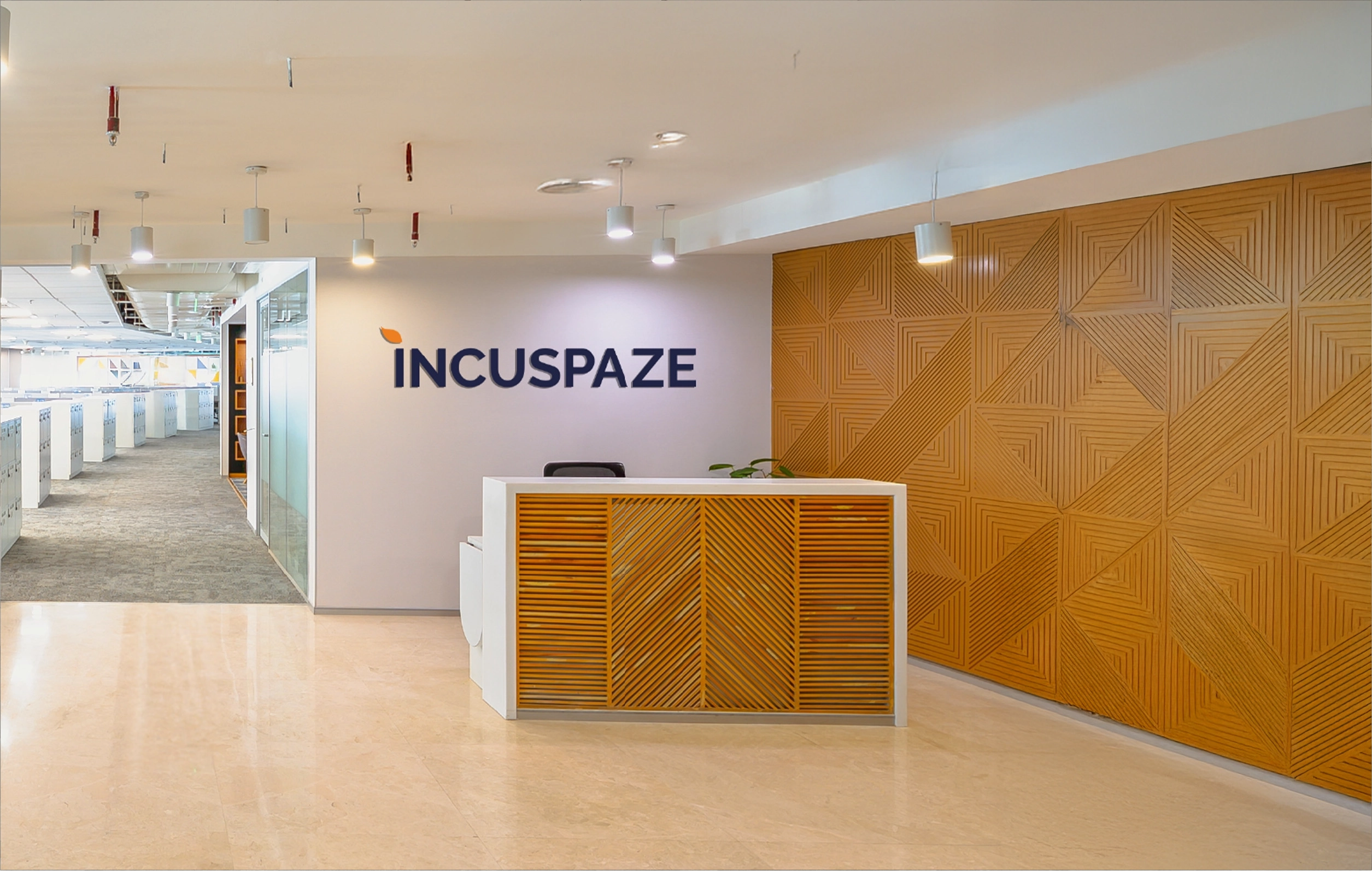
Incuspaze has grown rapidly on the strength of its managed office portfolio, which now exceeds 4 million square feet across India. The company specializes in large-format managed offices for enterprises while also maintaining coworking solutions for smaller teams. This dual approach has allowed Incuspaze to capture demand from both ends of the market.
The company is reportedly preparing for an initial public offering, which would make it one of the few listed players in the Indian coworking sector. Industry reports suggest Incuspaze is among the next wave of coworking companies to go public, a signal of strong financial performance and growing investor confidence. For enterprises seeking a partner that can handle substantial space requirements with professional-grade service, Incuspaze has become a serious contender.
10. TableSpace

TableSpace occupies the most specialized niche on this list. The company focuses on enterprise-grade managed offices for Fortune 500 companies, with capacities ranging from 100 to over 1,000 seats. Its core value proposition is solving what it calls "liquid real estate" needs: large corporations that want the flexibility of coworking without compromising on the compliance, data security, and operational standards of traditional long-term leases.
That focus on compliance has been the key to TableSpace's explosive growth. Many enterprises have been hesitant to move sensitive operations into flexible spaces due to security concerns, and TableSpace has addressed that hesitation directly by matching the data security and compliance levels of conventional office leases. The company's growth trajectory suggests that the enterprise segment of the coworking market still has substantial room for expansion, particularly as more corporations reconsider their real estate strategies.
The coworking market in India has reached a maturity that few predicted a decade ago. The sector is no longer defined by a handful of startups fighting for freelancer foot traffic; it is a diversified industry with distinct segments, from premium executive spaces to enterprise-grade managed offices to affordable community-driven centres. The companies on this list represent the strongest operators across those segments, and their success reflects the broader shift toward flexible work arrangements that shows no signs of slowing.
As the market grows toward the projected USD 8.7 billion by 2031, the competitive dynamics will continue to evolve. Consolidation is likely, particularly among mid-tier operators, and the push into tier-2 and tier-3 cities will open new opportunities for companies willing to move beyond the metros. For businesses evaluating their workspace options, the range of choices available in 2026 is broader and more sophisticated than at any point in India's commercial real estate history. The operators ranked here are the ones best positioned to lead that evolution.
Related Posts




0 Comments
Join the discussion and share your thoughts
No Comments Yet
Be the first to share your thoughts on this article!