Top 10 Best Bitcoin wallets In South Africa 2026

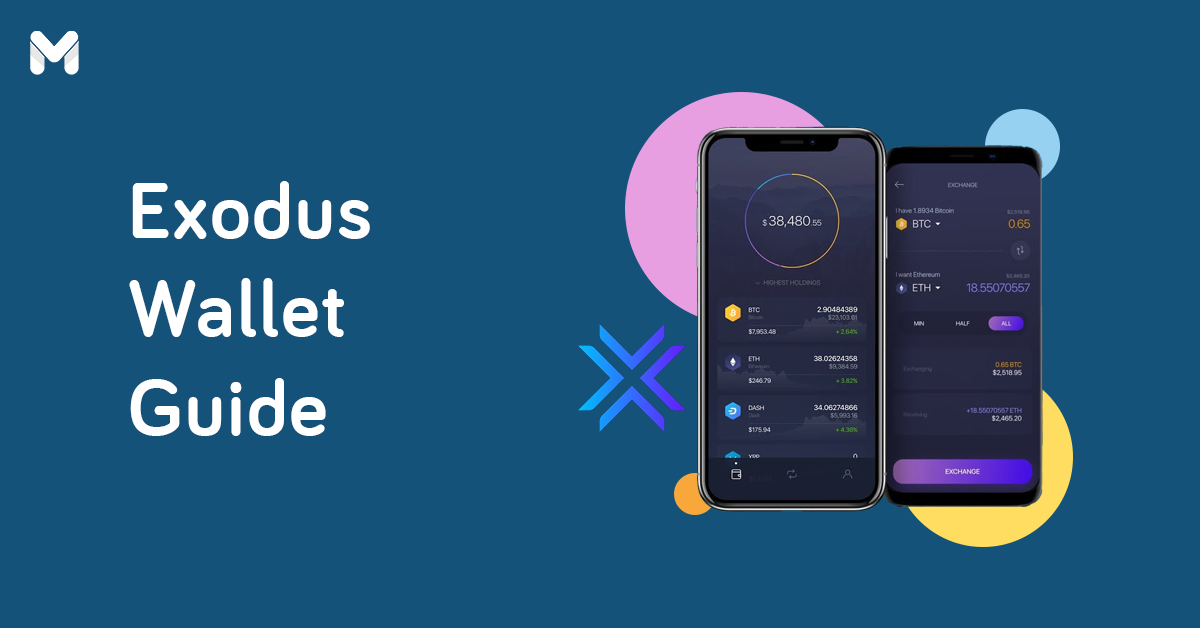
Table of Contents
South Africans have more ways to hold Bitcoin than ever before, and the wallet you choose in 2026 matters more than it did three years ago. The Financial Sector Conduct Authority (FSCA) now licenses crypto asset service providers, the South African Revenue Service (SARS) expects clear transaction records, and load shedding has taught every local holder the value of a wallet that works offline. This guide ranks the 10 best Bitcoin wallets in South Africa for 2026, covering everything from locally licensed exchanges with ZAR on-ramps to cold storage devices that keep your private keys off the internet entirely.
We built this ranking by weighing several factors that matter specifically to South African users. Regulatory standing came first: whether a provider holds an FSCA license under the Financial Advisory and Intermediary Services framework, which has been in force for crypto asset service providers since 2023. We then assessed ZAR funding routes, withdrawal fees, and local bank transfer support, since converting rands to satoshis remains the single biggest friction point for first-time buyers. Security architecture mattered next, including whether a wallet is custodial or self-custody, whether it supports hardware signing, and how it handles seed phrase backups. Finally, we reviewed user ratings from CoinLedger's April 2026 wallet comparison, asset coverage, and real-world usability for both beginners in Johannesburg and advanced self-custody users in Cape Town. Prices, star ratings, and asset counts below reflect data published in 2026.
Here Are The Top 10 Best Bitcoin Wallets In South Africa for 2026:
1. Luno Wallet

Luno remains the default entry point for most South Africans buying their first Bitcoin. The platform serves more than 10 million customers across 40-plus countries and holds an FSCA license in South Africa, which means local users get a regulated counterparty, direct ZAR funding, and same-day bank transfers from the major domestic banks.
What keeps Luno at number one is less about features and more about fit. Its transaction history exports are structured in a way that makes SARS filing straightforward, and the mobile app handles intermittent connectivity better than most international competitors. The wallet supports Bitcoin, Ethereum, and other major assets across both app and web. For anyone cashing out to rands regularly, the local exchange support removes the currency conversion headaches that plague offshore platforms.
2. VALR

VALR is the strongest homegrown challenger to Luno and, for active traders, often the better choice. Founded in South Africa and now FSCA-licensed, it competes on tighter spreads and transparent withdrawal rules rather than brand recognition.
The platform offers ZAR funding through local bank transfers and supports self-custody withdrawals, so you aren't locked into leaving coins on the exchange. Its fee schedule is published openly, which matters in a market where hidden spread costs can quietly erode returns. South African Bitcoiners who trade more than they hold tend to cite VALR's order book depth as the deciding factor. If Luno is the savings account, VALR is closer to the trading desk.
3. Ledger
For South Africans holding meaningful amounts of Bitcoin, a hardware wallet stops being optional. Ledger is the most recommended cold storage device on the market, rated 4.8 stars by CoinLedger in April 2026, and it supports more than 5,000 cryptocurrencies with prices starting at $79.
The core value proposition is simple: private keys stay offline, out of reach of exchange hacks, phishing attacks, and malware. Ledger integrates with major software wallets, so you can use a familiar interface while signing transactions on the device itself. At current exchange rates, the entry-level model costs roughly R1,500, which is a rounding error compared to the value of a serious BTC position. South Africans who've watched exchange failures abroad understand why self-custody matters.
4. Trezor
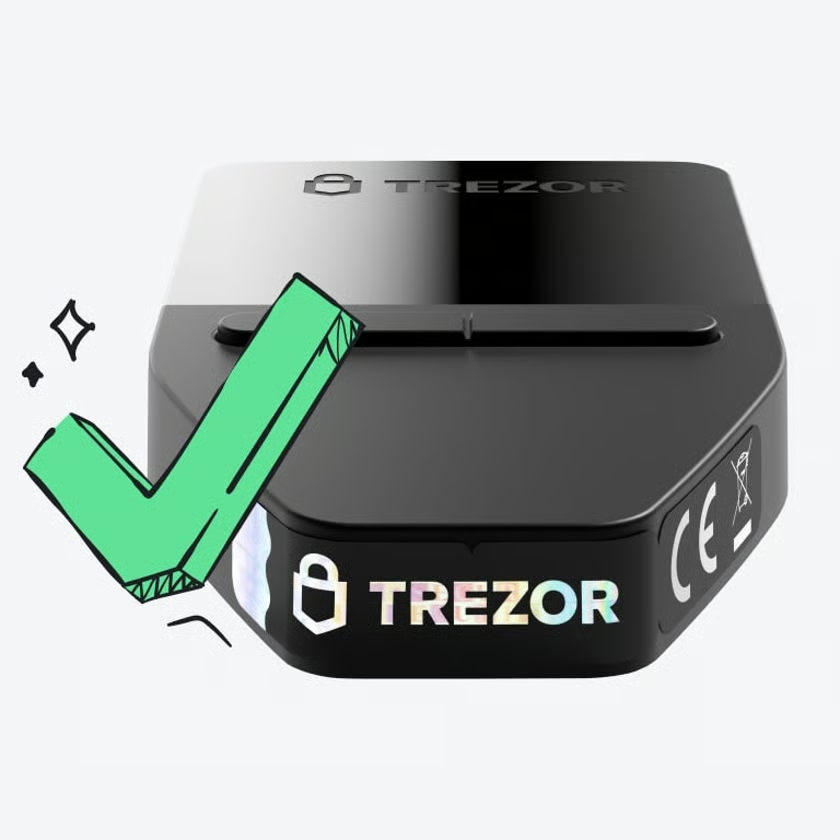
Trezor invented the hardware wallet and the seed phrase backup standard that every competitor now copies. The company's current lineup, including the Trezor Safe 7, runs fully open-source firmware and supports Shamir backup, which splits your recovery phrase into multiple shares so no single piece can reconstruct the wallet alone.
CoinLedger rates Trezor 4.2 stars, slightly below Ledger, and prices start at $49, making it the cheaper entry into cold storage. It supports over 1,000 cryptocurrencies. The trade-off is a smaller asset list and a less polished companion app, but for Bitcoin-only holders who value auditable, transparent firmware, Trezor's open-source ethos is hard to beat. South African privacy advocates in particular tend to prefer it.
5. Tangem Wallet
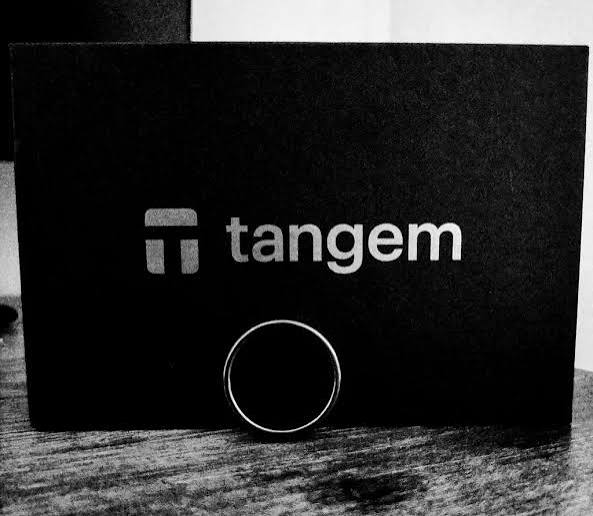
Tangem takes a completely different approach: there is no seed phrase at all. The wallet is a card-shaped device, starting at $54.90 for a two-card set, that uses NFC tap access via smartphone and relies on a cryptographic chain of trust backed by end-to-end encryption. Backup is handled through a second card or ring rather than a written recovery phrase.
CoinLedger rates Tangem 4.8 stars, matching Ledger, and it supports more than 16,000 cryptocurrencies. The seedless design solves a real problem: most Bitcoin losses come from users mishandling or losing their recovery phrase, not from broken cryptography. For South Africans who want hardware-grade security without the anxiety of safeguarding 24 words, Tangem is the cleanest option on this list.
6. Exodus Wallet
Exodus is the best-looking software wallet in the category and one of the easiest to recommend to newcomers. It's free, runs on iOS, Android, and desktop, and supports 291 coins including Bitcoin, with built-in staking for supported assets. CoinLedger rates it 3.9 stars.
The wallet's strength is portfolio visibility. Balances, price charts, and asset allocation sit on one clean dashboard, which makes it genuinely pleasant to use. Exodus also integrates directly with Trezor hardware wallets, so you can start with the hot wallet and add cold storage later without switching apps. For South Africans who want a friendly interface before committing to hardware, Exodus is a natural stepping stone.
7. Electrum Wallet
Electrum has been the workhorse desktop Bitcoin wallet for over a decade. It's Bitcoin-only, open-source, and famously lightweight, running fast even on older laptops. It supports integration with Ledger, Trezor, and KeepKey hardware wallets for secure signing.
What sets Electrum apart is control. Users manage their own keys, set custom transaction fees, and connect to their own nodes if they choose. There is no company account, no KYC requirement, and no third party between you and the network. The learning curve is real, and the interface won't win design awards, but experienced South African Bitcoiners who want a focused, no-frills wallet keep coming back to it.
8. SafePal Wallet
SafePal splits the difference between hot and cold storage by offering both. The mobile app supports over 10,000 cryptocurrencies with staking functionality, and the company sells its own hardware wallet that pairs with the app for hybrid security.
That flexibility is the appeal. A South African user can start with the free app, hold smaller balances there, and graduate to the SafePal hardware device for larger amounts without leaving the ecosystem. Asset coverage is among the broadest on this list, which matters if you hold altcoins alongside Bitcoin. It's a solid all-around pick rather than a specialist tool.
9. Crypto.com DeFi Wallet
Crypto.com's DeFi Wallet is the self-custody companion to one of the world's largest crypto exchanges. It's free, rated 4.2 stars by CoinLedger, supports 700 coins across more than 30 blockchains, and includes staking and NFT management in a clean mobile interface.
The wallet's real advantage is the bridge it provides. South Africans already using Crypto.com's exchange can move assets into self-custody with a few taps, keeping the same familiar branding and support channels. It isn't the deepest Bitcoin wallet on this list, but for users who want DeFi access and a smooth transition away from exchange custody, it does the job well.
10. Sparrow Wallet
Sparrow Wallet is built for users who treat privacy as a requirement, not a preference. The desktop application is Bitcoin-only and offers detailed transaction management, coin control, and enhanced privacy features, with full integration for hardware wallet signing.
This is not a beginner's wallet. The interface exposes UTXO management, labeling, and fee control in ways that will overwhelm casual users, and that's intentional. Sparrow's audience is technically experienced Bitcoiners who want to understand exactly what every transaction does before broadcasting it. For that audience, and especially for South Africans concerned about chain analysis and financial privacy, it ranks among the best tools available in 2026.
Related Posts


0 Comments
Join the discussion and share your thoughts
No Comments Yet
Be the first to share your thoughts on this article!