Top 10 Best AI Podcast Tools In The World 2026

Table of Contents
The podcasting landscape has shifted dramatically. By 2026, artificial intelligence is no longer a novelty in audio production; it is the engine behind the most efficient creator workflows. From script generation and voice cloning to automated editing and source-grounded audio overviews, the tools available today can handle nearly every stage of podcast creation. This ranking takes into account the breadth of each platform's capabilities, the quality of its AI output, its integration with broader creator ecosystems, and its specific utility for podcast production. We looked at generative power, editing precision, voice realism, and workflow efficiency to build this list. Here are the ten best AI podcast tools in the world right now.
These Are The Top 10 Best AI Podcast Tools In The World 2026:
1. Google AI Studio
Google AI Studio sits at the top of this list because it represents a shift toward the all-in-one AI creation environment. In 2026, Google bundles podcast-generation capability directly into its AI stack alongside app-building from prompts and Lyria 3 music generation. This means a creator can draft a script, generate a custom soundtrack, and produce an AI-narrated episode without leaving a single interface. For teams that want to move fast, the integration is the killer feature. You are not just getting a podcast tool; you are getting a full production suite that happens to include high-quality audio output. Google's investment in its free AI tools tier also makes this accessible to independent creators who would otherwise be priced out of professional workflows.
2. NotebookLM
NotebookLM earned its place near the top through sheer utility in turning raw material into polished audio. Its audio overview feature synthesizes user-provided documents, research papers, and source material into structured podcast-style content. This is not generic AI chatter. The output is grounded in the sources you feed it, which makes it invaluable for explainer podcasts, academic discussions, and interview preparation. If you need to turn a dense white paper into a digestible audio segment, NotebookLM is the most direct path. It ranks second because it is one of the most credible and source-grounded AI audio tools in the current ecosystem, a distinction that matters for creators who prioritize accuracy over flash.
3. Claude
Claude has become a staple in the podcast creator's toolkit, though it does not generate audio directly. Its strength lies in long-form reasoning and clean language output, which makes it the preferred writing engine for many podcast producers. Creators use Claude to draft scripts, structure episode arcs, refine narrative flow, and even generate multiple angles for discussion segments. The tool's ability to maintain coherence across thousands of words is a significant advantage for narrative-driven or investigative podcasts. Claude ranks third because strong script preparation remains the foundation of high-quality audio content, and no other AI assistant handles that specific task with more consistency.
4. Gemini
Gemini functions as the core assistant within Google's 2026 AI stack, and its value for podcasting comes from breadth rather than specialization. It supports deep research, topic exploration, outline generation, and companion content creation such as show notes, social media posts, and episode summaries. For a creator managing a weekly show, Gemini can handle the pre-production research phase and then help repurpose the finished episode into multiple content formats. It is not the most specialized tool for audio itself, but its versatility in the planning and distribution stages makes it a powerful addition to any podcast workflow. That is why it ranks fourth.
5. ChatGPT
ChatGPT remains one of the most practical starting points for podcast creators, even in 2026. Its general-purpose capabilities mean it can generate episode ideas, craft compelling titles, build interview question lists, write detailed show notes, and produce promotional copy. Many creators begin their entire content workflow inside ChatGPT before moving to specialized audio tools. The platform's multimodal updates have also made it more useful for analyzing visual source material that might inform a podcast episode. It ranks fifth because it is the most flexible tool on this list, but it lacks the dedicated podcast-generation features that push the higher-ranked options ahead.
6. Descript
Descript has long been a favorite among podcast editors, and its text-based editing approach remains the most intuitive way to clean up audio. You edit the transcript, and the audio follows. This makes removing filler words, rearranging segments, and cutting mistakes feel more like word processing than audio engineering. In 2026, Descript continues to refine its AI enhancements, including automatic filler-word removal, speaker detection, and voice isolation. For podcasters who record real conversations and need to polish them into tight episodes, Descript is the standard. It ranks sixth because it is a post-production powerhouse rather than a generative creation tool, which limits its scope compared to the platforms above.
7. ElevenLabs
ElevenLabs has set the benchmark for synthetic voice quality, and realistic narration is one of the most critical components of AI-generated podcasts. The platform's voice cloning and multilingual voiceover capabilities allow solo creators to produce episodes with multiple distinct voices or to narrate content in languages they do not speak natively. For studios, ElevenLabs provides character voices for narrative podcasts and consistent brand voices for corporate shows. The audio fidelity is remarkable, often indistinguishable from human recording in controlled conditions. It ranks seventh because it is primarily a voice layer rather than a complete podcast workflow suite, but no list of AI podcast tools would be complete without it.
8. Riverside
Riverside solves a specific problem that plagues remote podcasters: inconsistent audio quality from internet recordings. The platform records locally on each participant's device before uploading, which ensures that even guests with poor connections contribute studio-quality tracks. Its AI features have expanded to include automated transcription, clip creation for social media, and highlight detection. For interview-based shows that rely on remote guests, Riverside reduces post-production workload significantly. It ranks eighth because it excels at capture and workflow efficiency but does not offer the generative podcast creation capabilities that define the top half of this list.
9. Podcastle
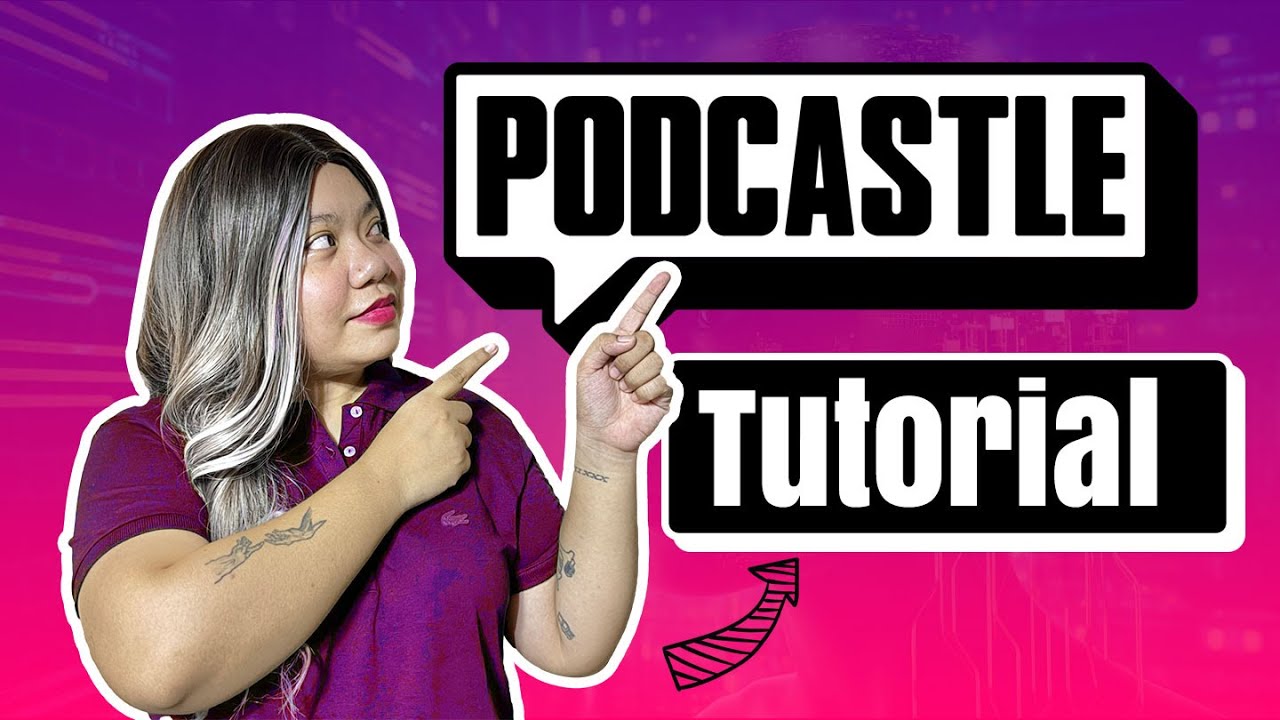
Podcastle is one of the few platforms on this list built specifically for podcast production from the ground up. It combines recording, text-based editing, AI voice generation, and background music tools in a single interface. For creators who want an all-in-one solution without stitching together multiple services, Podcastle delivers a clean experience. Its AI voice tools allow for quick narration fixes, and the platform's magic dust feature can clean up audio with a single click. It ranks ninth because it is purpose-built for podcasting and accessible to beginners, though it generally lacks the advanced capabilities and ecosystem integration of the larger platforms above it.
10. Adobe Podcast
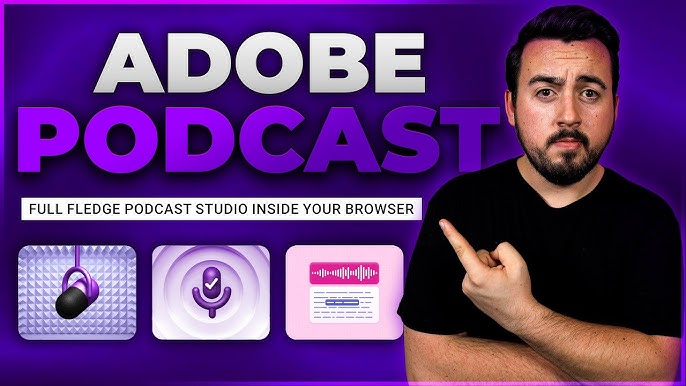
Adobe Podcast rounds out the list with a focus on audio quality enhancement. Its AI-powered cleanup tools are particularly effective at removing background noise, echo, and reverb from recordings made in less-than-ideal environments. For creators who cannot access a treated studio space, Adobe Podcast can salvage audio that would otherwise be unusable. The enhancement process is simple, often requiring just one click to transform a muddy recording into something crisp and broadcast-ready. It ranks tenth because its scope is narrow compared to the other tools here, but for audio cleanup specifically, it remains one of the most effective solutions available.
The AI podcast tool ecosystem in 2026 is mature and diverse. The best choice depends on your specific workflow. If you need end-to-end generative production, Google AI Studio and NotebookLM lead the pack. If you prioritize script quality, Claude and ChatGPT handle that phase better than anyone. For post-production, Descript and Riverside are indispensable. And for voice quality and audio cleanup, ElevenLabs and Adobe Podcast deliver results that were impossible just a few years ago. According to our analysis, the smartest strategy is to combine two or three of these tools into a pipeline that plays to each platform's strengths.
Related Posts

Top 10 Best Digital Banks In India 2026

Top 10 Best Mortgage Lenders In Florida 2026
Top 10 Best Public Relations Agencies In South Africa 2026
RCV Technologies: Software Development and Digital Marketing Services for Growing Businesses
RCV Technologies offers web and mobile development, e-commerce, CMS solutions, and digital marketing services including SEO and link building for businesses and agencies.
1 Comment
Join the discussion and share your thoughts