Top 10 Richest Men In South Korea 2026 Billionaires List (Net Worth)

Table of Contents
South Korea's economy continues to demonstrate remarkable resilience and growth, driven by its global leadership in semiconductors, entertainment, biotech, and automotive manufacturing. The country's billionaire class reflects this industrial diversity, with fortunes built not just in the traditional chaebol conglomerates but also in gaming, K-pop, and fintech. To build this list of the top 10 richest men in South Korea for 2026, we analyzed public filings, Bloomberg and Forbes valuations, and market capitalization trends for each individual's primary holdings. We weighed criteria including net worth as of early 2026, year-over-year wealth growth, the global market position of their companies, and their influence on South Korea's economic trajectory. The ranking reveals a shift: while Samsung and Hyundai heirs still dominate, entrepreneurs from the tech and entertainment sectors have climbed significantly, reshaping the landscape of Korean wealth.
The Top 10 Richest Men In South Korea 2026 Billionaires List (Net Worth):
1. Shin Dong-bin - $12.5 Billion
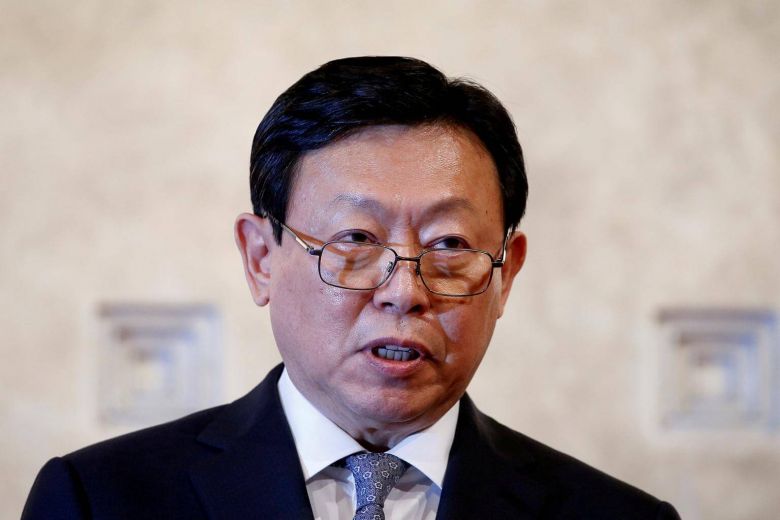
Shin Dong-bin, Chairman of Lotte Group, takes the top spot in 2026 with a net worth of $12.5 billion. Lotte is a sprawling multinational chaebol with operations spanning retail, petrochemicals, and food across 20 countries. Shin assumed leadership in 2011 after a highly publicized family succession battle with his older brother. Under his direction, Lotte expanded aggressively into duty-free retail in Asia, becoming one of the largest duty-free operators globally. The company's e-commerce division also posted strong gains as South Korea's online shopping market grew past $170 billion in 2025. Lotte's recovery in tourism-linked businesses, particularly in Japan and Southeast Asia, has boosted Shin's wealth significantly since the pandemic trough.
2. Chey Tae-won - $11.2 Billion
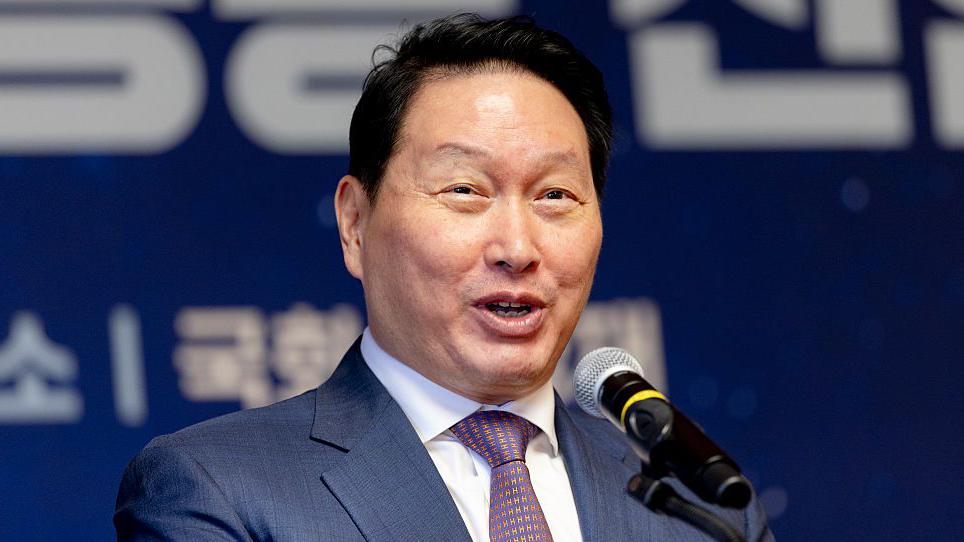
Chey Tae-won, Chairman of SK Group, ranks second with $11.2 billion. SK Group is South Korea's second-largest conglomerate by revenue, with major operations in energy, semiconductors, and battery manufacturing. Chey has led SK since 1998, and his tenure is defined by a single transformative bet: SK Hynix. Under his guidance, the chipmaker became a global leader in memory semiconductors, particularly high-bandwidth memory (HBM) used in AI data centers. SK Hynix's market capitalization exceeded $120 billion in early 2026, driven by demand from Nvidia and other AI firms. SK Group's total assets are valued at over $300 billion, and its green energy investments, including battery joint ventures with Ford and Volkswagen, have further solidified Chey's position.
3. Lee Jae-yong - $10.8 Billion
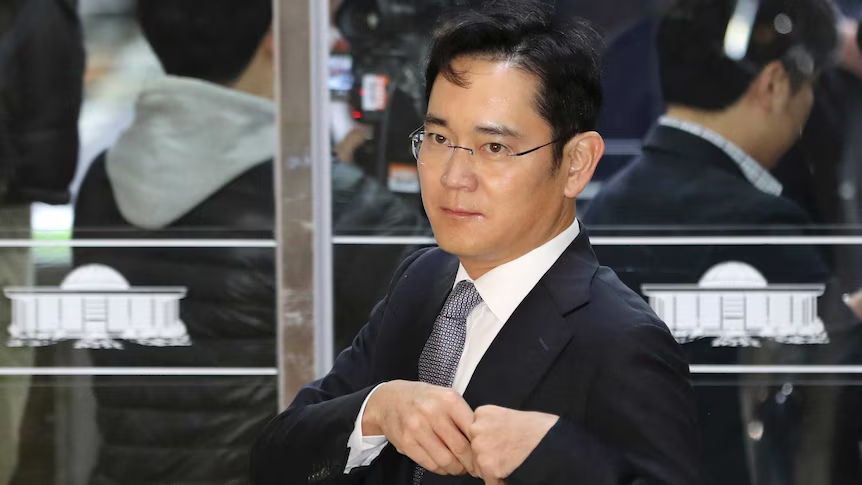
Lee Jae-yong, Executive Chairman of Samsung Electronics, holds third place with $10.8 billion. Samsung Electronics remains the crown jewel of South Korea's economy, generating roughly $250 billion in annual revenue and commanding over 20% of the global market in memory chips and smartphones. Lee assumed full operational control in 2022 after a protracted legal battle and conviction on bribery charges that were later pardoned. He has driven Samsung's push into foldable phones, which now account for 60% of the global foldable market, and expanded semiconductor foundry capacity to challenge TSMC. Samsung's dominance in both consumer electronics and industrial components makes Lee's wealth directly tied to the company's performance across multiple sectors.
4. Chung Mong-gyu - $9.7 Billion
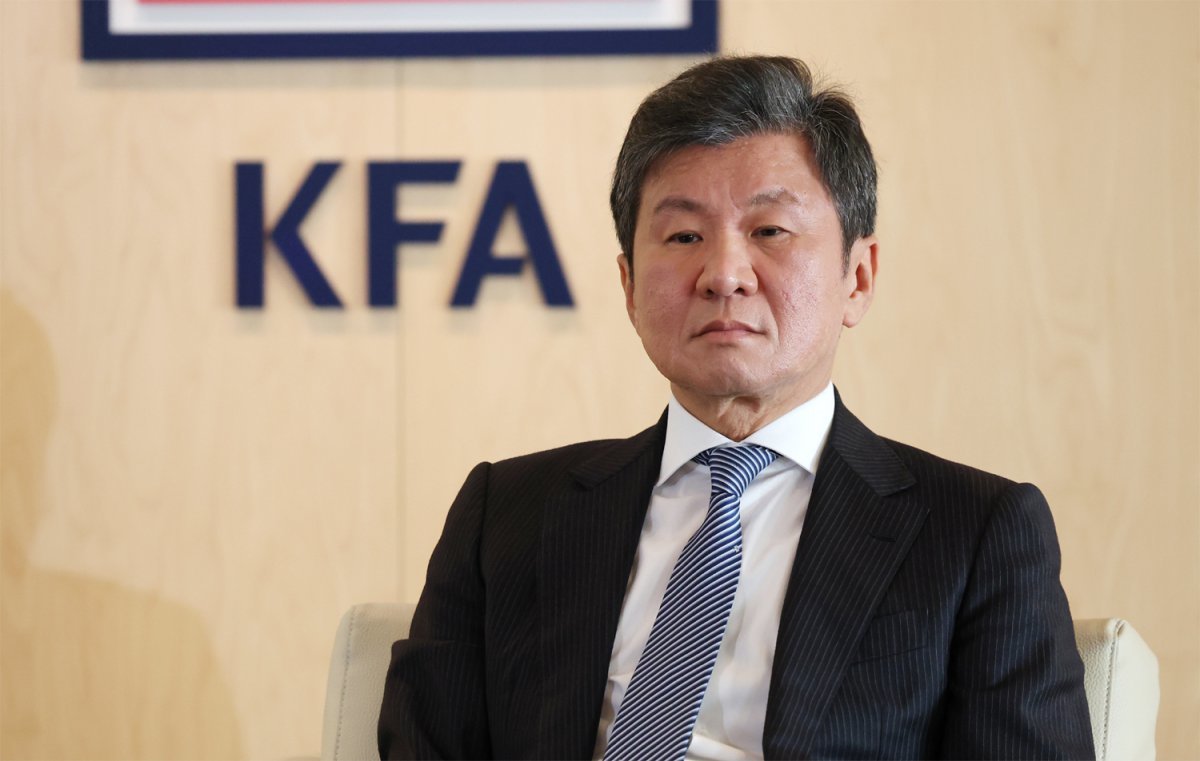
Chung Mong-gyu, Chairman of HDC Group, ranks fourth with $9.7 billion. As a key heir of the Hyundai dynasty, Chung oversees a diverse portfolio that includes Hyundai Department Store, construction firms, hotels, and real estate assets collectively valued at $50 billion. HDC Group has expanded into luxury retail and hospitality, capitalizing on South Korea's booming consumer market. The company's resort developments and high-end department stores have benefited from increased domestic spending and tourism recovery. Chung's wealth is also bolstered by HDC's construction contracts, which include major infrastructure projects in South Korea and Southeast Asia.
5. Lee Boo-jin - $8.4 Billion
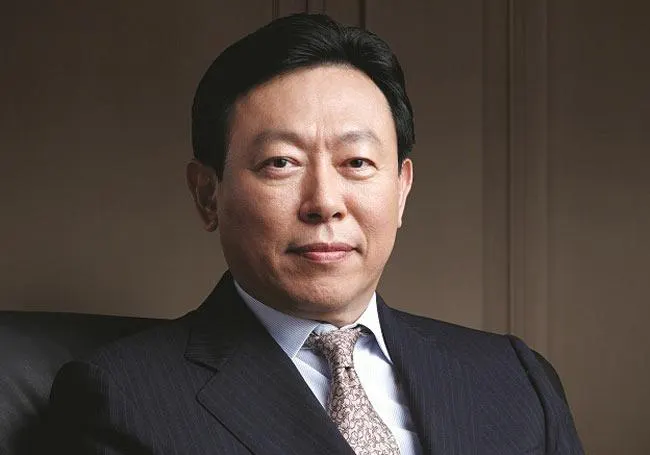
Lee Boo-jin, CEO of Hotel Shilla and a daughter of the late Samsung chairman Lee Kun-hee, ranks fifth with $8.4 billion. Hotel Shilla operates luxury duty-free shops that generated $10 billion in sales in 2025, giving the company a near-monopoly position in South Korea's $20 billion duty-free industry. Lee pioneered high-end cosmetics retail in Asia, securing exclusive partnerships with brands like Chanel and LVMH. She expanded Hotel Shilla's global footprint post-COVID, opening flagship stores in Singapore and Dubai. Her wealth reflects both her operational success and her inheritance of Samsung Group shares, making her the wealthiest woman in South Korea by a wide margin.
6. Kim Jung-ju - $7.9 Billion
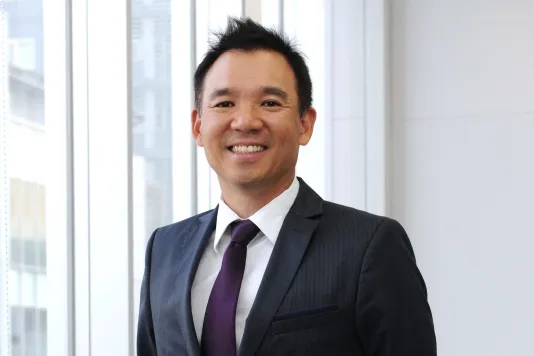
Kim Jung-ju, founder of Nexon, ranks sixth with $7.9 billion. Nexon built a gaming empire around hits like MapleStory and Dungeon Fighter Online, boasting over 100 million monthly active users worldwide. The company reported $3.2 billion in revenue in 2025, driven by mobile game adaptations and expansion into the metaverse. Kim founded Nexon in 1994 and took the company public on the Tokyo Stock Exchange, where it maintains a market cap above $20 billion. His position reflects the explosive growth of South Korea's gaming and esports sectors, which together contribute over $15 billion annually to the national economy.
7. Bang Si-hyuk - $6.5 Billion
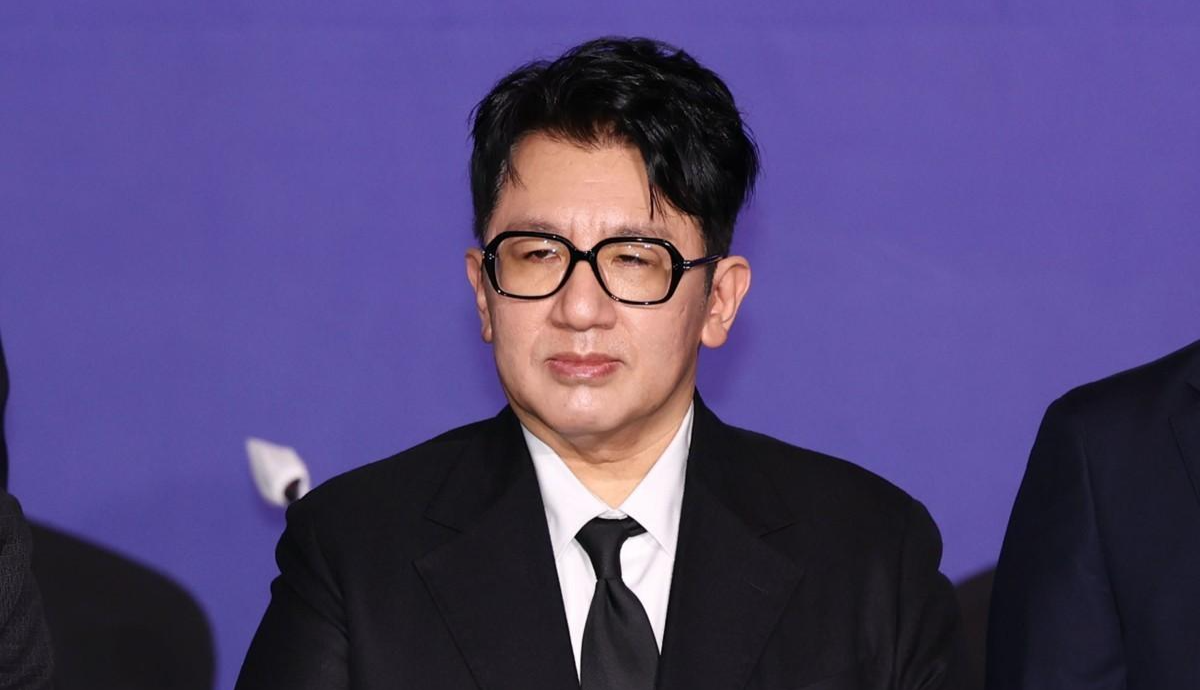
Bang Si-hyuk, founder of HYBE (formerly Big Hit Entertainment), ranks seventh with $6.5 billion. Bang created the global phenomenon BTS and built HYBE into a $10 billion entertainment conglomerate. The company's Weverse platform now hosts over 10 million monthly active users for fan engagement and merchandise sales. HYBE's 2025 revenue hit $1.8 billion, derived from music, artist management, concert tours, and merchandise. Bang's wealth surge is directly tied to K-pop's international dominance: BTS alone generated over $5 billion for the South Korean economy annually, and HYBE's artist roster now includes Seventeen, Tomorrow X Together, and NewJeans. His ranking on this list underscores how intellectual property and cultural exports have created new billionaire fortunes in South Korea.
8. Seo Jung-jin - $5.8 Billion
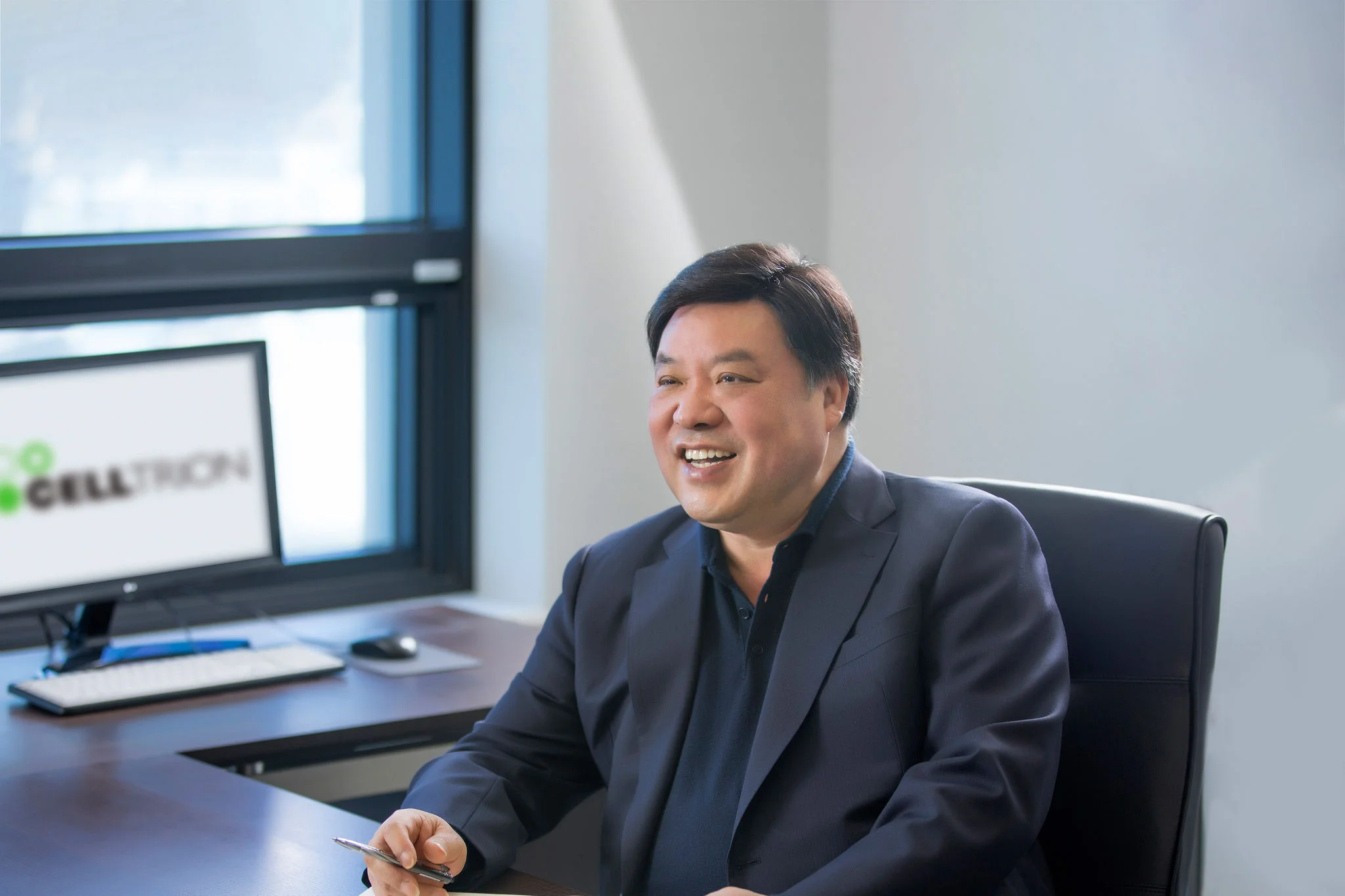
Seo Jung-jin, founder of Celltrion, ranks eighth with $5.8 billion. Celltrion is a biopharmaceutical leader specializing in biosimilars, with $2.5 billion in 2025 sales from drugs like Remsima, a biosimilar of Remicade used for autoimmune diseases. The company captured roughly 30% of Europe's biosimilar market and is expanding into the United States. Celltrion's pipeline includes over 20 treatments targeting cancer, rheumatoid arthritis, and other autoimmune conditions. Seo founded the company in 2002 and has overseen its growth into the second-largest biosimilar manufacturer globally. His wealth growth has been steady as Celltrion's products gain regulatory approvals in new markets.
9. Lee Seung-gun - $4.9 Billion
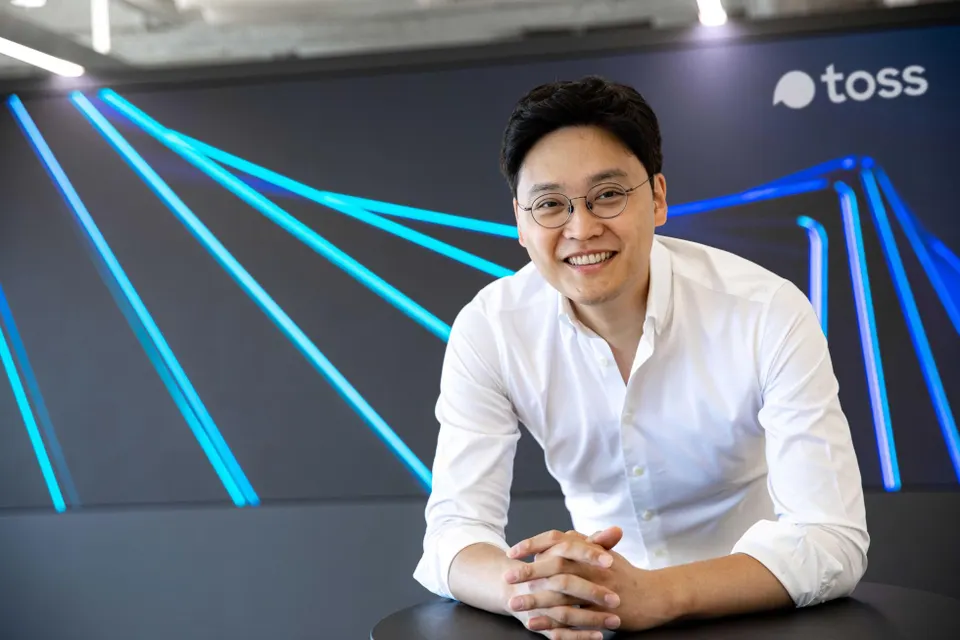
Lee Seung-gun, Chairman of Daum Communications (the parent company of Kakao), ranks ninth with $4.9 billion. Kakao operates South Korea's dominant messaging app, KakaoTalk, which has over 50 million users in a country of 51 million people. The company has expanded into fintech through KakaoPay, which processed over $100 billion in transactions in 2025, and into content streaming. Kakao's ecosystem generated approximately $4 billion in revenue in 2025. Lee's position on this list reflects Kakao's near-total dominance in digital communications and payments in South Korea, where the app is used for everything from messaging to banking to taxi hailing.
10. Chung Eui-sun - $4.2 Billion
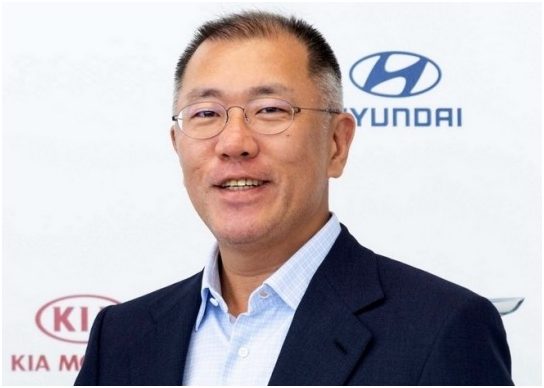
Chung Eui-sun, Executive Chairman of Hyundai Motor Group, rounds out the top 10 with $4.2 billion. Hyundai Motor Group commands roughly 10% of the global automotive market, with brands including Hyundai, Kia, and Genesis. The group sold 4.2 million vehicles in 2025 and has invested heavily in electric vehicles and hydrogen fuel cell technology. Hyundai's Ioniq EV line and the Genesis luxury brand have gained significant market share in North America and Europe. The group's total assets exceed $160 billion. Chung took the helm from his father, Chung Mong-koo, and has pushed Hyundai toward autonomous driving technology and robotics, including the acquisition of Boston Dynamics.
Related Posts


447 Comments
Join the discussion and share your thoughts