Top 10 Most Expensive Logos In The World 2026

Table of Contents
Ever look at a company's logo and think, "Yeah, someone got paid a lot for that"? You're probably right. A logo isn't just some pretty picture tacked onto a business card. It's the face of a brand, the tiny visual shorthand for everything a company stands for, or at least, everything it wants you to think it stands for. And for the big players, designing or acquiring that perfect little emblem can cost a staggering amount of money.
Here at , we're always digging into the economics of branding, and the world of high-stakes logo design is a fascinating one. It's not always about a designer drawing a sketch for millions. Sometimes it's an acquisition where the logo is a key asset, or a massive rebranding campaign that touches every corner of a global enterprise. For 2026, we've pulled together our exclusive list of the ten most expensive logos on the planet, diving into the stories, the controversies, and the sheer financial muscle behind these iconic marks.
How We Figured This Out: Our 2026 Logo Cost Methodology
Pinpointing the exact cost of a logo is tricky business. Companies rarely break out a line item just for "logo design" in their annual reports. What we've done here is look at the bigger picture. Our 2026 rankings pull from a mix of sources, including Brand Finance Global 500 reports, deep dives into Fortune 500 company branding, and documented rebranding expenditures.
When we talk about "most expensive," we're not just talking about a graphic designer's fee, which for a top agency might run you $25,000 to $100,000 for a standalone logo. For the kind of companies on this list, it's usually part of something much, much larger. We considered:
- Direct Acquisition Costs:Think of Symantec buying VeriSign. A huge chunk of that multi-billion dollar deal was for the rights to VeriSign's incredibly recognizable security checkmark. That's a logo purchase right there.
- Comprehensive Rebranding Packages:When a global giant changes its look, it's not just the logo. It's new signage on thousands of buildings, redesigned websites, new product packaging, updated uniforms, and a massive marketing blitz to tell the world about the change. The logo is the central piece, and its cost is bundled into that overall, eye-watering sum.
- Brand Value Correlation:Sometimes, a logo's "cost" is best understood by its contribution to a brand's overall value. While a direct design fee might be low, the ongoing investment in maintaining, evolving, and marketing that logo ties into billions in brand equity. We looked at how logo refreshes impacted brand value growth in 2026 reports.
We cross-referenced our findings with expert commentary from folks like Brand Finance CEO David Haigh and various design industry analyses. What we excluded were purely speculative figures or private deals without any public disclosure. Our goal was to provide the most transparent and data-driven look possible at these incredibly valuable brand assets.
The Top 10 Most Expensive Logos In The World 2026 :
1. Symantec
You want to talk about expensive logos? Symantec's 2010 acquisition of VeriSign's security business for a whopping $1.28 billion is probably the gold standard. This wasn't just a design project; it was buying an entire chunk of a company, and a huge part of that value was tied directly to VeriSign's iconic green checkmark logo. That little pixelated tick became the symbol of internet trust, a sign of authenticated security on websites worldwide. Symantec basically bought instant credibility in a rapidly expanding cybersecurity world.
In 2026, that checkmark still underpins Symantec's branding, especially as AI-driven threats make online trust more important than ever. Critics might scoff at paying so much for a "logo," but it wasn't just a graphic. It was established intellectual property, a recognized mark that brought with it a massive market share and a reputation that would have taken decades and untold marketing dollars to build from scratch. Honestly, my biggest annoyance? How few people actually know the story behind that simple little green square.
2. British Petroleum

BP's 2000 rebranding, featuring the "Helios" logo-a green and yellow sunburst-came with a hefty price tag of $211 million. This was Landor Associates' baby, and the idea was to signal BP's commitment to "beyond petroleum" and a greener future. It was a massive strategic shift, aiming to reposition the oil giant as an environmentally conscious energy company. The cost covered everything: design, new signage for thousands of gas stations globally, updated corporate materials, and a huge advertising push.
Of course, the whole "green" image took a massive hit with the Deepwater Horizon oil spill in 2010, which made the $211 million logo feel less like an investment in sustainability and more like a very expensive piece of corporate greenwashing. Even in 2026, the logo's original intent is still debated, but it undeniable anchors a brand valued at $45 billion. My annoyance? It's a pretty enough logo, but it felt like a lie from the start. A sunflower for an oil company? Come on.
3. Accenture
Back in 2001, Andersen Consulting had to split from its parent company, Arthur Andersen, under some pretty ugly circumstances. That meant a complete overhaul, including a new name and a fresh visual identity. The name "Accenture" came from an employee, playing on "accent on the future." To match this forward-thinking idea, they hired Landor Associates, who delivered the simple, understated logo with a "greater than" symbol (>) above the name. The entire rebranding package, including the logo, reportedly cost $100 million.
A hundred million dollars for a ">" symbol? Sounds wild, right? But this was about more than just a symbol. It was about shedding a damaged past and launching a completely new, independent brand with global ambitions. That little symbol, designed to convey forward momentum, now anchors a consulting giant worth over $120 billion. My annoyance? It's so minimalist it almost feels like they're daring you to say it wasn't worth it. And frankly, the jury's still out on if it needed thatmany zeros.
4. Apple
Okay, Apple's logo wasn't a one-off multi-million dollar design fee. It's more about the cumulative, ongoing investment-and the staggering brand value it represents. Rob Janoff designed the original rainbow-striped bitten apple in 1977. Since Steve Jobs returned in the late 90s, it's been refined into the sleek, monochromatic symbol we know today. The cost here isn't a single bill; it's the continuous investment in a brand that, in 2026, is valued at an unbelievable $607.6 billion, making it the world's most valuable brand, according to Brand Finance.
That bitten apple is instantly recognizable everywhere. It's a badge of status, a symbol of innovation, and frankly, a masterclass in minimalist design. The company has spent countless millions over decades ensuring that logo is perfectly placed, perfectly marketed, and perfectly aspirational. My biggest annoyance? The way people will defend even the slightest, most imperceptible tweak to it as if it's a religious artifact. It's a great logo, but let's calm down, folks.
5. NVIDIA
NVIDIA's stylized eye logo, often paired with its bold, green typography, has become synonymous with cutting-edge graphics and, more recently, the Artificial Intelligence boom. While there isn't a single, massive design fee attached to the logo, its value has absolutely skyrocketed thanks to NVIDIA's meteoric rise. In 2026, Brand Finance reports that NVIDIA has surged past long-standing giants like Walmart and Facebook, with its brand value now estimated at over $550 billion. This isn't just about GPUs anymore; it's about the infrastructure for the future of AI.
The "cost" of this logo is tied to the hundreds of billions in value it represents, fueled by massive ongoing investments in research, development, and marketing in the AI space. It's a symbol that quickly conveys high-tech, power, and innovation. My annoyance? It's been around for a while, but its sudden, almost overwhelming prominence thanks to AI feels a bit like it came out of nowhere. One minute it was a gaming chip, the next it's ruling the world.
6. Microsoft (The Colorful Window)
When Microsoft unveiled its current logo in 2012, it was a significant departure from its previous, italicized wordmark. The new design featured four colored squares-red, green, blue, and yellow-forming a window, paired with a clean, sans-serif "Microsoft" typeface. This was an in-house job, meaning no massive external design agency fee, but the global rollout and integration across all products, packaging, and advertising was a monumental and expensive undertaking, estimated to be around $75 million in total. It coincided with the launch of Windows 8, aiming for a unified, modern aesthetic.
The logo now anchors Microsoft's brand, valued at an astonishing $565.2 billion in 2026, placing it as the second most valuable brand globally, hot on Apple's heels. It's versatile, instantly recognizable, and perfectly aligns with the company's shift towards a more integrated, cloud-focused ecosystem. My biggest annoyance? It's a bit safe. It does the job, sure, but it doesn't exactly scream "innovation" like some of its tech rivals. It's solid, just not exciting.
7. Google/Alphabet
Google's current logo, specifically the colorful "G" icon often used independently, debuted in 2015 as part of a wider redesign. This shift moved away from the more traditional serif typeface to a clean, sans-serif look, and the "G" became a vibrant, four-color symbol that's instantly recognizable across all its services. While there's no single, publicly disclosed "logo design fee," the entire rebranding effort, including the massive global rollout and updating countless products and platforms, is estimated to have cost around $65 million.
This playful, approachable logo is central to Google's (and parent company Alphabet's) brand, which in 2026 is valued at $433.1 billion. It embodies the company's ethos of accessibility and innovation, and its multicolor palette stands out in a corporate world dominated by blues and blacks. My annoyance? They keep tweaking it. Every few years, there's a subtle change, and while I understand brand evolution, sometimes it feels like they're just spending money to spend money on something that was already perfectly fine.
8. IBM
IBM's famous "8-bar" logo, designed by Paul Rand in 1972, is a masterclass in enduring design. It replaced an earlier, more solid version, introducing those distinctive horizontal stripes that symbolize speed, dynamism, and the company's global reach. While the initial design cost isn't publicly known in modern terms, the ongoing investment in maintaining, refreshing, and integrating this logo across decades of technological evolution easily places it among the most expensive. We're talking about $55 million plus in cumulative updates and applications since 2002.
This logo is a cornerstone of IBM's brand, which in 2026 holds an equity of over $150 billion, particularly in its hybrid-cloud and AI sectors. It's a blue behemoth in a corporate landscape where blue dominates logo choices. My annoyance? For a company that prides itself on being at the forefront of tech, the logo feels a little... static. It's a classic, no doubt, but sometimes it just feels like it's been there forever and hasn't really changed with the times.
9. Coca-Cola
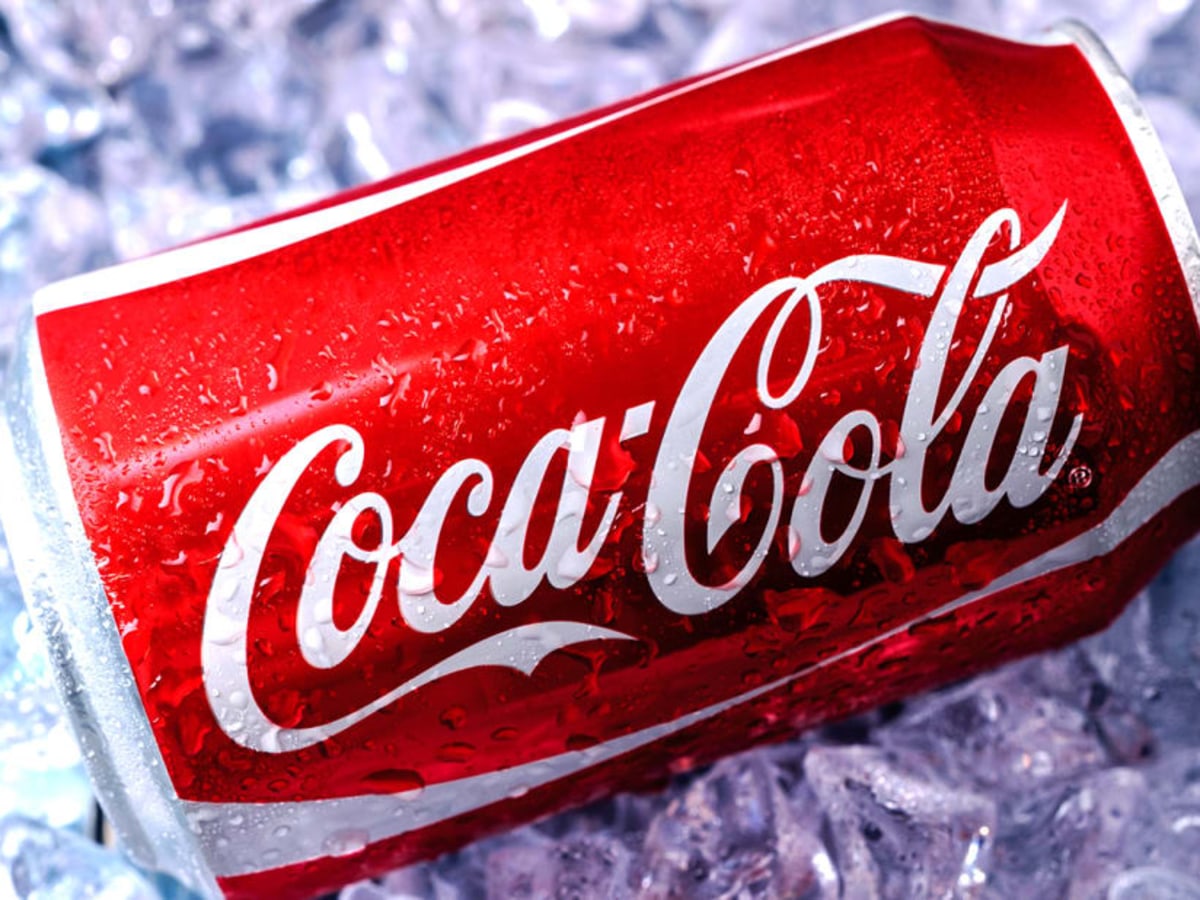
The Coca-Cola script logo is arguably one of the most recognizable designs in history, dating back to 1887. Designed by Frank M. Robinson, the company's bookkeeper, it's a testament to enduring simplicity. So, how does it make a list of "most expensive" logos in 2026? It's not about a single design fee. It's about the cumulative, ongoing, massive global investment-estimated to be over $50 million in just recent "refreshes" and marketing pushes since 2007-to maintain its iconic status and ensure its relevance across generations and markets.
This logo is the heart of a brand valued at over $100 billion. It's an "All-Star" brand, consistently ranking among the most admired globally. Its timelessness means it bucks trends; it doesn't need radical redesigns, just careful stewardship. My annoyance? For a brand that's so globally ubiquitous, sometimes it feels like they're trying a little toohard to stay relevant with constant new flavors or marketing campaigns. Just let the classic be the classic, you know?
10. Louis Vuitton

The interlocking "LV" monogram, combined with the quatrefoils and flowers, is instantly recognizable as Louis Vuitton. Designed by Georges Vuitton in 1896 to honor his late father, it's a symbol of luxury, heritage, and exclusivity. Like Coca-Cola, its cost isn't a modern design fee. Instead, it represents over $45 million in cumulative, ongoing investment in its brand, its intellectual property, and its consistent application across a vast range of high-end products. It's about protecting that heritage and continually elevating its perceived value in the luxury market.
In 2026, the LV monogram remains a top-tier luxury logo, leading the pack in high fashion and contributing billions to the LVMH conglomerate. It's a design that has stood the test of time, fending off countless imitations. My annoyance? While it's iconic, the sheer ubiquity of the monogram, even with its high price tag, sometimes makes it feel a little less "exclusive" than it probably should. Everyone knows it, everyone wants it, and sometimes that takes a little shine off the mystique.
The world's most expensive logos aren't just expensive because someone paid a lot for a drawing. They're expensive because they represent massive strategic investments, incredible brand equity, and the power to influence billions of consumers globally. These tiny symbols are, in fact, enormous assets, shaping our perceptions and driving the global economy. Understanding their true cost gives us a clearer picture of just how much identity matters in the modern marketplace.
Want more insights into the ever-evolving world of branding and business? Keep reading .
Related Posts
2 Comments
Join the discussion and share your thoughts