Top 10 Most Corrupt Countries In The World 2026

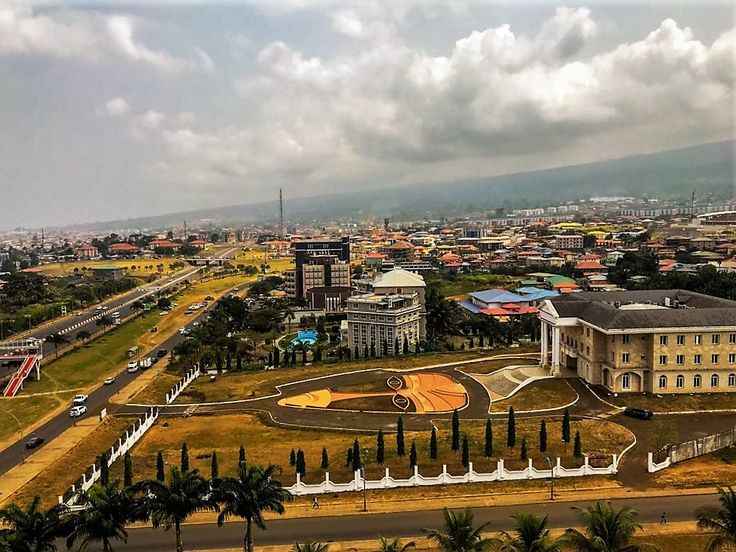
Table of Contents
Corruption remains one of the most persistent obstacles to development, security, and human dignity across the globe. When we examine the top 10 most corrupt countries in the world for 2026, we rely on the most recent available data from Transparency International's Corruption Perceptions Index (CPI), which provides the most authoritative measure of perceived public sector corruption. The CPI scores countries on a scale from 0 (highly corrupt) to 100 (very clean), drawing on expert assessments and surveys of businesspeople.
To build this ranking, we looked at the CPI scores from the most recent comprehensive data set available, which covers 180 countries and territories. The countries at the bottom of this index share common characteristics: weak rule of law, political instability, lack of independent oversight, and economies where state resources are routinely diverted for private gain. These factors create environments where corruption becomes systemic rather than exceptional. The following list represents the 10 countries with the lowest CPI scores, indicating the highest perceived levels of public sector corruption globally.
It is important to note that these rankings reflect perceptions of corruption, not direct measurements. However, decades of research show that perception indexes correlate strongly with actual corruption experiences and economic outcomes. Countries that rank poorly on the CPI tend to have lower foreign direct investment, weaker public services, and higher inequality. The consequences of systemic corruption are not abstract - they mean roads that crumble before they are finished, hospitals without medicine, and children denied education because families cannot afford the bribes that gatekeepers demand.
These Are The Top 10 Most Corrupt Countries In The World 2026:
1. Somalia
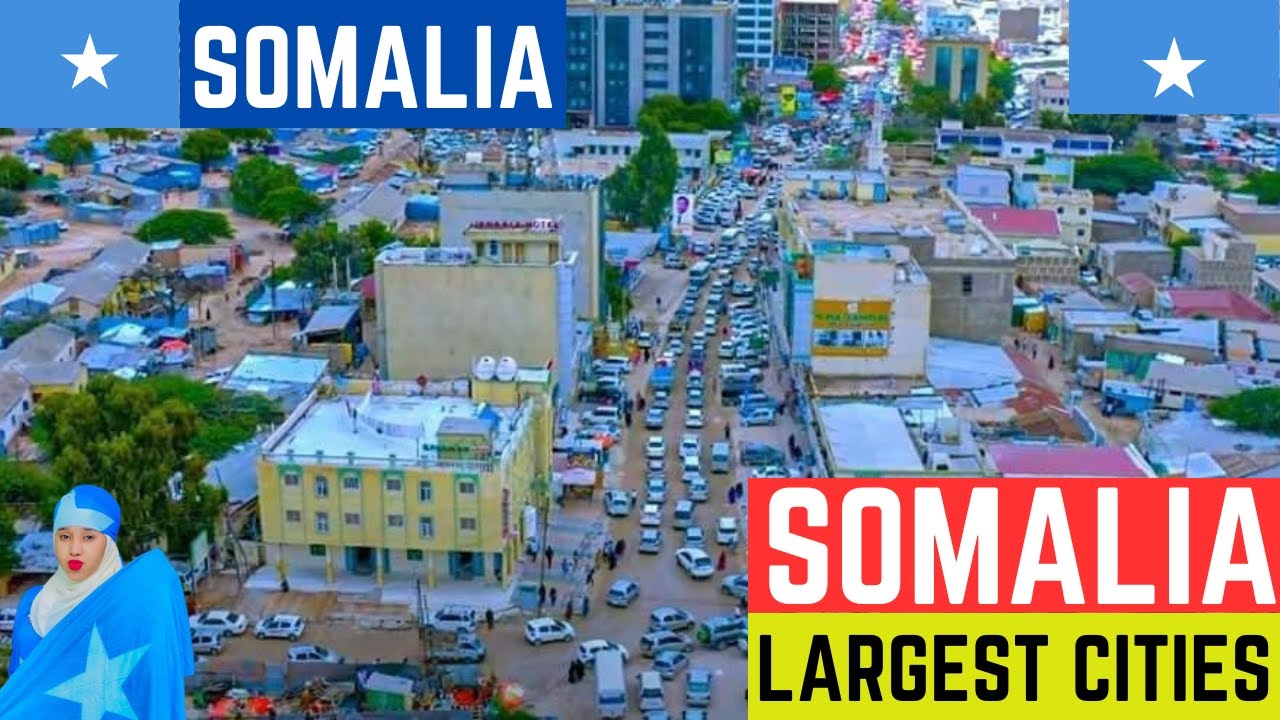
Somalia occupies the absolute bottom of Transparency International's Corruption Perceptions Index, with a CPI score of just 11 out of 100 in the most recent ranking. This places the country at position 180 out of 180 nations surveyed, making it the country perceived as having the most corrupt public sector in the world.
The roots of Somalia's corruption crisis lie in decades of civil conflict and the collapse of central state authority. Since 1991, the country has struggled to build functional governance institutions. Even the current federal government, established with international support, exercises limited control beyond Mogadishu. In this vacuum, patronage networks have become the primary mechanism for distributing resources and maintaining political loyalty. Public sector jobs are often awarded based on clan affiliation rather than merit, and salaries are so low that employees frequently supplement their income through informal fees and bribes.
The diversion of international aid presents a particularly troubling dimension. Somalia receives hundreds of millions of dollars in humanitarian and development assistance each year, yet significant portions of this funding are lost to graft. A 2023 report from the United Nations noted that up to 30 percent of aid intended for public services was being siphoned off through corrupt practices. This theft of resources has direct human consequences in a country where millions face food insecurity and lack access to basic healthcare.
2. South Sudan
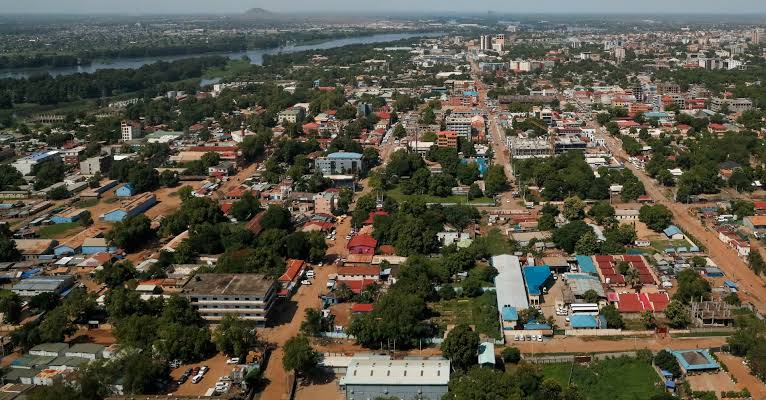
South Sudan shares a CPI score of 13 out of 100, ranking 177th out of 180 countries. The world's youngest nation has been plagued by corruption since its independence in 2011, and the problem has only worsened during years of civil war and political instability.
The oil sector lies at the heart of South Sudan's corruption problem. Oil revenues account for virtually all of the government's budget, yet the management of these funds remains deeply opaque. A 2022 investigation by The Sentry, a watchdog organization, documented how senior political and military elites have diverted billions of dollars from oil revenues into personal accounts and foreign real estate holdings. The country's Auditor General has repeatedly been unable to account for significant portions of the national budget, with reports showing that in some fiscal years, more than 60 percent of government spending could not be traced.
What makes South Sudan's situation particularly tragic is the contrast between the wealth being stolen and the suffering of ordinary citizens. Despite its oil wealth, South Sudan has some of the worst development indicators in the world. Less than 40 percent of the population has access to clean water, and maternal mortality rates are among the highest globally. The kleptocracy that has taken root since independence directly prevents the delivery of basic services to a population that desperately needs them.
3. Syria
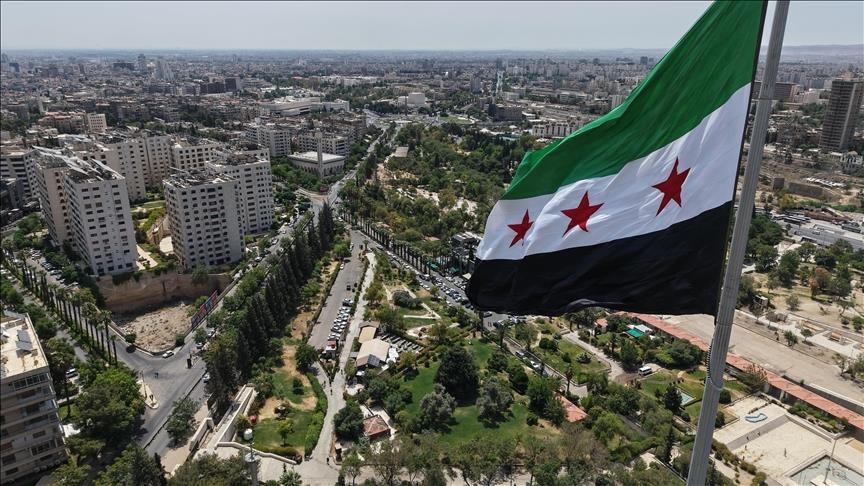
Syria also scores 13 out of 100 on the CPI, ranking alongside South Sudan at 177th place. The country's descent into civil war in 2011 created conditions that transformed corruption from a serious problem into an existential crisis for governance.
Before the war, Syria was already considered a corrupt state, but the conflict fundamentally changed the nature of corruption. The wartime economy created new opportunities for graft, with checkpoints controlled by various armed groups demanding payments for passage, and state resources being diverted to support the military campaign. The Assad government's reliance on loyalist networks to maintain control has meant that positions in the bureaucracy and security services are effectively for sale, with officials expected to extract rents from the population in exchange for their appointments.
The international sanctions regime has created additional corruption vectors. With formal banking channels restricted, smuggling networks have flourished, and those with connections to the security services have enriched themselves by controlling access to scarce goods. Basic services that were once provided by the state, such as electricity and water, now require payments to middlemen. For ordinary Syrians, navigating daily life requires constant negotiation with corrupt officials and armed actors. The result is a system where survival depends on who you know and what you can pay, rather than any formal legal framework.
4. Venezuela
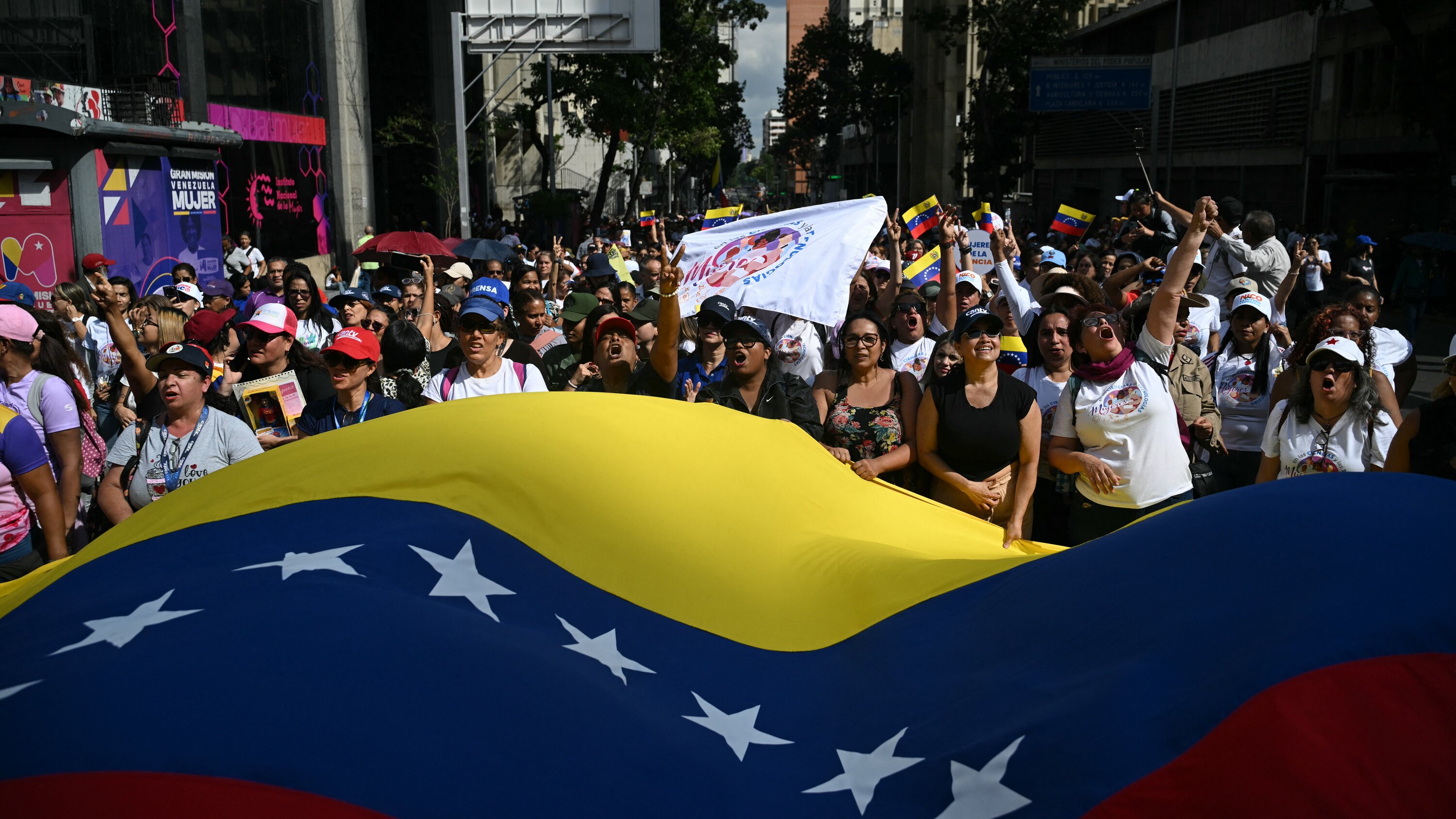
Venezuela's CPI score of 13 out of 100 places it in the bottom tier of the global rankings, at 177th position alongside Syria and South Sudan. The country's trajectory from one of Latin America's wealthiest nations to a humanitarian catastrophe is inseparable from the corruption that has hollowed out its institutions.
The collapse of Venezuela's economy is directly tied to the mismanagement and theft of oil revenues. During the oil boom of the early 2000s, Venezuela earned hundreds of billions of dollars from petroleum exports. Instead of building sustainable institutions, these funds were channeled through opaque state-owned enterprises and off-budget accounts controlled by political allies. The state oil company, Petrleos de Venezuela (PDVSA), became a vehicle for systematic looting, with senior officials skimming billions from contracts and joint ventures.
The politicization of the judiciary has eliminated any meaningful accountability. Judges and prosecutors are appointed based on political loyalty rather than legal expertise, and independent oversight bodies have been gutted. When anti-corruption investigations do occur, they target political opponents while protecting regime insiders. The result is a system where impunity is guaranteed for those with connections, while ordinary citizens face extortion from police and bureaucrats at every turn. Venezuela's inflation crisis, mass emigration, and collapse of public services all trace their origins to the corruption that destroyed the state's capacity to function.
5. Yemen
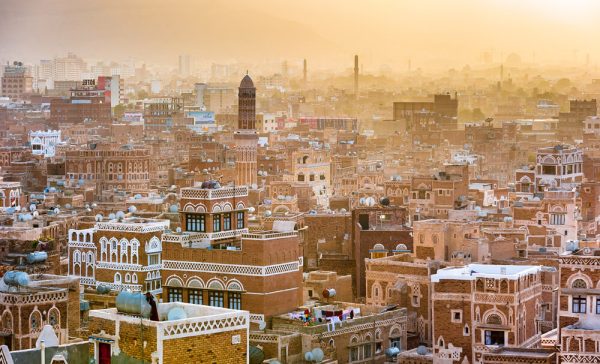
Yemen scores 16 out of 100 on the CPI, ranking 176th out of 180 countries. The ongoing civil war, now in its second decade, has fragmented state authority and created a corruption crisis that compounds the suffering caused by conflict.
Before the war, Yemen was already one of the world's most corrupt countries, with patronage networks extending from the presidency down to local government. The conflict has made the situation dramatically worse. With the state split between the internationally recognized government based in Aden and the Houthi authorities controlling Sanaa, oversight mechanisms have collapsed entirely. Both sides rely on informal networks to distribute resources and maintain loyalty, and both have been accused of diverting humanitarian aid intended for civilian populations.
The diversion of fuel and food imports presents a particularly devastating form of corruption. Yemen imports nearly all of its food and fuel, and control over these imports has become a source of enormous profit for armed groups and their allies. A 2022 report from the UN Panel of Experts documented how fuel smuggling networks, operating with the complicity of officials on both sides, have generated hundreds of millions of dollars in illicit revenue. This corruption directly contributes to the hunger crisis that has pushed millions of Yemenis to the brink of famine. When aid supplies are stolen and sold on the black market, the most vulnerable populations pay the price.
6. North Korea
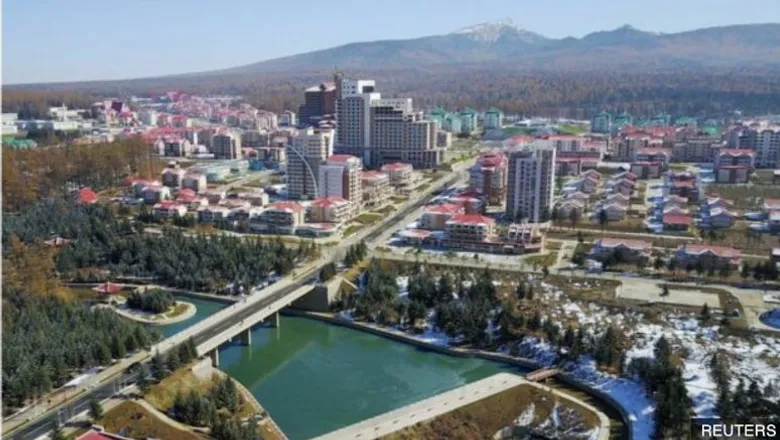
North Korea scores 17 out of 100 on the CPI, ranking 172nd out of 180 countries. The Democratic People's Republic of Korea operates as a closed, authoritarian system where corruption is not merely tolerated but is integral to how the state functions.
In North Korea, the formal economy has largely collapsed, and survival depends on participation in informal markets and patronage networks. The state distribution system that once provided basic goods to the population has broken down, replaced by a system where access to food, housing, and healthcare depends on payments to officials. The jangmadang, or informal markets, have become the primary means of economic activity, and these markets are controlled by networks of traders who pay bribes to security officials for protection.
The elite corruption in North Korea operates on a different scale. The ruling Kim family and senior party officials control access to foreign currency through weapons sales, sanctions evasion, and cybercrime operations. A 2023 report from the UN estimated that North Korea generated hundreds of millions of dollars through illicit cyber activities, including cryptocurrency theft, with these funds flowing to the leadership rather than to the population. The regime's control over information means that corruption is rarely exposed internally, and the lack of any independent media or civil society eliminates the possibility of accountability. For ordinary North Koreans, corruption is not an abstract concept but a daily reality that determines whether they can feed their families.
7. Equatorial Guinea
Equatorial Guinea shares a CPI score of 17 out of 100, ranking 172nd alongside North Korea and Haiti. Despite being one of Africa's largest oil producers, with a per capita GDP that would suggest a wealthy nation, the country's wealth has been captured by a small elite while the majority of the population lives in poverty.
The Obiang family has ruled Equatorial Guinea since 1979, and the country functions as a personal fiefdom. Oil revenues, which account for roughly 90 percent of government income, are managed with almost no transparency. The president's son, Teodoro Nguema Obiang Mangue, has been the subject of multiple international investigations into money laundering and asset theft. In 2020, a French court convicted him in absentia for using public funds to acquire luxury properties and vehicles worth millions of dollars. Despite these convictions, he continues to hold the position of vice president.
The corruption in Equatorial Guinea is not limited to the highest levels. Public procurement is dominated by companies owned by political insiders, and civil servants routinely demand bribes for services that should be free. The country's infrastructure projects, including new roads and hospitals, are frequently abandoned or poorly constructed because funds are diverted before reaching the actual work. The result is a country that exports billions of dollars in oil each year but where more than 40 percent of children are malnourished and access to clean water remains limited to urban areas.
8. Haiti
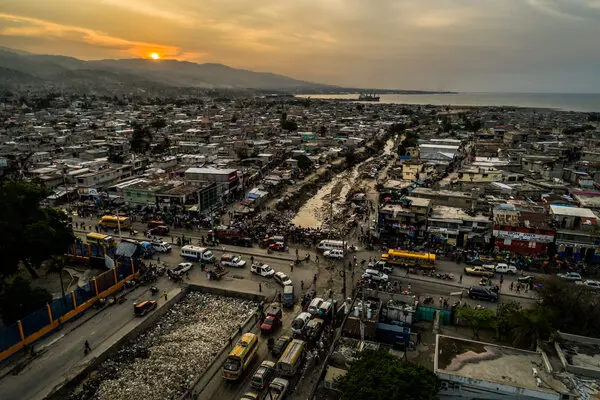
Haiti scores 17 out of 100 on the CPI, ranking 172nd out of 180 countries. The country's corruption crisis has deepened dramatically in recent years, driven by political instability, the collapse of state institutions, and the growing influence of armed gangs.
The management of international aid has been a persistent source of corruption in Haiti. Following the devastating 2010 earthquake, billions of dollars in humanitarian assistance flowed into the country, but a significant portion was lost to graft. A 2021 report from the Haitian Senate documented how funds intended for reconstruction were diverted by government officials, with contracts awarded to politically connected companies that failed to deliver promised services. The Petrocaribe scandal, which involved the misappropriation of nearly $2 billion in Venezuelan oil financing, implicated multiple former government officials and remains unresolved.
The breakdown of state authority has created new corruption vectors. With gangs controlling large parts of Port-au-Prince and other urban areas, government officials often pay protection money or engage in direct collaboration with criminal groups. The judicial system is widely considered dysfunctional, with judges and prosecutors subject to bribery and intimidation. For ordinary Haitians, accessing basic government services requires navigating a system of informal fees and kickbacks. The result is a state that cannot provide security, justice, or basic services to its citizens, with corruption at every level preventing the country from escaping its cycle of crisis.
9. Burundi
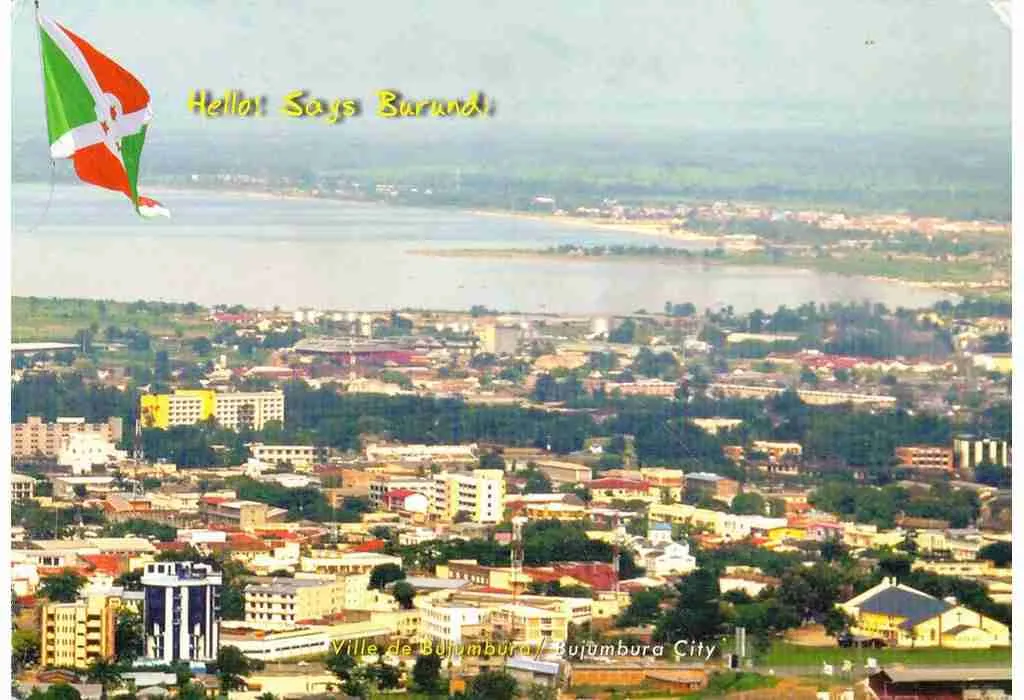
Burundi scores 20 out of 100 on the CPI, ranking 170th out of 180 countries. The small East African nation has struggled with endemic corruption since its civil war ended in 2005, and recent political developments have only worsened the situation.
The judiciary and security forces are widely considered the most corrupt institutions in Burundi. A 2022 report from Human Rights Watch documented how judges routinely demand bribes to rule in favor of litigants, and how police officers extort money from citizens at checkpoints and during routine interactions. The politicization of the justice system means that prosecutions for corruption rarely target government allies, while political opponents face selective enforcement of anti-corruption laws.
The management of state resources in Burundi is characterized by opacity and patronage. Public procurement contracts are routinely awarded to companies owned by ruling party members, often at inflated prices. The tea and coffee sectors, which are major sources of foreign exchange, have been plagued by allegations of smuggling and revenue diversion. A 2023 audit by the Burundian Court of Accounts found that more than 15 percent of government spending in the previous fiscal year could not be properly documented. For a country that ranks among the poorest in the world, with more than 70 percent of the population living below the poverty line, this theft of public resources has devastating consequences for development.
10. Turkmenistan
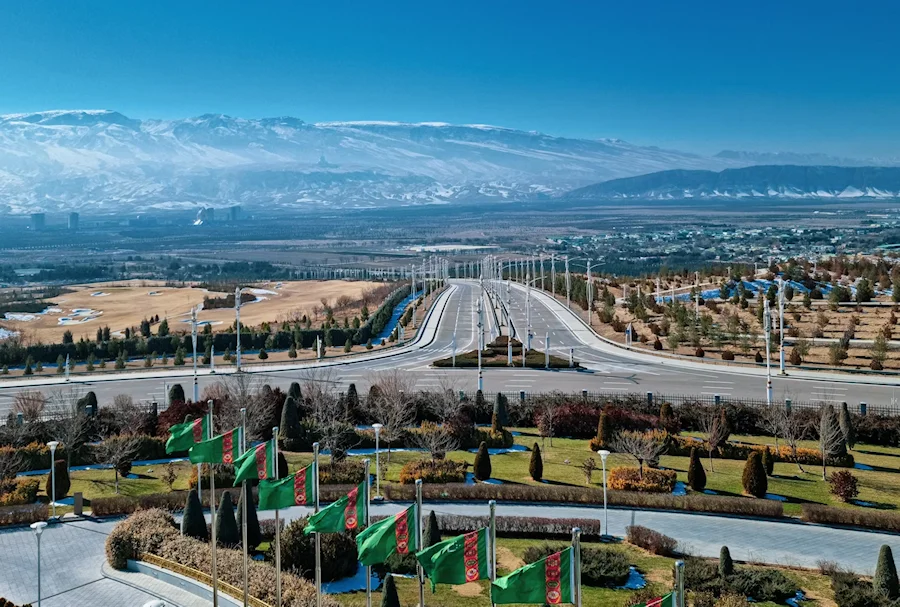
Turkmenistan scores 20 out of 100 on the CPI, ranking 170th alongside Burundi. The Central Asian nation operates one of the world's most closed political systems, where corruption is deeply embedded in the structure of the state and economy.
The country's vast natural gas reserves, which account for the vast majority of government revenue, are managed with almost no transparency. The state gas company, Turkmengaz, operates as a black box, with revenues flowing through accounts that are not subject to independent audit. International observers have documented how gas export revenues are routinely diverted to off-budget accounts controlled by the president and his inner circle. The lack of any independent media or civil society means that corruption is rarely exposed, and the few journalists who attempt to investigate face arrest and imprisonment.
Turkmenistan's economy is dominated by state-owned enterprises that serve as vehicles for patronage. Positions in these enterprises are awarded based on loyalty rather than competence, and managers are expected to skim revenues for their political patrons. For ordinary citizens, accessing education, healthcare, and employment depends on connections to the ruling party. The system of bribery extends to all levels of government, from the local official who demands payment for a birth certificate to the customs officer who requires a bribe to clear imported goods. The result is a country that, despite its energy wealth, has failed to develop a diversified economy or provide adequate public services to its population.
Related Posts


1 Comment
Join the discussion and share your thoughts