Top 10 Longest Coastlines In The World 2026: Discover How They Shape Nations

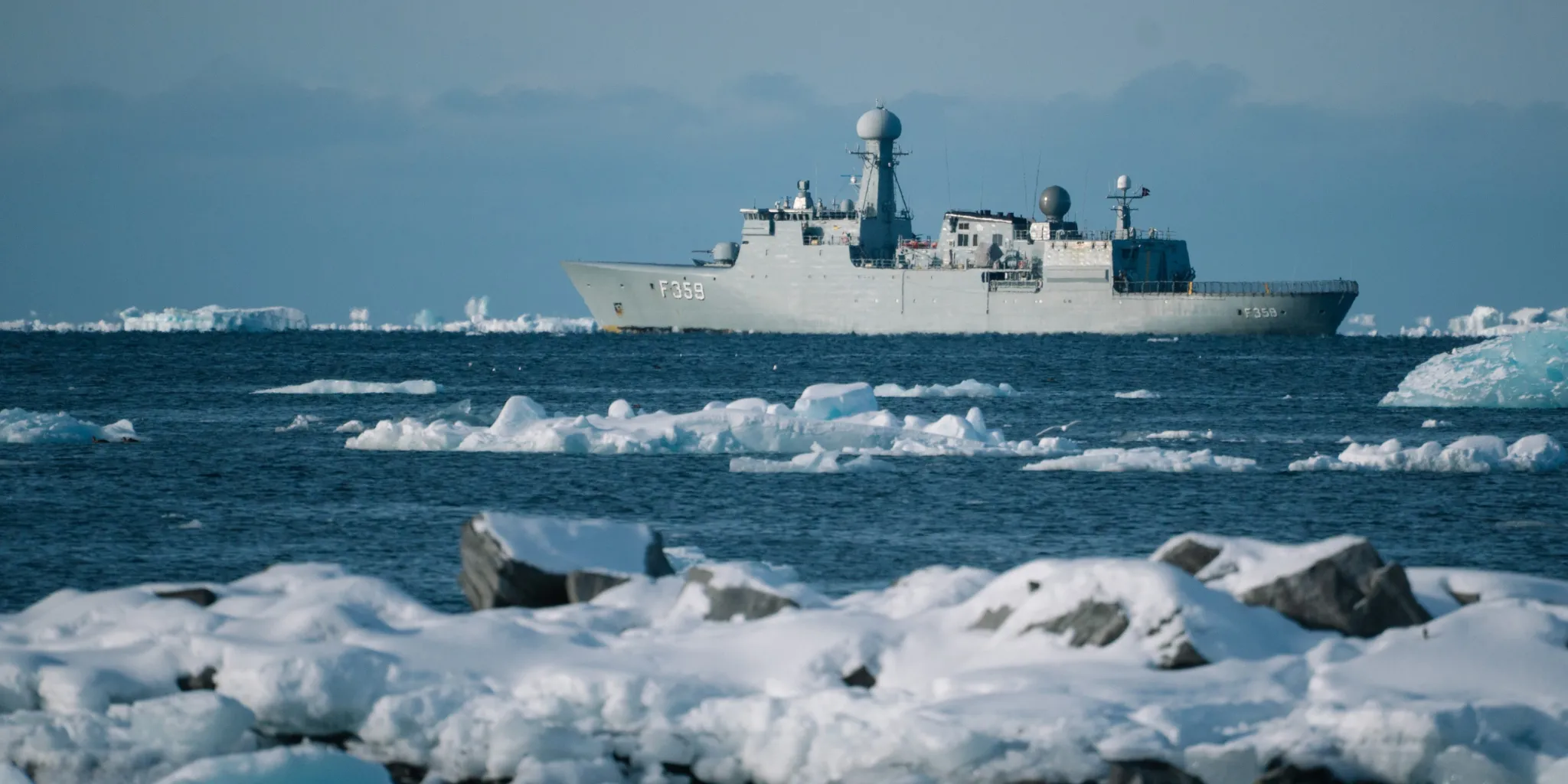
Table of Contents
The extent of a nation's coastline is a critical geographic feature, influencing everything from trade and defense to biodiversity and climate vulnerability. Our analysis for 2026 highlights the countries possessing the most extensive shorelines globally. These figures, drawing on the latest data from sources like the National Oceanic and Atmospheric Administration (NOAA) and the CIA World Factbook, underscore the immense scale of coastal regions that encompass Arctic fjords, tropical island chains, and rugged continental edges.
Key Data Sources and Scope
Our rankings are compiled from comprehensive 2026 sources, emphasizing total coastline length in kilometers. This includes mainland shores, all associated islands, and tidal waters, as precisely defined by NOAA standards. We aim to present a clear picture of these significant maritime boundaries, offering insights into their geopolitical, economic, and environmental importance.
Approach to Measurement
Accurately measuring coastline length presents unique challenges, often referred to as the coastline paradox, where the measured length varies with the scale of measurement. For our 2026 figures, we adhere to consistent measurement scales, primarily using data that includes intricate features like bays and inlets to provide the most comprehensive totals. This approach ensures that the reported lengths reflect the true complexity and reach of these coastal zones.
The Top 10 Longest Coastlines In The World 2026:
1. Canada
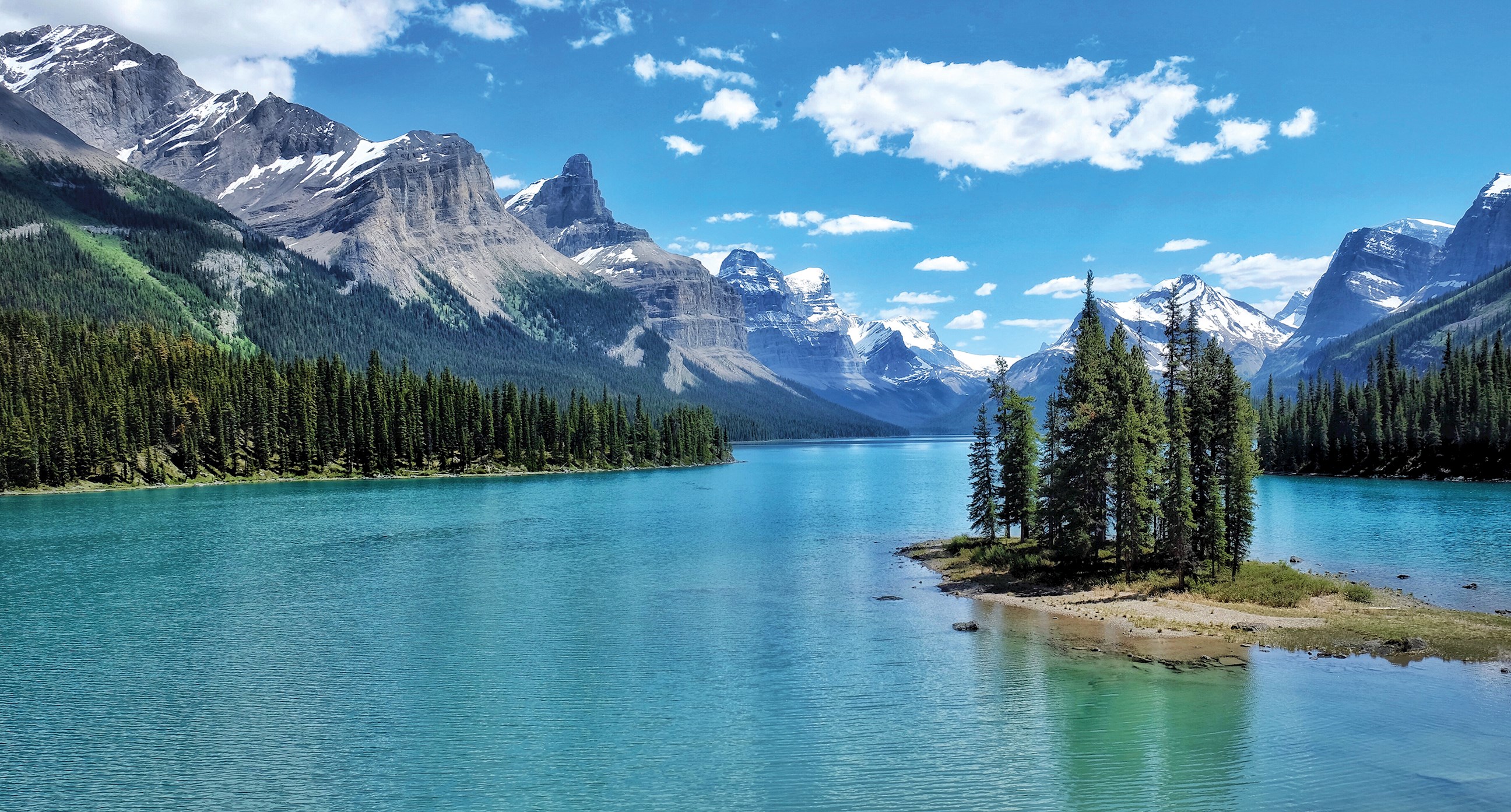
Canada holds the distinction of having the world's longest coastline, stretching an impressive 202,080 km (125,567 miles) as of 2024 data. This unparalleled length is largely due to its vast Arctic archipelago, which encompasses over 52,000 islands. The rugged terrain, characterized by deep fjords and extensive bays along the Atlantic, Pacific, and Arctic Oceans, creates a shoreline more than twice as long as any other nation's.
This extensive coast supports unique ecosystems, such as the Hudson Bay lowlands, a vital habitat for polar bears and migratory birds. Furthermore, Canada's Arctic waters, including the Northwest Passage, are gaining strategic importance as climate change impacts ice melt, potentially opening new shipping routes. The management of such a vast and diverse coastline remains a defining aspect of Canadian geography and policy.
2. Indonesia
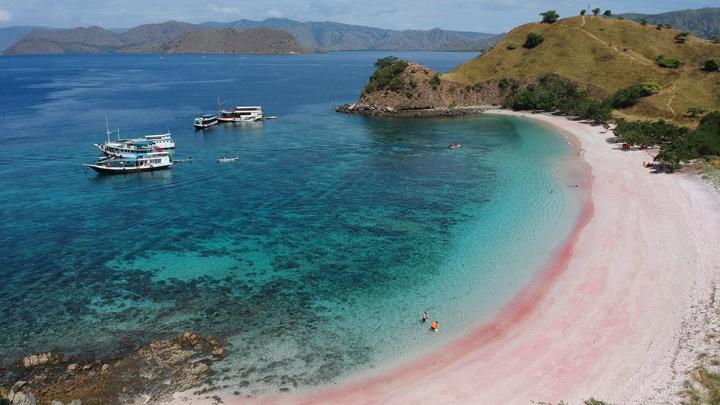
Indonesia ranks second with a substantial coastline of 54,716 km (34,000 miles), according to 2024 data. As the world's largest archipelagic nation, it comprises over 17,000 islands, including major landmasses like Sumatra, Java, and Borneo. Its tropical shores are a rich tapestry of coral reefs, mangrove forests, and volcanic beaches, contributing significantly to its global ecological importance.
The nation's diverse coastline is crucial for its economy, supporting the world's largest archipelagic fishing industry, which yields approximately 12 million tons annually. Biodiversity hotspots, such as Raja Ampat, thrive within these waters. However, Indonesia also faces significant environmental challenges, with rising sea levels posing a direct threat to an estimated 40% of its coastal population.
3. Greenland (Denmark)
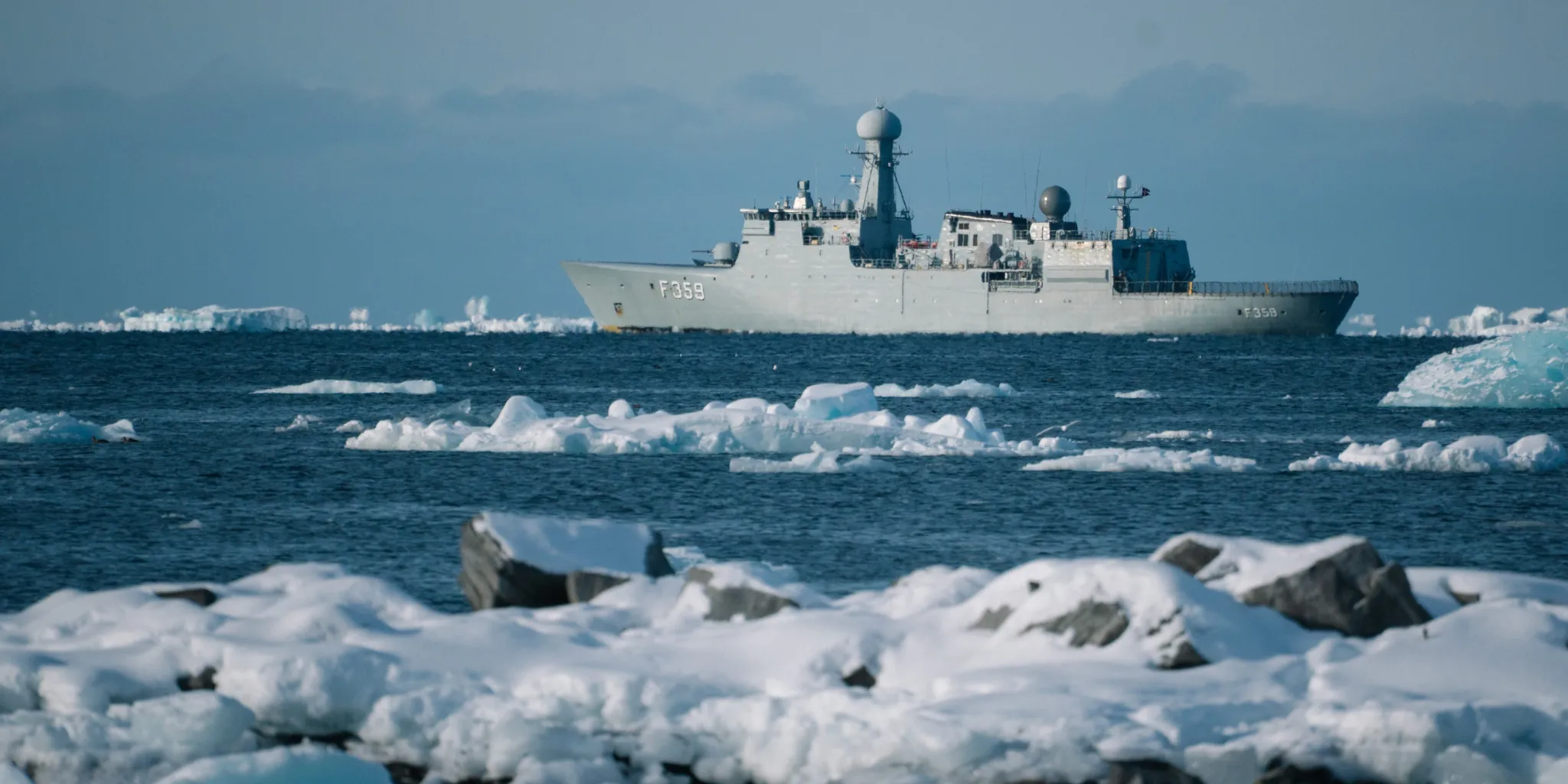
Greenland, an autonomous territory of Denmark, possesses the third-longest coastline globally, measuring 44,087 km (27,394 miles) as of 2024. Its enormous, fjord-indented coast along the Arctic Ocean is a result of extensive glacial activity. Notable features include Scoresby Sund, the world's longest fjord, which extends for 350 km inland.
The icy shores of Greenland, covering 2.16 million square kilometers, provide critical habitats for Arctic wildlife, including polar bears. This region is also gaining attention for its emerging mining resources, such as rare earth elements. The rapid melting of Greenland's ice sheets contributes approximately 20% to global sea-level rise, dramatically reshaping its coastal geography.
4. Russia
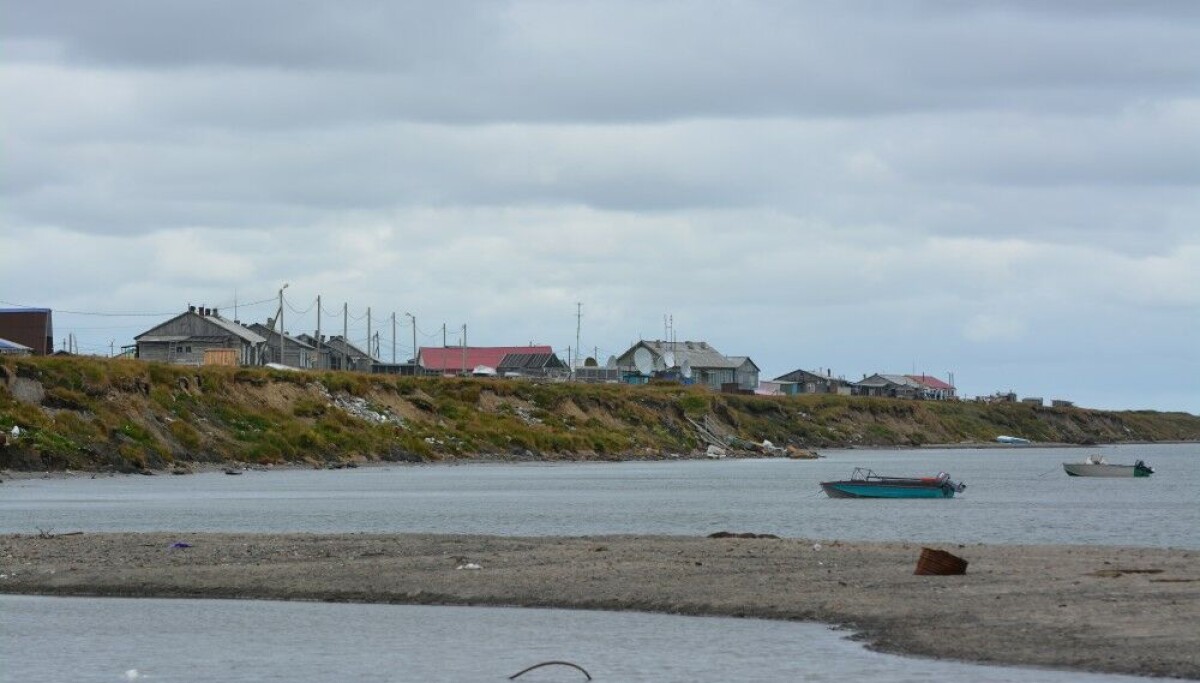
Russia secures the fourth position with a coastline spanning 37,653 km (23,396 miles), based on 2024 data. Its expansive shores stretch across 11 seas, from the Black Sea in the west to the Bering Strait in the east, encompassing the Arctic, Pacific, and Atlantic Oceans via the Baltic Sea. Remote areas like the Chukotka Peninsula and Sakhalin Island contribute significantly to this total.
This extensive coastline is vital for Russia's energy sector, supporting oil and gas extraction projects like Yamal LNG, which account for a substantial portion of its national exports. The Northern Sea Route, running along its Arctic coast, offers a strategic shipping corridor that can reduce transit times between Asia and Europe by 40% compared to the Suez Canal, highlighting its geopolitical importance.
5. Philippines

The Philippines ranks fifth, boasting a coastline of 36,289 km (22,549 miles), according to 2024 data. This archipelagic nation is composed of over 7,641 islands, resulting in an exceptionally intricate and extended shoreline. Its coasts are renowned for white-sand beaches, dramatic limestone cliffs, and rich marine biodiversity, exemplified by the UNESCO-listed Tubbataha Reefs Natural Park.
Economically, the fishing sector is a cornerstone, employing 1.6 million people and generating $3.5 billion annually. Iconic destinations like Boracay previously attracted up to 2 million tourists each year. The Philippines' coastline is also a critical focus for global climate resilience studies due to its high vulnerability to natural disasters, with an average of 20 typhoons impacting the islands annually.
6. Japan
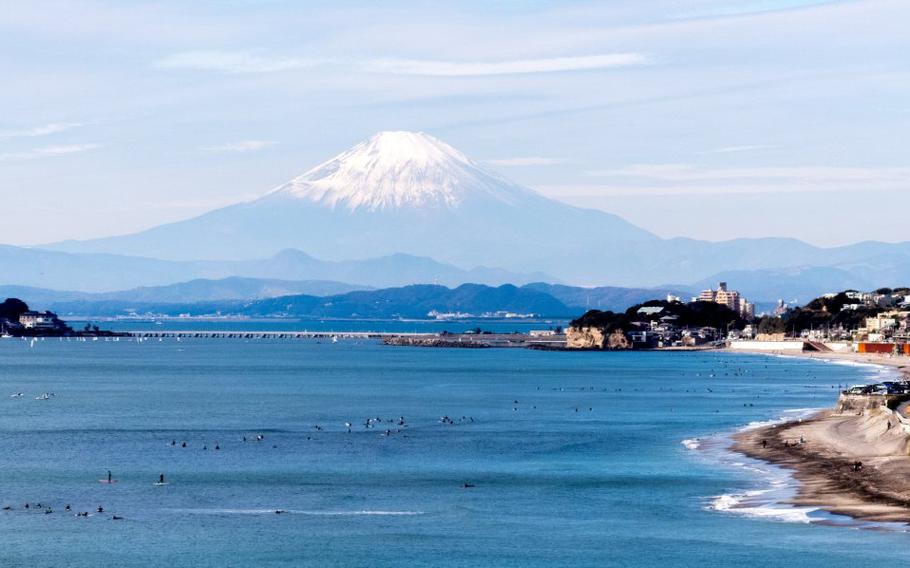
Japan's coastline is measured at 29,751 km (18,486 miles), placing it sixth on our list based on 2024 data. The nation's four main islands - Honshu, Hokkaido, Kyushu, and Shikoku - along with approximately 6,800 smaller islands, create a highly indented shoreline featuring numerous deep harbors, such as Tokyo Bay. Situated on the Pacific Ring of Fire, its coasts are known for both scenic beauty and vulnerability to tsunamis.
Following the devastating 2011 earthquake and tsunami, which resulted in 18,000 fatalities, Japan has pioneered advanced coastal defense systems. Its extensive shoreline is fundamental to its $4 trillion economy, facilitating 99% of all imports through over 1,000 ports. Japan's coastline represents a complex interplay of cultural heritage, economic necessity, and ongoing efforts in disaster preparedness.
7. Australia
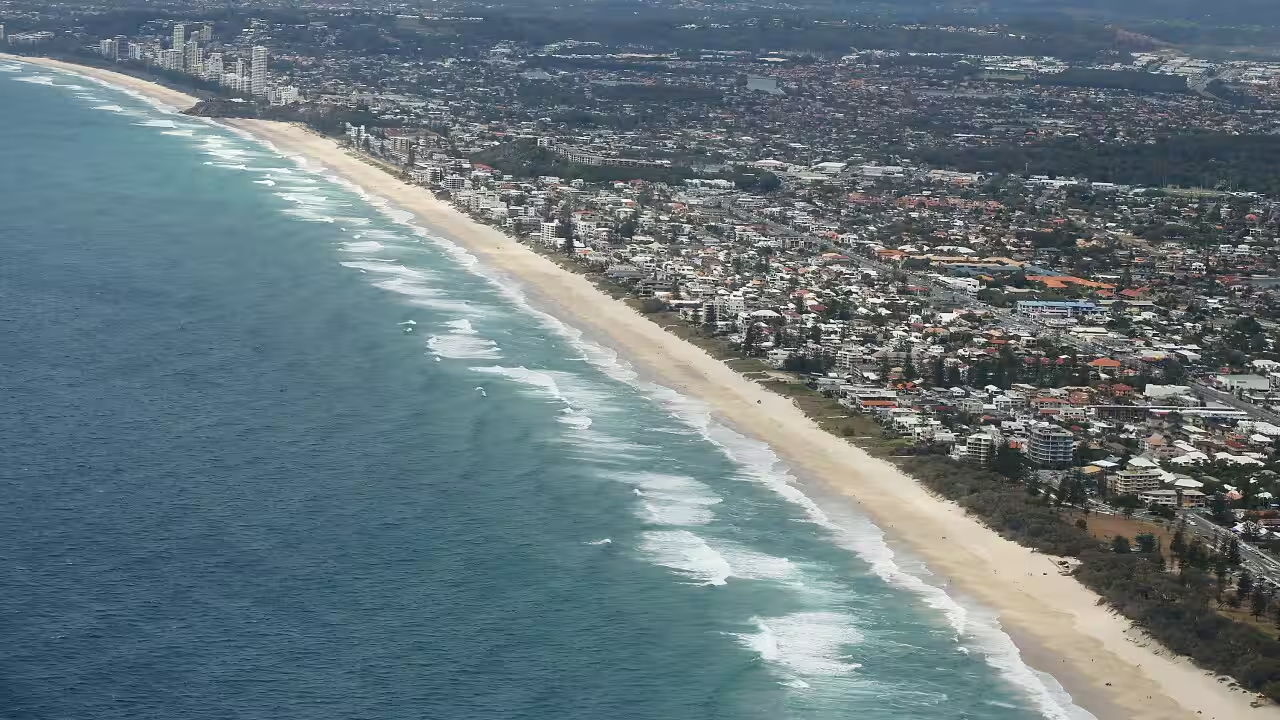
Australia ranks seventh with a coastline of 25,760 km (16,007 miles), according to 2024 data. This vast shoreline encircles its 7.7 million square kilometer landmass and includes the iconic Great Barrier Reef, the world's largest coral system, stretching over 2,300 km. Dramatic geological formations, such as the Twelve Apostles sea stacks and the natural harbor of Sydney, showcase its ancient origins, formed over 500 million years.
The marine industry, valued at $100 billion annually, attracts approximately 10 million tourists each year, despite ongoing threats from coral bleaching. Australia's coastline is a vital economic engine and an environmental treasure, hosting 30% of global coral species. Sustained conservation efforts are crucial to protect these unique and economically significant natural assets.
8. Norway
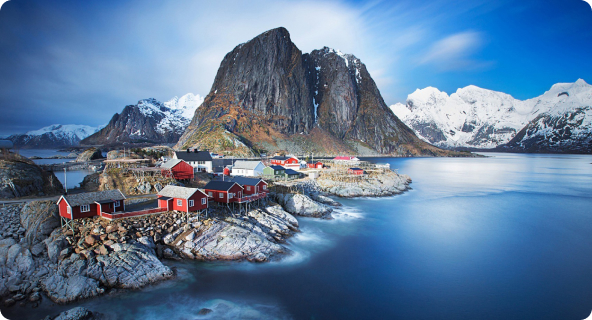
Norway's coastline extends 25,148 km (15,626 miles), or an impressive 83,281 km when accounting for its intricate fjords, as per 2024 data. Famed for having over 100,000 fjords, including the Sognefjord, which reaches 204 km inland, its shores are shaped by post-glacial rebound. Bordering the North Atlantic and Arctic Oceans, with Svalbard adding an additional 4,000 km of Arctic exposure, Norway's maritime geography is exceptionally complex.
Economically, this coastline drives a $150 billion offshore oil and gas sector, with fields like Troll A holding an estimated 1.5 billion barrels. The scenic shores attract 10 million cruise passengers annually, blending Viking heritage with a modern aquaculture industry that produces 1.4 million tons of salmon. Norway's coastline firmly establishes its global maritime standing.
9. United States
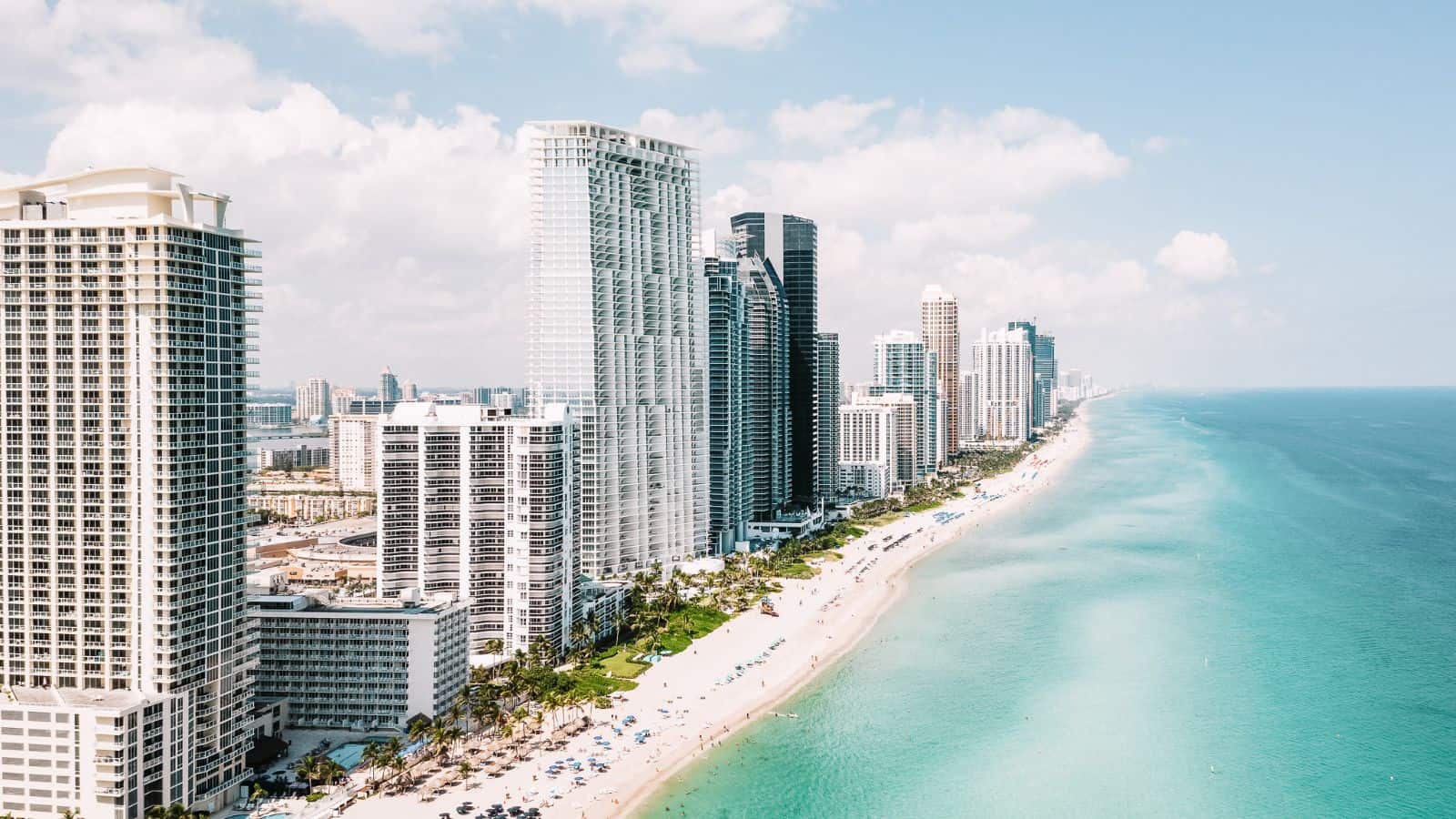
The United States holds the ninth position with a coastline of 19,924 km (12,380 miles), based on 2024 data. This figure encompasses its Atlantic, Pacific, and Gulf of Mexico shores, with Alaska's jagged coastline alone accounting for approximately 10,700 km. The 2,000-mile Gulf Coast is particularly significant, supporting extensive oil infrastructure that produces 20% of US crude oil.
Coastal economies contribute over $300 billion in port trade annually, though they also face significant challenges, with hurricane damages averaging $25 billion yearly between 2020 and 2025. From Florida's renowned beaches to Alaska's prolific fisheries, which yield 5 billion pounds of seafood each year, the diverse US coastline is a driving force for commerce and culture across its vast geography.
10. New Zealand
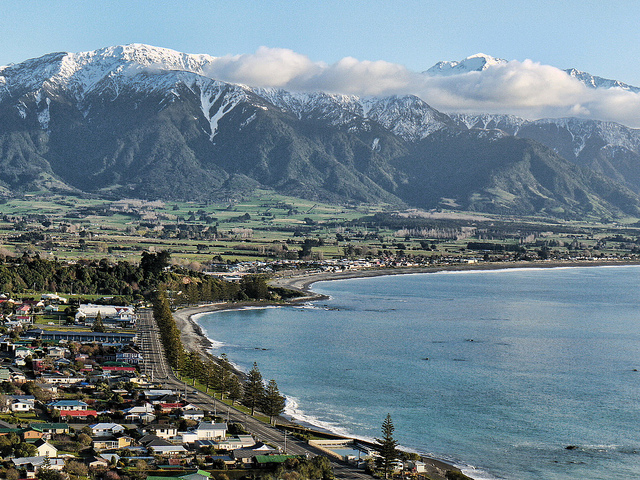
New Zealand rounds out our list with a coastline of 15,134 km (9,406 miles), according to 2024 data. Its two main islands, North and South, along with 700 smaller islands, present a variety of shores, from black-sand beaches on the North Island to deep fjords like Milford Sound on the South Island, which is 17 km long and 1,200 meters deep. This unique geography fosters diverse biodiversity, including endemic species such as the kiwi bird.
The tourism sector generates approximately $12 billion NZD annually, attracting 3.5 million visitors prior to the COVID-19 pandemic. A thriving $4 billion aquaculture industry focuses on mussels and salmon. Despite facing an average of 15,000 earthquakes yearly, New Zealand's coastline exemplifies a blend of natural splendor and resilience, enhancing its global appeal.
Our examination of the longest coastlines in the world for 2026 clearly demonstrates their profound significance. From Canada's immense 202,080 km shoreline to New Zealand's diverse 15,134 km, these coastal stretches are fundamental to global trade, ecological health, and geopolitical strategies. Our findings, grounded in recent data from sources like NOAA and the CIA World Factbook, underscore their role in supporting vast economies and unique ecosystems.
Related Posts




0 Comments
Join the discussion and share your thoughts
No Comments Yet
Be the first to share your thoughts on this article!