Top 10 Countries With The Longest Railway Lines in Africa 2026: An Economic Lifeline

Table of Contents
Africa's railway networks are undergoing significant transformation, with extensive systems supporting economic growth, trade, and connectivity across the continent. As of 2026, the total railway network across Africa spans over 110,000 kilometers, a figure notably influenced by Chinese-funded projects such as the Mombasa-Nairobi Standard Gauge Railway extension and upgrades to the Ethiopia-Djibouti line. This expansion represents an 8% increase from 2024, highlighting a continent-wide commitment to enhancing rail infrastructure. Our analysis focuses on the Top 10 Countries With The Longest Railway Lines In Africa 2026, prioritizing nations with extensive systems that are crucial for mineral transport, urbanization, and fostering regional integration.
Our data for this ranking is compiled from the International Union of Railways (UIC)'s 2026 Africa Railway Report, released in February 2026, alongside the African Development Bank (AfDB) infrastructure database, updated in Q1 2026, and reports from various national railway authorities. We have verified track lengths using satellite mapping tools, specifically Google Earth Pro, as of January 2026. This methodology includes both operational passenger and freight lines, as well as under-construction segments reported by official bodies. We exclude narrow-gauge spurs under 50 kilometers and any tracks confirmed as abandoned. Rankings reflect the total kilometer count, which encompasses main lines and sidings, incorporating additions from 2025-2026, such as an additional 1,200 kilometers in South Africa from Transnet Freight Rail expansions. In cases of similar lengths, ties are broken based on operational kilometers and 2025 freight tonnage data, which collectively reached 250 million tons across Africa.
Key Subtopics to Cover
Beyond the direct ranking of railway lengths, this report also explores several critical aspects of Africa's rail development. We examine the historical growth of these networks, contrasting pre-2000 lengths with current figures and acknowledging colonial legacies that shaped much of the existing infrastructure. Recent expansions between 2024 and 2026, such as Nigeria's 1,000-kilometer Lagos-Kano upgrade, are highlighted. The article also delves into the various gauge standards in use across the continent, including standard (1,435 mm), Cape (1,067 mm), and metre gauges. We provide insights into freight versus passenger usage, noting annual ton-kilometers, such as South Africa's 200 billion ton-kilometers in 2025. Future projections, including 2030 targets under the African Union's Agenda 2063, which aims for an additional 50,000 kilometers continent-wide, are also discussed. Furthermore, we address the significant challenges facing African railways, including funding gaps, maintenance issues, and security disruptions, alongside their considerable economic impact through GDP contribution and job creation.
These Are The Top 10 Countries With The Longest Railway Lines In Africa 2026:
1. South Africa

South Africa maintains Africa's most extensive railway network, totaling an impressive 24,192 kilometers as of 2026. This vast system is recognized as the world's 19th longest network and plays a foundational role in the country's economy. Transnet, the state-owned enterprise, manages these lines, which are essential for connecting major industrial hubs with key ports. Between 2025 and 2026, Transnet upgrades added 1,192 kilometers to the network, further solidifying its capacity. The Sishen-Saldanha line, specifically designed for heavy-haul operations, transports iron ore and is known for operating some of the longest freight trains globally. According to UIC data from 2026 and Transnet's Annual Report for the same year, South Africa handles approximately 80% of Africa's rail freight, accounting for 212 billion ton-kilometers in 2025. Beyond freight, the country also offers passenger services, ranging from the luxurious Blue Train to the more economical Metrorail commuter lines.
2. Nigeria
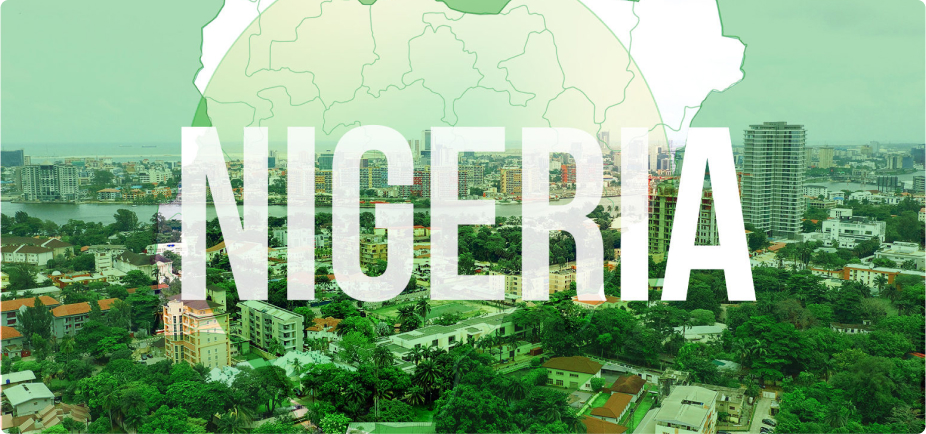
Nigeria's railway network has undergone substantial revitalization, now spanning 3,817 kilometers. This figure includes a significant addition of 650 kilometers from the Lagos-Ibadan standard gauge line, which was completed in 2025. The Nigerian Railway Corporation (NRC) oversees these operations, with a strong focus on enhancing both freight and passenger mobility across the nation. The country's rail system is particularly important for freight, with 70% of its capacity dedicated to transporting commodities like oil and palm products. Passenger ridership has also seen a notable increase, reaching 5 million in 2025, according to NRC 2026 data and AfDB's Q1 2026 update. These railways are increasingly vital in supporting Nigeria's rapidly expanding economy, driven by ongoing projects to upgrade narrow-gauge lines and construct new standard gauge railway segments.
3. Egypt

Egypt's railway system, one of Africa's oldest with origins in the 19th century, presently extends to 3,709 kilometers. The Egyptian Railway Authority reports that a 300-kilometer electrification project on the Cairo-Aswan line was completed in 2026, enhancing efficiency along this critical route. The network primarily serves passenger transport, accounting for 60% of its operations, and connects major urban centers such as Cairo, Alexandria, and Aswan. Freight services also contribute significantly, handling 12 billion ton-kilometers, with the Suez Canal link further boosting trade flows. Modernization efforts are actively underway, including plans for high-speed rail, aimed at expanding network capacity and easing urban traffic congestion, as detailed by the Egyptian Railway Authority in 2026 and UIC data.
4. Algeria
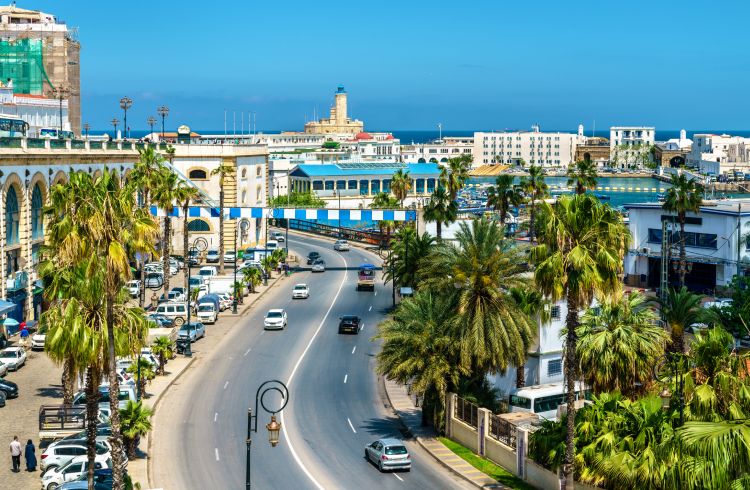
Algeria's railway system comprises 2,888 kilometers of track, forming a critical part of its national infrastructure. The network connects major cities and industrial zones, serving both passenger and freight transport. A notable development is the partial opening of a 200-kilometer high-speed TGV line between Oran and Algiers in 2026, as reported by SNTF's 2026 Report. Freight operations dominate the network, with 85% dedicated to transporting goods, particularly phosphates. The Algerian rail infrastructure is largely electrified, with approximately 80% of the network operating on electric power. These ongoing modernization and expansion efforts are instrumental in supporting regional connectivity and stimulating economic activity across the country.
5. Sudan
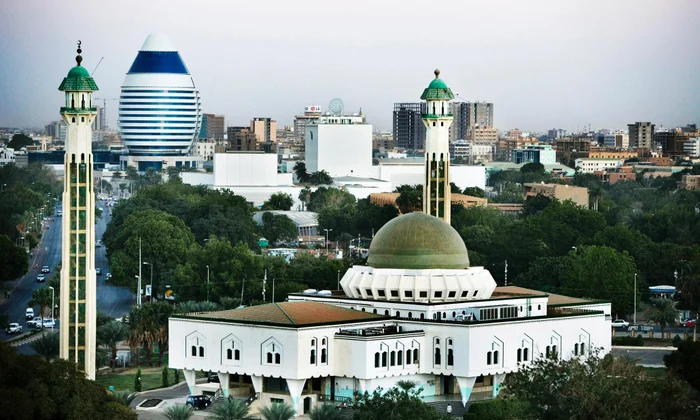
Sudan's railway network, totaling 2,579 kilometers, is primarily a metre-gauge system that facilitates travel and trade across its vast desert regions. According to Sudan Railways Corporation data from 2025, a 150-kilometer rehabilitation project on the Port Sudan-Khartoum line was completed in that year, aiming to improve efficiency on this crucial corridor. The network is vital for linking important cities like Port Sudan and Khartoum, and it annually transports approximately 50 million tons of mineral freight. While significant portions of the infrastructure are undergoing renovation, some segments still utilize antiquated systems. Efforts to extend the network by 400 kilometers have faced delays due to ongoing conflict, as noted by UIC reports.
6. Morocco
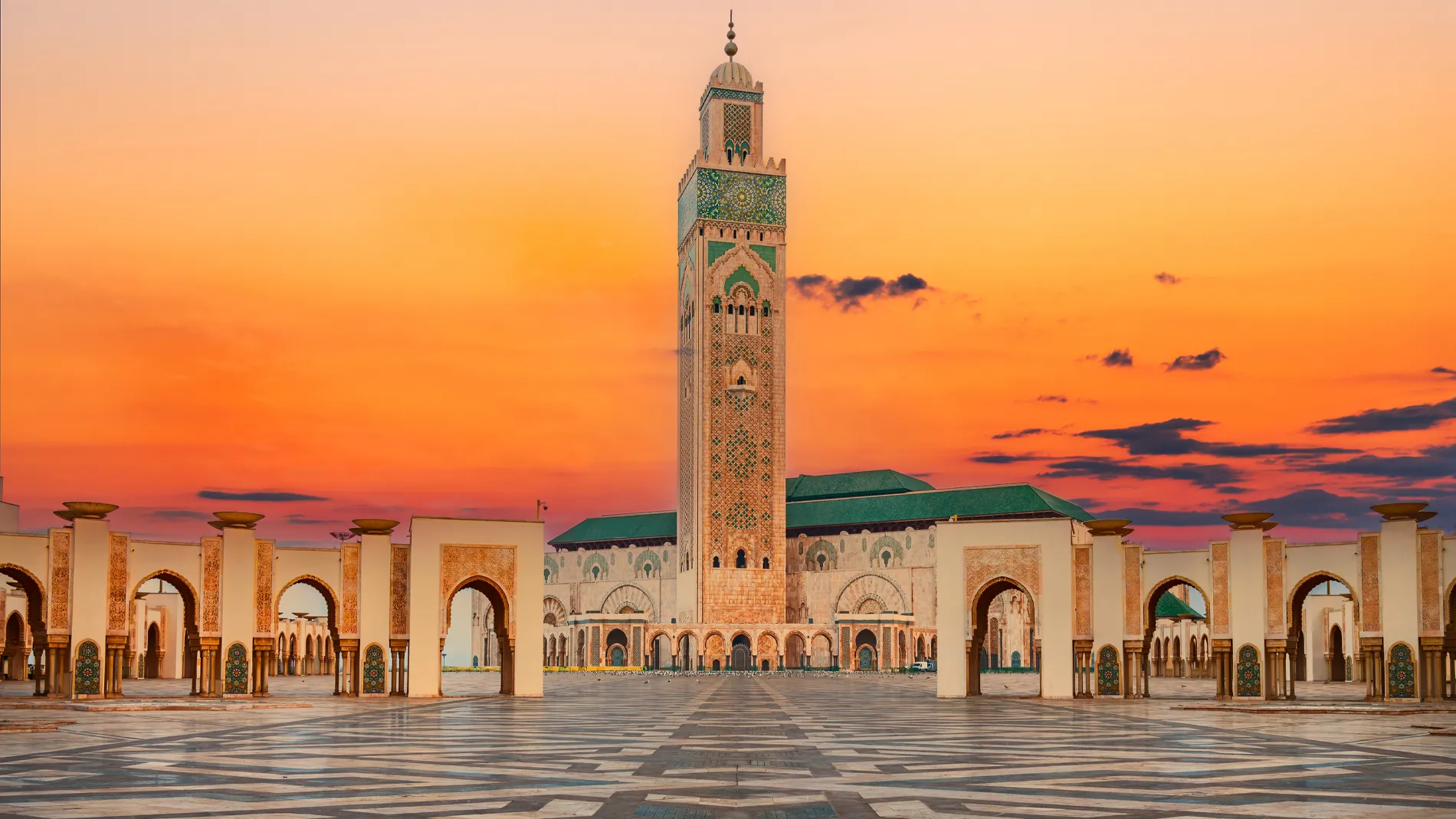
Morocco's railway infrastructure spans 2,231 kilometers, with a strong emphasis on passenger and tourist services. The network includes 1,300 kilometers of standard gauge lines, featuring the Al Boraq high-speed rail. According to ONCF's 2026 report, a 410-kilometer extension of the Al Boraq line was completed in 2026, further enhancing high-speed connectivity. This focus on passenger transport saw 4 million riders in 2025. The Moroccan network is instrumental in connecting key urban centers and supporting the country's growing tourism sector, with ongoing investments aimed at modernizing and expanding its capabilities.
7. Tunisia
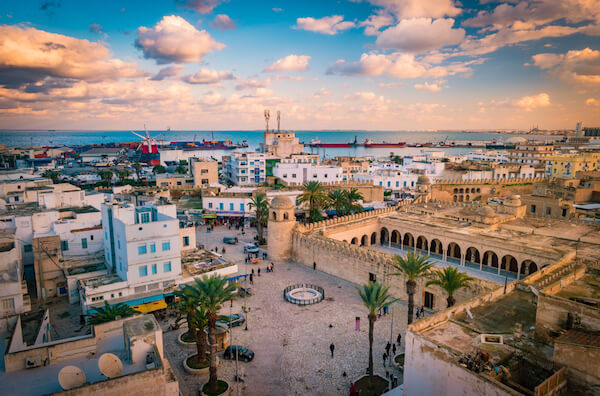
Tunisia's railway network extends for 2,168 kilometers, with 65% of its tracks being metre gauge. This system is crucial for the country's economy, particularly for the export of phosphates, with annual transport volumes reaching 40 million tons. SNCFT's 2026 report indicates that a 100-kilometer freight line between Gabès and Sfax was completed in 2026, further bolstering its capacity for industrial transport. The Tunisian railways connect vital agricultural and industrial regions to its ports, playing a key role in the nation's trade and internal logistics.
8. Angola
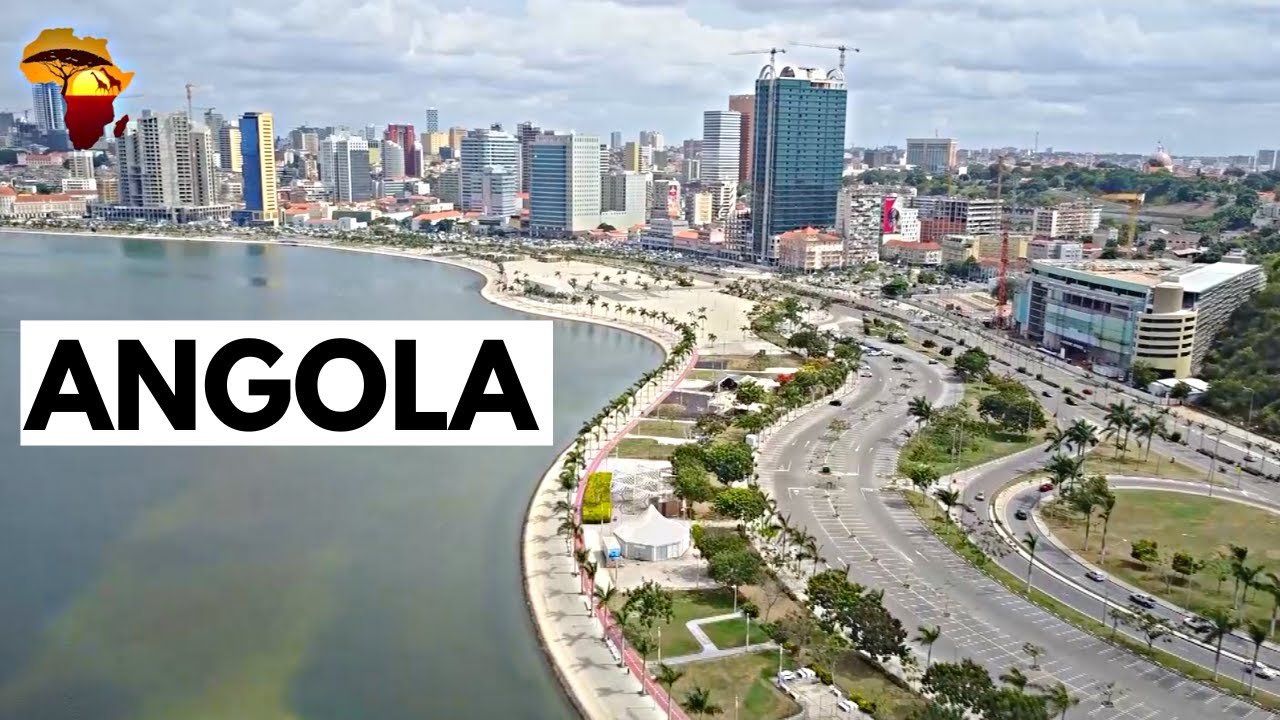
Angola's railway network measures 2,145 kilometers, with its primary function centered on freight transport, particularly for minerals. The Lobito Corridor, a major infrastructure initiative funded by both US and Chinese investments, saw a 500-kilometer revival and expansion between 2025 and 2026, as reported by CFA 2026 and AfDB. This corridor is critical for the movement of copper, contributing to 80 billion ton-kilometers of freight. The Angolan railway system is undergoing significant rehabilitation and expansion efforts to support the country's mining sector and facilitate regional trade, connecting landlocked neighbors to its Atlantic ports.
9. Tanzania

Tanzania's railway network covers 2,034 kilometers, serving as a vital link between the Indian Ocean and landlocked East African regions. Significant developments include the rehabilitation of 1,000 kilometers of the Central Line and the ongoing phases of the Standard Gauge Railway (SGR) from Dar es Salaam to Mwanza, with crucial phases completed in 2026. These projects, detailed in TRC's 2026 report, are designed to boost freight capacity, which increased by 25% to 15 million tons. Furthermore, plans for a direct link to Uganda are underway, aiming to enhance regional trade and connectivity. The Tanzania-Zambia Railway Authority (TAZARA) line also remains a key feature, connecting Dar es Salaam with Zambia and facilitating international trade.
10. Ethiopia
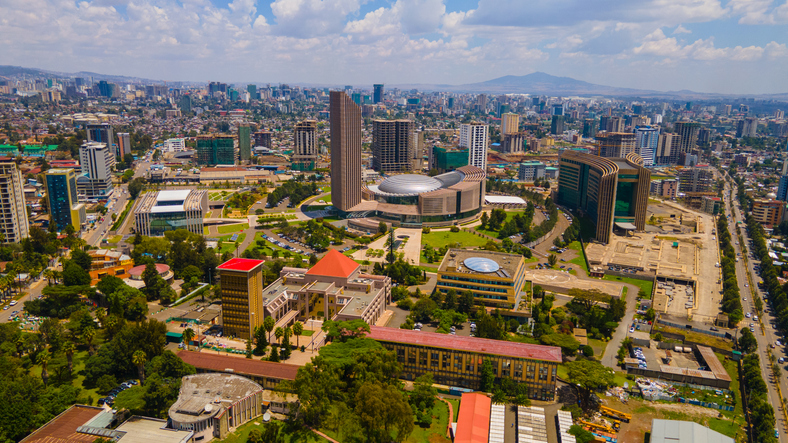
Ethiopia's railway network spans 1,756 kilometers, primarily featuring electric standard gauge lines. The Addis-Djibouti railway, a modern electric line, saw a 200-kilometer extension completed in 2026, according to ERC 2026 and UIC data. This network is instrumental for both passenger and freight services, transporting 5 million passengers and 10 million tons of freight in 2025. The railway system is a cornerstone of Ethiopia's infrastructure development, providing crucial trade routes to the port of Djibouti and supporting the country's economic growth and regional integration efforts.
Related Posts




4 Comments
Join the discussion and share your thoughts