Top 10 Best Private Business Schools In Europe 2026

Table of Contents
Europe's private business schools have never been more competitive, and the 2026 rankings tell a story of shifting fortunes, rising salaries, and a widening gap between the continent's elite institutions and everyone else. We analyzed the latest Financial Times Global MBA Ranking, QS rankings, The Economist European rankings, and institutional data to identify the top 10 best private business schools in Europe for 2026. Our ranking weighs several factors: weighted alumni salary, employability scores, admission selectivity, international diversity, campus reach, and recruiter reputation across consulting, finance, and technology sectors.
The Financial Times remains the gold standard for MBA evaluation, tracking alumni outcomes three years after graduation. We gave significant weight to FT 2026 data, particularly weighted salaries, which reflect actual compensation packages rather than base figures. QS rankings provided additional context on executive education and international student ratios, while The Economist's European ranking offered a useful counterpoint on career services and personal development. We also considered tuition costs where available, though ROI calculations vary widely by individual career trajectory.
What emerges is a hierarchy dominated by France, the UK, and Spain, with Switzerland and multi-campus institutions rounding out the list. INSEAD and London Business School continue to command the highest salaries, but schools like ESADE and IE Business School are closing the gap through entrepreneurship programs and tech-sector placement. The 2026 data also reveals that multi-campus models, once a novelty, have become a decisive advantage for students seeking global mobility. Here are the top 10 private business schools in Europe for 2026.
The Top 10 Best Private Business Schools In Europe 2026:
1. INSEAD

INSEAD holds the top position among European private business schools, with its MBA program ranked second globally in the Financial Times Global MBA Ranking 2026. The school's weighted alumni salary of US$217,822 is the highest of any European institution on our list, reflecting exceptional outcomes in consulting and private equity. That figure alone tells you what recruiters think of an INSEAD degree.
The multi-campus model sets INSEAD apart. Students rotate between Fontainebleau, Singapore, and Abu Dhabi, gaining exposure to three distinct business environments within a single program. This structure has proven particularly effective for graduates targeting emerging markets or cross-border roles. INSEAD also appears prominently in the FT European Business Schools Ranking 2025 and is regularly cited by ESMT Berlin as a benchmark for executive education in Europe.
Admission remains fiercely competitive, with a cohort that skews older and more experienced than many competitors. The school's consulting pipeline is legendary, with McKinsey, Bain, and BCG recruiting heavily from each graduating class. For students prioritizing global mobility and top-tier consulting placement, INSEAD remains the benchmark.
2. London Business School (LBS)
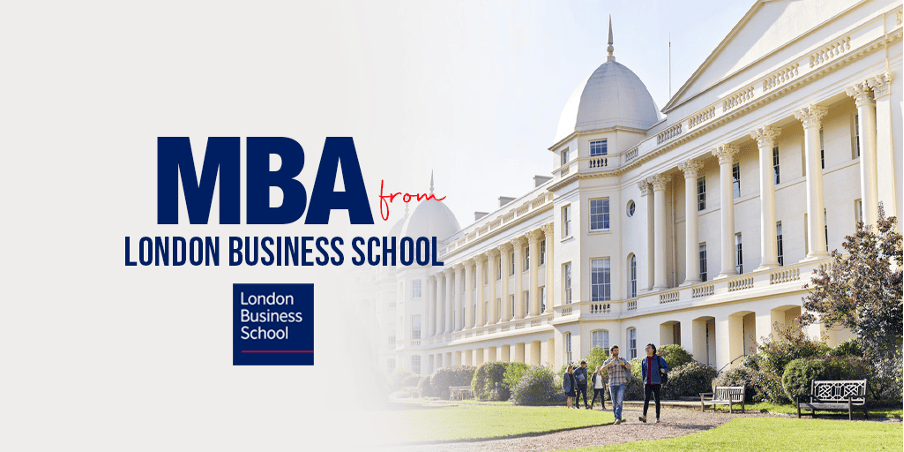
London Business School is the UK's highest-ranked private business school, tied for fourth in Europe in the FT Global MBA Ranking 2026 with a weighted salary of US$217,389, just US$433 behind INSEAD. Its employability score of 96.8 is the highest among UK business schools according to study.eu, a reflection of its deep ties to the City of London's financial ecosystem.
Location is LBS's most obvious advantage. The school sits minutes from the headquarters of global banks, consultancies, and tech firms that recruit on campus year-round. LBS ranks third in Europe in the FT European Business Schools Ranking, and its alumni network spans every major financial capital. The school is regularly grouped with INSEAD, HEC Paris, and IESE as one of Europe's "magic four" business schools.
What distinguishes LBS from its continental rivals is the sheer density of recruiter access. Students don't just get interviews; they get proximity. That matters in finance, where networking often precedes opportunity. The trade-off is cost: London living expenses add significantly to the total investment, though the salary outcomes justify the outlay for most graduates.
3. HEC Paris
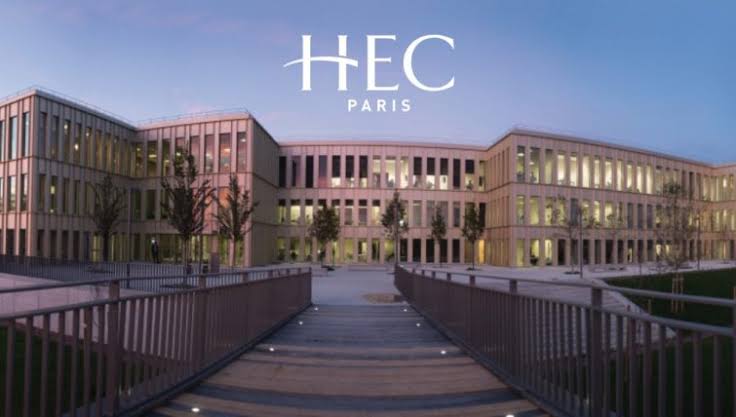
HEC Paris ranks sixth in Europe in the FT Global MBA Ranking 2026 with a weighted salary of US$200,984, and second in the QS Executive MBA Rankings Europe 2026 with a score of 98.2. The school is France's premier private business school and one of the most selective institutions in Europe.
Admission rates hover around 17.5 to 18 percent, according to a 2018 report, well below the 20 to 30 percent range GMAC cites for leading European schools. That selectivity translates into a tightly curated cohort and strong employer confidence. HEC Paris is frequently listed among the top schools producing European CEOs, and its alumni network spans luxury, finance, and consulting sectors globally.
The school's executive education programs are particularly strong, which explains its high QS EMBA score. For students weighing a full-time MBA against executive options, HEC offers a rare combination of prestige and flexibility. Its campus at Jouy-en-Josas, just outside Paris, provides access to one of Europe's most dynamic business hubs while maintaining a traditional campus experience.
4. IESE Business School
IESE Business School, based in Barcelona with a campus in Madrid, is Spain's leading private business school and tied for fourth in Europe in the FT Global MBA Ranking 2026. Its weighted salary of US$196,560 places it among the top five European schools, and its tuition of €114,000 is among the highest on this list.
The program runs 15 to 19 months, longer than most European peers, which gives students more time for internships and deeper immersion in the case method. IESE's teaching approach emphasizes general management and ethical leadership, and its consulting and finance recruiter links deliver strong long-term ROI. The school ranks second in the QS EMBA Rankings Europe 2026 and is consistently named among the top European schools in the FT European Business Schools Ranking 2025.
International diversity is a hallmark. Students from more than 60 nationalities typically populate each cohort, creating a genuinely global classroom. For those targeting Latin American markets or Iberian business, IESE's network is unmatched.
5. ESADE Business School
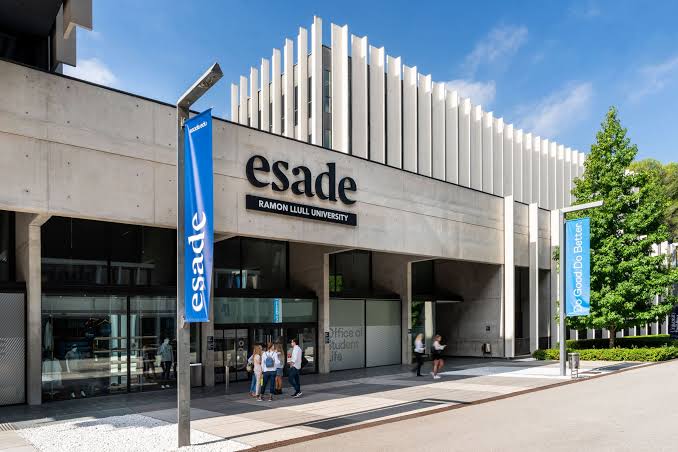
ESADE ranks seventh in Europe in the FT Global MBA Ranking 2026 with a weighted salary of US$206,389, the third-highest among European schools behind only INSEAD and LBS. Based in Barcelona with a Madrid campus, ESADE shares Spain's elite tier with IESE but has carved out a distinct identity.
Entrepreneurship and innovation are ESADE's calling cards. The school has a reputation for producing founders and impact-driven leaders, and its curriculum reflects that focus with dedicated venture creation tracks and social impact labs. The Economist ranking places ESADE seventh in Europe, and it is a regular fixture in the FT European Business Schools Ranking 2025.
What's notable about ESADE's salary performance is that it surpasses IESE despite ranking slightly lower in the FT table. That discrepancy suggests ESADE graduates are particularly effective at translating their degrees into high-paying roles, especially in consulting and tech. For students who prioritize entrepreneurial skills alongside strong salary outcomes, ESADE offers a compelling proposition.
6. IMD Business School
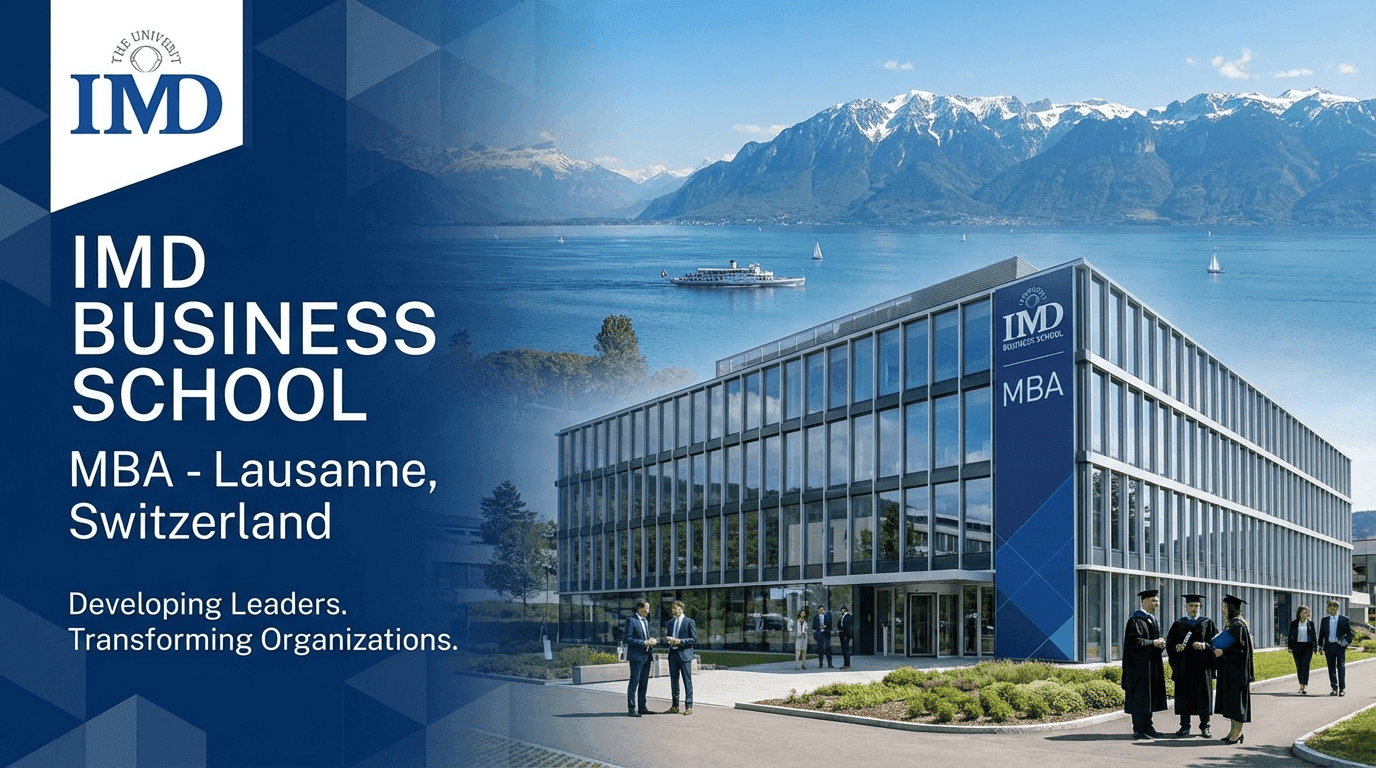
IMD, based in Lausanne, Switzerland, operates one of Europe's most intensive MBA programs. The 11-month format is shorter than most competitors, and the school ranks 30th in the FT Global MBA Ranking 2026 with a weighted salary of US$183,444. IMD's own 2026 European MBA review positions it at number one, though we weigh external rankings more heavily in our analysis.
What IMD lacks in FT ranking position, it compensates for with leadership development and executive education. The school is particularly renowned for its close ties to Swiss and global multinationals, including Nestlé, Novartis, and Roche. Its small cohort size and high-touch, personalized approach differentiate it from larger European competitors.
For students seeking a fast, focused MBA with strong corporate connections in Switzerland and beyond, IMD is a strong choice. The trade-off is a less diverse alumni network compared to INSEAD or LBS, though the quality of individual connections often runs deeper.
7. IE Business School
IE Business School, based in Madrid, ranks 21st in Europe in the FT Global MBA Ranking 2026 with a weighted salary of US$176,305. The Economist places IE 12th in Europe, reflecting its strong performance in career opportunities and personal development.
IE is known for its entrepreneurial culture and blended learning model. The International MBA program attracts a highly diverse global cohort, and the school's Madrid location gives students access to Spain's growing tech and startup ecosystem as well as Latin American markets. The school has invested heavily in online and hybrid formats, making it a leader in flexible business education.
For students who want to combine an MBA with venture creation or who need flexibility due to work commitments, IE's model is hard to beat. The salary outcomes are solid, though below the top five on this list. The school's strength lies in its ability to adapt to changing student needs without sacrificing academic rigor.
8. ESCP Business School
ESCP Business School ranks 22nd in the FT Global MBA Ranking 2026 with a weighted salary of US$142,324. The school is one of Europe's oldest and most multi-national private business schools, with campuses in Paris, London, Berlin, Madrid, Turin, and Warsaw.
The multi-campus model allows students to study across several European cities within a single degree, a distinctive feature unmatched by most competitors. ESCP ranks fourth in Europe in the FT European Business Schools Ranking per study.eu and is listed by ESMT Berlin among schools with extensive executive education and strong corporate engagement.
For students who want to build a pan-European network without committing to a single country, ESCP offers unmatched flexibility. The trade-off is a lower weighted salary compared to top-tier schools, though the breadth of experience may appeal more to those targeting roles in European multinationals or cross-border management.
9. ESSEC Business School
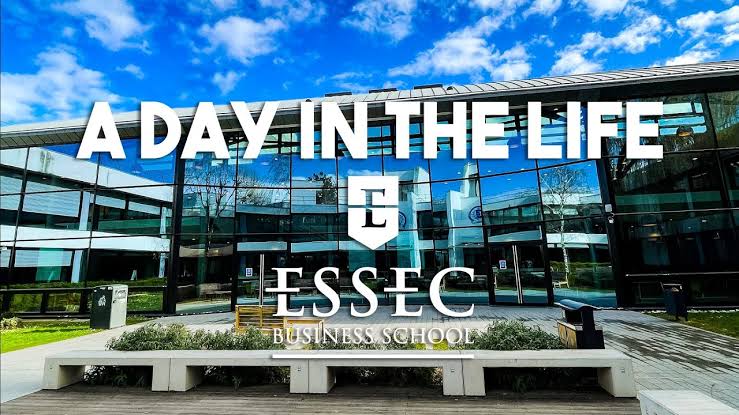
ESSEC Business School, with campuses in Paris and Singapore, ranks 24th in Europe in the FT Global MBA Ranking 2026 with a weighted salary of US$139,055. The Economist places ESSEC 14th in Europe, reflecting its strong reputation in personal development and educational experience.
ESSEC is particularly known for its flexible curriculum, apprenticeship model, and strong ties to French luxury, retail, and consulting industries. Its Singapore campus gives it a genuine Asia-Pacific presence, distinguishing it from most European peers. For students interested in luxury brand management or Asia-focused careers, ESSEC's network is exceptionally strong.
The apprenticeship model is a standout feature. Students can alternate between classroom study and paid work placements, reducing the net cost of the degree while gaining practical experience. That combination of affordability and industry connections makes ESSEC an attractive option for career switchers and cost-conscious students.
10. EU Business School
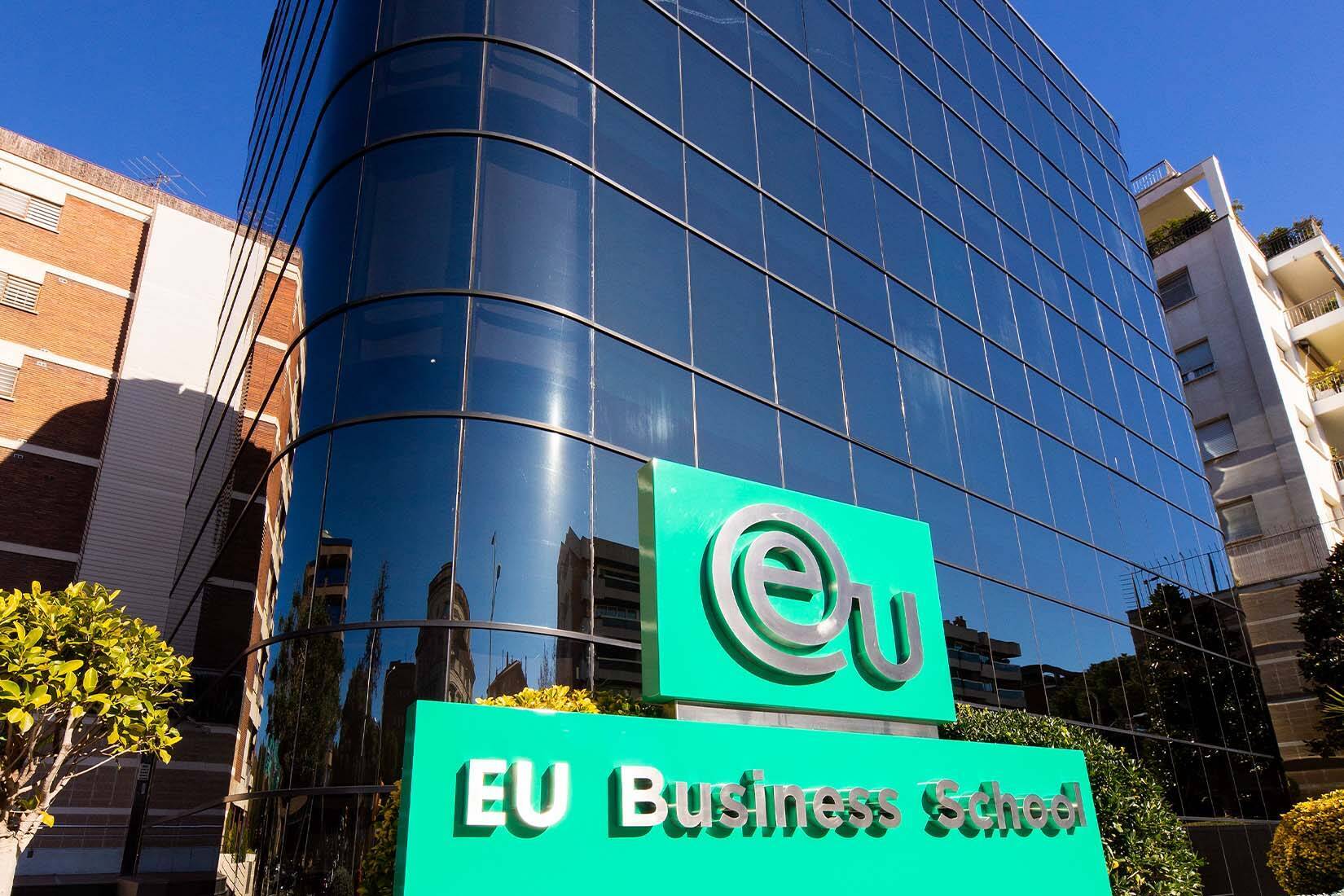
EU Business School ranks in the top 40 MBA programs in Europe in the QS Global MBA Rankings 2026 and holds a 5-Star overall rating from QS Stars. The school operates campuses in Barcelona, Geneva, and Munich, giving students access to three distinct European business environments.
EU Business School has been named Best Business School of the Year in Spain by La Razón for two consecutive years, 2025 and 2026, and ranks in the top 10 in Spain by Forbes 2025. Its 5-Star ratings include Employability (97% graduate employment), Teaching (88% student satisfaction), and Online Learning. The school also ranks number one worldwide for International Student Ratio in the QS Global MBA 2026, a testament to its globally mobile student body.
For students seeking an English-taught program with a highly international cohort and strong online learning options, EU Business School offers a flexible entry point into European business education. The salary outcomes are lower than the top-tier schools on this list, but the combination of affordability, location flexibility, and strong employment rates makes it a solid choice for early-career professionals or those prioritizing international exposure over brand prestige.
The gap between Europe's top private business schools and the rest remains significant. INSEAD and LBS graduates earn more than US$217,000 in weighted salary, while schools ranked lower on this list report figures in the US$139,000 to US$183,000 range. That difference reflects recruiter preferences, alumni network strength, and the types of roles graduates pursue.
Multi-campus models are increasingly common. INSEAD, ESCP, ESSEC, and EU Business School all operate across multiple countries, and that international exposure has become a selling point for students targeting global careers. Spain's presence on this list, with IESE, ESADE, and IE all ranking in the top 10, reflects the country's growing appeal as a business education hub.
Related Posts


0 Comments
Join the discussion and share your thoughts
No Comments Yet
Be the first to share your thoughts on this article!