Top 10 Best Payment Network In India 2026

Table of Contents
India's digital payment infrastructure has become the envy of the global financial world, and the numbers back that up. The Unified Payments Interface (UPI) alone processed over 17 billion transactions in December 2025, according to data from the National Payments Corporation of India. That scale creates a fiercely competitive environment where payment networks battle for merchant adoption, consumer trust, and technical superiority.
This ranking of the top 10 best payment networks in India for 2026 weighs several factors: transaction volumes, market share, fee structures, settlement speed, developer experience, and the breadth of payment methods supported. We also considered how each platform serves different business segments, from street vendors using QR codes to enterprises processing millions of rupees daily. The result reflects where the market actually stands, not where brand perception might place it.
What becomes clear quickly is that India's payment landscape is no longer a two-horse race. While PhonePe and Paytm dominate consumer mindshare, the gateway space for businesses has fragmented into specialized players, each with distinct strengths. Some excel at international payments, others at small business onboarding, and a few at enterprise-grade reliability. Here is how they rank.
These Are The Top 10 Best Payment Network In India 2026:
1. PhonePe Payment Gateway
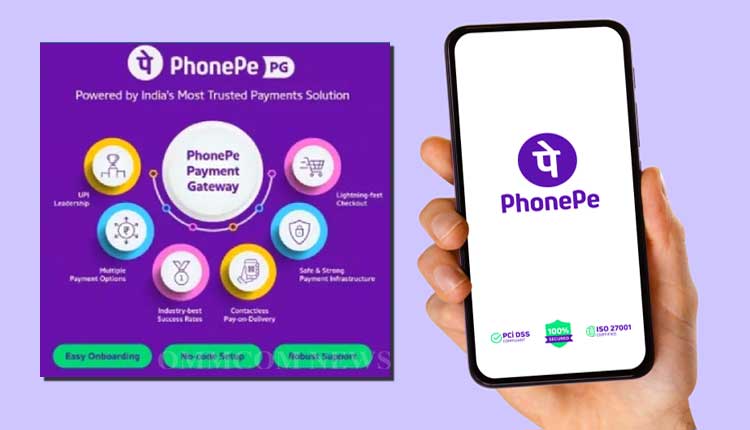
PhonePe's dominance in India's digital payment ecosystem is difficult to overstate. The platform processed 9.8 billion UPI transactions in December 2025 alone, according to LinkedIn Business Highlights data, giving it the largest UPI market share in the country. For context, that single month's volume exceeds the entire annual transaction count of most countries' payment systems.
The gateway's appeal rests on several pillars. Instant activation means merchants can start accepting payments without weeks of documentation review. Zero downtime translates directly to better conversion rates, which matters enormously when every second of checkout friction costs sales. The developer experience is another differentiator, with plugins, SDKs, and APIs that integrate cleanly into existing ecommerce infrastructure.
PhonePe's client roster reads like a who's who of Indian digital commerce: Netflix, Airbnb, BookMyShow, Myntra, Goibibo, RedBus, and Ola all route payments through the platform. But perhaps more impressive is the penetration in tier-2 and tier-3 cities, where PhonePe has become the default payment method for millions of users. That grassroots adoption creates a network effect that competitors find difficult to break.
2. Razorpay
Razorpay has carved out its reputation as the payment gateway of choice for startups and small-to-medium businesses, and for good reason. The platform supports credit and debit cards, netbanking from 58 banks, PayLater options, EMIs, UPI, and eight mobile wallets. That breadth means merchants rarely need a second gateway to cover their customers' preferences.
International businesses get particular value from Razorpay's global reach. The platform accepts payments in 135 currencies across more than 180 countries, making it a practical option for Indian businesses selling overseas or foreign companies entering the Indian market. The pricing structure is transparent: a platform fee of 2% plus 18% GST on domestic transactions, with custom pricing available for enterprise clients.
Razorpay's cloud-first, API-centric architecture enables faster onboarding and a richer feature set than many legacy competitors. The platform integrates particularly well with Shopify, WooCommerce, and Magento, which explains its strong adoption among ecommerce stores. For businesses that want a modern, developer-friendly gateway without enterprise-level complexity, Razorpay remains the benchmark.
3. Cashfree Payments
Cashfree brings serious institutional backing to the payment gateway space. The company was incubated by PayPal and counts Y Combinator among its investors, a pedigree that shows in the platform's engineering quality. More than 600,000 businesses trust Cashfree with their payment processing, and the infrastructure handles 3,000 transactions per second without breaking a sweat.
The platform supports nearly 100 payment methods, including Visa, MasterCard, Rupay, UPI, IMPS, NEFT, Paytm wallet, Pay Later, and various EMI options. Cashfree claims a 15% higher payment success rate thanks to its three-time auto-retry feature, which automatically retries failed transactions before they reach the customer's bank. That may sound minor, but in an industry where success rates hover in the high 80s, a 15% relative improvement is substantial.
Settlement speed is another Cashfree strength. The platform settles funds within 15 minutes, even on bank holidays, with no setup or maintenance charges. For small businesses that live transaction to transaction, that speed can be the difference between making payroll and missing it. The RBI-compliant token vault for saving card details and the no-code Offer Engine for configuring discounts round out a genuinely comprehensive feature set.
4. PayU
PayU operates as an RBI-authorised payment aggregator, which matters more than casual observers might realize. That regulatory status means PayU has passed the Reserve Bank of India's scrutiny on capital adequacy, security standards, and operational resilience. For businesses in regulated industries, that compliance stamp carries real weight.
The platform supports over 150 payment options, including UPI, wallets, netbanking, cards, EMI, and buy-now-pay-later. International payments flow through major cards and digital wallets including PayPal, and the platform handles transactions in 135+ currencies. PayU's parent company operates across emerging markets including Argentina, Peru, Colombia, Chile, and Mexico, giving it a global perspective that pure-India players lack.
PayU's client list includes Snapdeal, Goibibo, BookMyShow, Freecharge, and Jabong, a mix that skews toward established businesses rather than early-stage startups. The pricing structure reflects that positioning: an annual maintenance fee of Rs. 2,400 plus tiered TDR rates depending on the selected package. For businesses that prioritize regulatory compliance and international reach over rock-bottom pricing, PayU remains a solid choice.
5. Paytm Payment Gateway
Paytm, operated by One97 Communications Limited (NSE: PAYTM), remains one of India's most recognized financial brands. Founded by Vijay Shekhar Sharma in 2000 and headquartered in Noida, the company has evolved from a mobile wallet into a full-spectrum financial services platform. The payment gateway benefits from that brand recognition, which still carries weight with consumers across India.
The fee structure is one of the most competitive in the market. UPI standard and Rupay debit card transactions carry 0% fees, while credit cards, the Paytm Wallet, and netbanking transactions cost 1.99%. For businesses processing high volumes of UPI payments, that zero-fee structure can translate into significant annual savings compared to competitors.
Paytm's ecosystem approach extends beyond payments. Merchants get access to lending products, wealth management services, and insurance offerings through the same platform. The merchant QR code network remains one of the most extensive in India, particularly among small retailers and street vendors. For businesses that want payments plus financial services in one place, Paytm's integration is hard to beat.
6. CCAvenue
CCAvenue holds the distinction of being one of India's oldest payment gateways, and longevity in this industry is not accidental. The platform has survived multiple regulatory shifts, technological transitions, and competitive onslaughts by adapting while maintaining reliability. That track record matters for businesses that cannot afford payment processing failures.
The platform supports more than 200 payment options, including all major credit and debit cards, netbanking, UPI, and mobile wallets. International card acceptance comes standard, which makes CCAvenue a practical choice for businesses with overseas customers. The platform's enterprise relationships run deep, particularly in sectors like travel, education, and government services where complex use cases are the norm.
Security remains a CCAvenue strength. The platform maintains PCI DSS compliance and has invested heavily in fraud detection and prevention infrastructure. For businesses handling sensitive customer data, that security posture provides peace of mind that newer, less-proven gateways cannot match.
7. Instamojo
Instamojo launched in 2012 as a quick payment link solution, and the founders, Akash, Aditya, and Sampad, built it with small businesses in mind. The platform has since evolved into a comprehensive business toolkit, but payments remain the core. The value proposition is simple: zero setup fees, zero annual maintenance fees, and payment links that work without complex integration.
The supported payment methods cover Mastercard, Maestro, Rupay, Visa, American Express, and other international cards. Notably, Instamojo does not offer multi-currency support, which limits its utility for businesses with significant international sales. But for domestic small businesses, that limitation rarely matters.
Instamojo's sweet spot is the merchant who needs to accept payments without building a full ecommerce infrastructure. A creator selling digital products, a consultant collecting fees, a small manufacturer taking advance payments, these are Instamojo's core users. The platform's customer support is responsive, and the simple payment link approach means merchants can start collecting money within minutes of signing up.
8. HDFC SmartGateway
HDFC SmartGateway brings the weight of HDFC Bank, one of India's largest commercial banks, to the payment gateway market. That banking heritage provides a level of trust and stability that pure-play fintech companies cannot replicate. When a business processes payments through HDFC SmartGateway, the funds are backed by one of the most financially sound institutions in the country.
The platform is PCI DSS compliant and employs industry-standard security measures to protect customer financial information. Merchants receive funds immediately after a customer completes a purchase, which improves cash flow and simplifies financial management. That immediate settlement is a significant advantage over gateways that batch settlements daily or weekly.
HDFC offers a variety of payment options, competitive pricing, and support for international payments. For businesses that already bank with HDFC, the integration between banking and payment processing creates operational efficiencies. The platform may not have the developer-friendly reputation of Razorpay or Cashfree, but for businesses that prioritize banking stability, it is an excellent choice.
9. BillDesk
BillDesk occupies a unique position in India's payment landscape as the enterprise-focused gateway that handles complex, high-trust payment scenarios. While consumer-facing platforms grab headlines, BillDesk quietly processes enormous volumes of utility payments, insurance premiums, and recurring billing transactions for established businesses across multiple sectors.
The platform's enterprise-grade infrastructure supports high-volume processing with robust security measures. BillDesk has built its reputation over decades of handling transactions where accuracy and reliability are non-negotiable. A missed insurance premium payment or a failed utility bill settlement creates cascading problems, and BillDesk's systems are engineered to prevent those failures.
For organizations requiring sophisticated payment orchestration capabilities, BillDesk remains a preferred choice. The platform may lack the modern developer experience of newer competitors, but its reliability record speaks for itself. In the enterprise segment, where payment failures cost far more than gateway fees, BillDesk's dependability justifies its position.
10. OPEN (formerly Open Financial Technologies)
OPEN rounds out the top 10 as India's 100th unicorn, a milestone that signals both scale and investor confidence. The platform offers fast approvals, an easy application process, and settlement within two working days. For businesses trying a payment gateway for the first time, the free subscription tier makes OPEN an accessible entry point.
The fee structure is straightforward: 1.95% per transaction on the free subscription or 1.85% on paid plans. Setup fees range from zero to Rs. 14,999 depending on the chosen tier. OPEN accepts payments through credit cards, debit cards, net banking, UPI, NEFT, RTGS, IMPS, and online transactions, covering the payment methods most Indian businesses need.
OPEN's client roster includes IIFL Finance, Temasek, Visa, Google, Tiger Global, SBI Investment, and Beenext, an impressive list that reflects the platform's credibility. The primary limitation is the lack of foreign currency support, which restricts its utility for businesses with international customers. For domestic-focused businesses, however, OPEN offers a compelling combination of low fees, fast settlement, and easy onboarding.
The Indian payment network market in 2026 rewards specialization. PhonePe dominates consumer UPI transactions, Razorpay owns the startup segment, Cashfree wins on settlement speed, and BillDesk maintains its enterprise stronghold. Businesses choosing a payment gateway should match their priorities, whether that means zero UPI fees, international currency support, or banking-grade stability, to the platform that delivers it best.
Related Posts
0 Comments
Join the discussion and share your thoughts
No Comments Yet
Be the first to share your thoughts on this article!