Top 10 Best Payment Networks In Malaysia 2026

Table of Contents
We evaluated Malaysia's payment networks across several criteria: local bank integration, compliance with Bank Negara Malaysia regulations, transaction volume capacity, fee structures, settlement speed, developer experience, and suitability for different merchant sizes. We also weighed market presence in Malaysia, user sentiment from merchant communities, and each platform's track record during peak shopping periods. The ranking prioritizes platforms that combine reliability with practical value for Malaysian businesses, from micro-sellers to enterprise operations.
The Top 10 Best Payment Networks In Malaysia 2026:
1. Adaptis (formerly iPay88)
Adaptis holds the top position for a simple reason: no other payment network in Malaysia matches its combination of longevity, bank integration, and payment method coverage. The platform, which rebranded from iPay88, has been processing payments for Malaysian businesses longer than any serious competitor, and that history shows in the depth of its local banking relationships.
The numbers are substantial. Adaptis supports more than 37 payment channels, including FPX, GrabPay, ShopeePay, Alipay, PrestoPay, Apple Pay, and multiple buy-now-pay-later options. It processes millions of transactions daily across Malaysia and Southeast Asia. For merchants, this means customers can pay however they prefer, which directly impacts conversion rates at checkout.
What separates Adaptis from newer entrants is its compliance infrastructure. The platform maintains full Bank Negara Malaysia compliance and has navigated every regulatory change in the Malaysian payments space over the past decade and a half. For established businesses that cannot afford payment disruptions, that stability is worth more than any feature list.
2. Stripe Malaysia
Stripe arrives in Malaysia with the strongest developer ecosystem of any payment network on this list. The platform's API documentation is widely considered the industry standard, and its SDK ecosystem spans virtually every major programming language and framework. For technology companies, SaaS providers, and startups building custom payment flows, Stripe is often the default choice before alternatives are even considered.
The platform supports 135+ currencies and operates in 46 countries with more than 100 payment methods. In Malaysia, Stripe handles credit and debit cards from Visa, Mastercard, and American Express, alongside FPX, GrabPay, Apple Pay, and Google Pay. Standard pricing sits at 2.9% plus RM0.30 per transaction, with settlement in T+3 business days.
Stripe's fraud detection deserves specific mention. The platform uses machine learning models trained on billions of transactions globally, which gives Malaysian merchants access to risk management capabilities that would be prohibitively expensive to build in-house. For subscription businesses, Stripe's flexible billing models handle proration, dunning, and failed payment recovery automatically.
3. Curlec by Razorpay

Curlec is the fastest-growing payment gateway in Malaysia by volume, and the trajectory is striking. The platform grew from approximately 3,000 merchants in October 2024 to over 5,000 by 2025, representing roughly 70% year-over-year volume growth. It is targeting RM10 billion in annualized gross transaction value.
What makes Curlec technically credible is its licensing. The platform holds a merchant acquiring license from Bank Negara Malaysia and has confirmed PayNet membership, placing it among the most robust locally-licensed platforms in the country. This matters for merchants who want assurance that their payment processor is operating within the regulatory framework.
Curlec's client roster includes Tune Protect, CTOS, Courts, Mary Kay, and The National Kidney Foundation. The platform offers next-day settlement (T+1) with domestic card rates at 1.2% plus RM1, which is competitive against larger international players. For Malaysian businesses that want local licensing, enterprise-grade infrastructure, and fast settlement, Curlec presents a compelling package.
4. Fiuu (formerly Razer Merchant Services/MOLPay)
Fiuu has proven itself during the most demanding periods in Malaysian e-commerce. The platform, which rebranded from Razer Merchant Services and MOLPay before that, processes millions of daily transactions and has demonstrated capacity for record-breaking surges during 11.11 shopping events. When traffic spikes, Fiuu's infrastructure holds.
The platform supports 110+ payment methods across Southeast Asia, covering all major Malaysian e-wallets, FPX, and international card networks. Fiuu also operates payment terminal environments for offline retail, making it one of the few platforms on this list that bridges online and physical point-of-sale operations.
For expanding retail operations, this omnichannel capability is significant. A merchant can use Fiuu for their online store, their physical counter, and everything in between, with unified reporting across channels. The platform's Southeast Asian coverage also means businesses eyeing regional expansion can keep their payment infrastructure as they grow.
5. Billplz
Billplz has built its reputation on two things: price and speed. The platform offers zero setup fees and zero annual fees, with some of the lowest flat-rate fees for FPX online banking transactions in Malaysia. Settlement happens in T+1, the next business day, which is critical for cash-flow-conscious small and medium enterprises.
The platform's focus on FPX is deliberate. FPX remains the preferred payment method for many Malaysian consumers who want to pay directly from their bank accounts, and Billplz supports Maybank, Public Bank, OCBC Bank, Bank Islam, and all major Malaysian banks through the network. Transactions are RM-only, which keeps things simple for domestic-focused merchants.
Billplz also integrates with PayPal, allowing merchants to receive international payments without special transaction fees. The platform's transparent pricing philosophy is refreshing in an industry where hidden costs are common. For Malaysian SMEs that primarily serve domestic customers and want minimal fees with fast settlement, Billplz is difficult to beat.
6. Airwallex
Airwallex solves a problem that most Malaysian payment gateways ignore: complex cross-border payments. The platform operates in 180+ countries with 160+ payment methods and supports settlement in up to 12 currencies. For marketplaces and platforms serving customers across multiple regions, this is a game-changer in the truest sense.
The platform offers multi-currency payment acceptance with like-for-like settlement, meaning merchants can hold funds in the currency they were paid in rather than being forced into unfavorable conversions. Global payouts and cross-border transfers are handled through Airwallex's proprietary infrastructure, which bypasses traditional correspondent banking networks.
Airwallex's APIs enable sophisticated payment routing and orchestration, while hosted checkout and payment links simplify integration for less technical teams. The platform also provides comprehensive fraud prevention, risk management, and payment analytics. Malaysian businesses with international ambitions should seriously evaluate Airwallex before defaulting to more domestic-focused alternatives.
7. PayPal Malaysia
PayPal remains the most recognized payment brand in Malaysia, and that recognition carries real commercial value. The platform is available in 200+ countries and supports up to 25 currencies, making it a default choice for Malaysian businesses selling to international customers who already hold PayPal accounts.
The platform provides comprehensive buyer and seller protection tools, along with dispute and chargeback management that has been refined over decades. PayPal integrates with leading eCommerce platforms, and its hosted checkout experience requires minimal technical setup. For merchants who want to start selling internationally without building complex payment infrastructure, PayPal is the path of least resistance.
PayPal wallet acceptance is a key differentiator. Many Malaysian consumers already have PayPal accounts for international transactions, and offering PayPal at checkout removes friction for those customers. The platform processes payments in up to 25 currencies depending on merchant country, which covers the vast majority of cross-border e-commerce scenarios.
8. SenangPay
SenangPay is the homegrown option for merchants who value simplicity above all else. The platform focuses on rapid onboarding, making it particularly popular among startups and social media sellers who need professional payment setup without complex technical integration. If you sell through Instagram or TikTok and want to accept payments quickly, SenangPay is built for you.
The platform supports credit and debit cards, FPX online banking, and major e-wallets. Settlement runs at T+2 for FPX and e-wallets, and T+3 for cards. SenangPay offers straightforward plug-and-play plugins for e-commerce platforms, along with custom payment forms and no-code invoicing through its starter plan.
SenangPay's focus on the local market means it does not offer advanced cross-border capabilities, but that is by design. For Malaysian SMEs that primarily serve domestic customers and want the fastest possible path from signup to accepting payments, SenangPay delivers exactly that.
9. HitPay

HitPay combines competitive domestic pricing with surprisingly extensive international coverage. The platform operates in 10+ countries with 700+ payment methods, making it one of the most broadly connected payment networks on this list. Domestic cards run at 1.2% plus RM1, with DuitNow QR also at 1.2%.
Settlement is next-day triggered, which means merchants can access funds quickly. HitPay offers robust API documentation and e-commerce plugins for WooCommerce, Shopify, and EasyStore, covering the platforms most commonly used by Malaysian online sellers.
The pricing structure is designed for accessibility. Growing businesses that need international reach without enterprise budgets will find HitPay's rates substantially lower than global incumbents. The platform's regional expansion across Southeast Asia also positions it well for merchants planning cross-border growth.
10. Adyen
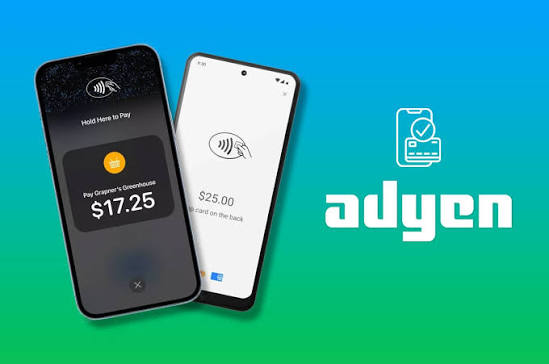
Adyen rounds out this list as the enterprise option. The platform is built for larger Malaysian businesses operating across multiple markets that need a unified view of payments, reporting, and risk management. Adyen connects directly to card networks and local banks, reducing friction and improving approval rates for international payments through smart payment routing.
The platform processes electronic payments across hundreds of different local payment methods in dozens of countries, ensuring seamless customer experiences globally. Adyen operates in 100+ countries with 250+ payment methods and maintains direct bank connections that bypass intermediaries.
Adyen's extensive acquiring network and customizable payment infrastructure make it suitable for complex, enterprise-level requirements. The trade-off is accessibility: Adyen is less approachable for smaller Malaysian merchants, both in terms of pricing structure and onboarding requirements. For enterprises processing significant volumes across multiple markets, however, Adyen's infrastructure is among the most sophisticated available.
The right payment network depends entirely on your business profile. A social media seller processing a few thousand ringgit monthly has different needs than a multinational marketplace handling millions in cross-border transactions.
For established Malaysian businesses with diverse customer bases, Adaptis offers the most comprehensive local coverage. For technology companies building custom payment experiences, Stripe's developer tools are unmatched. For SMEs focused on domestic sales with tight cash flow, Billplz and SenangPay deliver the best value. For enterprises with complex international operations, Airwallex and Adyen provide the infrastructure required.
Related Posts




1 Comment
Join the discussion and share your thoughts