Top 10 Best Expense Tracking Apps In 2026

Table of Contents
Finding the best expense tracking app in 2026 depends less on feature counts and more on how you actually spend money. A freelancer chasing deductible receipts needs something very different from a couple splitting rent, and a finance team reconciling corporate cards needs something different again. We built this ranking around that reality, weighing published App Store and Google Play ratings, pricing as reported in 2026 review roundups, depth of bank connectivity, automation quality, and how well each app matches a specific type of user. We also factored in user sentiment from budgeting communities and the consistency with which each app appears across multiple 2026 comparisons, from Forbes Advisor-style roundups to TechRadar and NerdWallet-style business software reviews. The result is a list ordered by overall strength, not by category, so a business tool can sit above a consumer app when its execution is genuinely better.
These Are The Top 10 Best Expense Tracking Apps In 2026:
1. YNAB (You Need A Budget)
YNAB holds the top spot because it does something most trackers don't: it changes behavior. The app is built on zero-based budgeting, a method where every dollar gets assigned a job before it's spent. That's a philosophy, not a feature, and it's why YNAB consistently lands at or near number one in 2026 "best expense tracker" roundups for personal budgeting.
The mechanics support the method. YNAB runs a hybrid of automatic bank sync and manual entry, which forces you to engage with each transaction rather than letting a feed do all the work. Goal tracking, loan payoff tools, and a deep library of weekly workshops and community forums round out the package. Pricing sits at $14.99 per month or $109 per year, with a 34-day free trial that's long enough to test the method properly. The average App Store rating of 4.8 out of 5 reflects a user base that tends to be unusually loyal.
The tradeoff is commitment. YNAB asks more of you than PocketGuard or Spendee, and if you want a passive log of spending, this isn't it. For anyone serious about changing habits, though, nothing else in this list comes close on methodology.
2. Monarch Money
When Mint shut down, a lot of people went looking for a replacement. Monarch Money is the answer most of them landed on. It was built by former Mint product leads, and 2026 roundups consistently name it the best pick for shared household budgeting.
The pitch is an all-in-one dashboard: expense tracking, budgeting, net worth tracking, and investment monitoring in a single view. Unlimited shared household members are supported on one subscription, which matters for couples and families who want a single source of truth rather than three separate apps. Ratings sit around 4.7 out of 5, and pricing runs $14.99 per month or $99.99 per year.
Monarch isn't the cheapest option here, and it doesn't have YNAB's rigid budgeting philosophy. What it offers instead is completeness and collaboration. For a household that wants to see everything in one place without enforcing a strict envelope system, it's the strongest all-rounder on this list.
3. Ramp

Ramp is the top-rated business expense tracker of 2026, and it earns that position through automation rather than budgeting features. The platform pairs corporate cards with automated receipt matching, real-time expense policies, and AI-powered reconciliation. Research teams rate it around 4.5 out of 5, and the consistent theme in reviews is how dramatically it cuts month-end close times.
The pricing model is the part that turns heads. Ramp is free for most businesses because it monetizes through card interchange rather than per-seat subscriptions, and its corporate cards carry 1.5% cashback. For a growing company tired of paying per user for expense software, that's a meaningful shift in the math.
To be clear about scope: Ramp is built for companies, not individuals. If you're looking to track your grocery spending, this is the wrong tool. If you're running finance for a business with card-heavy spend, it's the best option available in 2026.
4. Expensify
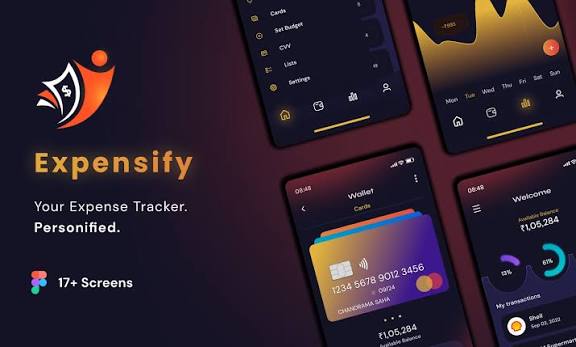
Expensify has been around long enough to feel like furniture in the business expense space, and that maturity shows. Its SmartScan OCR lets users photograph a receipt and forget about it, with automatic expense report generation and reimbursement workflows handling the rest. It's widely rated 4.5 or higher for business use.
Integration coverage is a big part of the appeal. Expensify connects with QuickBooks, Xero, NetSuite, and most major accounting systems, which means it slots into existing finance stacks without much friction. There's a free plan for up to five users, and the Collect plan runs roughly $5 per user per month.
Compared with Ramp, Expensify is slightly less automated for card-centric spend, but its interface is friendlier for freelancers and small teams who don't want a full corporate card program. It's a reliable, well-worn engine rather than a flashy one.
5. QuickBooks Solopreneur / Self-Employed
Freelancers and sole proprietors have a specific problem: separating business expenses from personal ones at tax time. QuickBooks' self-employed tier is built around exactly that. It automatically categorizes deductible business expenses, estimates quarterly taxes, and exports Schedule C-ready reports.
Pricing runs around $20 per month with frequent promotional discounts, and mileage tracking is included. Bank and credit card sync keeps transactions flowing in without manual entry. The app appears on virtually every 2026 "top expense tracker" list aimed at small business owners, and for good reason: the tax-time deduction tracking is genuinely hard to match.
The caveat is that it's overkill for pure personal budgeting, and it's a paid product. If you're a W-2 employee tracking coffee spending, look elsewhere on this list. If you file a Schedule C, this is the practical choice.
6. PocketGuard

PocketGuard answers one question better than anyone else: how much can I safely spend right now? The app tracks bills, subscriptions, and spending, then calculates a leftover-cash figure it calls "IN MY POCKET" after accounting for bills and savings goals. It's a refreshingly simple framing in a category that often drowns users in charts.
There's a free tier, and PocketGuard Plus runs about $7.99 per month or $34.99 per year. The Plus plan adds recurring subscription flags and bill negotiation, which can offset the cost quickly if you have a few bloated subscriptions. It's one of the more budget-friendly picks in 2026 comparisons.
Where it falls short is depth. Compared with YNAB or Monarch, the budgeting tools are lighter, and users who want envelope systems or detailed net worth tracking will outgrow it. For everyday spenders who just want a clear number, though, the simplicity is the point.
7. Spendee
Spendee leans into presentation and shared use, and that combination has carved out a real niche. The app is visually polished, supports multiple currencies, and offers shared wallets for up to five people, which makes it a natural fit for couples, roommates, and travel groups logging expenses together.
Pricing is among the most accessible here: a free tier, plus Premium at roughly $2.99 per month when billed annually at about $23.99. Budget envelopes, cash and bank account tracking, and clean charts round out the feature set. 2026 reviews consistently highlight it as a top pick for personal and family spending.
The limitation is bank connectivity, which is restricted in some regions. If you're in a market with strong coverage, Spendee is excellent value. If not, you'll be doing more manual entry than you'd like.
8. Wallet by BudgetBakers
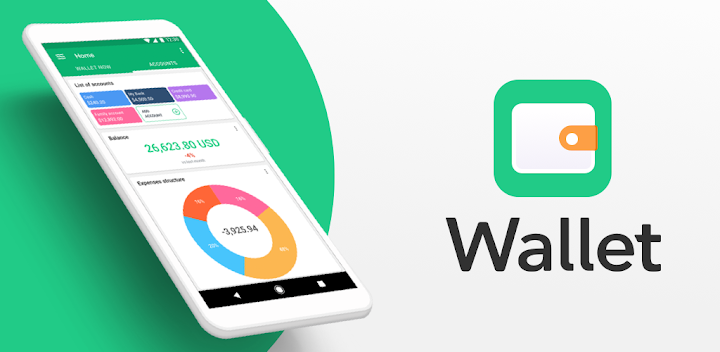
Most budgeting apps are built for the US market first. Wallet by BudgetBakers went the other direction. It supports more than 10,000 banks across 50-plus countries, along with multi-currency tracking, which makes it the strongest international option on this list.
The app handles cash, cards, and even assets in one place, with detailed budgeting tools layered on top. There's a free tier and a Premium plan at roughly $4.99 per month. It's frequently recommended in 2026 roundups alongside Spendee and YNAB for personal and family spending.
Honest criticism: the interface isn't as refined as Monarch or YNAB. Users in international markets tend to accept that tradeoff because the alternative is a US-centric app that can't connect to their bank at all. If you live outside the US, start here.
9. Empower (formerly Personal Capital)

Empower approaches expense tracking from the investment side. Its free dashboard aggregates all accounts in one view, tracking net worth, investments, and spending together. For people who want a big-picture financial picture rather than envelope budgeting, it's one of the best free tools available.
The free tier is genuinely useful, and it appears in 2026 "best apps to track spending" comparisons despite its investing focus. The catch is the business model: Empower upsells fee-based wealth-management services at roughly 0.89% of assets under management, and the app nudges you toward them.
Expense and budget features are secondary here, and users who want granular categorization will find it thin. As a free net-worth aggregator that happens to track spending, though, it's hard to beat.
10. Money Manager (Realbyte)
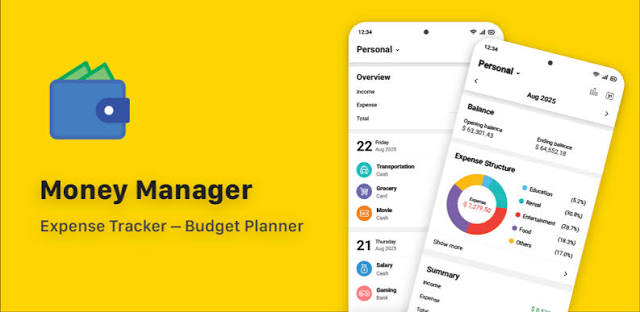
Not everyone wants their bank credentials in an app. Money Manager by Realbyte is built for those users. It's a straightforward expense and income tracker with double-entry-style bookkeeping, customizable categories, and no mandatory bank connection. You can enter transactions manually or opt into sync if you choose.
The numbers back up its following: 4.7 out of 5 on Google Play with more than 10 million downloads. It's free with ads, or a one-time payment of about $4.99 removes them. That one-time model is increasingly rare in a subscription-heavy category, and privacy-conscious users cite it as a reason to stay.
What you give up is automation and budgeting depth. There's no AI reconciliation, no bill negotiation, no sophisticated goal tracking. For daily spending tracked by hand, though, it's reliable, cheap, and entirely under your control.
The right pick depends on your situation more than the rankings. Personal budgeters who want to change habits should start with YNAB, while households replacing Mint will find Monarch the most complete fit. Business users have a clear split: Ramp for card-heavy companies, Expensify for teams that need broad accounting integrations. Freelancers filing Schedule C should look at QuickBooks Self-Employed, and international users should prioritize Wallet by BudgetBakers for bank coverage.
0 Comments
Join the discussion and share your thoughts
No Comments Yet
Be the first to share your thoughts on this article!