Top 10 Best Grocery Delivery Services In UK 2026

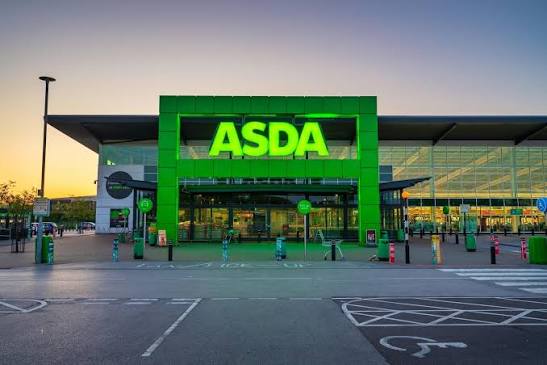
Table of Contents
Online grocery shopping in the UK has matured into a market where speed, slot availability and delivery pricing matter as much as product range. Our ranking of the top 10 best grocery delivery services in the UK for 2026 weighs several factors: national coverage and order volume, delivery pricing structures including pass and subscription schemes, product range and quality, customer sentiment drawn from forums such as Mumsnet, and each operator's investment in logistics and automation. We also considered value for regular weekly shoppers, since a service that suits a one-off top-up order is not always the same one that suits a family doing a large weekly shop. Where a retailer publishes verifiable figures, such as delivery pass pricing or minimum order values, we've used those directly.
The result is a list that spans the full spectrum of the market, from Ocado's warehouse-driven model and Tesco's store-backed national network to rapid-delivery newcomers like Deliveroo Hop and specialist organic box schemes. Some entries here are UK household names with decades of grocery heritage; others are newer, leaner operations built around dark stores or food-waste reduction. What they share is a proven ability to get groceries to British doorsteps reliably as of 2026.
These Are The List Of The Top 10 Best Grocery Delivery Services In UK 2026:
1. Ocado
Ocado sits at the top of our ranking, and the numbers back it up. The company serves roughly 70% of British households and has delivered more than 12 million orders to date. Founded in 2000 by Jonathan Faiman, Jason Gissing and Tim Steiner, the business took its name from "avocado" and built its reputation on a premium product selection paired with a delivery operation that consistently scores well on punctuality and slot accuracy.
What sets Ocado apart in the UK market is its partnership with Marks & Spencer, which owns 50% of the business. That deal gives customers access to M&S food ranges alongside Ocado's own-label products, a combination no other UK grocer can match. The company has raised $2.5 billion across six funding rounds, most recently a Post-IPO Debt round in June 2022, and has outlined plans to bring robotics and automation deeper into grocery fulfilment.
For environmentally conscious shoppers, Ocado offers green delivery slots that group orders into lower-emission routes. It's a small feature, but it reflects the kind of operational thinking that has kept Ocado at the front of the UK online grocery pack for years.
2. Tesco Online
Tesco is the UK's largest supermarket chain by market share, and its online operation is the most extensive grocery delivery network in the country. Rather than relying on dedicated warehouses alone, Tesco fulfils home delivery and Click & Collect orders through its vast store estate, which means coverage reaches places that pure-play online grocers struggle to serve.
The range is the widest of any UK supermarket delivery service, spanning own-brand essentials through to premium Finest lines. For regular customers, the Delivery Saver pass allows a fixed monthly or annual fee in exchange for unlimited deliveries, which makes Tesco one of the most cost-effective options for anyone doing a weekly shop. It's not the flashiest service on this list, but it's arguably the most practical for the average British household.
3. Sainsbury's Online
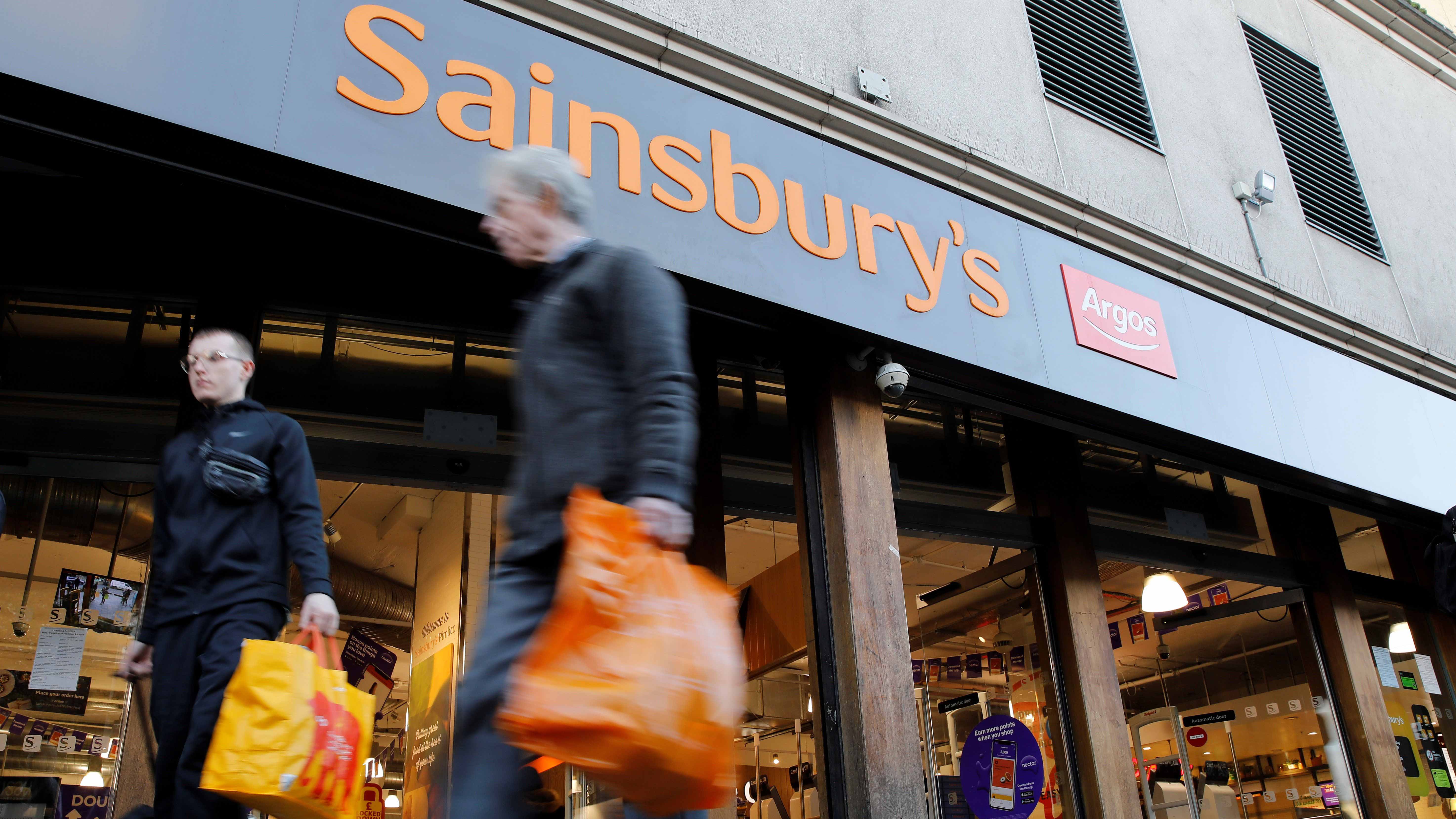
Sainsbury's has quietly built one of the more reliable online grocery operations in the UK, with strong availability of free delivery slots that sets it apart from rivals where slots vanish quickly during peak periods. Delivery pricing is tiered: charges start from just £1 when you spend £40 or more, and drop to free once your basket reaches £100.
The retailer has invested heavily in its online infrastructure, offering same-day and next-day slots across most of the UK. Its Nectar loyalty scheme integrates directly with online orders, so points and personalised prices apply whether you shop in store or on the app. A Delivery Pass option is available for frequent shoppers who want to lock in unlimited deliveries. According to TechRadar's UK grocery delivery coverage, Sainsbury's slot availability remains one of its strongest selling points.
4. Morrisons
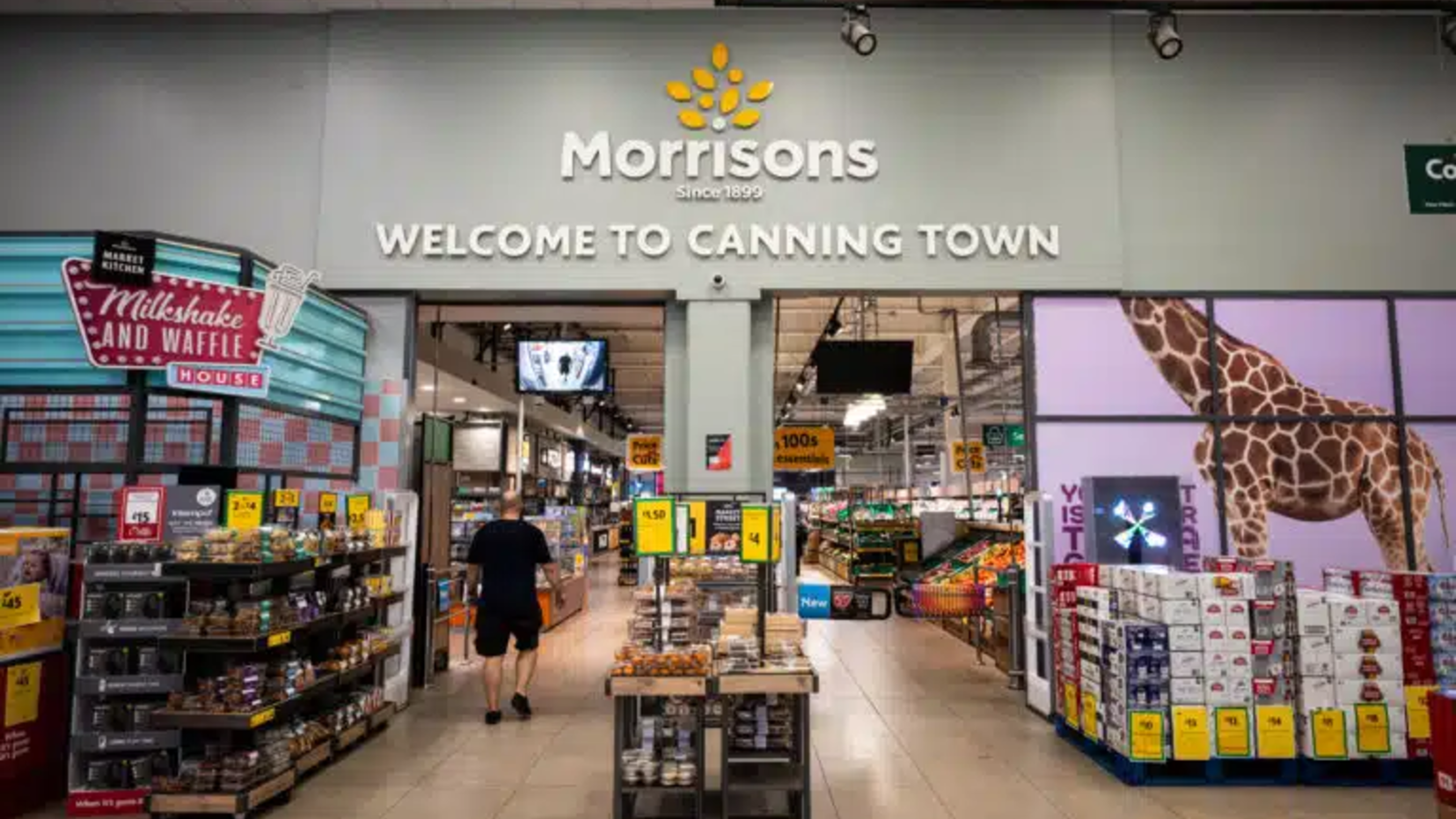
Morrisons ranks highly among UK consumers on service quality. In Mumsnet discussions comparing supermarket delivery services, users placed it third behind Ocado and one other major supermarket, a strong showing for a retailer that competes primarily on price rather than premium positioning.
The Delivery Pass is where Morrisons gets interesting on value. An annual weekly pass costs £60 for anytime delivery, or £35 if you're willing to accept midweek slots between Tuesday and Thursday. For families doing large weekly shops, that works out to barely more than £1 per delivery.
Its "Quick Shop" feature fills your trolley with the top items you might want in a single click, including meat-free options, which speeds up repeat orders considerably. Competitive pricing on fresh produce and meat has made Morrisons a favourite among households that cook from scratch.
5. Abel & Cole
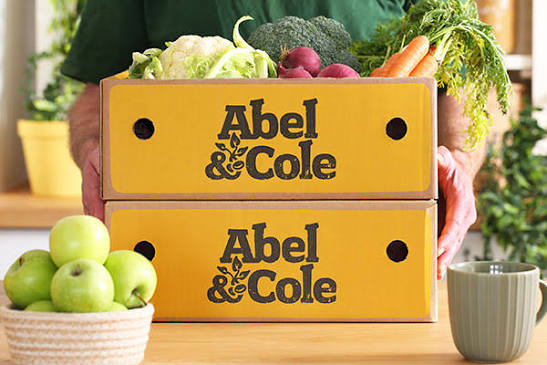
Abel & Cole occupies a different corner of the market. This is a UK-focused organic and sustainable grocery delivery service built around boxes rather than traditional aisle-by-aisle shopping. Customers can build their own box from favourite ingredients or choose between veggie, fruit or mixed boxes, and the company also offers recipe boxes containing everything needed to prepare healthy meals.
The pricing structure is unusually friendly for a specialist service. Minimum orders start from just £12, and delivery never costs more than £1.25. That combination makes it accessible to smaller households that would struggle to justify a £40 minimum elsewhere.
Abel & Cole maintained service throughout the COVID-19 pandemic and lockdowns, keeping customers updated through an official Coronavirus FAQ on its website. It positions itself as an eco-conscious alternative to mainstream supermarkets, and for shoppers who prioritise organic produce and lower-waste packaging, it's a credible one.
6. Amazon Fresh UK
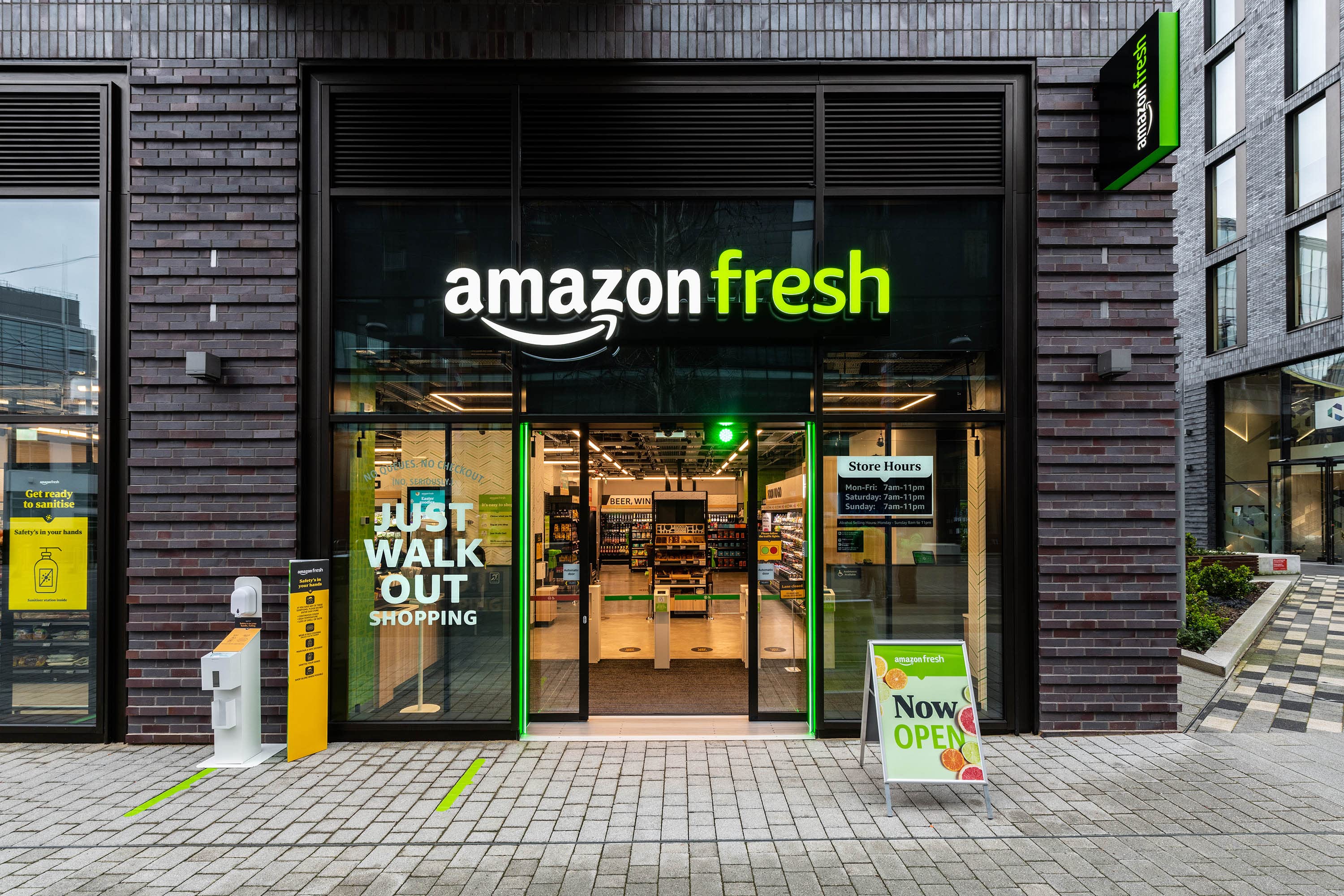
Amazon Fresh brings the retail giant's grocery logistics to the UK, and the scale is hard to ignore. The service is available in more than 2,300 cities globally, with delivery windows of one to two hours. In the UK, that translates to reliable same-day delivery across most urban areas.
Integration with Amazon Prime membership is the main draw. Prime subscribers get access to Fresh delivery without adding another subscription, and the service connects directly with Alexa shopping lists and the Subscribe & Save programme for recurring essentials like coffee, cleaning products and pet food.
Fortune's 2026 rankings recognised Amazon Fresh as one of the best options for meat delivery, which speaks to the quality of its fresh category. For households already embedded in the Amazon ecosystem, it's a natural fit.
7. Asda
Asda operates one of the UK's largest online grocery operations, and customer feedback consistently highlights its delivery drivers. Mumsnet threads on supermarket delivery repeatedly praise Asda staff for professionalism and friendliness, which matters more than it might sound when you're hauling a week's worth of shopping to the door.
Flexible slots, including same-day options in many areas, and the Asda Price Guarantee extending to online orders round out the offer. The catch, according to those same Mumsnet discussions, is substitutions. When an item is out of stock, Asda replaces it with an alternative, and some regular customers find the choices inconsistent. It's a common complaint across the sector, but it comes up more often with Asda than most.
8. Waitrose & Partners
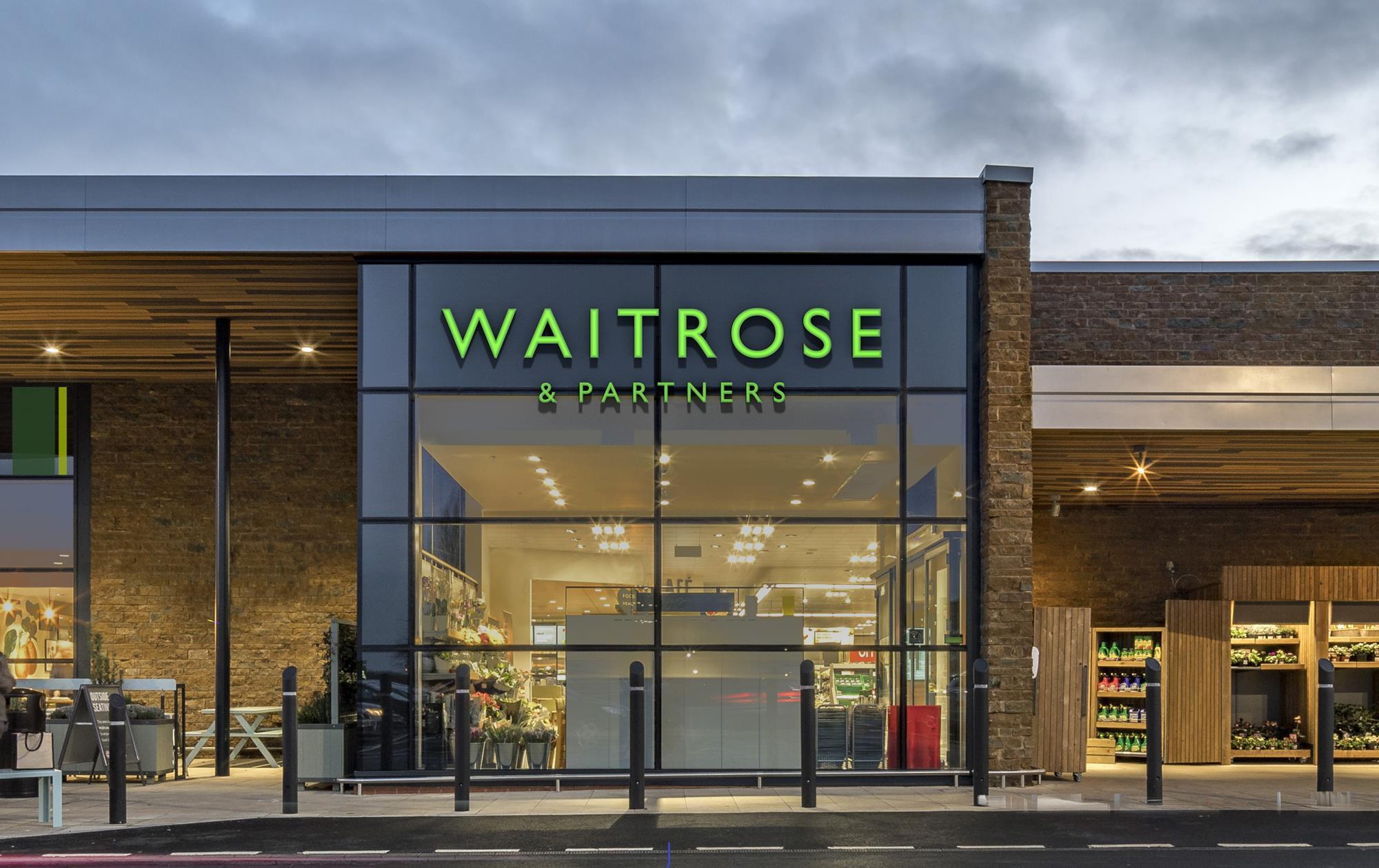
Waitrose targets quality-conscious shoppers, and its online grocery delivery service leans fully into that positioning. The range emphasises high-end and organic products, with ethical sourcing standards that the retailer promotes heavily across its own-brand lines.
MyWaitrose members get free delivery on orders over £40, which removes the delivery fee friction that puts some shoppers off premium grocers. The John Lewis partnership adds another layer of convenience: customers can collect groceries alongside other purchases at participating locations.
This isn't the cheapest option on our list, and it isn't trying to be. For shoppers who prioritise product quality and provenance over price competition, Waitrose delivers on exactly that promise.
9. Deliveroo Grocery (Hop)
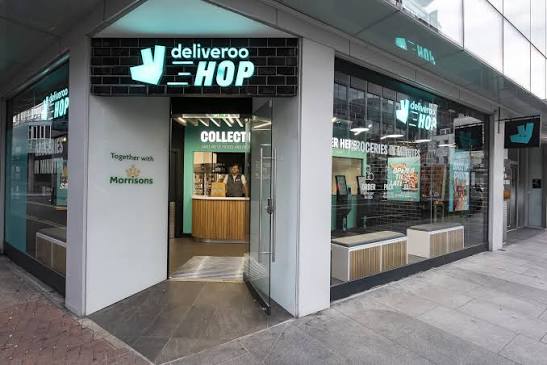
Deliveroo's grocery arm, including its Hop rapid-delivery service, takes a fundamentally different approach. Instead of large fulfilment centres, it uses strategically located dark stores and localised inventory management to enable delivery in as little as 10 to 20 minutes in major UK cities.
The platform folds grocery ordering into the same app used for restaurant meal delivery, with real-time courier tracking. That single-app convenience is genuinely useful for households that already order takeaway through Deliveroo. Grocery isn't the company's primary focus, but its existing courier infrastructure and brand recognition provide a logistics network most startups would envy.
The limitation is availability. Merchant selection varies significantly by location, and the ultra-fast model works best in dense urban areas. If you're outside a major city, Hop likely isn't an option.
10. Misfits Market (via Imperfect Foods)
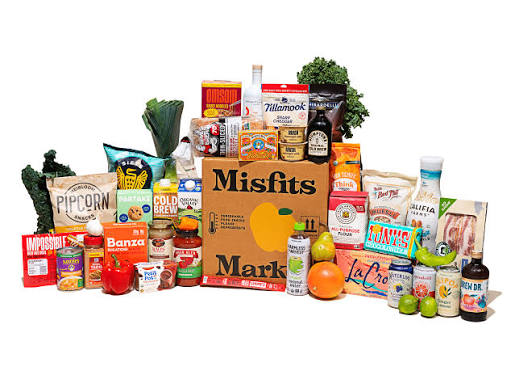
Misfits Market rounds out our list as the most sustainability-focused entry. The service specialises in organic "misfit" items, meaning products that would otherwise go to waste because of cosmetic imperfections, overstock or packaging changes. It started by rescuing fresh produce directly from farms and suppliers, then expanded into other grocery categories after acquiring Imperfect Foods in 2023.
Boxes cost between $35.98 and $41.98, with flat-rate delivery starting at $6 per order depending on zip code. The service offers both box subscriptions and à la carte shopping, giving customers flexibility in how they build their orders.
Misfits Market is primarily US-focused, so it isn't a direct UK delivery option in the way the other nine entries are. Its inclusion reflects its influence: the food-waste reduction model has shaped how UK grocery delivery operators approach sustainability, and several British services have adopted similar surplus-rescue practices as a result.
Related Posts




0 Comments
Join the discussion and share your thoughts
No Comments Yet
Be the first to share your thoughts on this article!