Top 10 Best Grocery Chains In Germany 2026

Table of Contents
Germany's grocery market is one of the most competitive in Europe, and the top 10 best grocery chains in Germany for 2026 reflect a sector split between powerful cooperatives, discount giants, and regional hypermarket operators. According to ESM Magazine and ecommercegermany.com, the market is led by Edeka, which generated roughly €70 billion in annual revenue in 2025 and operates more than 11,000 stores. What follows is our ranking of the ten chains that matter most, based on revenue, store count, consumer favorability, and market reach.
How We Ranked These
We weighed four factors: annual revenue and group scale, national store count, consumer favorability scores from German survey rankings, and breadth of assortment. Revenue figures came from ESM Magazine and ecommercegermany.com reporting, while favorability data drew on YouGov-style consumer rankings. Chains with national reach and strong loyalty ranked above regional operators, even where regional chains run excellent stores. No chain appears here that isn't among Germany's largest by sales or footprint.
The Best Grocery Chains In Germany 2026:
1. Edeka
Edeka sits at the top of the German grocery market by almost every measure. The cooperative of independent merchants reported roughly €70 billion in annual revenue in 2025, operates more than 11,000 stores, and scored 64.7 out of 100 in a German consumer favorability survey, the highest of any chain. That combination of national buying power and local merchant autonomy is hard to replicate.
The network runs from small neighborhood markets to large E-Center hypermarkets, with strong regional banner brands and private labels like Edeka and Gut & Günstig filling shelves at every price point. Consumer surveys consistently place Edeka at the top of German favorite-supermarket rankings, which reflects its fresh assortment and service culture as much as its scale.
Edeka also owns Netto Marken-Discount, which appears later in this list. That means the cooperative controls both a full-line supermarket network and a discount banner with more than 4,200 stores, giving it coverage across nearly every shopping mission in the country.
2. REWE Group
REWE is Germany's largest full-service supermarket chain after Edeka, with roughly €35 billion in annual grocery revenue in 2025. The group operates more than 3,800 REWE supermarkets, including the upscale REWE City and REWE Center formats, plus over 2,000 Penny discounters.
Private-label innovation is a REWE hallmark. The REWE Bio organic line and the budget "ja!" brand cover both ends of the price spectrum, and the group's loyalty program is among the most developed in German retail. Sustainability initiatives, from packaging reduction to sourcing standards, have become part of the brand's positioning rather than a side project.
For shoppers, REWE occupies the quality end of the mainstream. It costs more than the discounters but delivers a broader fresh range and a more comfortable store experience, which is why it ranks second on national footprint and brand recognition.
3. Lidl (Schwarz Group)
Lidl operates more than 3,250 stores in Germany and belongs to Schwarz Group, Europe's largest retailer with roughly €170 billion in group revenue in 2024. That backing gives Lidl buying power few competitors can match, and it shows in the pricing.
The discounter is known for weekly rotating non-food offers, a strong in-store bakery, and the Lidl Plus digital loyalty app, which has become one of the most-used retail apps in the country. Lidl has also pushed into premium assortment and sustainability commitments, blurring the line between hard discounter and mainstream grocer.
Store count, revenue contribution, and consistently high consumer favorability scores put Lidl third. In many German towns, it is the default weekly shop for price-conscious households that still want fresh bread and produce.
4. Kaufland (Schwarz Group)
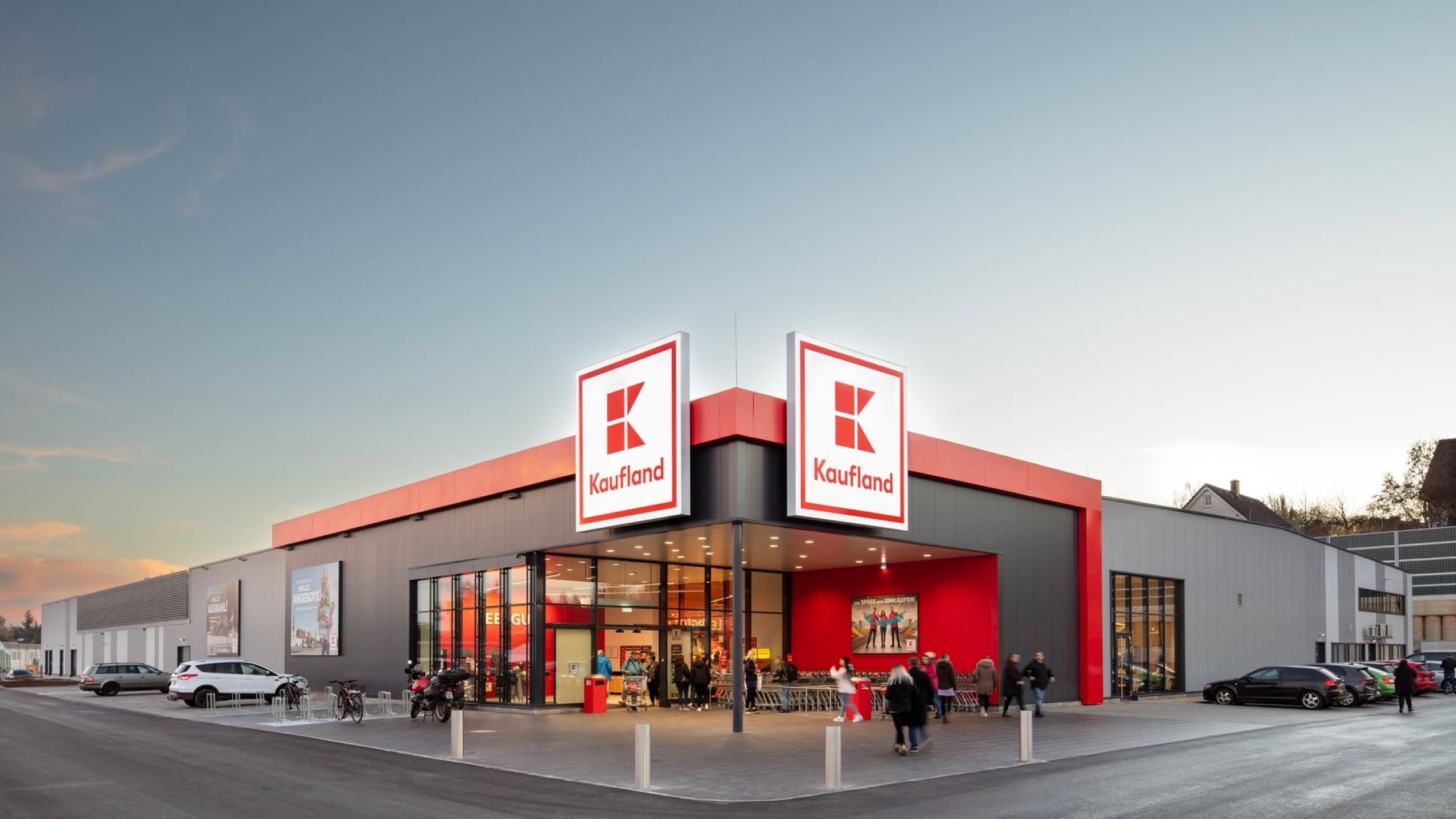
Kaufland runs more than 790 hypermarkets in Germany, typically between 3,000 and 5,000 square meters, combining a full grocery range with clothing, electronics, and home goods under one roof. The chain is a Schwarz Group sibling to Lidl and shares its buying power while targeting a different shopper: families doing large weekly or bulk trips.
Revenue for the segment exceeds €30 billion, and Kaufland appears in top-four favorite rankings in German consumer surveys. The format works because it removes the need for a second trip. A household can buy groceries, school supplies, and a new kettle in one visit.
Its scale and broad assortment earn Kaufland fourth place. The trade-off is store size and location: Kaufland sites are typically on the edge of town, which suits car-based shoppers but not quick urban errands.
5. Aldi Süd
Aldi Süd operates more than 2,000 stores across southern and western Germany, and its global revenue reached roughly €60 billion in 2024. The division's famously lean assortment, around 90 percent private label, keeps costs down and checkout lines moving.
What has changed is the range. Aldi Süd has expanded into fresh produce, bakery, and organic lines while holding onto its price leadership reputation. The result is a discounter that no longer feels like a bare-bones operation, even if the aisle count remains modest by supermarket standards.
Enormous brand recognition and efficiency-driven pricing place Aldi Süd fifth. Its northern sibling, Aldi Nord, ranks separately below because the two divisions have operated independently since the 1960s.
6. Netto Marken-Discount (Edeka Group)
Netto Marken-Discount runs more than 4,200 stores in Germany, making it one of the densest discounter networks in the country. It is owned by Edeka, which gives it buying scale and logistics support that independent discounters cannot match.
The format favors smaller stores in urban neighborhoods and smaller towns, with a broad private-label range and frequent aggressive promotions. Netto positions itself between the classic hard discounters and full-line supermarkets, which makes it a common fill-in stop rather than a weekly destination for some households.
Store density and Edeka backing earn sixth place. The chain's presence in places too small for a full supermarket is a real strategic advantage in a country with many mid-sized towns.
7. Aldi Nord
Aldi Nord operates more than 2,200 stores in northern and eastern Germany as the second Aldi division. It shares the discounter model of limited assortment, heavy private-label penetration, and efficient logistics, though it has historically lagged Aldi Süd in fresh and premium ranges.
That gap has been closing. Aldi Nord has been modernizing stores and widening its assortment, and the two divisions coordinate on sourcing and product development more than their separate corporate structures suggest.
A large store network and strong brand strength place Aldi Nord seventh. In the northern states, it remains a dominant force in the discount segment that defines German grocery shopping.
8. Penny (REWE Group)
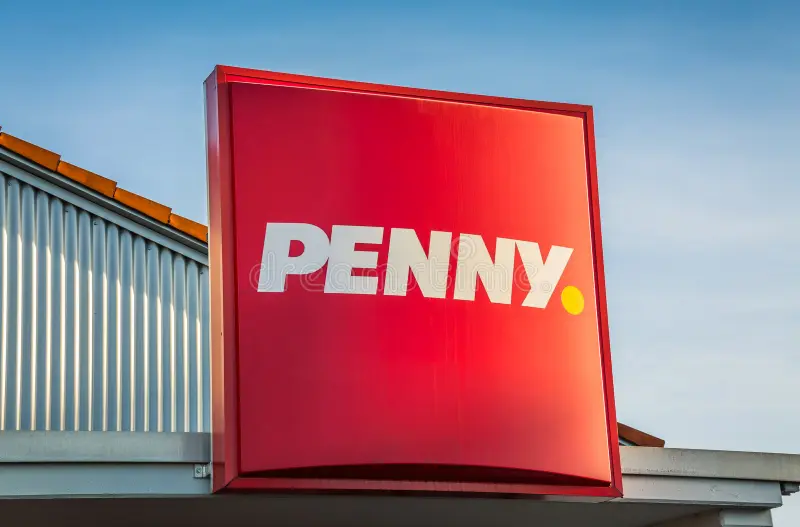
Penny is REWE's discount banner, with more than 2,000 stores in Germany. It targets price-sensitive shoppers in smaller-format locations while drawing on REWE's buying and logistics network, which keeps costs lower than a standalone discounter could manage.
The chain has emphasized promotions, private labels, and store modernization to compete with Aldi and Lidl. National footprint and REWE Group backing secure eighth place, though Penny trails the leading discounters in both scale and consumer favorability.
Its role within the group is clear: Penny captures the discount shopper, while REWE captures the full-service shopper. Few German grocery groups cover both ends of the market as deliberately.
9. Globus
Globus operates more than 90 hypermarkets in Germany plus international locations, and the chain has been family-owned since 1828. That makes it one of the oldest retail businesses in the country still under family control.
Stores combine full grocery ranges with extensive non-food, home, and electronics departments, and the fresh and bakery offerings are a genuine draw. The self-service model and strong local sourcing give Globus a regional character that national chains struggle to match.
Hypermarket scale and regional strength earn ninth place. The national footprint is smaller than the top discounters and supermarkets, which caps its ranking despite the quality of the stores themselves.
10. HIT (HIT Handelsgruppe)
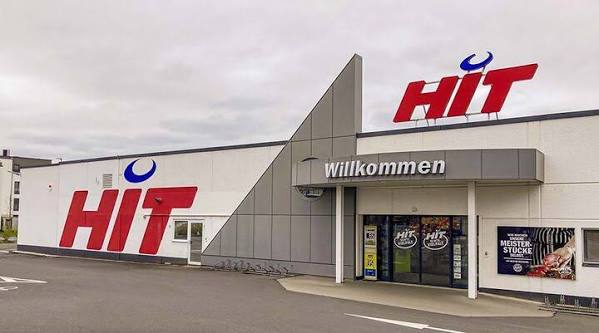
HIT is a family-run supermarket group with more than 100 stores, primarily in western and central Germany. It is one of the country's largest independent supermarket groups, combining independent merchant structures with centralized buying through HIT Handelsgruppe.
Strong fresh departments and local sourcing have built a loyal regional customer base. HIT stores tend to feel more like quality neighborhood supermarkets than discount outlets, and the group's stability reflects decades of consistent operation rather than rapid expansion.
Regional strength and quality positioning place HIT tenth. It lacks the national scale of the nine chains above, but within its heartland it competes effectively against much larger rivals.
Our ranking reflects revenue, store count, and consumer sentiment as of 2025 and early 2026. Chains that combine national scale with strong favorability, like Edeka and REWE, sit at the top. Regional operators with excellent stores but limited reach, like HIT and Globus, round out the list. The top 10 best grocery chains in Germany for 2026 are, in order: Edeka, REWE Group, Lidl, Kaufland, Aldi Süd, Netto Marken-Discount, Aldi Nord, Penny, Globus, and HIT.
Related Posts
0 Comments
Join the discussion and share your thoughts
No Comments Yet
Be the first to share your thoughts on this article!