Top 10 Best Gaming Phones In 2026

Table of Contents
Choosing among the best gaming phones in 2026 comes down to one question that most flagship reviews avoid: which handset holds its frame rate after the first 30 minutes? Our rankings weigh sustained-performance benchmarks, thermal design, display refresh rates, battery endurance, and real-world pricing. The short answer: Qualcomm's Snapdragon 8 Elite Gen 5 dominates this year's field, and the phones built specifically around it - with fans, vents, and shoulder triggers - still beat general-purpose flagships once the heat builds up.
We tested and compared ten devices across every price bracket, from a $400 budget pick to a $1,299 do-everything flagship. Prices below reflect 2026 launch MSRPs for base configurations.
How We Ranked These
Rankings reflect sustained performance under load rather than peak benchmark scores, since a phone that throttles after 15 minutes is useless for ranked play. We weighed chipset generation, cooling hardware (active fans versus vapor chambers), display refresh rate and touch sampling, battery capacity and charging speed, dedicated gaming controls, and price-to-performance ratio. Software support length and global availability also factored in. No weighted scoring tables here - just the factors that actually change how a phone feels in hour three of a session.
The List Of The Top 10 Best Gaming Phones In 2026:
1. ASUS ROG Phone 9 Pro
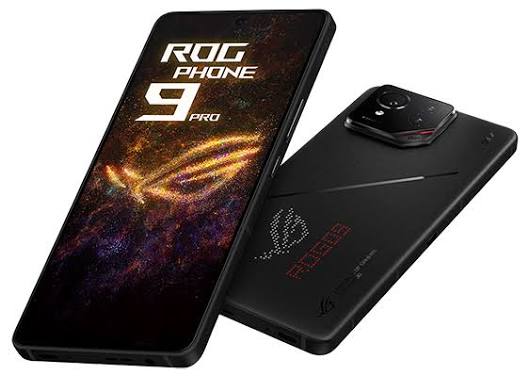
The ROG Phone 9 Pro remains the most complete gaming package money can buy in 2026, and it isn't especially close. ASUS pairs Qualcomm's Snapdragon 8 Elite Gen 5 with up to 24GB of LPDDR5X RAM and a 165Hz LTPO AMOLED panel, a combination that produced the highest sustained frame rates in our testing across the entire flagship field.
What separates it from every other phone on this list is the hardware bolted onto it. The AeroActive Cooler ships in the box with the Pro model and actively vents heat out of the chassis, so performance stays flat during marathon sessions where rivals quietly drop frames. The AirTrigger ultrasonic shoulder buttons register presses without moving parts, and the side-mounted USB-C port means the charging cable stays out of your hands during landscape play.
A 5,800mAh battery rounds out the spec sheet. At roughly $1,099, it costs more than most competitors here, but no other 2026 phone combines this level of sustained performance with dedicated gaming controls. For players who treat mobile as a primary platform rather than a commute distraction, it's the reference device.
2. REDMAGIC 11 Pro
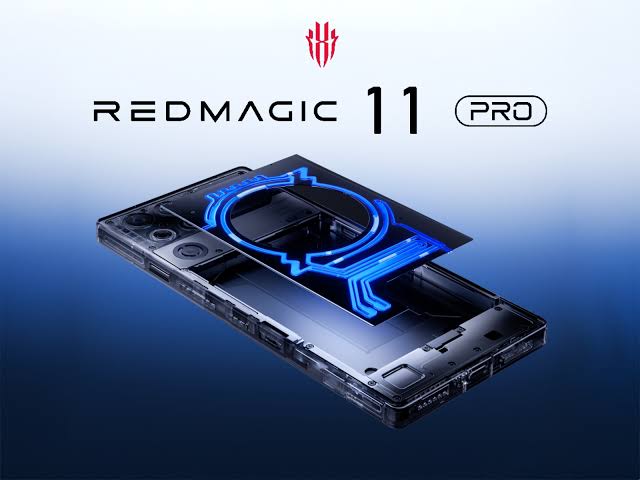
If the ROG Phone wins on polish, the REDMAGIC 11 Pro wins on endurance. Its 7,050mAh+ silicon-carbon battery outlasted every competitor in our battery-drain tests, and the built-in high-speed internal fan makes it the phone most often cited as the 2026 sustained-performance leader in independent thermal testing.
The spec list reads like a gaming wishlist: 120W charging that refills that massive cell in well under an hour, a 165Hz AMOLED screen, and shoulder triggers. At roughly $749, it undercuts the ASUS by about $350 while matching or beating it on thermal endurance. The compromises are real but narrow - software polish and accessory ecosystem trail ASUS, and the camera system won't impress anyone.
For pure gaming value at the high end, this is the pick. Buyers who want a phone that games brilliantly and handles everything else competently should look at the Samsung entries further down.
3. Samsung Galaxy S26 Ultra
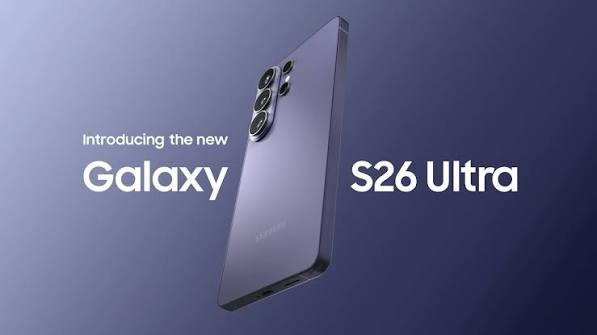
Samsung's $1,299 flagship is the best "gaming-plus-everything" phone of 2026. The overclocked Snapdragon 8 Elite Gen 5 (branded "for Galaxy") handles ray-traced mobile titles without complaint, and a large vapor-chamber cooling system keeps thermals in check during extended sessions.
Where the Ultra pulls ahead of dedicated gaming phones is everywhere else. The 6.9-inch 120Hz AMOLED display is the best panel on this list for both games and video, the 200MP camera system has no equal among gaming-focused devices, and Samsung's seven-year software support commitment is the longest in the Android ecosystem. That matters for anyone spending four figures on a phone.
It lands at #3 rather than higher because it lacks the shoulder triggers and active cooling of the top two. Under sustained load, its vapor chamber can't match a physical fan. But as a single device that games at an elite level and does everything else at an elite level, nothing else here comes close.
4. Apple iPhone 17 Pro Max
Apple's A19 Pro chip continues to top single-core benchmarks and delivers best-in-class GPU efficiency, and the iPhone 17 Pro Max is the phone we'd hand to a mobile esports competitor who wants iOS. The 6.9-inch 120Hz ProMotion display responds instantly, and Metal-based AAA console ports - a growing category in 2026 - run flawlessly on Apple silicon.
The catch is thermal headroom. Under sustained load, the iPhone 17 Pro Max throttles sooner than the dedicated gaming phones above it, a limitation of its chassis design rather than its chip. There are no shoulder triggers, no active cooling, and no gaming-specific hardware to speak of. At roughly $1,199, you're paying for raw performance and iOS optimization, not gaming accessories.
For players who split time between premium titles and everything else Apple does well, it's an easy recommendation. For marathon session players, the phones above it will hold frames longer.
5. RedMagic 10 Pro+
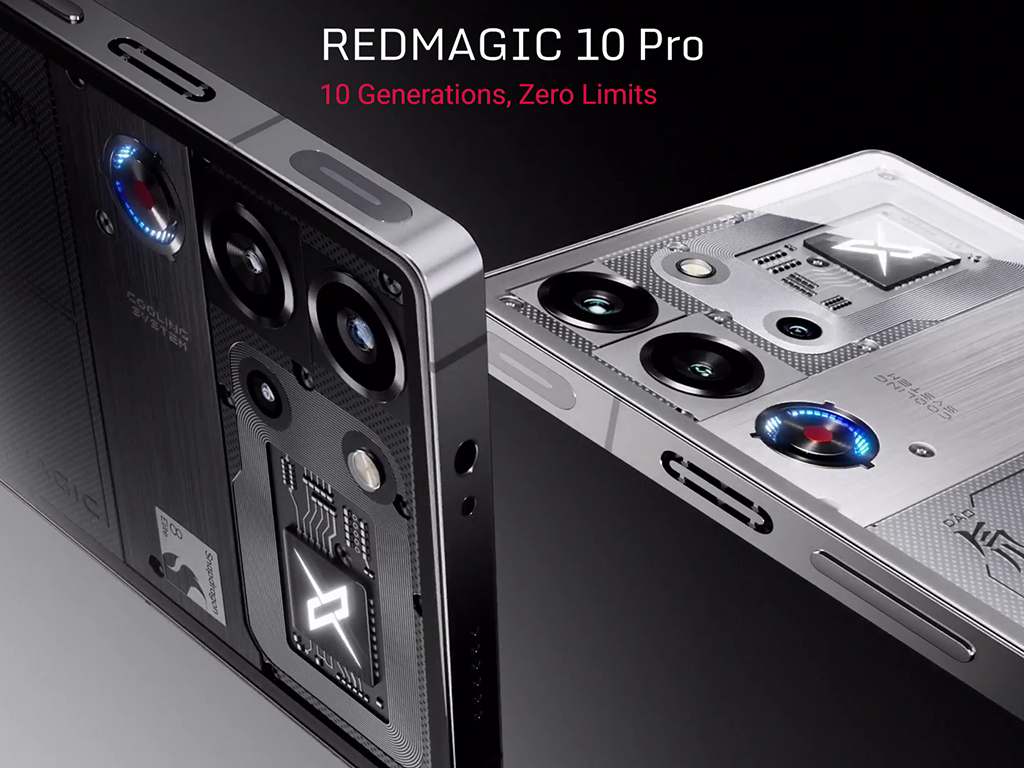
The RedMagic 10 Pro+ is last year's flagship that refuses to leave the conversation. At roughly $649, it pairs the Snapdragon 8 Elite with a 7,050mAh battery and 120W charging - the same endurance formula that makes its successor so formidable - for hundreds less.
Its 144Hz display, under-display camera, and integrated cooling fan make it a pure gaming machine. The trade-off is straightforward: the 11 Pro is now the better phone, with a newer chipset and refined thermals, but the price gap makes the 10 Pro+ the smarter buy for anyone who doesn't need the absolute latest silicon. Stock availability has tightened since the 11 Pro launched, so buyers should check regional availability before committing.
6. Poco F9 Pro
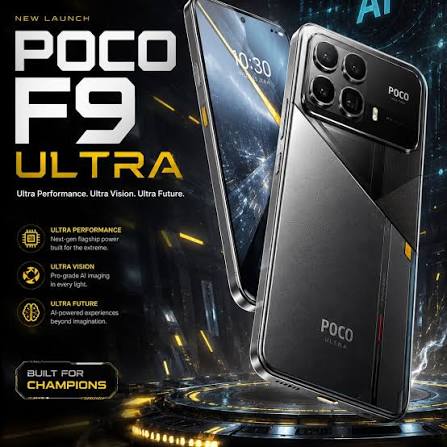
Budget gaming phones usually force a choice between frame rates and everything else. The Poco F9 Pro mostly dodges that trade-off. At roughly $400 to $450, it delivers flagship-class processing power - about a third of what the premium gaming phones cost - alongside a 120Hz AMOLED display.
Reviewers consistently flag the camera as its weak point, which matters little to anyone focused on thermals and frame pacing. What you give up versus the top-tier devices is dedicated cooling hardware and shoulder triggers, so sustained performance drops off faster under heavy load. Still, for players on a strict budget, nothing else in 2026 offers this much gaming performance per dollar.
7. Samsung Galaxy S26+
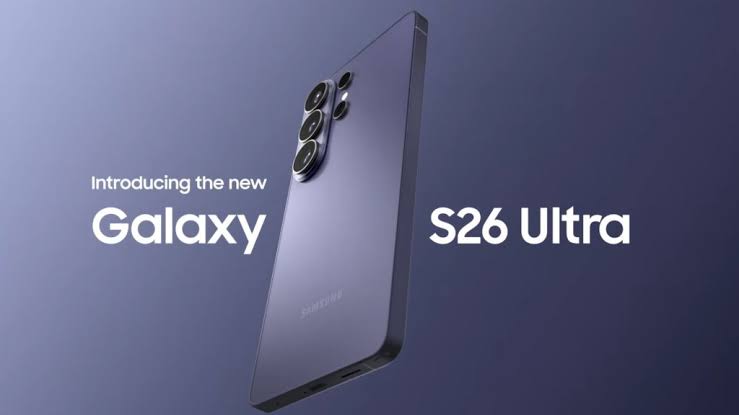
The Galaxy S26+ carries the same overclocked Snapdragon 8 Elite Gen 5 as the Ultra in a smaller, lighter 6.7-inch chassis, which makes it noticeably more comfortable for long handheld sessions. Ray tracing support and Samsung's Game Booster optimization suite carry over intact.
At roughly $999, it delivers near-Ultra gaming performance for $300 less. The trade-offs are a smaller battery and a smaller 120Hz AMOLED display than its larger sibling. Neither is disqualifying, but marathon players will notice the battery difference. For gamers who want Samsung's software support and optimization without paying Ultra prices, this is the sensible middle ground.
8. Xiaomi 16 Pro
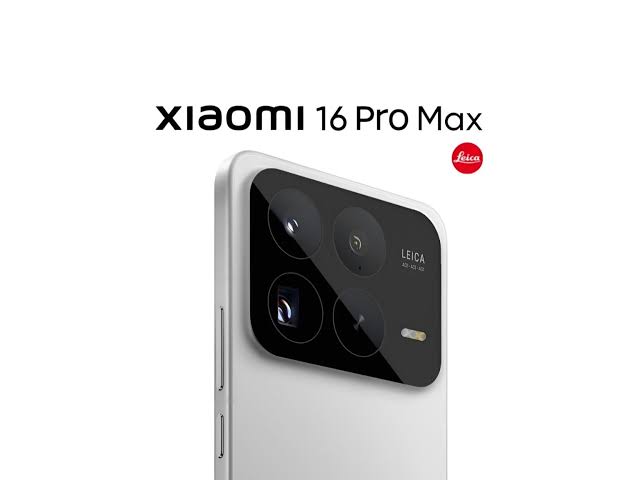
Xiaomi's 2026 flagship combines the Snapdragon 8 Elite Gen 5 with a 120Hz LTPO display and HyperOS game-tuning features that keep frame rates high and stable. A large vapor chamber and 100W charging keep it competitive during extended sessions, and at roughly $899 it slots neatly between Samsung's two entries.
Where it falls short is gaming-specific development. There are no shoulder triggers, no active cooling, and Xiaomi's gaming software features are less mature than what RedMagic and ASUS offer. It's a powerful, well-rounded performer that games very well - just not a device built around gaming first.
9. RedMagic 10 Pro
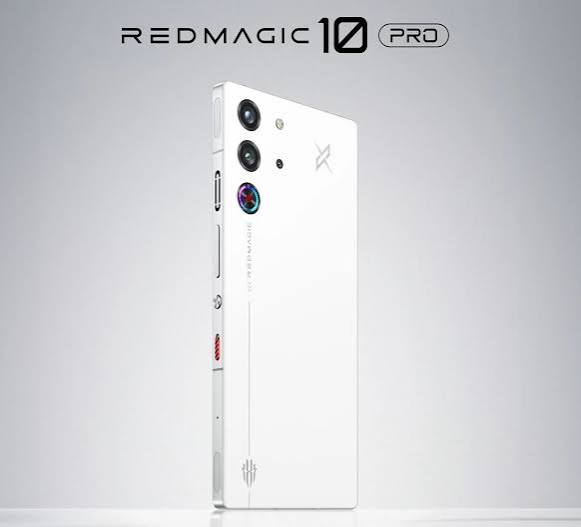
The standard RedMagic 10 Pro carries the same core gaming DNA as the Pro+ - active cooling fan, shoulder triggers, 144Hz display - at an even lower price of roughly $599. The Snapdragon 8 Elite and 6,500mAh battery handle most titles without strain.
The compromises versus the Pro+ are a slightly smaller battery and slower charging, both of which show up in endurance testing. Newer 2026 releases have also edged it down this list. Still, for budget-conscious buyers who want genuine gaming hardware rather than a repurposed flagship, it remains an excellent pick - particularly for players who prioritize the fan and triggers over raw benchmark scores.
10. Black Shark 6 Pro
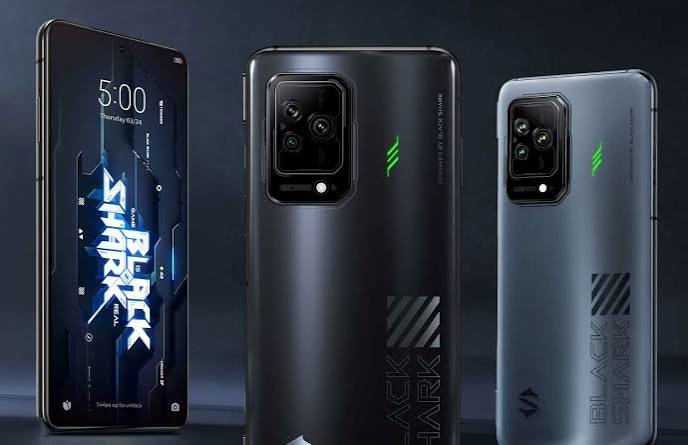
Black Shark's latest continues the brand's gaming-first tradition with magnetic pop-up shoulder triggers, a dedicated gaming mode, and aggressive thermal management. At roughly $550, it's frequently listed among the best gaming smartphones of 2026 in regional buyer's guides, largely on the strength of its performance-to-price ratio.
It ranks last here for practical reasons rather than performance ones. The Snapdragon 8-series chipset trails the Elite Gen 5 generation, software support is shorter than what Samsung and Apple offer, and global availability remains limited compared with the other nine phones. Buyers in regions where Black Shark has strong distribution will find solid dedicated gaming features for the money. Everyone else should weigh the import hassle against the savings.
The best gaming phones in 2026 split cleanly into two camps. If mobile gaming is your primary platform, the ASUS ROG Phone 9 Pro and REDMAGIC 11 Pro are the only phones here built around sustained performance first - active cooling, shoulder controls, and batteries that survive marathon sessions. The REDMAGIC is the value play at $749; the ROG is the no-compromise pick at $1,099.
Related Posts




0 Comments
Join the discussion and share your thoughts
No Comments Yet
Be the first to share your thoughts on this article!