Top 10 Best Football Club Owners In African 2026

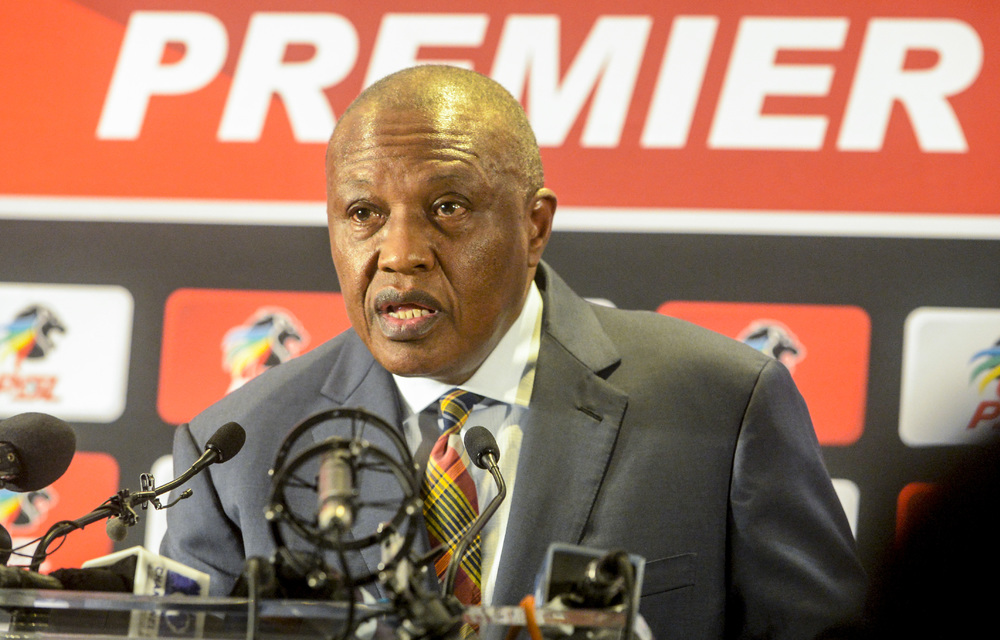
Table of Contents
The landscape of African football is undergoing a transformation, with influential owners acting as the driving force behind the expansion of the sport through strategic investments and visionary leadership. This ranking of the top 10 best football club owners in Africa for 2026 is presented below, with an emphasis on the contributions these individuals and entities have made to the sport, their respective clubs, and the larger football ecosystem. To build this list, we weighed criteria including the scale of financial investment, on-field success in domestic and continental competitions, the longevity and stability of the ownership, the quality of club infrastructure and youth development, and the broader impact on African football culture. The result is a mix of billionaires, corporate groups, political figures, and former players who are reshaping the game from Cairo to Cape Town.
The Top 10 Best Football Club Owners In African 2026:
1. Patrice Motsepe
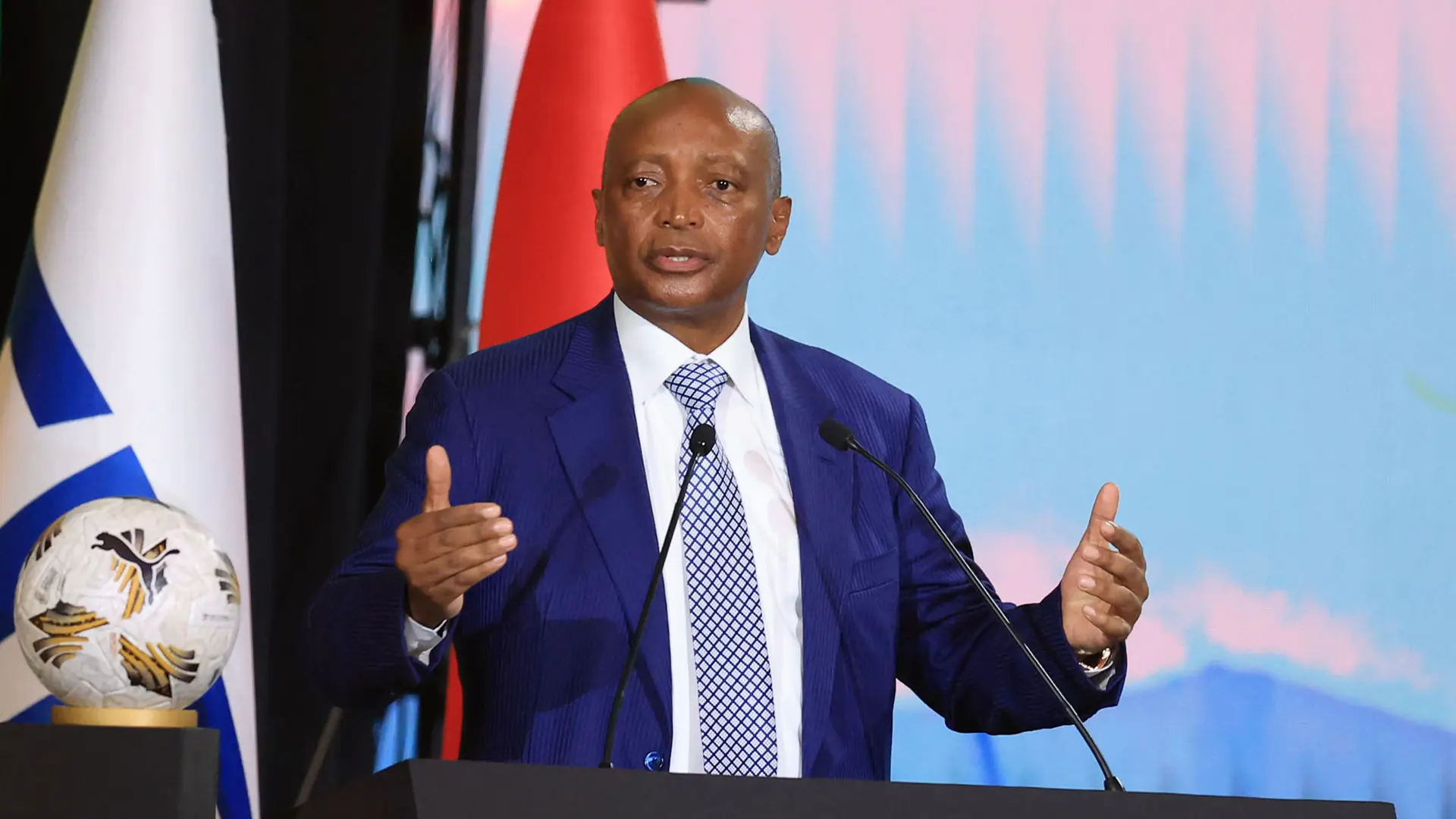
Patrice Motsepe, the South African mining magnate and current President of the Confederation of African Football (CAF), sits atop our list. According to Forbes Africa (2024), his estimated net worth is approximately US$3.2 billion. Motsepe purchased Mamelodi Sundowns in 2004 and has since transformed the club into the most dominant force on the continent. Sundowns have won eight or more South African Premier Soccer League titles since 2013 and captured the CAF Champions League in 2016. The club is frequently cited as a reference model for professional management and sports science in Africa, with top-level facilities, a strong youth structure, and the recruitment of elite coaches. Motsepe ranks first because he combines continental-level football influence, consistent on-field success, and long-term financial stability at an elite scale. His leadership at CAF also gives him a hand in shaping the entire ecosystem of African football.
2. Mohammed VI
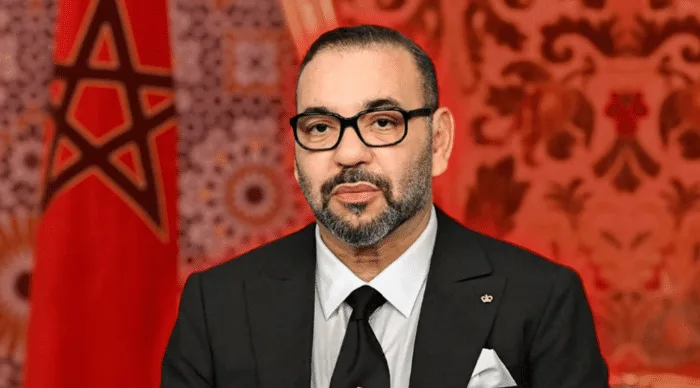
King Mohammed VI of Morocco ranks second, though his role is indirect but decisive. Through state-backed funding, the Moroccan monarchy has invested over US$200 million in football infrastructure from the 2010s through the 2020s. This includes the Mohammed VI Football Complex, which opened in 2019 and serves as a national center of excellence. This investment has elevated clubs like Wydad Casablanca and Raja Casablanca, turning them into among the best-supported and professionally structured clubs in Africa. Wydad won multiple CAF Champions League titles in 2017 and 2022, while Raja has also been a frequent continental champion and finalist. The centralized investment in academies, sports science, and stadiums has not only strengthened Moroccan clubs but also powered the national team's rise. The King's influence is strategic and long-term, making him a unique owner in this ranking.
3. Moise Katumbi
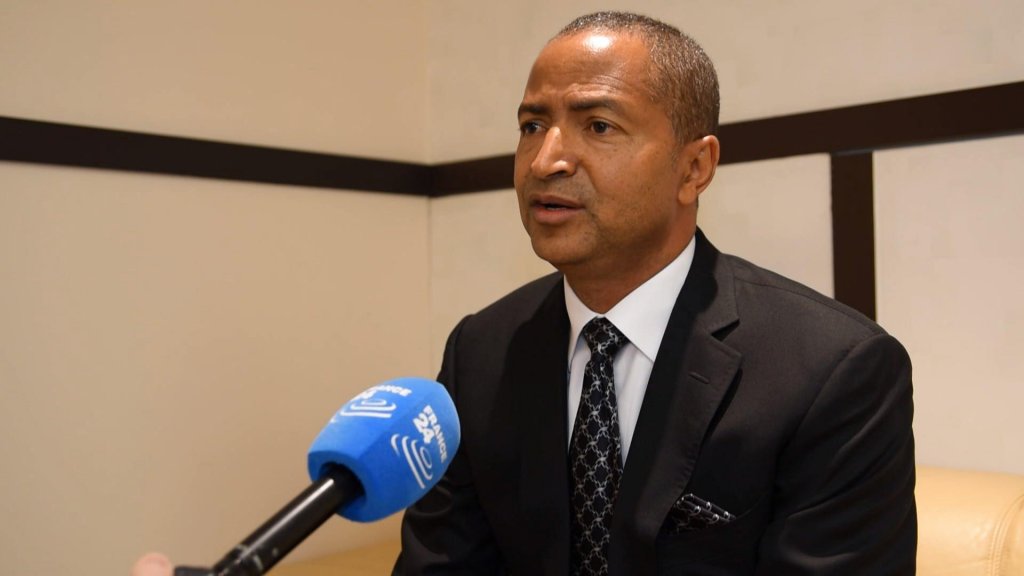
Moise Katumbi, a prominent businessman and politician from the Democratic Republic of Congo, has owned and financed TP Mazembe since the late 1990s. Under his leadership, the club has won the CAF Champions League five times (1967, 1968, 2009, 2010, and 2015) and reached the FIFA Club World Cup final in 2010, a historic achievement for an African side. Katumbi transformed Mazembe from a strong local side into a continental powerhouse, building one of Africa's best private stadiums (Stade TP Mazembe) and solid training infrastructure. His investments have supported high-profile signings and a structured academy system that regularly produces top players. TP Mazembe's sustained continental success and professional organization are widely associated with his direct oversight and funding. He ranks third because of the club's continental trophy haul and pioneering professionalization in Central Africa.
4. John Comitis
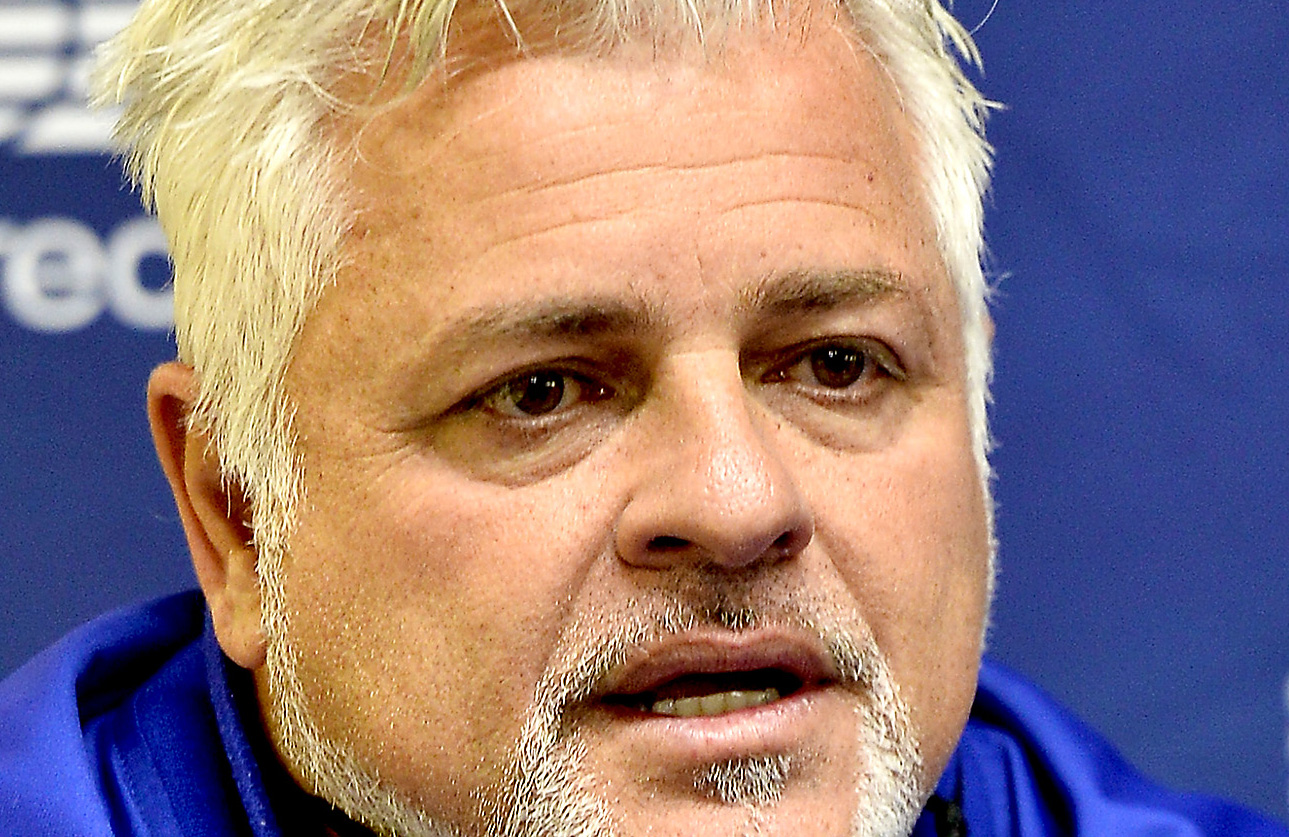
John Comitis has a long track record in South African football management. He first made his mark as a leading figure behind Ajax Cape Town's youth-development-driven model. In 2016, he founded Cape Town City FC and has served as its chairman ever since. Under his leadership, the club won the MTN 8 in 2016 and the Telkom Knockout in the same year, and has maintained stable top-half finishes in the Premier Soccer League. Comitis has focused on sustainable operations, strong branding, and a competitive squad despite a smaller budget than giants like Sundowns and Orlando Pirates. The club is noted for good fan engagement, competitive performance, and professional administration. He ranks fourth as one of the best examples of a mid-budget owner delivering stability, trophies, and an attractive football product.
5. Vincent Bollore / Canal+ Group
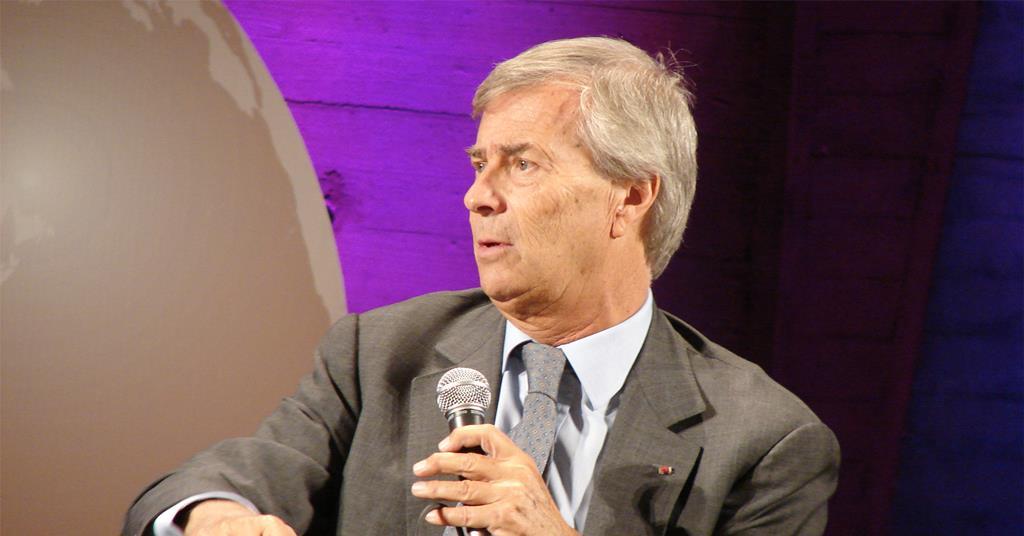
Vincent Bollore, through the Canal+ Group and corporate ties to the cotton industry, has helped Coton Sport FC de Garoua become Cameroon's dominant club. Coton Sport has won 15 or more Cameroonian league titles and reached the CAF Champions League final twice, in 2008 and 2013. The club's structured management, talent export to Europe, and consistent continental participation are hallmarks of this ownership. While the ownership structure is partly corporate rather than individual, the club has been administratively stable compared with many regional rivals, and its scouting network is highly regarded. This model has produced numerous internationals for Cameroon and other African countries. This ownership ranks fifth because of its long-term consistency, professional systems, and strong competitive record.
6. Kaizer Motaung
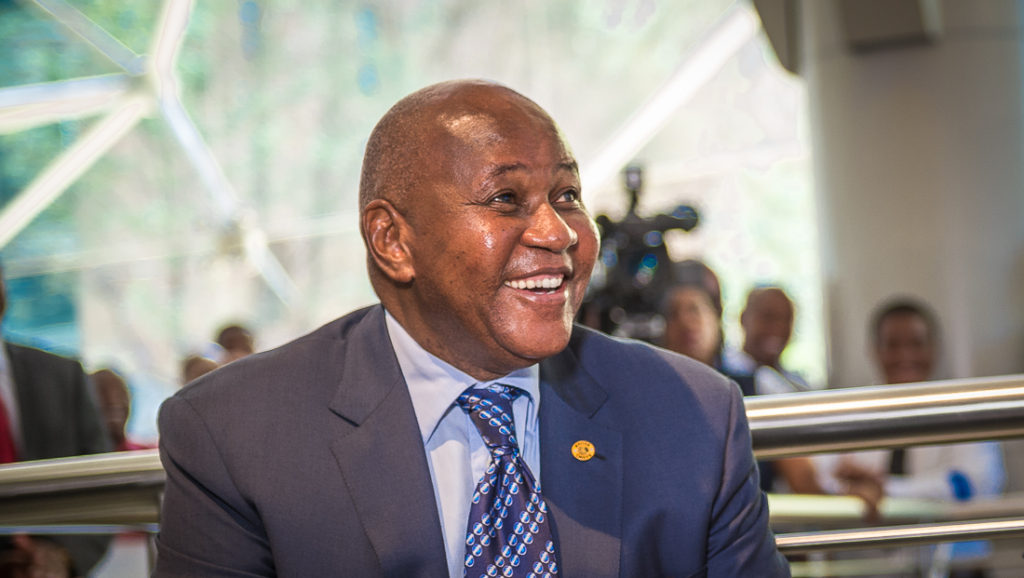
Kaizer Motaung founded Kaizer Chiefs in 1970 after playing for the Atlanta Chiefs in the United States. He has built the club into one of Africa's best-known and commercially powerful institutions. Kaizer Chiefs reportedly have over 16 million fans in South Africa and have won more than 50 major domestic trophies since 1970, including multiple league titles. Under his leadership, the club has secured lucrative sponsorships, built a huge fan base, and established a reputation for strong brand identity and marketing. While on-field results have fluctuated in the 2020s, the club's business strength, academy, and cultural significance remain high. He ranks sixth because of his pioneering role in professional club ownership and the scale of Chiefs' brand and support base in African football.
7. Irvin Khoza
Irvin Khoza, known as "The Iron Duke," has been at the helm of Orlando Pirates since the 1990s. Under his leadership, the club won the CAF Champions League in 1995 and the CAF Confederation Cup in 1996, and they have remained consistently competitive in the Premier Soccer League. Khoza has also played a major role in South African football governance, including leadership in the 2010 FIFA World Cup Local Organising Committee. Orlando Pirates are known for solid commercial deals, large attendances, and a strong developmental pathway. The club remains one of the top two most supported in South Africa. He ranks seventh as a long-serving, influential owner whose club combines history, fan power, and regular contention for trophies.
8. Emmanuel Adebayor

Former Arsenal and Real Madrid striker Emmanuel Adebayor has used his wealth and profile to support club and academy structures in Togo. His post-playing investments include funding for training facilities and academies linked to Semassi FC and youth structures in Lome, impacting hundreds of youth players annually in the 2020s. While not comparable in size to South African or North African giants, his role is notable for direct financing of pitches, equipment, and young player scholarships in a smaller market. Adebayor's ownership and part-ownership is often cited as a model for ex-players reinvesting in domestic football ecosystems. He ranks eighth because his impact is more developmental and localized, but still highly positive and relatively well-run compared with many West African peers.
9. Sayed Al-Badawi
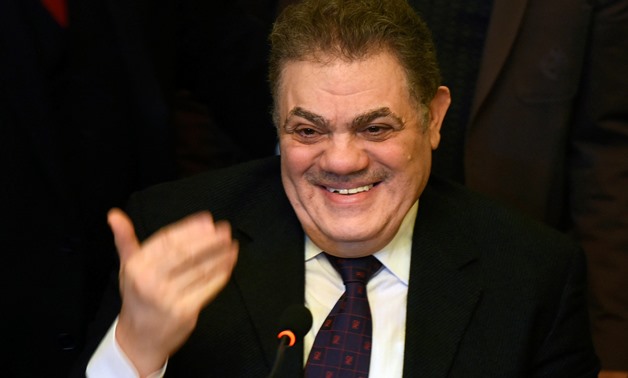
Under early private ownership starting in 2018, Pyramids FC in Egypt became one of the highest-spending clubs in Africa. The club, originally Al Assiouty Sport, was rebranded as Pyramids FC with heavy private investment that brought in high-profile players and coaches. The budget reportedly exceeded US$20 to 25 million per season, quickly pushing the team into the top three of the Egyptian Premier League and deep into the CAF Confederation Cup. While managerial turnover was high, the ownership demonstrated the capacity to build a competitive squad and professional marketing operation in a short period. The project also forced traditional giants like Al Ahly and Zamalek to respond to a new financial power in the league. This ownership ranks ninth because of significant resources and rapid on-field improvement, balanced against relative instability and a limited long-term track record.
10. Local Business Consortium (Simba SC)
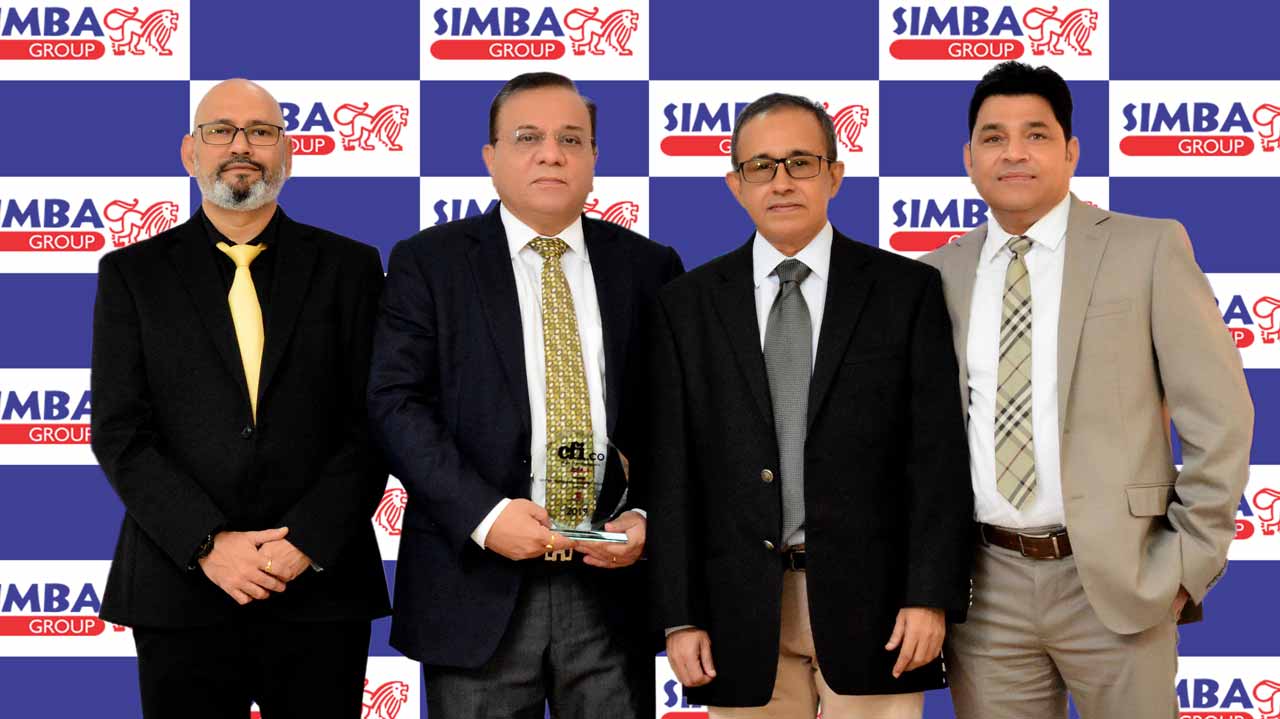
Simba SC's ownership shifted to a structured shareholding model in the late 2010s, with a Tanzanian business consortium taking the majority stake and increasing annual budgets and commercial activity. Simba have won more than 20 Tanzanian league titles and reached the CAF Champions League quarterfinals and semifinals multiple times from 2018 to 2022. Investments in player recruitment, modern marketing, and stadium match-day experiences have made Simba one of East Africa's fastest-growing clubs in terms of brand and regional performance. The club has become a regular presence in CAF group stages and a major exporter of talent from the region. This ownership ranks tenth because it is a strong emerging example of modern club management and commercialization, albeit with a shorter high-level track record than the owners placed above.
African football club ownership is entering a new era. From billionaires like Patrice Motsepe to former players like Emmanuel Adebayor, these 10 owners represent a diverse mix of capital, vision, and commitment. Their investments in infrastructure, youth development, and professional management are raising the standard of the game across the continent. As more capital flows in and governance improves, the best football club owners in Africa will continue to drive the sport's growth for years to come.
Related Posts

1 Comment
Join the discussion and share your thoughts