Top 10 Best Fashion Brands In Italy 2026

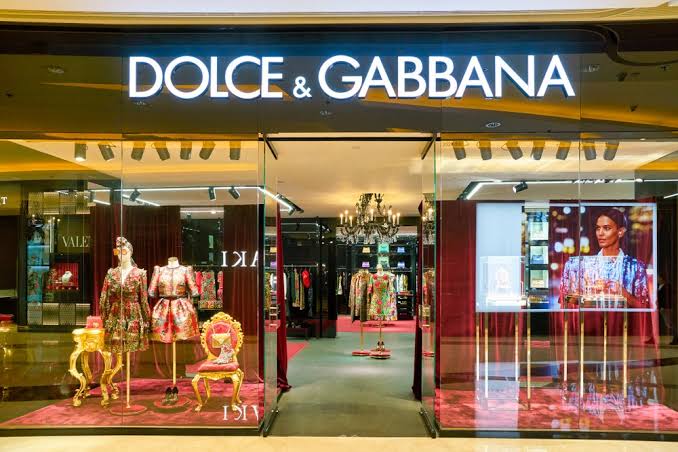
Table of Contents
Our rankings for the top Italian fashion brands of 2026 combine multiple data sources to capture both commercial power and cultural influence. We weighed 2026 BrandZ brand valuations, 2026 Sourceready export data, and revenue figures from Statista, then cross-referenced these with industry surveys on brand recognition. The result balances financial performance with heritage, craftsmanship, and cultural relevance. Where rankings differed across sources, we prioritized brand value and market position, with export data serving as a secondary measure of global reach.
Why Italian Fashion Still Sets the Global Standard
Italy produces roughly one-third of the world's luxury goods, and its fashion houses operate with a level of craft tradition that mass-market competitors cannot replicate. The top 10 best fashion brands in Italy 2026 represent more than commercial success. They embody a specific approach to clothing that treats garments as art objects, where hand-finishing, fabric selection, and construction techniques matter as much as the design itself.
What separates Italian fashion from other luxury markets is the concentration of expertise. In Milan, Florence, and Rome, workshops still employ artisans who have spent decades perfecting specific skills. Leather workers, pattern cutters, and seamstresses pass techniques down through generations. This infrastructure supports the brands on our list and explains why their products command premium prices worldwide.
The Italian luxury sector generated $27.7 billion in combined brand value across just six houses in the 2026 BrandZ ranking. That concentration of value in a handful of heritage brands is unique to Italy. No other country's fashion industry is so dominated by family-founded houses that have maintained their identities across multiple generations.
These Are The Top 10 Best Fashion Brands In Italy 2026:
1. Gucci
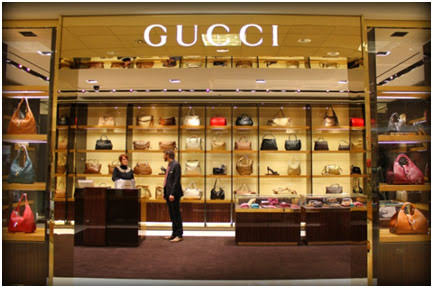
Gucci sits at the top of Italian fashion for good reason. The house was founded in Florence in 1921 by Guccio Gucci as a leather goods and luggage company, and it only expanded into clothing in 1968. That origin story matters. The brand's leather heritage still anchors its identity, even as it has become a full luxury house.
Gucci's transformation into a global powerhouse came in the 1990s under Tom Ford's creative direction. Ford's hypersexual, provocative brand image was a radical departure from the house's earlier conservative elegance. It worked. Gucci became the most talked-about brand in fashion, and that cultural momentum has never fully dissipated.
In the 2026 BrandZ ranking, Gucci holds a $13.8 billion brand value, making it the second most valuable brand in Italy overall and the most valuable luxury label in the country. The brand's cultural influence extends far beyond sales figures. The GG canvas, bamboo bag, and Jackie bag are instantly recognizable symbols of Italian luxury.
Gucci's appeal skews young. Gen Z and millennial consumers are predicted to make up 40% of the luxury market by 2035, and Gucci has positioned itself to capture that demographic more effectively than most heritage houses. Even with headwinds in key markets like China and the United States, Gucci's cultural relevance keeps it at the pinnacle of Italian fashion.
2. Prada
Prada approaches luxury differently than Gucci. Founded by Mario Prada in 1913 as a Milan leather-goods shop, the brand has become synonymous with a quieter, more intellectual style of dressing. Where Gucci shouts, Prada whispers. That contrast has served both houses well.
The Prada Group is currently the hottest Italian luxury entity, and much of that energy comes from Miu Miu's explosive growth. The younger sister brand has captured the "Zillennial" market through heavy investment in retail excellence and ultra-luxury positioning. The halo effect is lifting the main Prada brand alongside it, particularly in leather goods and high-end accessories.
Prada's genius lies in treating utilitarian textiles with the same reverence and finishing techniques as fine silk. Nylon, which other luxury houses would never touch, becomes a statement material in Prada's hands. This approach requires exceptional sewing precision and explains why the brand ships fewer, higher-value items. In 2026 export data, Prada shipped just 39,390 units with a total value of $52.3 million, reflecting its ultra-luxury positioning.
The brand's 2026 BrandZ valuation of $4.5 billion understates its current momentum. Prada's intellectual approach to fashion has made it the favorite of editors, stylists, and fashion insiders, and that influence translates into commercial strength.
3. Giorgio Armani
Giorgio Armani reshaped modern tailoring in 1975 by deconstructing the traditional suit. He removed stiff canvas linings, lowered the gorge, and used softer, fluid fabrics like crepe and lightweight wools. The result was a streamlined silhouette that felt revolutionary at the time and remains the high-water mark for what modern tailoring should be.
Armani's influence on how men dress cannot be overstated. Before Armani, suits were structured and formal. After Armani, they became softer and more fluid, adapting to the body rather than reshaping it. That philosophy extends across the brand's ready-to-wear, casualwear, and accessories lines.
Armani is one of the few major Italian fashion houses that remains privately held. Giorgio Armani, now in his 90s, still controls the company he founded. This independence has allowed the brand to maintain its identity without shareholder pressure, and it remains an independent pillar of Italian elegance.
The brand leads all Italian luxury fashion houses in export volume, shipping 660,154 units worth $149.8 million in 2026. As tailoring stages its comeback, the designers who built their brands around suits are being thrust back into the spotlight. Armani leads this resurgence.
4. Fendi
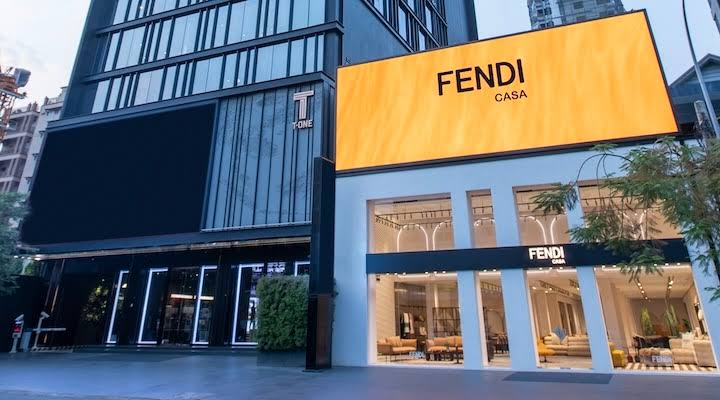
Fendi was founded in Rome in 1925 by Adele and Edoardo Fendi, and the house is widely known for exceptional craftsmanship in leather goods and fur. The brand's Roman heritage is central to its identity, and it remains one of the few major luxury houses headquartered outside Milan.
In the 2026 BrandZ ranking, Fendi holds a $4.9 billion brand value, placing it 8th overall among all Italian brands. What stands out about Fendi is how it pairs its rich legacy with innovation. The brand tailors its communications and product strategy to key markets through localized collaborations, immersive experiences, and omnichannel activation.
Fendi's commitment to art and culture runs deep. The house opened the Fendi Private Suites in Rome in 2015 and sponsored the restoration of the Trevi Fountain. These gestures connect the brand to its city in ways that feel authentic rather than transactional.
The iconic Baguette bag and Peekaboo bag remain cultural touchstones, and the "FF" logo is recognized globally. Fendi balances heritage with contemporary relevance more effectively than most heritage houses, making it one of the most resilient Italian luxury brands.
5. Valentino
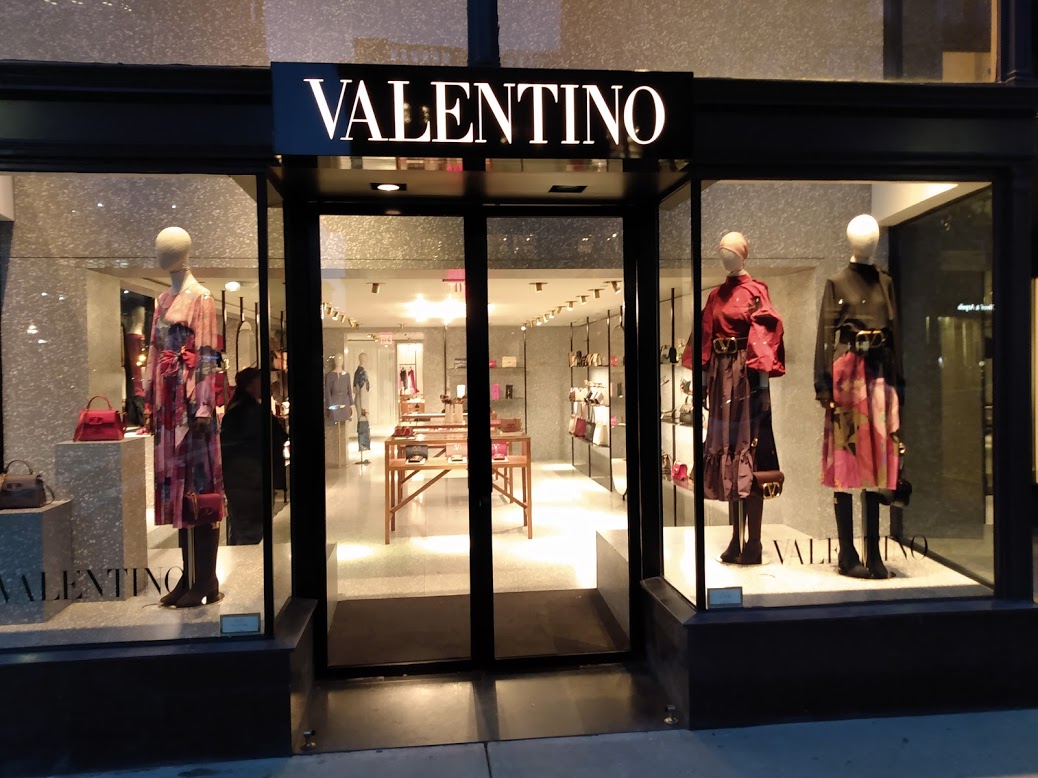
Valentino represents the romantic, highly decorative side of Italian fashion. The house is known for "Valentino Red" and exquisite lacework that define pure, unadulterated glamour. Where some Italian brands pursue minimalism, Valentino embraces ornamentation and drama.
The brand's contemporary collections, designed by Pierpaolo Piccioli, are applauded when the designer reinterprets the house's classic aesthetic with modern sensibilities. Piccioli's work has brought Valentino to a new generation while respecting the brand's codes.
Valentino ships the fewest units among major Italian luxury houses, just 22,655 in 2026 with an export value of $40.5 million. That reflects an ultra-luxury positioning where each piece carries exceptional value. The house's philosophy holds that elegance never dies, and dressing like an Italian is about picking refined pieces that embrace both past and present.
Valentino's ateliers in Rome continue to produce haute couture that rivals Parisian houses. The craftsmanship on display is extraordinary, and the brand remains the standard of Italian haute couture.
6. Dolce & Gabbana
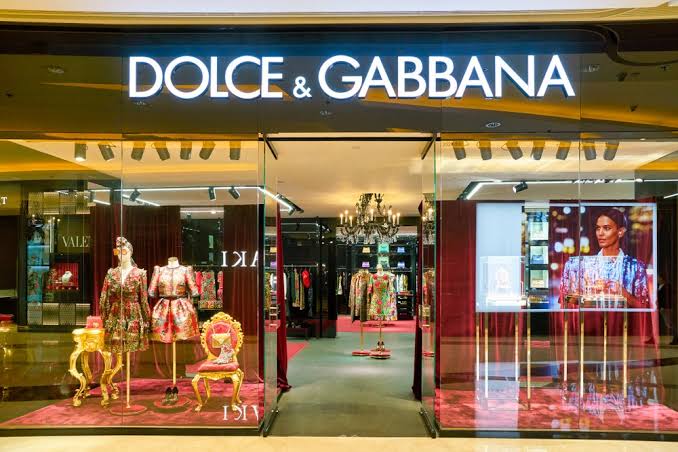
Dolce & Gabbana was founded in 1985 by Domenico Dolce and Stefano Gabbana, and the house celebrates Mediterranean passion, bold prints, and unapologetic sensuality. The Sicilian-inspired aesthetic draws heavily on the island's culture, religious iconography, and traditional Italian craftsmanship.
In 2026 export data, Dolce & Gabbana leads all Italian fashion brands in export value at $192.2 million. The brand ships 92,963 units, which is a relatively low count for that revenue, indicating premium pricing per item. This is a house that sells fewer pieces at higher prices, and the strategy works.
Dolce & Gabbana's designs are characterized by lace, corsetry, and dramatic eveningwear. The brand has also built a powerful accessories and fragrance business that extends its reach beyond clothing. The distinctive identity makes the house instantly recognizable, whether in a black lace dress or a gold-embellished blazer.
The brand has faced both controversy and acclaim over the years, but its commercial success and distinctive identity keep it among Italy's most important fashion houses. Few brands have a point of view as clearly defined as Dolce & Gabbana.
7. Bottega Veneta
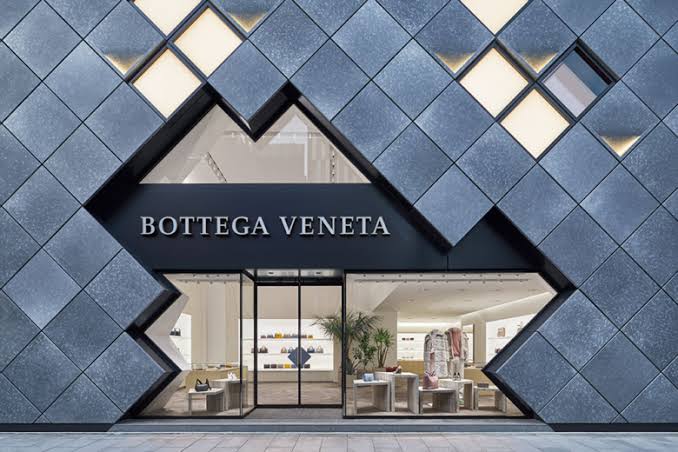
Bottega Veneta operates on a "quiet luxury" philosophy, famously avoiding visible logos in favor of craftsmanship that speaks for itself. The brand is renowned for its signature Intrecciato technique, which involves weaving strips of supple leather by hand. This craft requires exceptional skill and patience, and it produces a texture that is immediately recognizable to those in the know.
In apparel, Bottega relies on heavy, sumptuous fabrics with immaculate interior finishing, including French seams and bound edges. The attention to detail is extraordinary, and the brand's pieces reward close inspection.
Under recent creative directors, Bottega Veneta has experienced a resurgence. The brand has become a favorite among fashion insiders for its understated elegance, and the Jodie bag and padded cassette bag have become modern icons. The 2026 ExploreTex survey ranked Bottega among the top 10 most recognized Italian fashion brands.
Bottega proves that discretion can be just as desirable as overt branding. In an era of logo saturation, the brand's restraint feels refreshing, and its commercial success validates that approach.
8. Versace
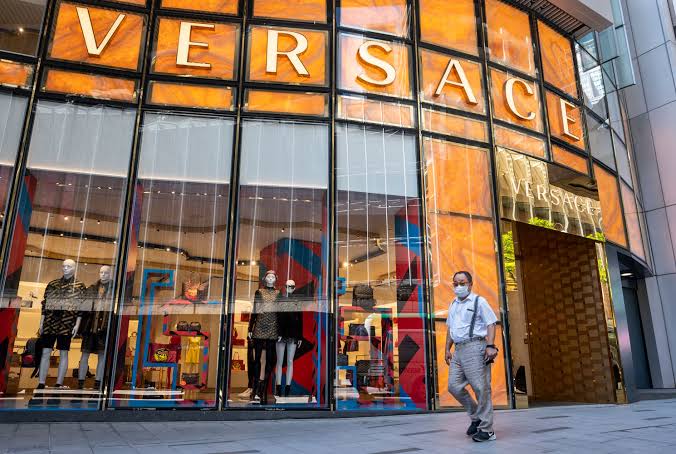
Gianni Versace, often called the "Rock and Roll designer," founded the house that bears his name with a clientele that included Michael Jackson, Elton John, Tupac Shakur, and Madonna. The brand's designs, inspired by punk subculture and Indian saris, produced the famous "Safety pin dress" that became a cultural icon of the 1990s.
Versace is known for daring, bold designs featuring gold fringe, Medusa heads, and baroque prints that celebrate excess and glamour. The brand does not do subtle. It does not do quiet. It embraces everything loud, colorful, and extravagant, and that identity has proven remarkably durable.
Elizabeth Hurley's safety-pinned dress and Jennifer Lopez's jungle dress remain defining moments in red-carpet fashion history. Both were Versace, and both demonstrated the brand's ability to create cultural moments that transcend fashion.
The 2026 World Fashion Exchange ranking places Versace among the world's top 10 most valuable luxury fashion brands. The house has expanded into accessories, fragrances, and home decor, becoming a complete lifestyle brand associated with luxury and celebrity.
9. Salvatore Ferragamo
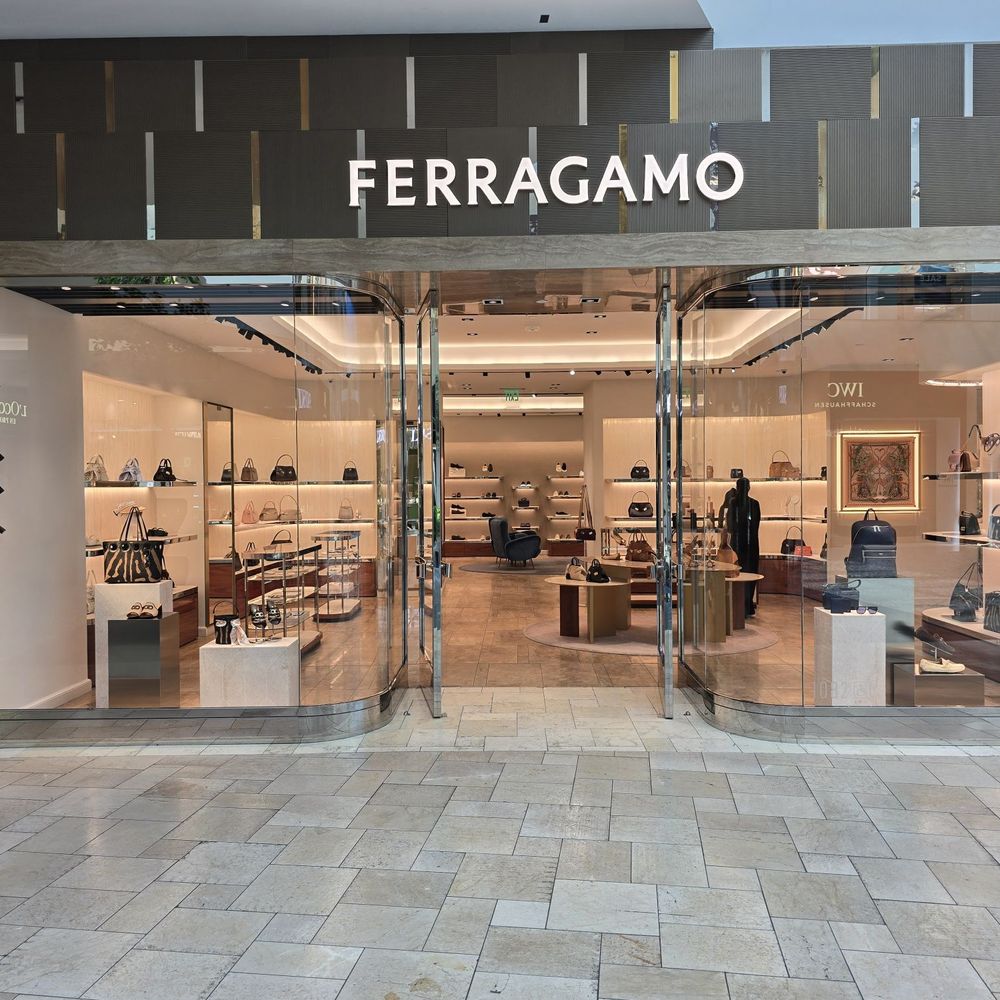
Salvatore Ferragamo is celebrated as the "shoemaker to the stars," having crafted footwear for Hollywood legends since the 1920s. The brand was founded in Florence, and its expertise in leather craftsmanship extends to handbags, silk accessories, and ready-to-wear, all produced with meticulous Italian attention to detail.
Ferragamo's worldwide revenues reached over €1.3 billion in 2024, with footwear remaining its core product category. The brand's 2026 export data shows $35.6 million in value across 111,033 units, a healthy volume that reflects its position as a more accessible luxury house.
The Vara bow and iconic wedge heels remain symbols of refined Italian elegance. These designs have been in production for decades, and their enduring appeal speaks to the quality of the original designs. Ferragamo has undergone recent creative reinvention while maintaining its heritage of innovation in materials and comfort.
10. Missoni
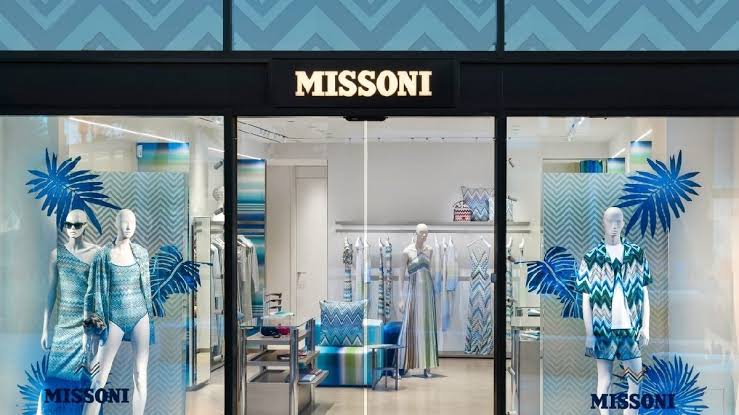
Missoni is the master of knitwear, founded in 1953 as a family-run house celebrated for its colorful, bohemian zig-zag patterns. The brand's manufacturing involves an incredibly complex process of yarn blending, tension control, and specialized loom operation that produces its distinctive optical effects.
Those patterns have become immediately recognizable symbols of Italian creativity and technical innovation in textile production. No other brand produces knitwear quite like Missoni, and the complexity of the process makes imitation difficult.
Missoni has expanded into home collections and collaborations while maintaining its position as the definitive name in luxury knitwear. For those seeking vibrant, artistic, and technically remarkable fashion, Missoni represents the joyful, experimental side of Italian style. It rounds out our top 10 with a reminder that Italian fashion is not just about tailoring and leather goods. It is also about color, pattern, and the pleasure of wearing something beautiful.
These 10 brands represent the current pinnacle of Italian fashion, but the industry is changing. The rise of Gen Z and millennial consumers is pushing heritage houses to adapt their strategies, and the brands that succeed will be those that balance tradition with contemporary relevance.
Related Posts


1 Comment
Join the discussion and share your thoughts