Top 10 Best E- Commerce Websites In France 2026

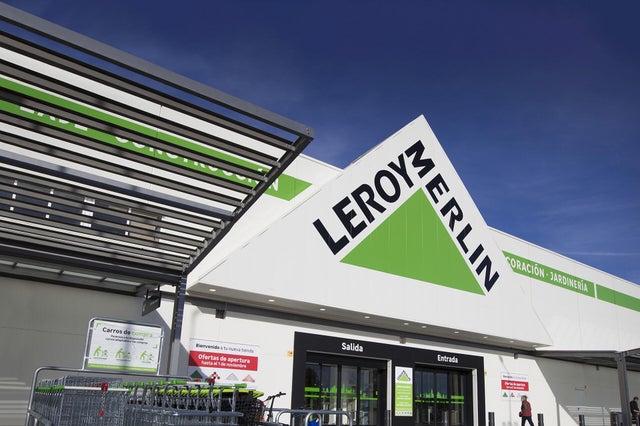
Table of Contents
France has become continental Europe's most contested online retail market, and the competition at the top of it has shifted noticeably over the past two years. To rank the top 10 best e-commerce websites in France for 2026, we weighed monthly traffic figures from ranking platforms such as Similarweb and Fevad's quarterly index, marketplace seller activity, revenue scale, and consumer trust signals drawn from French retail forums and review aggregators. Traffic alone wasn't enough to earn a spot: we also considered how deeply each platform is embedded in daily French shopping habits, whether through logistics networks, loyalty programs, or peer-to-peer communities. The result is a list where American giants, Bordeaux-born challengers, and a fast-rising wave of second-hand and discount platforms all compete for the same carts.
What stands out in 2026 is the fragmentation of the market. No single site owns French e-commerce the way Amazon once seemed destined to. Domestic players like Cdiscount and E. Leclerc have held their ground, classifieds platforms pull enormous traffic without selling a single item of their own inventory, and Chinese marketplaces have climbed the rankings faster than regulators can respond. Here are the ten platforms defining French online retail this year.
The Top 10 Best E-Commerce Websites In France 2026:
1. Amazon.fr

Amazon's French operation remains the benchmark every other platform on this list measures itself against. More than 35 million unique visitors pass through Amazon.fr each month, a figure no domestic competitor has come close to matching, and the site covers essentially every retail category from electronics and books to fresh groceries through Amazon Fresh in major metro areas.
The company's Fulfillment by Amazon network, anchored by distribution centers near Lyon, Lille, and Orléans, gives third-party sellers access to two-day delivery across most of the country. Prime membership penetration in France has grown steadily since the service launched, and by 2026 it functions as the default subscription for a large share of urban households.
Amazon has also faced mounting pressure in France. The Direction générale de la concurrence, de la consommation et de la répression des fraudes (DGCCRF) has fined the company over supplier contract terms in recent years, and French booksellers continue to push for stricter enforcement of the loi Lang fixed-price rules on online book sales. None of that has dented its traffic lead.
2. Cdiscount

Headquartered in Bordeaux and owned by the Casino Group, Cdiscount is the largest French-owned e-commerce platform and the most credible domestic challenger to Amazon. It built its reputation on aggressive pricing in electronics and household goods, and its marketplace now hosts thousands of third-party sellers alongside its own inventory.
The Cdiscount à Volonté loyalty program, which offers free express delivery and member pricing for an annual fee, has been central to retention. Cdiscount also runs one of the more generous promotional calendars in French retail, with Black Friday and French Days events that regularly outperform its baseline traffic by wide margins.
Casino's broader financial restructuring has raised questions about Cdiscount's future ownership, but the platform itself has consistently ranked among the top two or three most-visited e-commerce sites in France, and its logistics investments in the Bordeaux region continue.
3. Leboncoin

Calling Leboncoin an e-commerce site feels slightly wrong, because it doesn't sell anything itself. It's a classifieds and peer-to-peer marketplace where French consumers buy and sell furniture, cars, apartments, and just about everything else. That distinction hasn't stopped it from ranking among the top three most-visited e-commerce destinations in the country.
Its cultural position in France is roughly equivalent to Craigslist in the United States or Gumtree in the United Kingdom, though Leboncoin has monetized far more effectively than either. Listing fees, professional seller subscriptions, and display advertising generate substantial revenue, and the platform has expanded into real estate and automotive verticals that command premium rates.
For buyers, the appeal is straightforward: prices are lower than retail, and the inventory is genuinely local. For sellers, the reach is unmatched. Leboncoin's mobile app is one of the most downloaded shopping applications in France.
4. E. Leclerc
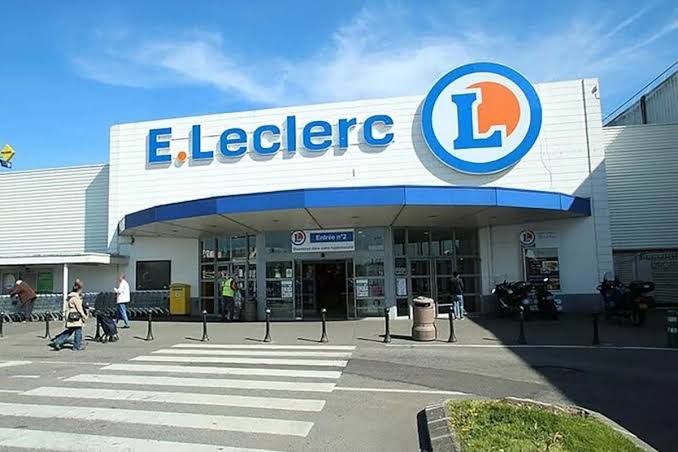
E. Leclerc built its brand on undercutting competitors on price, and its e-commerce operation extends that strategy into online grocery and general merchandise. The site ranked as the third most-visited e-commerce destination in France in 2025 rankings, a remarkable position for a retailer whose primary business is still physical hypermarkets.
The logistics advantage is real. With hundreds of stores across France, E. Leclerc can offer click-and-collect at a density that pure-play online retailers struggle to match, and home delivery in many areas is fulfilled from local store inventory rather than distant warehouses.
Its catalog spans food, electronics, household goods, and seasonal items, and the site has become a default destination for French families doing large weekly shops online. Brand trust, built over decades of physical retail, translates directly into online conversion.
5. Fnac Darty
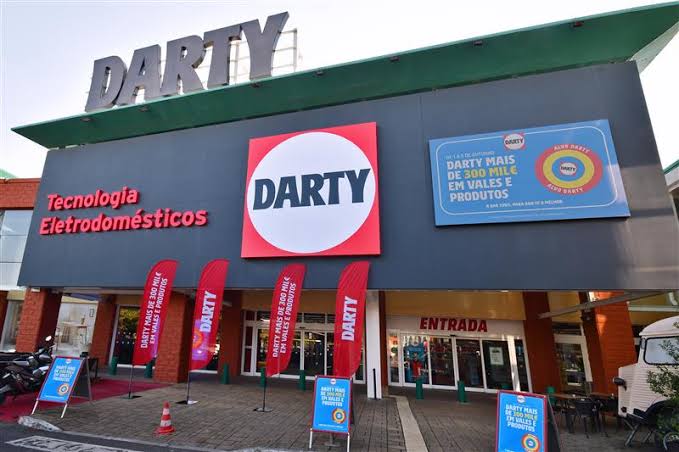
The merger of Fnac and Darty created a specialist retailer with unusual depth in cultural goods, electronics, and home appliances. Fnac's heritage is in books, music, and technology, while Darty dominates appliances and is known across France for its repair services and after-sales support.
Fnac ranked as the fourth most-visited e-commerce site in France in 2025, and the combined group operates hundreds of physical stores that feed its omnichannel model. Customers can order online and pick up in store, or book in-store repairs through the same account.
Both brands run marketplaces hosting thousands of third-party sellers, which has expanded their catalogs well beyond what the physical stores could stock. The group's emphasis on service and warranty support gives it a defensible position against discount-focused competitors.
6. Vinted

Vinted, founded in Lithuania, has become the dominant second-hand fashion marketplace in France and ranked as the fifth most-visited e-commerce site in the country in 2025. The platform allows individuals to buy, sell, and swap clothing, shoes, and accessories with no seller fees, which has driven explosive listing growth.
Its mobile-first design and strong sustainability positioning have made it especially popular among French consumers under 35. For many in that demographic, Vinted has replaced traditional fast-fashion retailers as the first place to look for clothing.
The model isn't without friction. Shipping costs fall on buyers, and disputes over item condition are common enough that Vinted has invested heavily in buyer protection systems. Even so, its traffic growth in France has been one of the standout stories in European e-commerce.
7. Temu

Temu's rise in France has been fast and controversial. The Chinese-owned discount marketplace launched in Europe in 2023 and by 2025 ranked as the sixth most-visited e-commerce site in France, a climb that took domestic retailers by surprise.
The platform ships low-priced goods directly from manufacturers, often undercutting French retailers by margins that are difficult to compete with on price alone. Its gamified shopping experience, with spin-to-win wheels and referral rewards, has proven unusually effective at driving repeat visits.
Regulatory scrutiny has followed. European Union authorities have opened investigations under the Digital Services Act into Temu's compliance with product safety and transparency rules, and French consumer groups have raised concerns about counterfeit goods. The platform remains one of the fastest-growing e-commerce destinations in the country despite the pressure.
8. Leroy Merlin
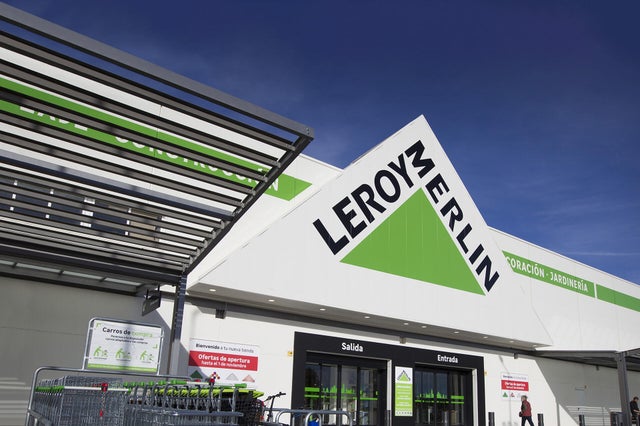
Leroy Merlin is France's leading home improvement and DIY retailer, and its online operation has become one of the country's most important marketplaces. The platform sells tools, building materials, garden supplies, and home decor, supported by a nationwide store network that makes click-and-collect genuinely convenient.
For third-party sellers, Leroy Merlin's marketplace offers access to a high-intent audience of homeowners and tradespeople, a segment that converts differently from general retail traffic. The company was named among the best marketplaces to sell on in France for 2026 by marketplace analysts.
Its integration between online and in-store inventory is one of the stronger omnichannel setups in French retail, letting customers check local stock before making a trip.
9. ManoMano

ManoMano is a French-founded marketplace specializing in DIY, home improvement, and gardening, and it has become the go-to destination for home projects in France and across several European markets. The platform connects consumers with thousands of merchants rather than holding inventory itself.
What separates ManoMano from generalist marketplaces is its content model. The site publishes extensive how-to guides, buying advice, and community discussions that bring in organic search traffic and build trust with customers who are often tackling unfamiliar projects.
It is regularly listed among the best marketplaces to sell on in France, and its focus on a single category has helped it compete against larger players without matching their scale.
10. La Redoute

La Redoute is the oldest name on this list, founded in 1837 as a wool spinnery in Roubaix before becoming one of France's most recognizable mail-order retailers. It now operates as a major online marketplace selling clothing, home textiles, and furniture, with a strong emphasis on French style and design.
The company's marketplace model hosts numerous third-party brands alongside its own collections, and its heritage gives it a level of brand trust that newer platforms have to work harder to earn. La Redoute was named among the top 10 marketplaces in France for 2026.
Its customer base skews older than Vinted's or Temu's, but loyalty among that group runs deep, and the brand's pivot from catalog retail to digital commerce is one of the more successful transformations in French retail history.
Related Posts




5 Comments
Join the discussion and share your thoughts