Top 10 Best Content Optimization Tools In The World 2026


Table of Contents
Content optimization is no longer optional for brands that want to be seen online. As search engines grow more sophisticated, the tools that help writers and marketers align their content with search intent have become essential. We evaluated dozens of platforms based on user ratings, ranking improvement data, feature depth, and value for money to identify the ten best content optimization tools in the world for 2026.
Our Selection Process
We analyzed user reviews from verified platforms, independent benchmark studies, and hands-on testing of each tool. Our criteria included ranking improvement rates reported in third-party audits, feature breadth for both solo creators and enterprise teams, pricing accessibility, and the quality of SERP analysis and AI drafting capabilities. We prioritized tools with verifiable performance data and real-world adoption across different content verticals.
These Are The Top 10 Best Content Optimization Tools In 2026:
1. Surfer SEO

Surfer SEO remains the market leader for writer-focused on-page optimization in 2026. Rated 4.3 out of 5 across multiple review platforms, the tool analyzes top-ranking pages to generate a real-time content score and specific recommendations for word count, headings, and related terms. According to data from Nightwatch, users report achieving top-10 rankings in 62% of cases when following Surfer's guidance. Pricing starts at $29 per month, making it accessible for freelancers and small teams. The editor provides a clean writing experience that integrates directly with Google Docs and WordPress. Some users note that the tool's reliance on keyword density can occasionally lead to unnatural phrasing, but its overall track record for improving search visibility is well documented.
2. NEURONwriter
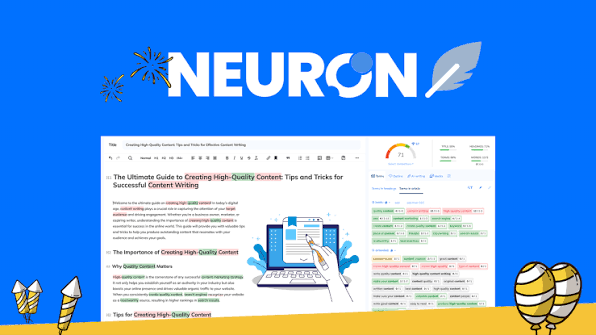
NEURONwriter has rapidly gained a following by offering powerful optimization and AI drafting tools without restrictive usage limits. The platform provides unlimited articles and users at a competitive price point, making it equally viable for solo bloggers and large agencies. Its deep SERP analysis goes beyond surface-level keywords to surface NLP recommendations that align with how search engines understand context. NEURONwriter positions itself as a democratizing force in SEO technology, and its rapid adoption suggests the market agrees. Users praise the combination of research depth and drafting speed, though the interface can feel dense for newcomers.
3. Clearscope
Clearscope is a premium tool trusted by major technology brands for semantic content analysis. Rated 4.1 out of 5, it grades content against top-ranking competitors and provides high-quality keyword recommendations backed by natural language processing. A standout feature is "Content Decay," which identifies pages losing traffic so teams can refresh them proactively. Third-party data from Rankfender shows Clearscope helps achieve top-20 rankings in 40% of cases. The tool's enterprise focus means pricing is higher than many alternatives, and it lacks predictive analytics that some competitors offer. For organizations that prioritize content quality and have the budget, Clearscope remains a strong choice.
4. Frase.io
Frase.io excels at automating the research-heavy parts of content creation. Its AI copilot generates content briefs from SERP analysis in under 60 seconds, dramatically reducing the time writers spend on upfront research. The "Frase Agent" feature analyzes websites to identify content gaps and recommend new topics. Pricing starts at $15 per month for the Solo plan, which includes 10 briefs. Frase has positioned itself as a leader in optimizing content for AI search, also known as generative engine optimization. Users appreciate the speed and the breadth of the tool's 80-plus AI skills, though some find the generated briefs require significant editing for deeper topics.
5. Rankfender
Rankfender targets enterprise users who need high-impact results in competitive niches. With a user rating of 4.9 out of 5, it reports helping clients achieve top-3 rankings in 85% of cases. The tool's contextual relevance scoring goes beyond simple keyword matching to evaluate how well content satisfies search intent. Its custom analytics dashboard visualizes AI-recommended tweaks in an actionable format. The main drawback is a steep learning curve for non-technical users. Rankfender is best suited for organizations with dedicated SEO teams that can invest time in mastering its capabilities.
6. PageOptimizer Pro (POP)

PageOptimizer Pro takes a different approach from most tools on this list. Rather than offering a simplified "green light" system, POP gives SEO specialists precise control over optimization variables. Users can see exactly why each recommendation matters and adjust parameters based on their strategy. This granularity makes it ideal for technical SEOs who understand concepts like TF-IDF and semantic relevance. It is not recommended for casual writers who want a guided experience. For those who appreciate transparency in optimization logic, POP is a powerful ally.
7. Ahrefs

Ahrefs is best known for its backlink index, which is widely considered the most accurate in the industry. But the platform also includes robust content optimization features that enhance article depth and relevance. Its content briefs draw on competitive research to identify gaps and opportunities. Ahrefs provides optimization recommendations alongside its renowned keyword research and site audit tools. Pricing is custom based on business needs. For SEO professionals who prioritize competitive research and link building alongside content optimization, Ahrefs offers an integrated workflow that few competitors match.
8. Semrush
Semrush bundles content optimization tools within a comprehensive SEO platform that includes site audits, keyword tracking, and competitive analysis. Its content marketing toolkit helps teams generate topic ideas, optimize drafts, and measure performance against competitors. Data accuracy across the platform is generally very high. The trade-off is that content optimization features are part of a larger suite that can be expensive for users who only need writing assistance. For organizations managing full SEO campaigns, Semrush provides an all-in-one solution that reduces the need for multiple subscriptions.
9. MarketMuse

MarketMuse serves enterprise teams and content strategists who need to build topical authority at scale. The platform uses topic modeling and competitive analysis to map content gaps and prioritize topics. Rated 3.8 out of 5, it reports helping users achieve top-50 rankings in 25% of cases. While MarketMuse is powerful for large publishers with extensive content libraries, it is often too expensive for mid-sized businesses. Its lower ranking improvement rate compared to top-tier tools reflects its focus on strategy and authority building rather than page-level optimization.
10. Screaming Frog SEO Spider
Screaming Frog is not a content optimization tool in the traditional sense, but it is essential for identifying the technical issues that underpin content performance. The desktop-based website crawler analyzes sites locally, providing speed and depth that cloud-based tools struggle to match. It is free for up to 500 URLs and costs 259 pounds per year for unlimited use. Rated 8.3 out of 10 for technical SEO, Screaming Frog helps teams find broken links, duplicate content, and other structural problems that can undermine even the best-optimized articles. For any serious content operation, it is an indispensable complement to the optimization tools above.
The best content optimization tools in the world for 2026 serve different purposes and audiences. Surfer SEO and NEURONwriter lead for writer-focused optimization. Clearscope and Rankfender serve enterprise needs with higher price points and deeper analytics. Frase.io offers speed and value. Ahrefs and Semrush provide integrated SEO suites. MarketMuse focuses on strategy. PageOptimizer Pro and Screaming Frog cater to technical specialists. The right choice depends on team size, budget, and the complexity of the content operation.
Related Posts




0 Comments
Join the discussion and share your thoughts
No Comments Yet
Be the first to share your thoughts on this article!