Top 10 Largest Underground Cities In the world 2026

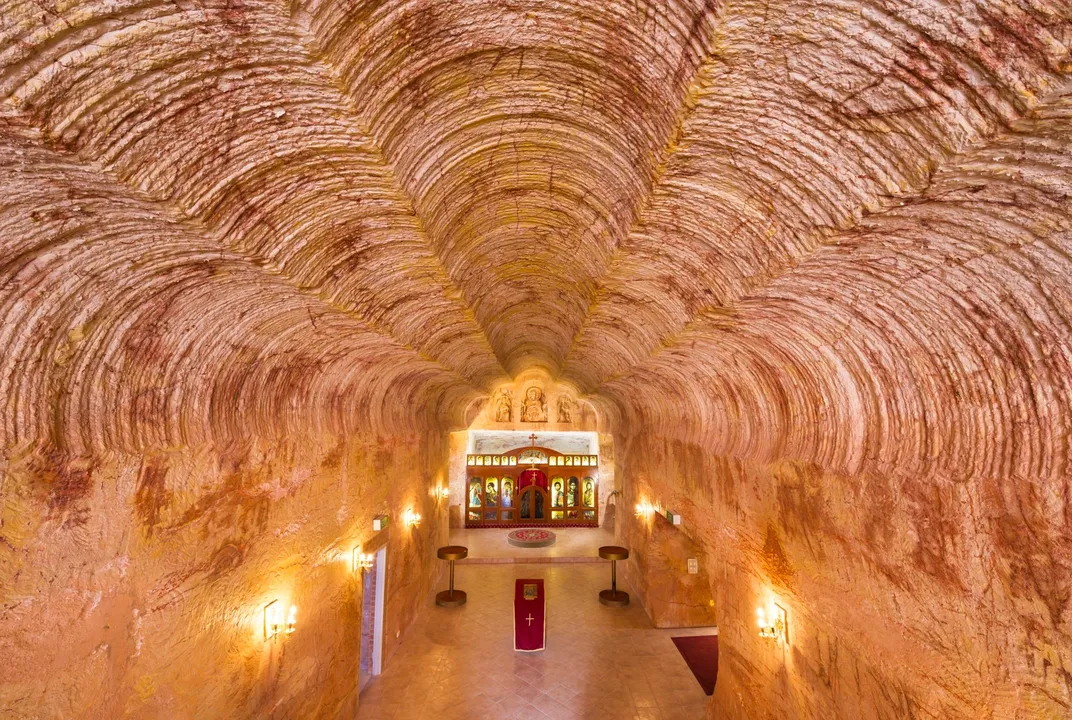
Table of Contents
The story behind one of the largest underground cities in the ... Alright, let's talk underground. Not about your uncle's questionable basement workshop, but about actual cities, sprawling networks, and hidden worlds built beneath our feet. For 15 years, I've been writing about places that make you scratch your head and wonder, "How did they even do that?" And believe me, underground cities? They're at the top of that list. As we roll into 2026, the idea of living, working, or even just hiding out below ground isn't just science fiction anymore. It's history, it's modern engineering, and sometimes, it's just plain necessity. These aren't just holes in the ground; they're complex feats of human ingenuity, often housing thousands, sometimes millions, and showing us a completely different way to exist. So, buckle up. We're going deep.
How We Figured Out Who's "Largest"
Before we get into the list, let's talk about how we put this thing together. You can't just measure underground cities with a tape measure like you would a football field. It's messy. For this Top 10 Largest Underground Citieslist for 2026, my team and I dug into everything we could find. That meant archaeological reports, engineering blueprints, tourism figures, and even some of the latest infrastructure updates we could get our hands on from early 2026. We focused on things like the actual excavated area - how much ground did they actually dig out? What was the historical population capacity, or, for modern sites, how much leasable space or how many workers did they support daily? Depth matters, too, as does the total length of tunnels. We looked at credible sources, like UNESCO data for ancient sites, geological surveys, and business complex filings. Where the numbers got a little fuzzy, especially for really old, still-being-excavated places, we relied on estimates from experts. We also made sure to consider sites that function like a "city," meaning they're capable of housing or supporting a significant population, have multiple levels, and usually stretch for miles. We weren't just looking for a long tunnel; it had to have those "city-like" features. That means some impressive metro systems, while long, didn't make the cut because people aren't living or working there in a city-like fashion. This ranking leans on total developed underground volume or footprint, and we tried to adjust for how accessible and used they are today.
The List Of The Top 10 Largest Underground Cities In the world 2026:
1. Derinkuyu Underground City, Turkey
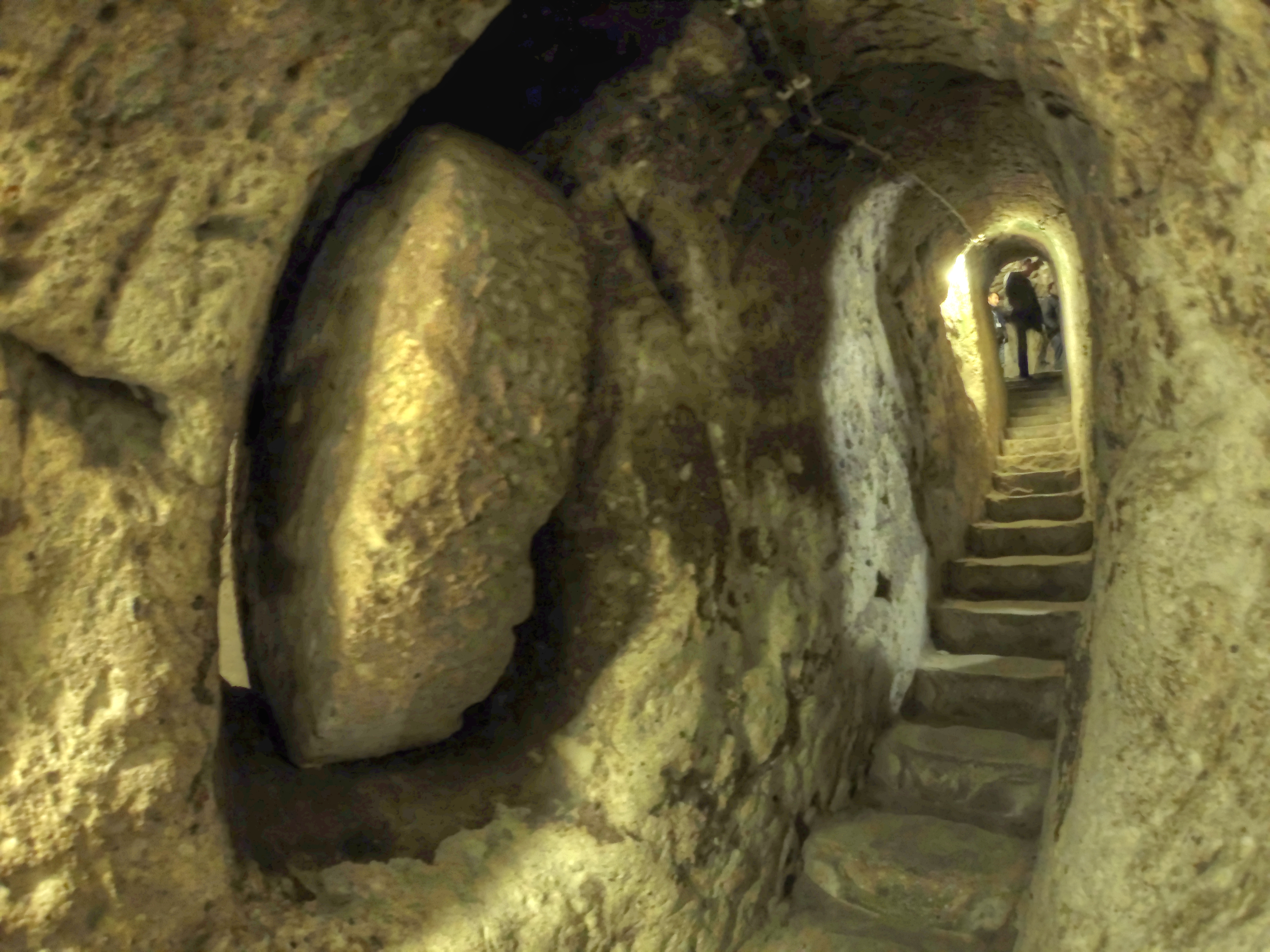
Derinkuyu underground city - Wikipedia You can't talk underground cities without starting here. Derinkuyu, tucked away in Turkey's Cappadocia region, isn't just big; it's a mind-boggling, 18-level ancient skyscraper, just, you know, upside down. This place could historically house up to 20,000 people, along with their livestock and supplies, for months on end. We're talking 4.5 million square feet of excavated tuff rock, going down 85 meters. Think about that for a second. Without modern tools, they carved out homes, chapels, wineries, even ventilation shafts that kept air flowing through miles of tunnels. It was a refuge for Phrygians, then Persians, then Byzantine Christians, all trying to escape invaders. In 2026, it's still a marvel. UNESCO has even funded digitization projects, so you can take VR tours, which is pretty cool. But here's the thing: it's old. Some of those passages are incredibly narrow, and if you're even a little claustrophobic, you'll feel it. You're constantly ducking, squeezing, and trying not to bump your head. It's a fantastic historical site, absolutely, but you wouldn't want to get stuck down there for a long weekend.
2. SubTropolis, Kansas City, Missouri, USA (The Modern, Climate-Controlled Megalopolis)
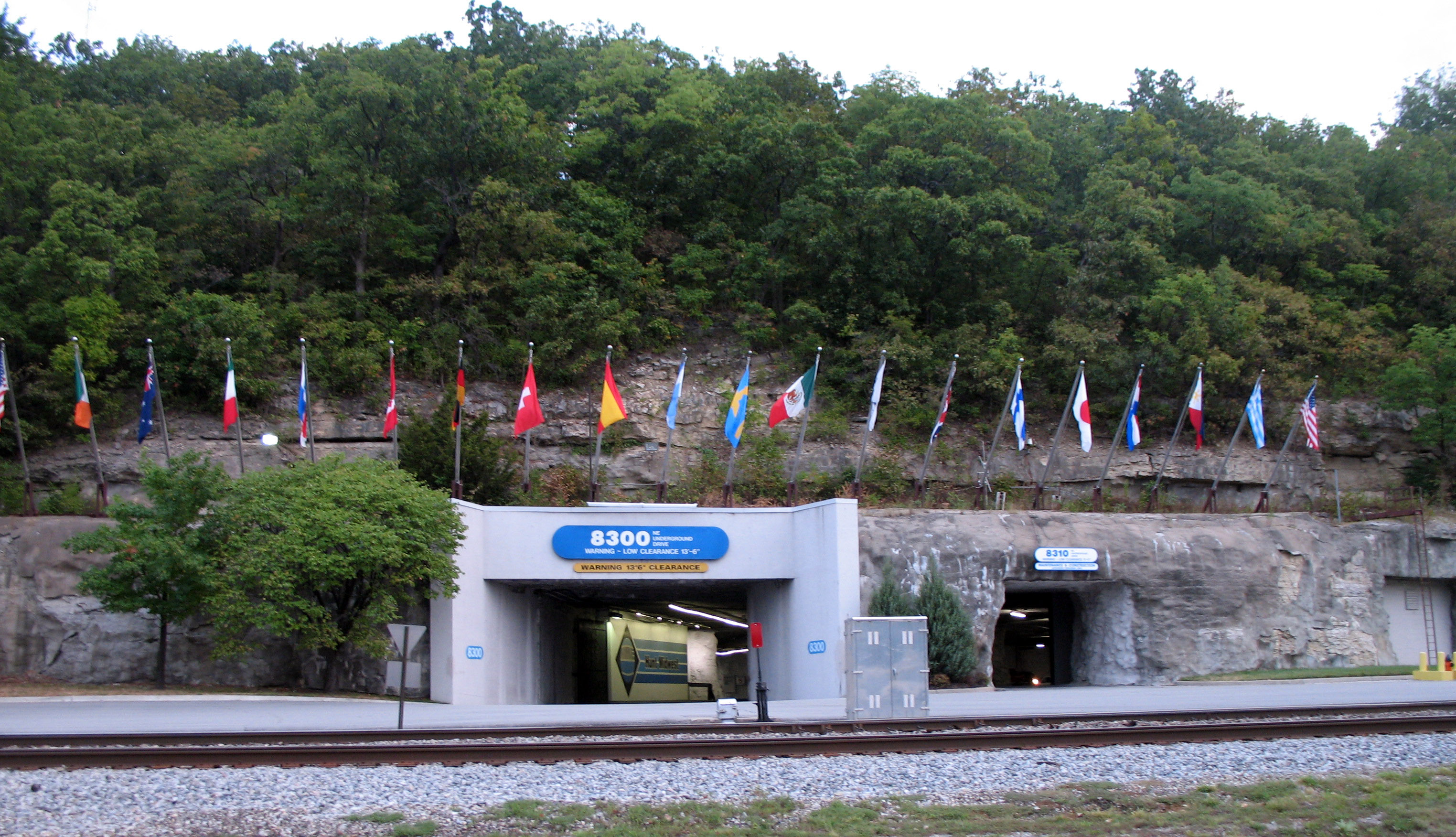
SubTropolis - Wikipedia Okay, if Derinkuyu is ancient history, SubTropolis is the future, right now. This isn't some dusty old ruin; it's a massive, active business park carved out of a 270-million-year-old limestone mine. We're talking 6.5 million square feet of leasable space, with plans to expand to 14 million. That's enough room for over 1,600 businesses and tens of thousands of workers every single day. They've got 8.2 miles of paved roads, rail lines, and hundreds of loading docks, all underground. The big draw? A constant 55-60 degrees Fahrenheit year-round, which is a dream for data centers, food storage, and just about any business that hates unpredictable weather and heating bills. Geologists love it because it's seismically stable. The annoyance? Well, it's underground. There's no natural light, obviously. You drive your car in, park, and work, all without seeing the sun. It's efficient, yes, but it can feel a bit sterile, a little too much like a giant, perfectly regulated cave.
3. Kaymakli Underground City, Turkey (Derinkuyu's Slightly Smaller Sibling)
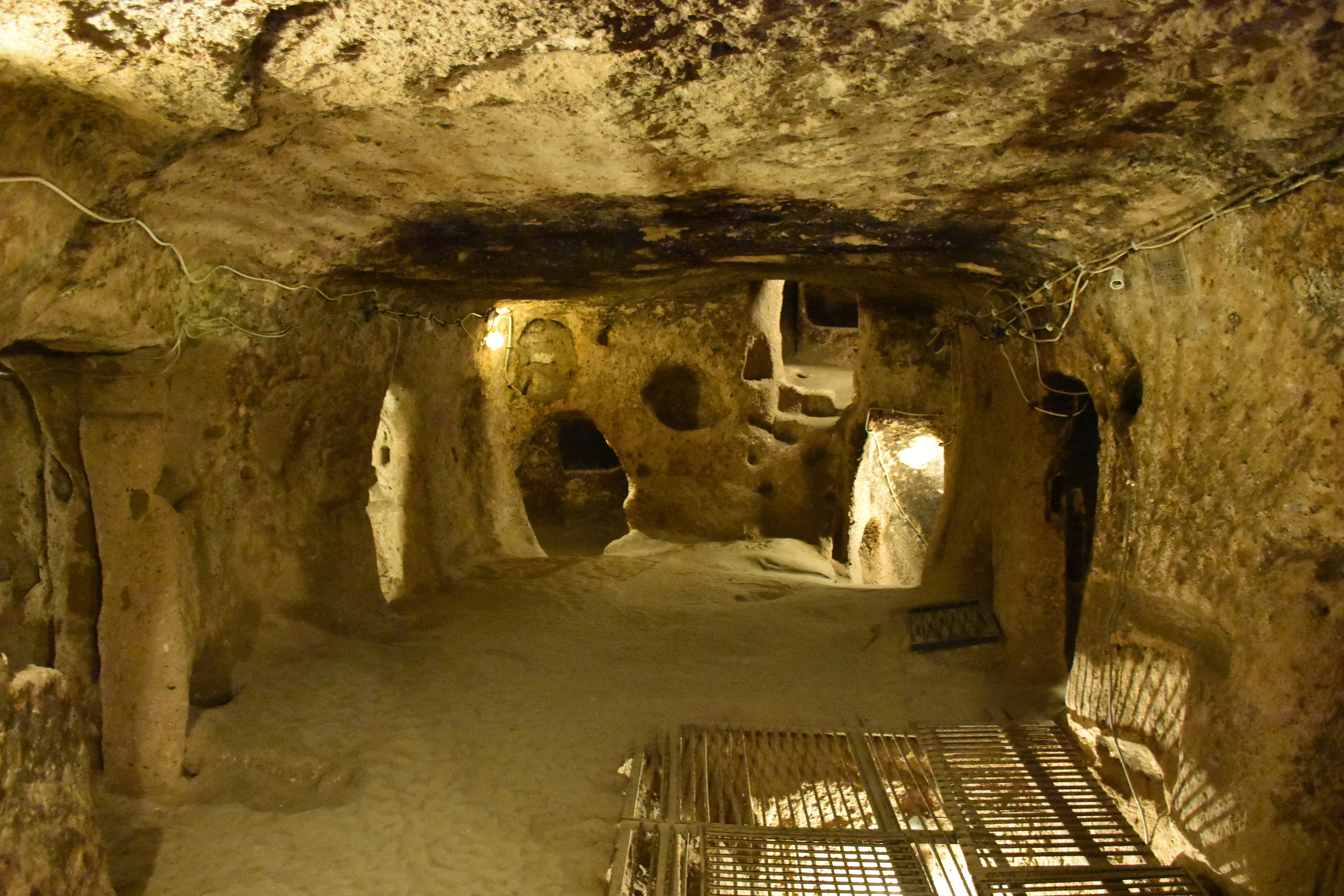
Kaymakli underground city - Wikipedia Back to Cappadocia we go, because it's just that rich with these subterranean wonders. Kaymakli is often overshadowed by Derinkuyu, but it's still an incredible feat, capable of housing 3,500 to 5,000 people across its four excavated levels, going down about 40 meters. It's actually connected to Derinkuyu by an 8-kilometer tunnel, though you can't walk the whole thing today. Like its famous neighbor, Kaymakli was built for refuge, featuring stables, churches, kitchens with olive presses, and plenty of storage. They've done some work here for tourists, adding new lighting and railings, which helps. It's still a steep, sometimes crowded experience, especially if you're trying to navigate it with a group. And while it's fascinating, the sheer volume of tourists sometimes makes you wish you could have it to yourself, just to really feel the history without bumping into someone's selfie stick.
4. Ozkonak Underground City, Turkey (The Defender's Fortress)
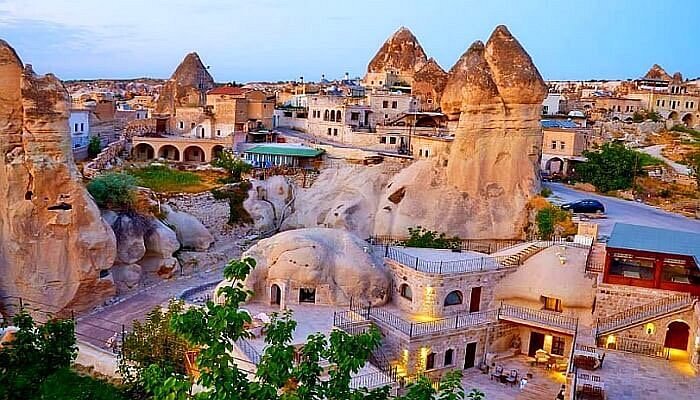
Ozkonak Underground City, Nevsehir Another Cappadocian gem, Ozkonak often gets overlooked, which is a shame because it's got some unique features. This city goes down 60 meters, spanning 10 levels, and was built to shelter up to 10,000 people. What makes it stand out are its rolling stone doors, some weighing a ton, designed to seal off sections and trap invaders. They even had unique vertical ventilation via ceramic pipes and ovens that could use animal dung for fuel. Talk about self-sufficiency! Archaeologists say it was a "fortress prototype," and you can feel that defensive purpose when you walk through it. It's less polished for tourism than Derinkuyu or Kaymakli, which means it feels a bit more authentic, but also a bit more, well, dusty. Some of the structures are fragile, and you're definitely aware you're in an ancient, un-airbrushed space. If you have dust allergies, bring a mask.
5. Beijing Underground City (Dixia Cheng), China (The Cold War Ghost Town)
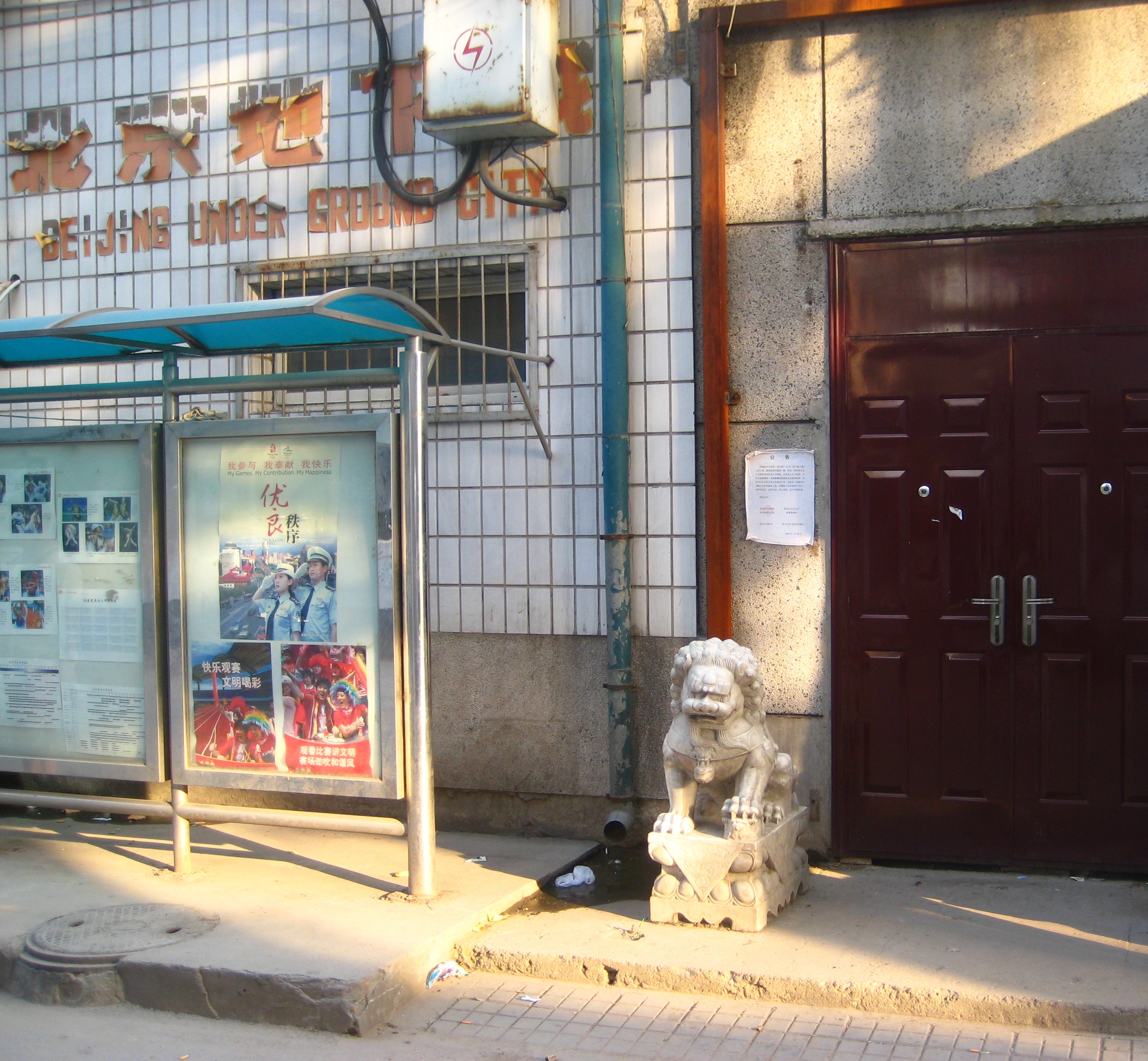
Underground City (Beijing) - Wikipedia This one is fascinating because it's so much more recent, and its purpose was utterly chilling. Dixia Cheng, or "Underground City," was built between 1969 and 1979 as a nuclear fallout shelter during the Cold War. It's a sprawling network under Beijing, an estimated 85 square kilometers, designed to protect 300,000 to a million people. We're talking hospitals, theaters, shops, even living quarters - essentially, a second city beneath the first. It was declassified in the early 2000s and parts were opened for tourism, though much of it remains closed. In 2026, some sections are being converted into VR museums, which is a clever way to show off its scale without letting everyone trample through. The downside? It's humid down there, and some areas have flooded over the years. You get the sense of a massive, ambitious project that never quite found its full purpose after the threat passed, leaving parts of it feeling neglected and a bit eerie.
6. Mesa Complex
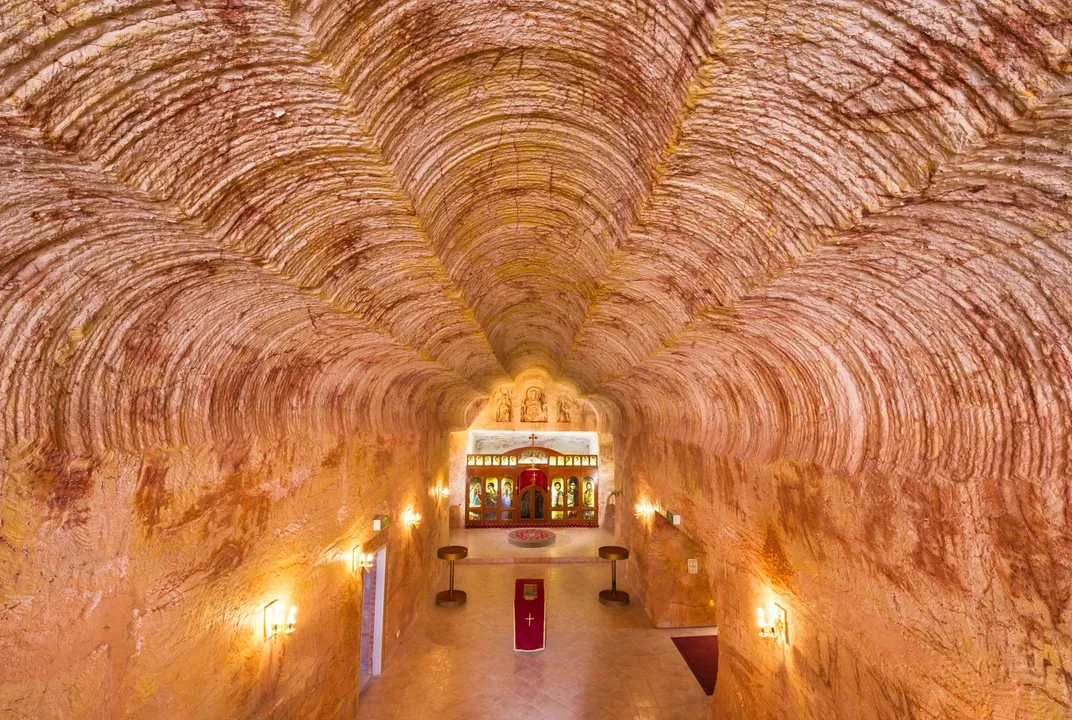
Logos | Mesa Community College Imagine a place where it's so hot on the surface (45 degrees Celsius is common) that everyone decides to move underground. That's Coober Pedy, Australia, the opal mining capital of the world. Since 1915, miners have been digging "dugouts" - homes, churches, hotels, even underground swimming pools - into the sandstone. This network of homes and businesses spans about 2.5 million square feet and houses around 2,000 residents year-round. It's a genuine, living underground city, driven by the need for cool temperatures and the pursuit of precious opals. The natural cooling saves a ton on AC costs, which is a smart move. My one annoyance? The constant presence of opal dust. While they've made strides with ventilation, it's still a mining town, and that fine particulate is always there, a reminder of what put the town underground in the first place.
7. Naours Underground City, France (The Medieval Hideout)
Visiting the Underground - La Cité Souterraine de Naours This isn't a modern marvel or a Cold War relic; Naours is a medieval quarry system that evolved into a massive underground village. Located in the Somme region of France, it boasts 3 kilometers of tunnels and 300 rooms, capable of sheltering up to 3,000 people. Over centuries, it served as a refuge from invaders, a place to hide during religious wars, and even a shelter during WWII. You can still see graffiti carved into the walls from the 1500s. It's a step back in time, offering a glimpse into centuries of rural French life in hiding. They've done some LED upgrades recently, which helps with the lighting. However, it's definitely a "stairs only" kind of place. No elevators here. The confined spaces and sheer number of turns can be pretty disorienting, and if you don't like tight, dark spaces, this one might test your limits.
8. Wieliczka Salt Mine City, Poland (The Salty Cathedral)
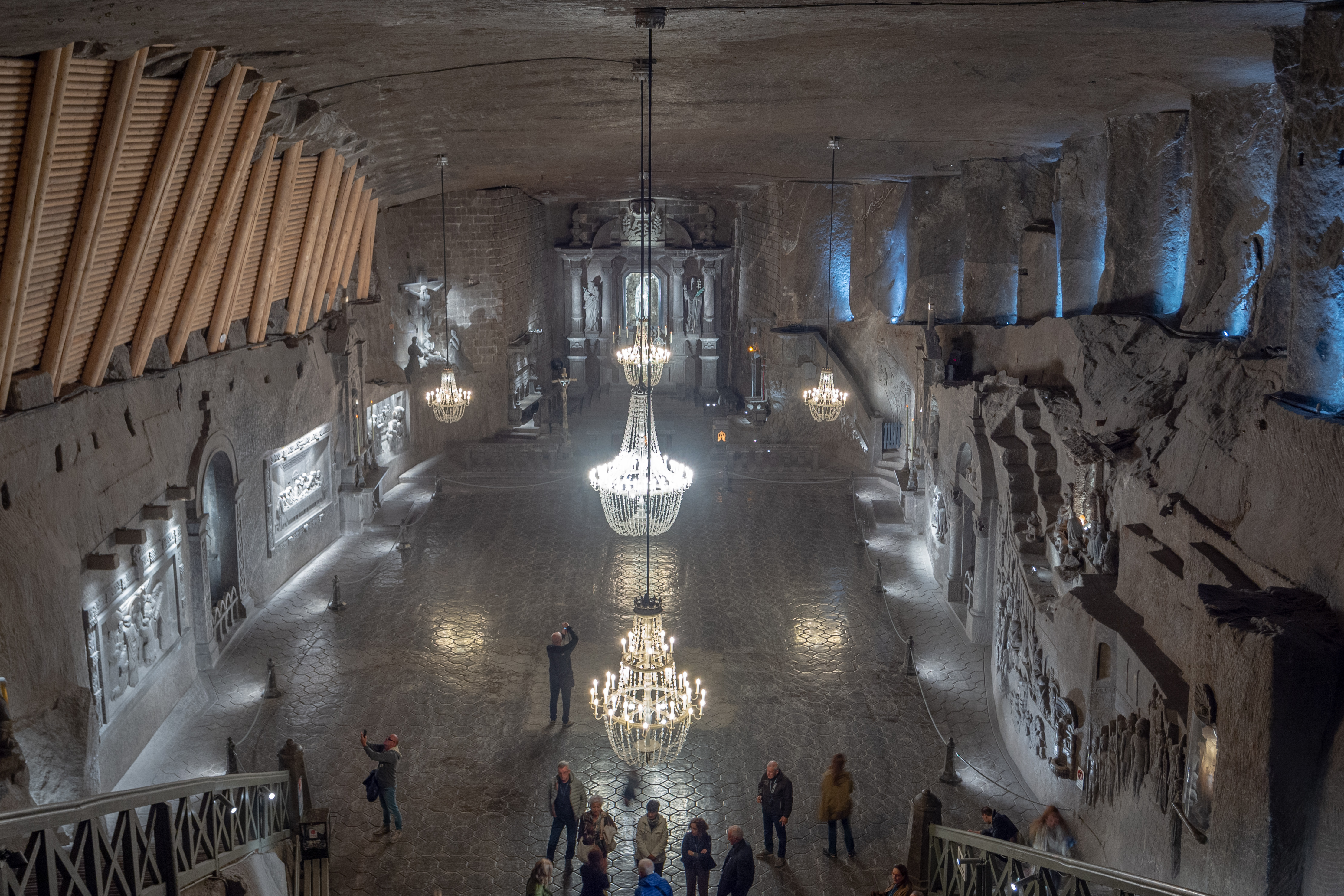
Wieliczka Salt Mine - Wikipedia The Wieliczka Salt Mine, near Krakow, Poland, is less of a "city" where people lived long-term and more of a colossal underground monument to human labor and artistry. For over 700 years, they pulled salt out of here, creating an astonishing 245 kilometers of passages spread across nine levels, reaching depths of 327 meters. What makes it special are the chapels, sculptures, and even chandeliers carved entirely out of salt. It's a UNESCO World Heritage site, and it pulls in about 1.5 million tourists a year. It's breathtaking, truly. The underground lakes, the St. Kinga's Chapel - it's like a subterranean cathedral. They've even added a health spa wing. But, and this is a big but, it's a tourist attraction now. You're part of a massive group, always moving, always on a schedule. You don't get a lot of time to just soak it in without someone urging you along. And yes, it's humid down there; you can almost taste the salt in the air.
9. Hellfire Caves, England
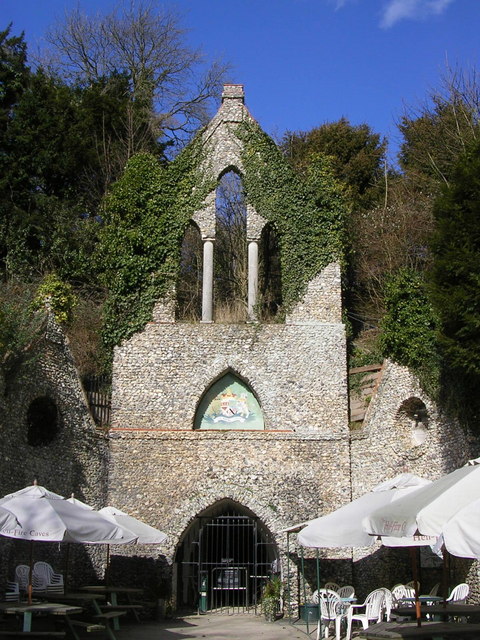
Hellfire Caves - Wikipedia From a grand cathedral to a den of secrets. The Hellfire Caves, located in West Wycombe, England, are a different beast entirely. These aren't ancient homes; they're 400 meters of tunnels and chambers that were once flint mines, expanded in the 18th century by Sir Francis Dashwood for his notorious Hellfire Club. This was a secret society known for its debauchery and occult rituals. The caves include banqueting halls and a "temple." It's a fantastic piece of British history, dripping with intrigue and a slightly spooky atmosphere. They've introduced AR audio guides, which is a nice touch. But here's the thing: it's dark, it's damp, and the floors can be surprisingly slippery in places. If you're not into the whole occult history vibe, it might just feel like a cold, wet hole in the ground. It's definitely not for everyone, and the limited capacity means you often feel a bit rushed through the experience.
10. Tunel Emisor Oriente Network, Mexico City, Mexico
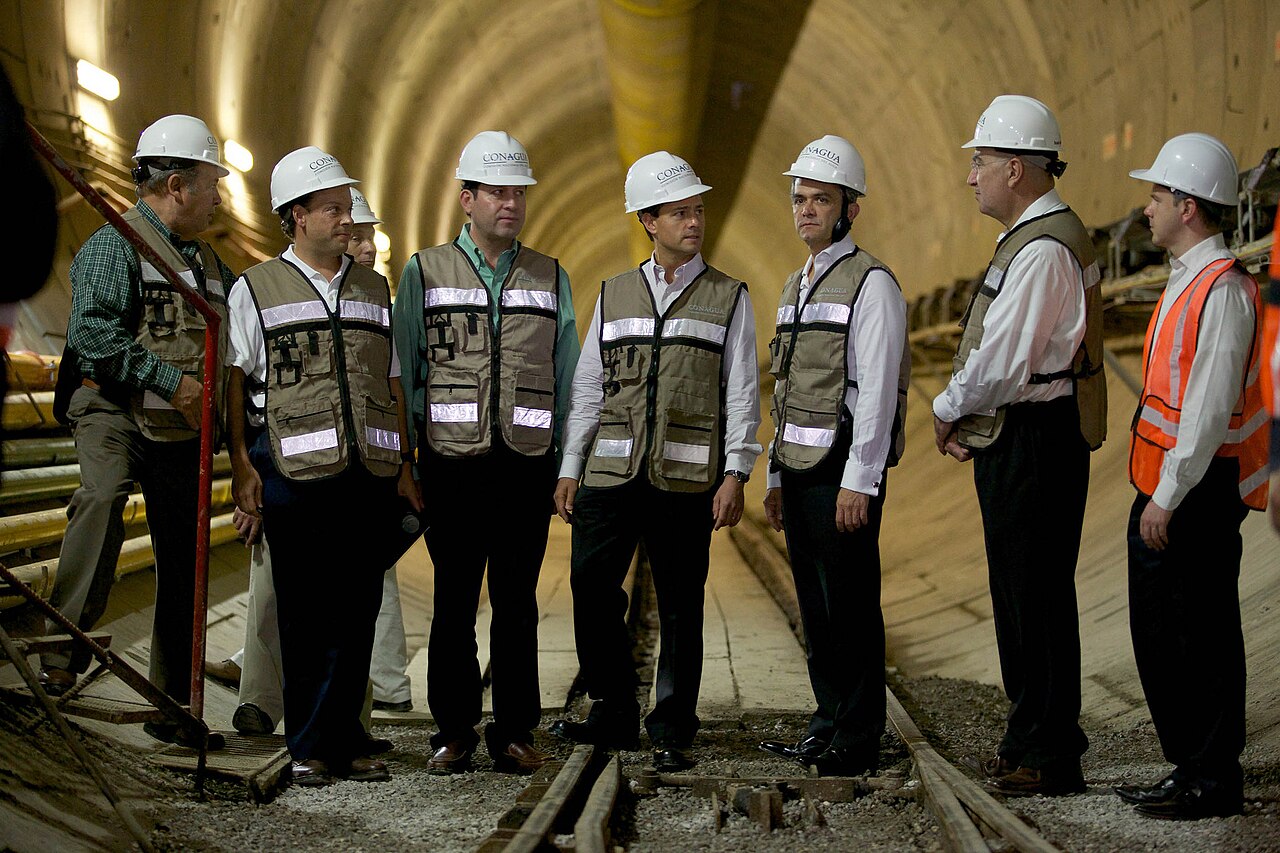
Emisor Oriente Tunnel - Wikipedia This last one isn't a "city" in the traditional sense, but it's arguably one of the most vital underground networks on the planet, supporting a truly massive population. Mexico City is sinking, and it floods. A lot. The Tunel Emisor Oriente Network is a monumental drainage system, 62.5 kilometers of main tunnel and branches, reaching depths of up to 100 meters, that literally keeps the city from drowning. Completed in 2019, it handles an astonishing 150 cubic meters per second of wastewater, indirectly supporting Mexico City's 9 million residents. Engineers call it a "lifeline," and they're not wrong. It's a testament to modern engineering solving a very real, very urgent problem. However, this isn't a tourist destination. It's raw, dangerous infrastructure. You can't visit it. Maintenance access is hazardous, and it's purely functional. So, while it's incredibly large and important, it lacks any of the "city-like" charm or historical intrigue of the other entries. It's a reminder that sometimes, the most important underground "cities" are the ones we never see.
Related Posts

Top 10 Richest Politicians In South Africa 2026
Politics in South Africa is not just a way to run the country and make decisions, but it is also a place where power and money regularly mix. Many well-known politicians have used their jobs, connections, and business sense to make a lot of money. Here is a detailed look at the top 10 richest […] More

Top 10 Most Popular Female Sports Leagues In The World 2026
Women’s sports have seen a remarkable surge in popularity, investment, and global recognition in recent years. From record-breaking viewership to expanding franchises, female sports leagues are redefining the sports landscape. Below is a detailed exploration of the top 10 most popular female sports leagues in the world for 2025, highlighting their significance, structure, and impact […] <a class="g1-link g1-link-more" href="https://nubiapage.com/top-10-most-popular-female-sports-
Top 10 Largest Galleries In Africa 2026
Africa’s art sector is a colorful mix of creativity, culture, and legacy, and its amazing galleries show it off. These places provide you a look into the continent’s many different forms of art, from Nigeria’s busy art centers to South Africa’s beautiful farms. Below is a carefully chosen list of the top 10 biggest art […] More

Top 10 Best Premier League Players In The World 2025
The Premier League, which is frequently regarded as the most exciting football league in the world, is known for consistently showcasing a wide variety of players who rank among the best in the world. When we consider the year 2025, we see that the competition for the most prestigious individual accolades is still fierce. This […] More
134 Comments
Join the discussion and share your thoughts