MyHeritage DNA 2026 Review: App, Portal, Price, User Experience and FAQs

Jamesty
JamestyAuthor
Updated: May 1, 2026
15 min read
MyHeritage DNA 2026 Review: App, Portal, Price, User Experience and FAQs

DNA testing has quietly become one of those things almost everyone has either tried or thought about trying. Whether it is for piecing together a family tree, finding long lost cousins, or simply settling old arguments about where great grandma actually came from, the industry has exploded over the last few years. Among the household names in this space, MyHeritage continues to hold a strong position, especially in Europe and other parts of the world outside the United States.

At Nubia Magazine, we spent several weeks digging into how MyHeritage holds up in 2026. We looked at the kit itself, the web portal, the mobile app, the pricing structure, the customer service track record, and what real users are saying across Trustpilot, Apple App Store, Google Play, ProductReview, and PissedConsumer. We also tracked the major product changes the company rolled out in 2025, including the move to whole genome sequencing and the controversial decision to stop accepting raw DNA uploads from rival services. What follows is the honest version, the good and the not so good.

The Quick Verdict

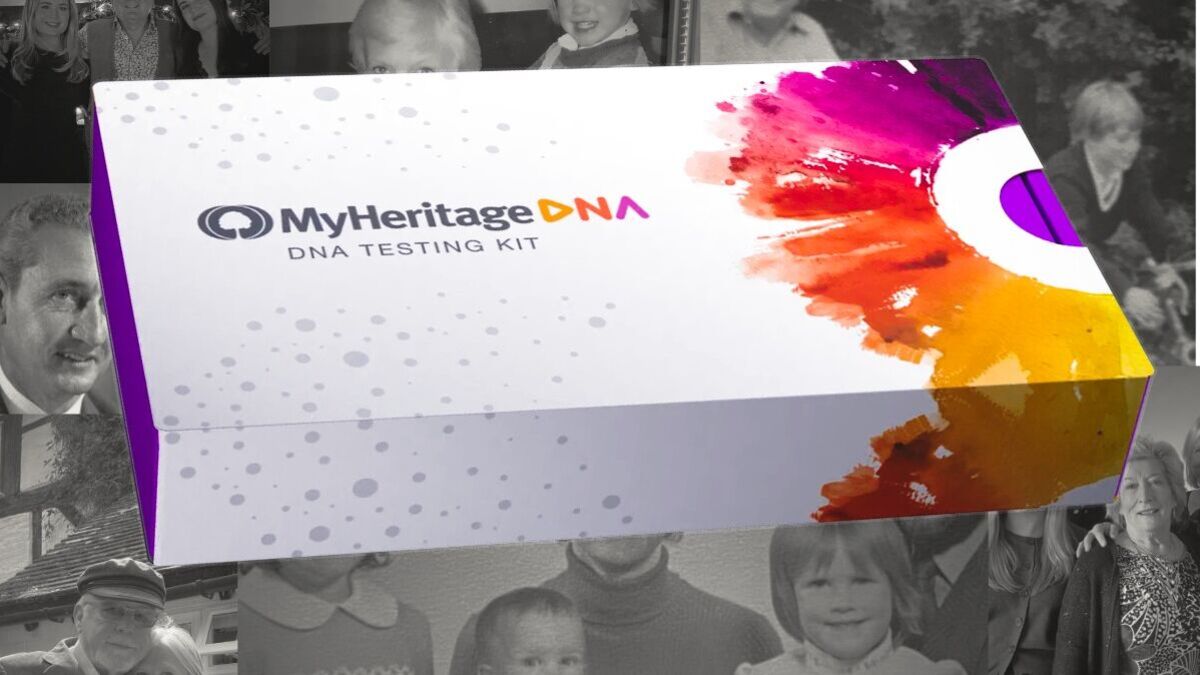
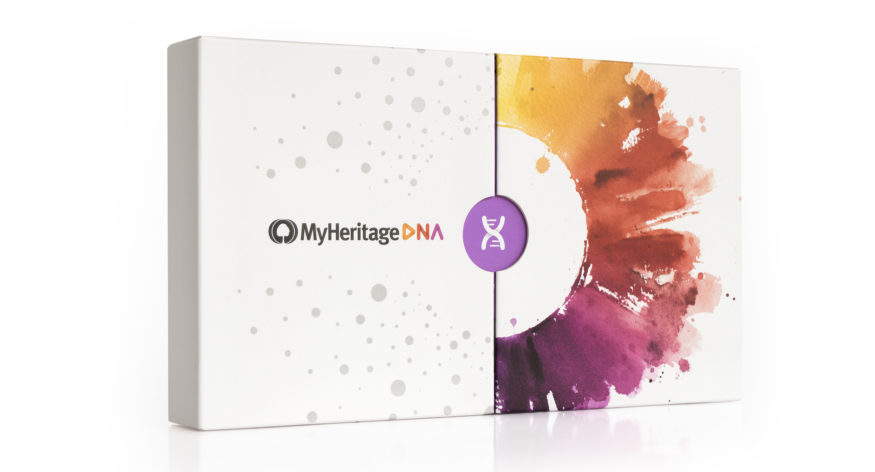
MyHeritage DNA in 2026 is a mixed bag. On paper, it offers some of the most attractive things in the genealogy space: a cheek swab kit that is easy to use, ethnicity coverage across 2,114 geographic regions, support for 42 languages, and a database of over 80 million registered members. The kit costs $89 at full price but is frequently discounted to under $40 during promotional periods, which makes it one of the cheapest entry points into DNA testing on the market today.

On the other hand, the experience is far from flawless. Customer service complaints are persistent, surprise subscription charges are a recurring theme in user reviews, the US matching pool is noticeably smaller than what AncestryDNA offers, and as of May 2025 you can no longer upload raw DNA from 23andMe or AncestryDNA into the platform. These factors weighed heavily on our final score of 2.6 out of 5.

1699337653681

MyHeritage Brand Profile at a Glance

Before we go deeper into the review, here is a quick reference table covering the essentials of the brand.

Brand Profile

Details

Company Name

MyHeritage Ltd.

Founded

2003 by Gilad Japhet

Headquarters

Or Yehuda, Israel

Service Type

DNA testing, genealogy platform, family tree builder, historical records

Lab Location

Gene by Gene laboratory, Houston, Texas (CLIA-certified, CAP-accredited)

Testing Method

Whole Genome Sequencing (low-pass 2x coverage) since October 2025

Sample Type

Cheek swab (no saliva or blood)

Kit Price (Standard)

$89 (regular), often discounted to under $40 during promos

Subscription Tiers

Premium, PremiumPlus, Data, Complete, Omni (varying annual fees)

Result Turnaround

Approximately 3 to 4 weeks after lab receipt

Geographic Regions Covered

2,114 regions worldwide

DNA Database Size

Over 9.6 million DNA samples

Registered Users

80+ million users across 48 countries

Historical Records

Over 35.9 billion records via SuperSearch

Languages Supported

42 languages

Mobile App

Available on iOS and Android (free download)

Customer Support

Phone (1-844-994-1888), email ([email protected]), Help Center

Trustpilot Rating

4.3 out of 5 (based on over 89,000 reviews)

Nubia Magazine Rating

2.6 out of 5

Website

www.myheritage.com

The MyHeritage App: How It Performs in 2026

The MyHeritage mobile app is available for free on both iOS and Android, and it serves as the primary way many users interact with their DNA results, family tree, and photo tools while on the go. We tested the app on both platforms during this review.

The app itself is clean and reasonably intuitive. The home screen gives quick access to your DNA results, your family tree, photo tools like Deep Nostalgia and LiveMemory, and SuperSearch for historical records. The newer LiveMemory feature, which uses AI to turn old still photos into short video clips, is genuinely impressive and remains one of the standout reasons many users keep the app installed even when they are not actively researching ancestry.

That said, our experience was not perfectly smooth. The app occasionally feels slow when loading large family trees, and a few features that look free on the surface push you toward subscription pages once you tap into them. Reviews on Google Play and the Apple App Store reflect a similar split. Some users praise the photo features and the ease of viewing results, while others complain about constant upgrade prompts and confusion over what is actually free versus what requires a paid plan.

Overall the app does its job. It is functional, it is regularly updated for performance and stability, and it covers most of the things a casual user would want. But it does not feel like a product where every feature has been carefully considered for a paying customer. There is a definite sense that the app exists primarily to funnel you into the wider subscription ecosystem.

The Web Portal: Where the Real Work Happens

If the app is the showroom, the web portal at myheritage.com is the actual workshop. This is where serious genealogy research takes place, and honestly, this is where MyHeritage shines brightest. The web interface gives you access to the full SuperSearch engine with over 35.9 billion historical records, the FamilyTree Builder with all its bells and whistles, and advanced DNA tools like the Chromosome Browser, AutoClusters, and Theory of Family Relativity.

The portal is also where the 42 language support really matters. For users in Nigeria, Brazil, Germany, France, or anywhere else where English is not the first language, the experience is genuinely localized rather than just translated. This is something many competitors still struggle with, and it is one of the strongest arguments for picking MyHeritage if your family roots cross multiple borders.

Navigation on the portal is generally clean, though some users have noted that finding subscription pricing details requires scrolling to the bottom of the page and clicking on Price List, which is not exactly intuitive. The DNA Matches page is where most users will spend their time, and the filtering and sorting options are excellent. You can filter matches by relationship level, country, ethnicity, shared surnames, or whether they have a Theory of Family Relativity attached.

One frustration we noticed, echoed in many user reviews, is that several features that appear available actually require a subscription to use fully. You can see that a match has a Theory of Family Relativity, for example, but to dig into the details you often need to upgrade. This pay wall pattern is consistent across the platform and can feel a bit aggressive, especially for users who already paid for the DNA kit and assumed that was the full purchase.

1699337653681

Price: What You Actually Pay in 2026

MyHeritage DNA pricing in 2026 follows the same pattern it has used for years. The kit itself is listed at $89 but is almost always available at a discount. During holiday promotions and special sales, prices regularly drop below $40, and we have seen flash deals as low as $20 with certain coupon codes. This makes MyHeritage one of the cheapest DNA test kits in the market when bought on sale.

Where things get more complicated is with subscriptions. The kit comes with a free 30 day trial of the Complete subscription, which is the all access tier. If you do not cancel before the trial ends, you will be automatically charged for a full year. The introductory price is around $149 for the first year, with renewal at the regular rate of $299 per year. This auto renewal model is at the heart of most of the billing complaints we encountered during our research.

The various subscription tiers, including Premium, PremiumPlus, Data, Complete, and Omni, each unlock different combinations of features. Premium focuses on family tree expansion, Data unlocks historical records, and Complete combines both. Pricing varies by region and by promotion, which is part of why so many users find the system confusing. We strongly recommend writing down the exact charge date when you start a trial and setting a calendar reminder a few days before that date to either cancel or accept the renewal consciously.

Shipping is another cost to keep in mind. The DNA kit ships internationally, and while the kit price typically covers initial delivery, return shipping for your sample is sometimes the customer's responsibility depending on the region. If you are based in Africa, including Nigeria, double check the return shipping arrangement before placing your order, because postage to the Houston lab can take a noticeable bite out of your savings.

User Experience: Where MyHeritage Wins and Loses

User experience is where this review gets the most uneven. The good experiences are genuinely good, and the bad experiences are genuinely bad, sometimes from people who used the same service in the same year.

What Users Love

Many users praise the photo tools, particularly Deep Nostalgia and LiveMemory, with several reviewers describing emotional moments where they were able to show animated images of deceased relatives to elderly family members. The DNA matching system is also highly praised, especially for people whose ancestry includes European, Scandinavian, or Latin American roots, where MyHeritage tends to outperform competitors. The cheek swab method is widely preferred over the saliva tubes that some other services use, and turnaround times of three to four weeks are generally accurate.

Trustpilot ratings sit at 4.3 out of 5 across more than 89,000 reviews, which is a strong number for a company of this size. Many positive reviews specifically mention helpful customer service agents who, once reached, were able to resolve issues effectively.

What Users Complain About

The negative reviews tell a different story. On PissedConsumer, MyHeritage holds a 1.9 star rating with 79 percent of feedback being unfavorable. The most common complaints are about unexpected subscription charges, difficulty cancelling auto renewals, and slow or unresponsive customer service when issues arise. Several Australian users reported being charged hundreds of dollars for renewals they did not authorize, and getting refunds often required multiple emails, calls, and in some cases threats of formal complaints.

There are also legitimate gripes about activation codes failing on new kits, samples that do not arrive at the lab on time, and confusion around the May 2025 decision to stop accepting raw DNA uploads from other services. For users who already had data from 23andMe or AncestryDNA and were hoping to upload it, this change came as an unwelcome surprise.

Perhaps the most consistent complaint is the feeling that MyHeritage is built around a series of upsells. You buy the kit, and then you need a subscription. You upgrade the subscription, and then certain records still require an additional fee. You contact support, and you are sometimes redirected to AI chat that struggles to resolve nuanced issues. For users who simply want to see their results and find a few relatives, this experience can feel exhausting.

Pros and Cons at a Glance

Pros

Affordable kit price, especially during frequent promotions where it drops below $40

Strong international coverage with 2,114 geographic regions and 42 supported languages

Excellent photo and storytelling tools including Deep Nostalgia, Photo Enhancer, and LiveMemory

Whole genome sequencing technology rolled out in October 2025 at no extra cost

Cheek swab is easier and more pleasant than saliva collection

Strong privacy commitments including a written promise never to sell user data to third parties

Cons

Subscription auto renewal has triggered widespread billing complaints

Smaller DNA matching pool in the United States compared to AncestryDNA

Raw DNA uploads from other services are no longer supported as of May 2025

Customer service quality is inconsistent with long wait times reported in several countries

Aggressive upselling across the app and web portal

Health reports are limited compared to dedicated health DNA services

1699337653681

Frequently Asked Questions About MyHeritage DNA in 2026

Based on what people are actively searching for in 2026, here are the most common questions we found, along with our researched answers.

1. How much does the MyHeritage DNA kit cost in 2026?

The standard retail price for the MyHeritage DNA kit is $89, but the company runs frequent promotions that bring the price down significantly. During holiday sales and special promotions in 2026, the kit has been seen for as low as $20 to $40. Shipping costs may apply separately depending on your location, and return shipping for your sample is sometimes paid by the customer.

2. How long does it take to get MyHeritage DNA results?

MyHeritage states that results typically take three to four weeks after your DNA sample arrives at their Houston laboratory. Some users report receiving results in as little as two weeks, while others have experienced delays of six weeks or more, particularly during high volume periods or when there are issues with the sample. The company sends email updates as your sample moves through processing.

3. Is MyHeritage DNA accurate?

MyHeritage uses whole genome sequencing technology as of October 2025, which represents a major upgrade from the previous genotyping array method. The platform compares your DNA against 2,114 geographic regions and 79 ethnicities. Accuracy is generally strong for European, Scandinavian, and Mediterranean ancestry, and somewhat less detailed for African, Asian, and indigenous ancestries due to smaller reference populations. Results are estimates and can update over time as the database grows.

4. Is MyHeritage DNA safe and private?

MyHeritage processes samples at a CLIA certified and CAP accredited laboratory. The company has a written commitment in its privacy policy that user DNA data will never be sold or licensed to third parties, including insurance companies. Users can delete their DNA data at any time from the Manage DNA kits page. Samples are destroyed after processing. That said, the company experienced a significant data breach in 2018 that exposed information from 92 million accounts, so users with serious privacy concerns should make their own assessment.

5. Can I upload raw DNA from 23andMe or AncestryDNA to MyHeritage?

No. MyHeritage stopped accepting raw DNA uploads from other services in May 2025. Older articles and reviews that recommend transferring data into MyHeritage are now out of date. If you want to use MyHeritage, you will need to purchase their kit and submit a fresh cheek swab sample.

6. Does MyHeritage charge me automatically after the free trial?

Yes. The free 30 day trial of the Complete subscription that comes with most DNA kits will automatically convert into a paid annual subscription if you do not cancel before the trial ends. The introductory rate is around $149 for the first year, and renewal in subsequent years is approximately $299 per year. This auto charge is the source of most billing complaints. Set a reminder a few days before your trial ends to either cancel or confirm you want to continue.

7. How do I cancel my MyHeritage subscription?

You can cancel by logging into your account on the MyHeritage website, going to the My Purchases section, and selecting the subscription you wish to cancel. You can also call customer support at 1 844 994 1888 or email [email protected]. Some users have reported needing multiple attempts to fully cancel and stop billing, so we recommend keeping written records of your cancellation request, including screenshots and email confirmations.

8. Is MyHeritage worth it compared to AncestryDNA in 2026?

It depends on your goals. If your family history is primarily based in the United States, AncestryDNA still has a larger matching pool of over 25 million testers, which gives you better odds of finding close relatives. If your family history crosses borders, particularly into Europe, Latin America, or other regions, MyHeritage offers stronger international coverage and a more multilingual experience. For pure affordability and access to photo tools, MyHeritage tends to win on price.

9. Does MyHeritage offer a health DNA test?

Yes, MyHeritage offers a Health Upgrade that includes 42 personalized health reports, 18 reports on genetic conditions, and 18 carrier status reports. The regular price for the Health Upgrade is around $199, often discounted to $99. However, location restrictions apply, and the test is not available in some US states including New Jersey, New York, and Rhode Island. Users under 18 or those who have had a recent blood transfusion or chemotherapy treatment cannot access health insights.

10. Can I delete my DNA data from MyHeritage?

Yes. MyHeritage allows you to permanently delete your DNA data at any time from the Manage DNA kits page within the DNA menu. Once deleted, the data is removed in accordance with the company's privacy policy. You can also opt out of DNA matching without deleting your data if you prefer to keep your results private but still accessible to yourself.

Nubia Magazine Verdict

MyHeritage in 2026 is a service with real strengths but real weaknesses too. The technology has improved, the database is large, the international coverage is genuinely impressive, and the photo tools are legitimately fun and emotionally meaningful. For users with European or globally scattered family roots, this platform deserves serious consideration.

However, the persistent billing issues, the aggressive subscription model, the inconsistent customer service, and the smaller US matching pool keep this from being a clear recommendation. After weighing the affordable kit price against the longer term frustrations users frequently report, our final score lands at 2.6 out of 5. It is a service that can be worth using, but only if you go in with open eyes, set calendar reminders for trial expirations, and understand exactly what you are signing up for.

If you decide to try MyHeritage, do so during one of the frequent promotional sales, take careful notes of any subscription start dates, and treat the trial as exactly that, a trial. If you do that, the kit can offer real value. If you do not, the experience can quickly become an expensive lesson in reading the fine print.


Share

0 Comments

Join the discussion and share your thoughts

Join the Discussion

Share your voice

0 / 2000

* Your email is kept private and never published.

No Comments Yet

Be the first to share your thoughts on this article!