How does Croatia produce constant football talent?

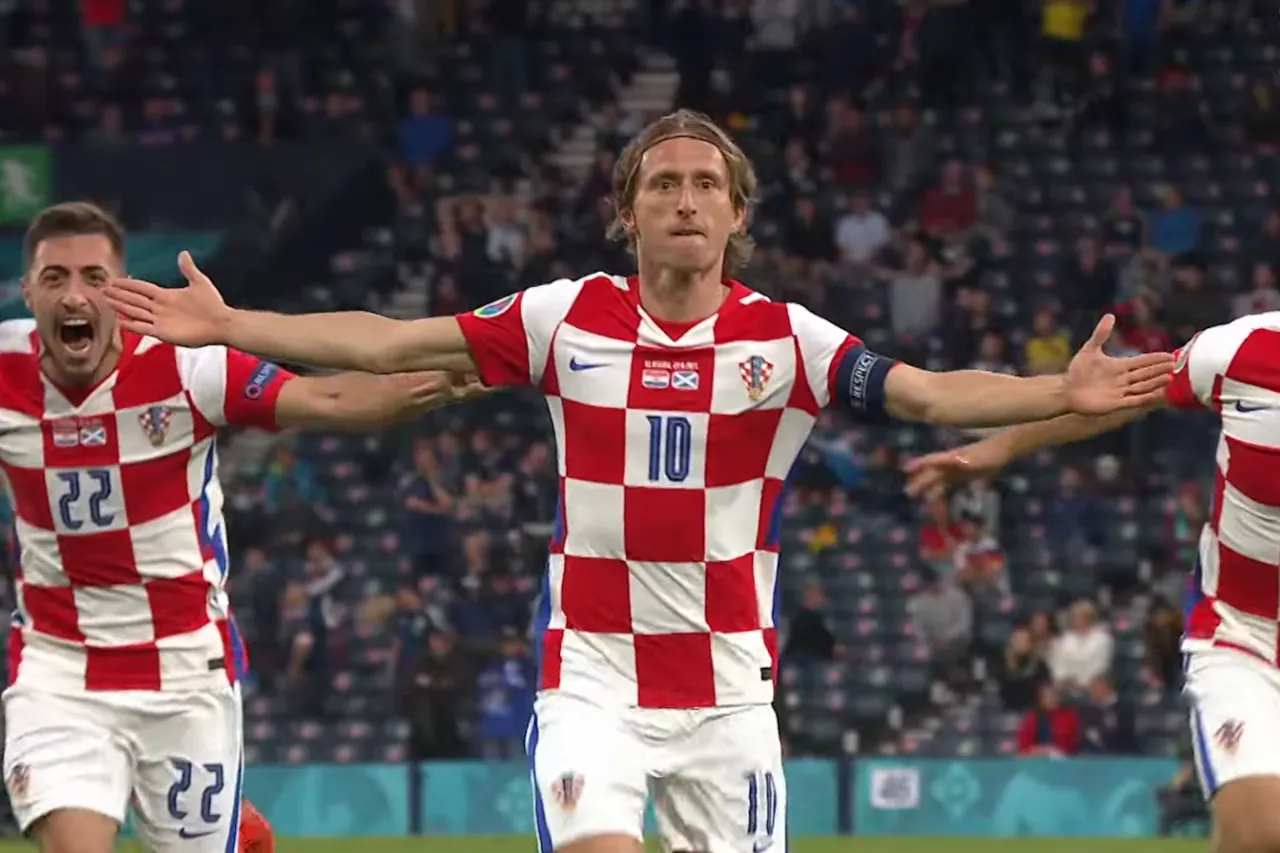
Croatia’s reputation for producing elite footballers is rooted in a highly organised youth development ecosystem that combines 3 elements. They correspond to club academies, national federation coordination, and early senior-team exposure. You can become a member of 1xLanka to place bets on Croatian football too.
At the centre of this system is GNK Dinamo Zagreb, whose academy has produced world-class players such as Luka Modrić and Mateo Kovačić. It is widely recognised as one of Europe’s most productive talent factories.
A defining feature of Croatian football is the fast transition from youth to senior football. Here young players are given competitive minutes early, often through loans or lower-division clubs, accelerating their tactical maturity. The most talented footballers from Croatia and elsewhere are available for betting at the 1xLanka platform as well.
Clubs operate in a tight financial ecosystem where player sales are essential. This means that academies are constantly incentivised to develop and showcase talent for European markets, as seen in Dinamo Zagreb’s regular transfers to top leagues.
This is also combined with 3 other elements: strong technical coaching traditions, widespread scouting across a small but football-rich population, and a culture that values tactical intelligence.
Together, these systems explain why Croatia, despite a population of around four million, regularly reaches the highest levels of international football, including World Cup finals appearances.
Having great coaches too
Another important factor is the density of elite coaching within Croatia’s top clubs, particularly in Zagreb, Split, and coastal regions. Here former professionals often move into youth development roles after retirement, raising the overall coaching standard.
Scouting networks are highly competitive and deeply local, ensuring that even small towns feed into professional academies early. This reduces the loss of talent during adolescence and keeps the pipeline continuously full.
Finally, sustained international success feeds back into the system. Basically, 3 things happen:
- strong performances by the national team increase visibility for players;
- this also attracts better transfers;
- and reinforce the belief among young athletes that a professional career abroad is achievable from a Croatian academy pathway.
Together, these 3 reinforcing mechanisms create a self-sustaining model of talent production. It is something that few similarly sized nations can replicate consistently over time in modern European football systems analysis perspective.
Related Posts

Top 10 Best Textile Industries In India 2026

One Account, One Balance, Four Products: How BiggerZ Unifies Casino, Live Casino, Sportsbook and Prediction Markets
BiggerZ links casino, live casino, sportsbook and prediction markets under one account and balance, with crypto-friendly deposits across the platform.

Gambling Nerd Explains Offshore Poker Sites in Florida
A beginner's guide to evaluating Florida-facing poker sites, covering regulation, networks, rake, traffic, bankrolls, bonuses, banking, and withdrawals.
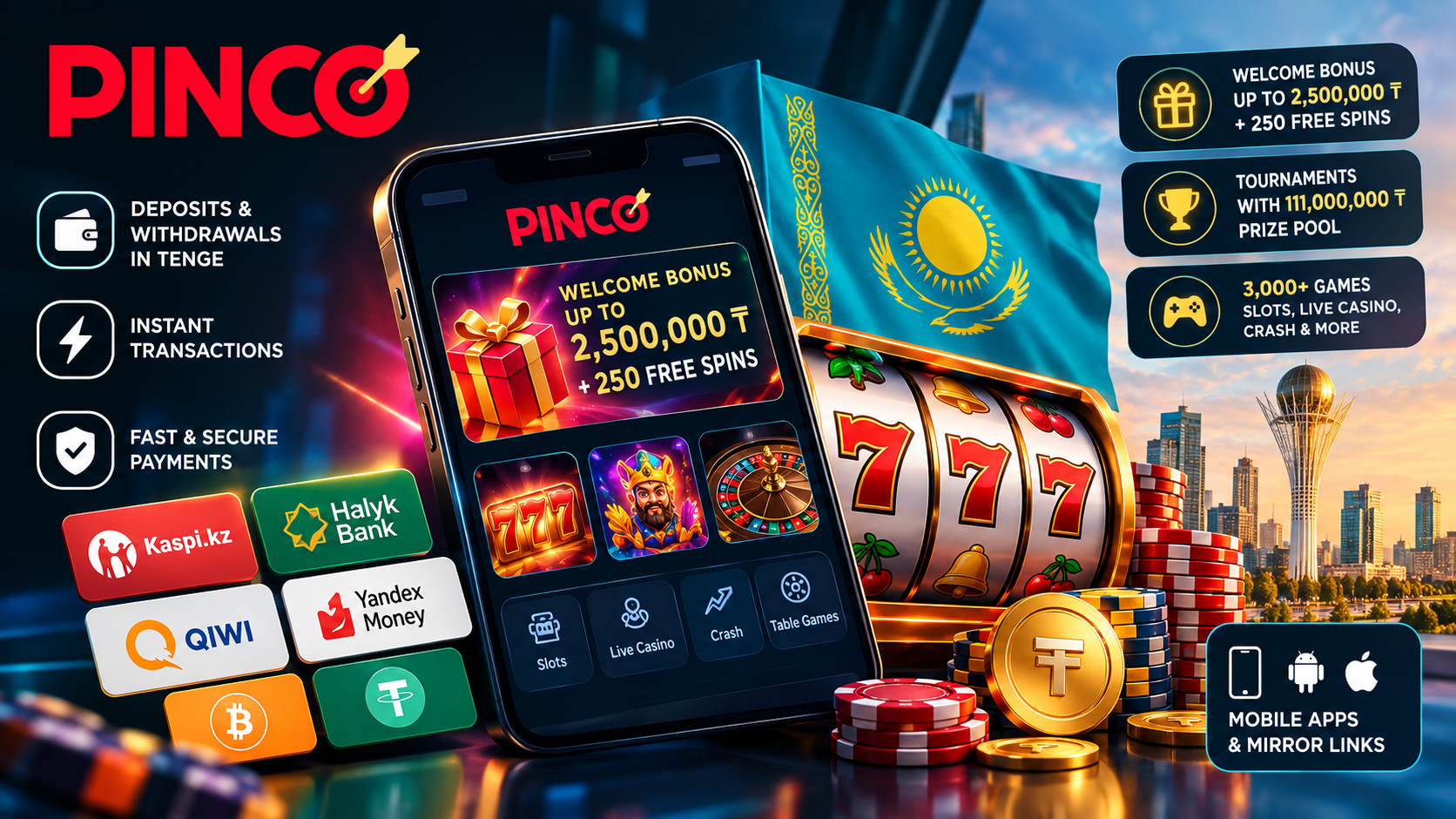
What Pinco Really Offers Players in Kazakhstan: Bonuses and Payouts Explained
A review of Pinco for Kazakh players covering welcome bonuses up to 2,500,000 KZT, fast Kaspi Gold withdrawals, mobile apps, and the game library.
1 Comment
Join the discussion and share your thoughts