Top 10 Best AI Personal Assistant Apps In The World 2026

Table of Contents
The market for AI personal assistant apps has evolved rapidly. What began as simple voice command tools has transformed into a landscape of autonomous agents, on-device intelligence, and deeply integrated ecosystems. As of 2026, the distinction between a chatbot and a personal assistant has blurred significantly. The best apps now do more than answer questions - they manage calendars, draft emails, control smart homes, and execute multi-step tasks across different platforms on your behalf.
We evaluated dozens of AI assistant applications based on user base size, feature depth, ecosystem integration, autonomy, and real-world utility. Our analysis draws on app store ratings, industry rankings from 2025 and 2026, and hands-on testing across multiple devices and operating systems. Below is our ranked list of the top 10 AI personal assistant apps available globally in 2026.
Our evaluation weighed several factors equally. We looked at total active user base and global reach, since an assistant is only useful if people actually use it. We examined the breadth of capabilities - whether the app handles text, voice, images, and task execution. Ecosystem integration mattered significantly, as did the degree of autonomy an assistant offers in completing tasks without human intervention. We also factored in user satisfaction scores from major app stores and independent reviews published in 2025 and early 2026. Finally, we considered each app's ability to operate across multiple devices and platforms.
These Are The Top 10 Best AI Personal Assistant Apps In The World 2026:
1. ChatGPT
OpenAI's flagship AI assistant remains the most-used general AI assistant globally. With over 180 million active users and more than 1.8 billion monthly visits to its web platform as of late 2025, ChatGPT has achieved a level of mainstream adoption that no competitor has matched. Available on iOS, Android, and the web, it supports text, image, and advanced voice modes. The 2025-2026 releases introduced an "agent mode" that can schedule tasks and act across connected services like email and calendars, moving beyond simple Q&A into genuine task execution.
Independent reviews consistently rate ChatGPT at 4.5 to 4.8 out of 5 on major app stores, with users praising its versatility for writing, research, coding, and everyday queries. The breadth of third-party integrations and plugins makes it a central hub assistant for both individual users and businesses. Its ability to browse the web in real time and process uploaded documents gives it an edge over assistants limited to static knowledge. What sets ChatGPT apart in 2026 is not just its raw reasoning capability but the growing automation features that let it act as a true personal agent rather than just a conversational partner.
2. Google Gemini
Gemini represents Google's generative AI assistant, which by 2026 has fully replaced the classic Google Assistant on modern Android phones. Its distribution advantage is staggering - it is installed by default on over 3 billion Android devices, building on the reach of the original Google Assistant. Deep integration into Android, Chrome, Gmail, Docs, and other Workspace apps means Gemini can summarize emails, draft documents, plan trips using Maps and Flights, and execute voice commands at the operating system level for calls, messages, and smart home control.
Reviews of the best AI assistants for Android in 2026 consistently name Gemini as the default choice. On newer Pixel and Galaxy models, Gemini runs on-device using variants like Gemini Nano and Galaxy AI, providing fast, privacy-preserving features such as real-time transcription, call assist, and image editing. The multimodal input capability lets users point their camera at a landmark and ask for information, or upload a photo and request edits. For anyone deeply embedded in the Google ecosystem, Gemini offers the most frictionless experience available.
3. Apple Siri with Apple Intelligence
Apple's Siri received a significant upgrade starting with iOS 18 and macOS 15, powered by what Apple calls Apple Intelligence. Accessible on over 1.5 billion active Apple devices worldwide, Siri now understands richer natural language and can perform cross-app actions. A user can say "find that file John sent and email it to my manager" and Siri will execute the multi-step request. Integration with generative models enables rewriting, summarizing, and smart replies in Mail, Messages, and Notes.
User satisfaction scores for Siri have historically lagged behind Google Assistant, but early reviews of the Apple Intelligence features in 2025 and 2026 show a notable jump in perceived quality and usefulness. The tight integration across iPhone, iPad, Mac, Apple Watch, and HomePod enables hands-free control and shortcuts automation. Apple's emphasis on privacy means on-device processing is used whenever possible, with data staying on the device rather than being sent to cloud servers. While not the most advanced assistant in raw reasoning benchmarks, Siri's deep ecosystem embedding makes it the default daily assistant for hundreds of millions of users.
4. Samsung Galaxy AI
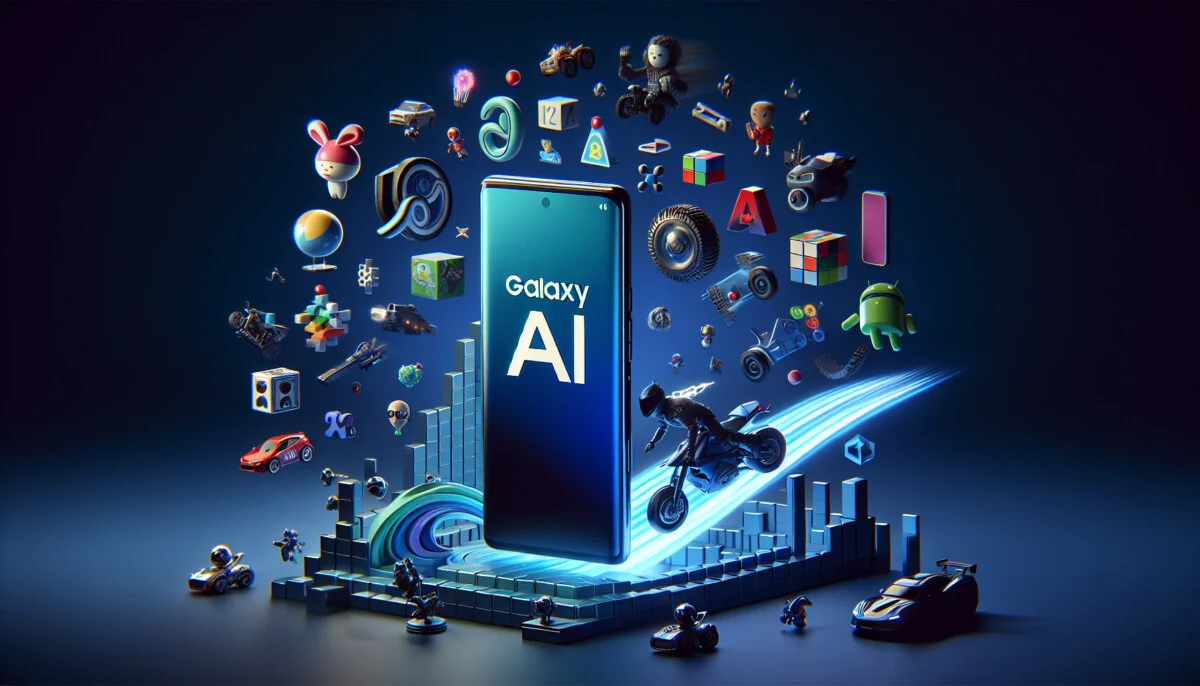
Samsung's Galaxy AI bundle, rolling out on the S24 series and later models, reaches over 500 million active Galaxy devices. This suite of on-device AI features includes Live Translate, Chat Assist, Note Assist, and Circle to Search. Live Translate provides real-time translation during phone calls, a feature that has proven particularly popular with international users and business travelers. Chat Assist helps polish messages in different tones, while Note Assist summarizes long notes and web pages.
Reviews of Android assistants in 2026 highlight Galaxy AI as the best on-device experience for Samsung users, emphasizing low latency and full offline capabilities on flagship phones. Integration with Samsung Notes, Phone, Messages, and Camera creates a practical daily assistant focused on communication, productivity, and media. Circle to Search, developed in partnership with Google, lets users circle anything on screen to get instant search results without leaving the current app. For Samsung owners, Galaxy AI delivers high-impact features that feel purpose-built for the hardware, though its reach is constrained to the Samsung ecosystem.
5. Vellum Personal AI Assistant

Vellum has carved out a distinct position as an open-source personal AI assistant that runs on your own machine or in the cloud and directly operates across your tools. A 2026 guide ranked it as the best overall AI assistant for automating real work, scoring it highest on autonomy, memory, and integrations compared with other agent-style assistants. Vellum connects to email, calendars, project management tools, and CRMs, then performs tasks - drafting and sending emails, updating tasks, or logging CRM entries - rather than just suggesting them.
The persistent memory feature allows Vellum to retain long-term user context and preferences across sessions. This means it remembers how you like your emails structured, which projects you prioritize, and how you prefer to communicate with different contacts. For power users and professionals who need an assistant that actually does work across multiple applications, Vellum ranks at the top. Its smaller mainstream user base compared to ChatGPT or Gemini keeps it mid-list, but among those who need genuine workflow automation, it is the clear leader.
6. Lindy
Lindy focuses on work automation and custom workflows, positioning itself as a platform for teams that want to build task-specific AI agents. A 2026 ranking from Catch listed Lindy as one of the top AI assistants, particularly for organizations needing bespoke AI agents. Lindy's own 2026 roundup calls it the best AI assistant for work overall. The platform manages calendars, handles routine email, coordinates meetings, and integrates with tools like Slack and Google Workspace.
What distinguishes Lindy is its accessibility for non-technical teams. Users can configure complex multi-step workflows without writing much code, setting up agents that handle specific business processes. A marketing team might build an agent that monitors campaign performance and sends daily summaries, while a sales team might create one that qualifies leads and schedules demos. Lindy excels as a professional and team-oriented personal assistant, ranking high in industry lists, though it is less widely adopted as a casual consumer assistant compared to the major platform players.
7. Motion
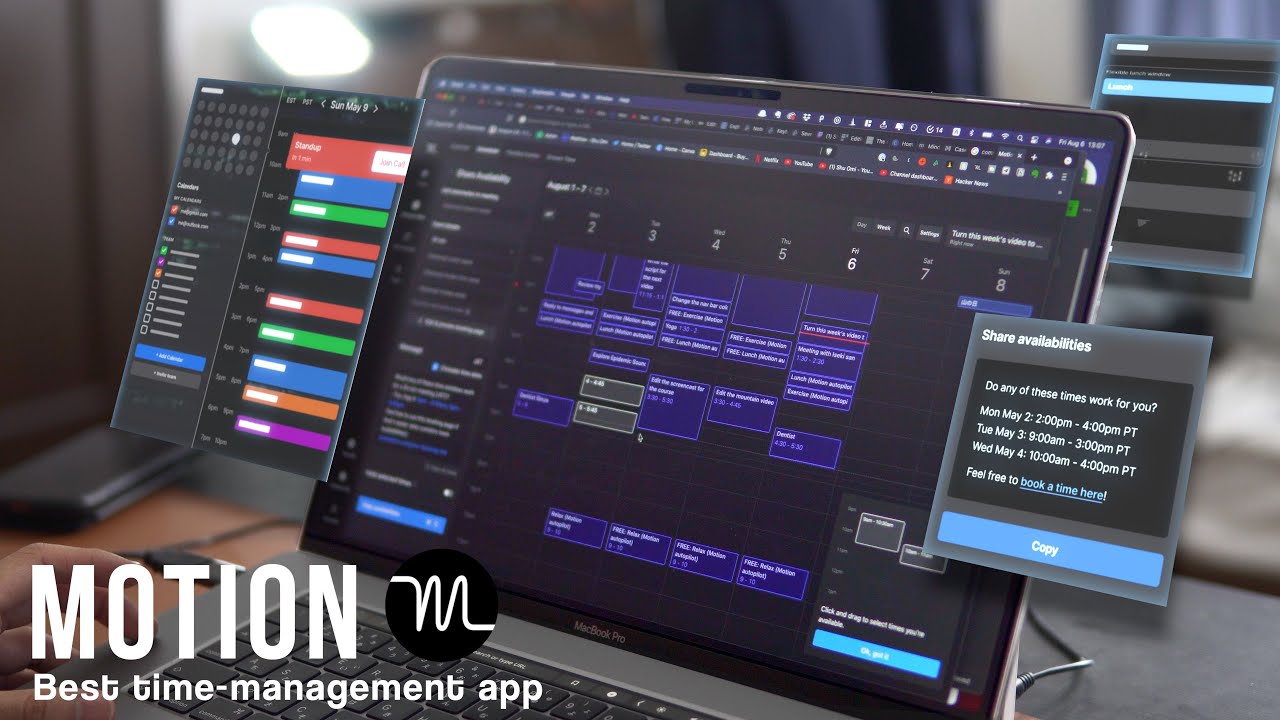
Motion has established itself as the leading AI calendar and project management assistant, with a 2026 executive-assistant ranking identifying it as the best app for automatic schedule building. The platform ingests tasks, deadlines, and meetings, then continuously re-plans your day to maximize focus time and resolve scheduling conflicts. Unlike manual calendar management, Motion adapts in real time - when a meeting runs long or a new urgent task appears, it reshuffles the remaining day automatically.
Integration with Google Calendar and other productivity tools makes Motion practical for knowledge workers and executives who want to offload time-blocking and planning. In Catch's 2026 AI assistant ranking, Motion was highlighted as a top tool for users who want their calendar managed with minimal manual input. The assistant learns from your work patterns over time, adjusting its scheduling preferences based on when you tend to be most productive and which types of tasks you prefer to batch together. Motion is one of the best specialized personal assistants for time management, though its focus on scheduling rather than full-spectrum tasks places it below more generalist apps.
8. Zapia
Zapia positions itself as a mobile AI agent that gets things done for you on your phone, not just a chat interface. With a 4.6 out of 5 rating on Google Play as of 2025, Zapia manages messages, organizes schedules, sets reminders, and compares prices. The app focuses on operating inside real phone applications - messages, calendar, shopping apps - so the outcome is a completed task rather than just a suggestion or draft.
Early users highlight Zapia's usefulness for everyday logistics such as reminder management and simple errands. The app aligns with the modern definition of an AI worker that executes tasks rather than only generating content. If you need to compare prices for a product across multiple retailers, Zapia can do that within the shopping apps on your phone. If you need to set a reminder based on a message you received, Zapia processes that directly. Zapia is a strong mobile-first, task-executing personal assistant, but with a smaller footprint and fewer independent rankings than Vellum or Lindy, it ranks lower in a global top-10 list.
9. Catch
Catch focuses on full executive-style administration, handling email triage, calendar management, and coordination across voice and messaging channels. In its own 2026 ranking of top AI assistants, Catch places itself at number one and describes its strength as providing comprehensive executive administration, including inbox management and scheduling. The platform emphasizes high-quality, repeatable workflows for busy professionals who want to offload admin rather than just get suggestions.
While much of the available data comes from Catch's own analysis, the platform does reflect a broader trend toward AI chiefs of staff that handle complex multi-channel coordination. A user might have Catch manage their inbox, schedule meetings based on priority and context, and coordinate across email, Slack, and phone calls. The assistant learns communication preferences over time and can draft responses in the user's voice. Catch is notably highly capable for executive users, but because its ranking evidence is largely self-published and its user base is smaller than the top general assistants, we have placed it near the bottom of this global list.
10. Amazon Alexa
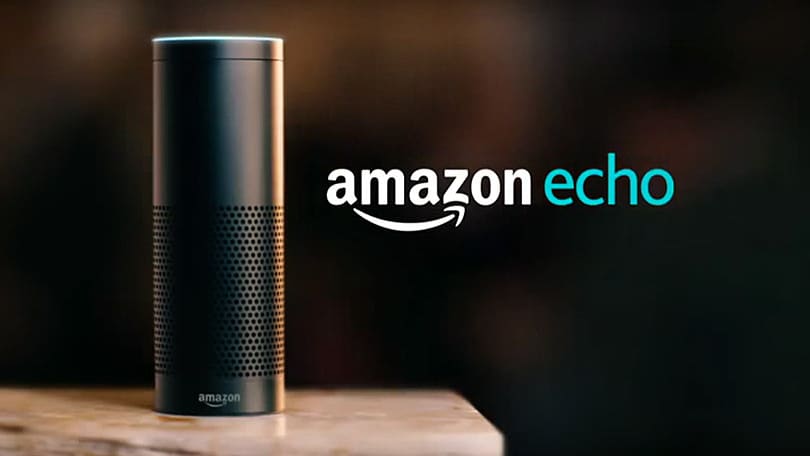
Amazon Alexa remains one of the most widely deployed voice assistants globally, with over 100 million Alexa-enabled devices sold. Its primary strength continues to be smart home control - Alexa can manage lights, thermostats, locks, and entertainment systems across thousands of compatible devices. It handles shopping lists, plays media, manages routines, and answers basic questions through thousands of third-party skills.
While Alexa has not kept pace with ChatGPT or Gemini in generative reasoning capabilities, its massive installed base and strong smart home integrations keep it relevant. Voice assistant guides published in 2026 still list Alexa among the top 10 tools for personal and hybrid business use. The assistant is integrated into Fire TV, Echo devices, and many third-party speakers, making it a staple home assistant. Amazon has been working to bring more advanced generative AI features to Alexa, but as of early 2026, its slower adoption of cutting-edge features and limited work-automation capabilities place it at the bottom of a ranking focused on the best AI personal assistant apps. For users whose primary need is smart home control and basic voice commands, Alexa remains a solid choice.
Related Posts


0 Comments
Join the discussion and share your thoughts
No Comments Yet
Be the first to share your thoughts on this article!