Top 10 Strongest Military Forces In Africa 2026

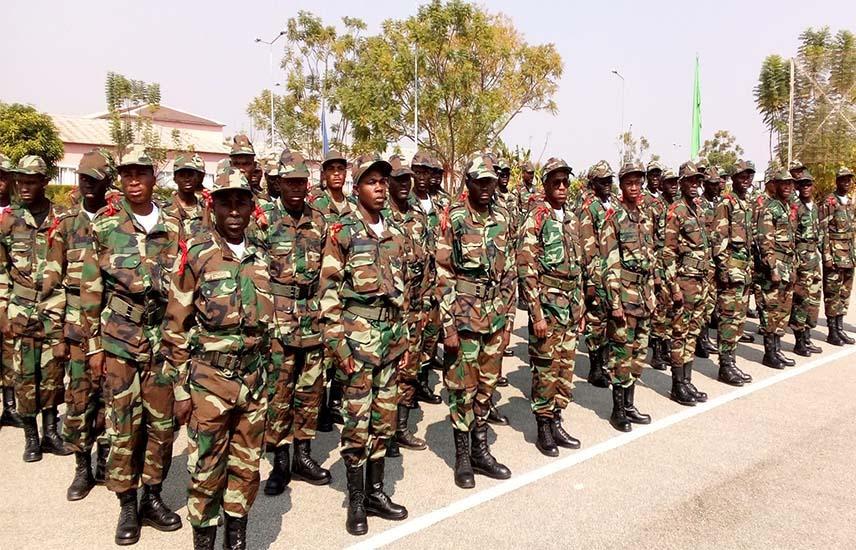
Table of Contents
Alright, let's talk about power. Not the kind that gets decided at a ballot box, but the raw, boots-on-the-ground, jets-in-the-sky kind of power. We're looking at Africa's strongest military forces for 2026. This isn't just about who has the biggest arsenal; it's about who can project force, maintain stability, and, let's be honest, kick some serious butt when needed.
Africa's security situation is always in motion. We see insurgencies, border squabbles, and resource conflicts popping up. Having a strong defense isn't just a nice-to-have; it's a must-have for protecting a country's independence and helping keep the peace across the continent. Many African nations are throwing serious money at modernizing their forces, spending over $50 billion on things like drones, cyber warfare tools, and even building their own weapons. It's a clear signal: they're not messing around.
This push for stronger militaries isn't just about national defense. These forces often work with the African Union and the United Nations, tackling everything from fighting extremists in the Sahel to stabilizing the Horn of Africa. It's a complex picture, but one thing is clear: these armies are doing heavy lifting.
How We Figured Out Who's Strongest: Our Methodology
Now, how do you even begin to measure something like military might? It's not like comparing apples to oranges. You need a solid framework. For this ranking, we're relying heavily on the Global Firepower (GFP) Index for 2026. These folks look at over 60 different factors. We're talking everything from sheer manpower-how many bodies can they put in uniform?-to the quantity and quality of their gear. Money, logistics, even a country's geography-it all plays a part.
The GFP gives each nation a "Power Index" or PwrIndx score. Think of it like golf: the lower your score, the better you are. A perfect 0.0000 is theoretical, but it gives us a baseline. We've also pulled in military budget figures, looked at recent modernization efforts, and considered ongoing conflicts. You'll see a lot of these insights mirrored in our excellent defense analyses, which really dig into the continent's shifting security picture. We've cross-referenced data from other regional analyses too, just to make sure we're getting the clearest picture possible.
Our rankings prioritize a country's GFP global position, but we've adapted it for an Africa-specific list. We've factored in the latest developments, like new equipment deals, ongoing regional conflicts, and where countries are putting their defense dollars. For instance, we've kept an eye on budget surges in North Africa and the sheer manpower advantages in places like West Africa. for example, really highlighted Egypt's naval expansions in their January 2026 defense review, which shows a definite shift in power dynamics.
And listen, these aren't just sterile numbers. We've tried to get a sense of what makes these forces tick-and sometimes, what makes them stumble. Every military has its quirks, its frustrations, the stuff that makes the soldiers on the ground groan. We're trying to capture a bit of that too. This isn't just a list; it's a snapshot of a continent's evolving defense landscape. We're looking at who's actually got the muscle to back up their intentions.
These Are The Top 10 Strongest Military Forces In Africa 2026:
1. Egypt
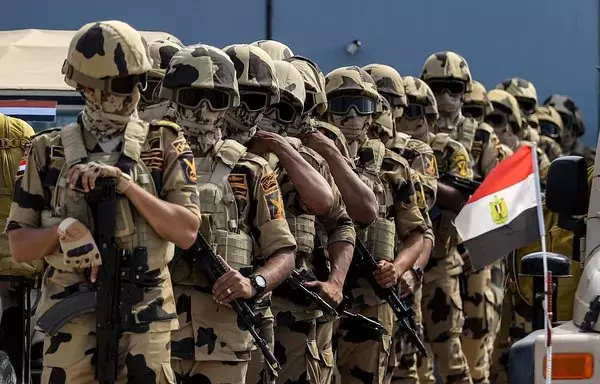
Egypt isn't just at the top of this list; it's in a league of its own. Globally, it sits at 19th with a PwrIndx of 0.3651, making it the undisputed military powerhouse in Africa. When you look at manpower, Egypt has an incredible pool of over 45 million people available for service. That translates to a massive active force of 440,000, plus almost half a million reservists. This isn't just about numbers; it's a huge strategic advantage, allowing them to staff a large, diverse military across all branches.
On the ground, Egypt's tank fleet is simply massive, with well over 2,000 tanks-many of them modern American Abrams and Russian T-90 designs-giving them a huge advantage in desert warfare. They also boast thousands of armored vehicles, self-propelled artillery, and rocket systems, all battle-tested from operations in the Sinai. Up in the air, they've got a formidable force of over 1,000 aircraft, including advanced Rafale and F-16 fighters, Apache attack helicopters, and a solid transport fleet for rapid deployment. The navy is equally impressive, with two helicopter carriers, 13 frigates, and 8 submarines, crucial for safeguarding the Suez Canal and their interests in the Mediterranean and Red Sea. Recent acquisitions, like new German submarines and upgrades to their Apache helicopters, only cement their lead.
2. Algeria
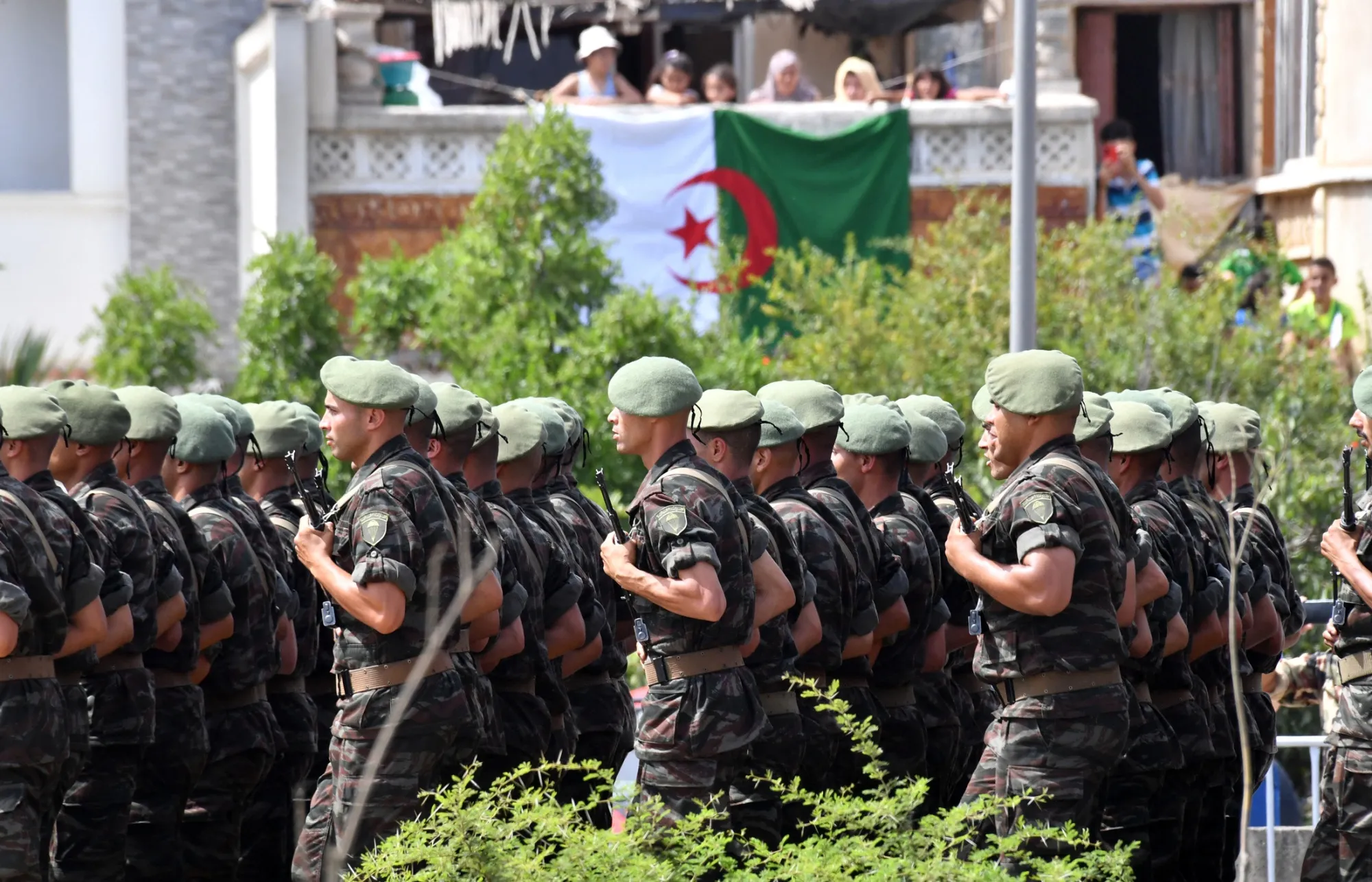
Algeria holds a solid second place, sitting at 27th globally with an estimated PwrIndx around 0.45. This country isn't shy about spending big on its military, with a defense budget that has reportedly exploded to over $25 billion-the highest in Africa. They've poured that money into acquiring some serious hardware, primarily from Russia and China, focusing on protecting their vast borders and critical energy infrastructure.
Their manpower pool is substantial, with around 45 million people available for service, supporting an active force of 130,000 and 150,000 reservists. On the ground, Algeria commands a sizable tank fleet, including advanced T-90s, backed by thousands of armored vehicles and a wide array of artillery systems. This ground force is well-suited for operations across their immense desert territories. In the air, they have a formidable force of over 320 fighters, including Su-30MKs, and a significant number of attack helicopters, giving them clear air superiority in the region. Their navy includes six submarines and a fleet of 185 vessels, which is nothing to sneeze at.
Recent developments, like the procurement of S-400 missile defense systems and reports of deals for Su-57 stealth jets, show Algeria's commitment to staying at the forefront of military technology. They've also been shifting towards indigenous drone production, a smart move. praised Algeria's "fortress doctrine" in its 2026 issue, highlighting their focus on robust border security.
3. Nigeria
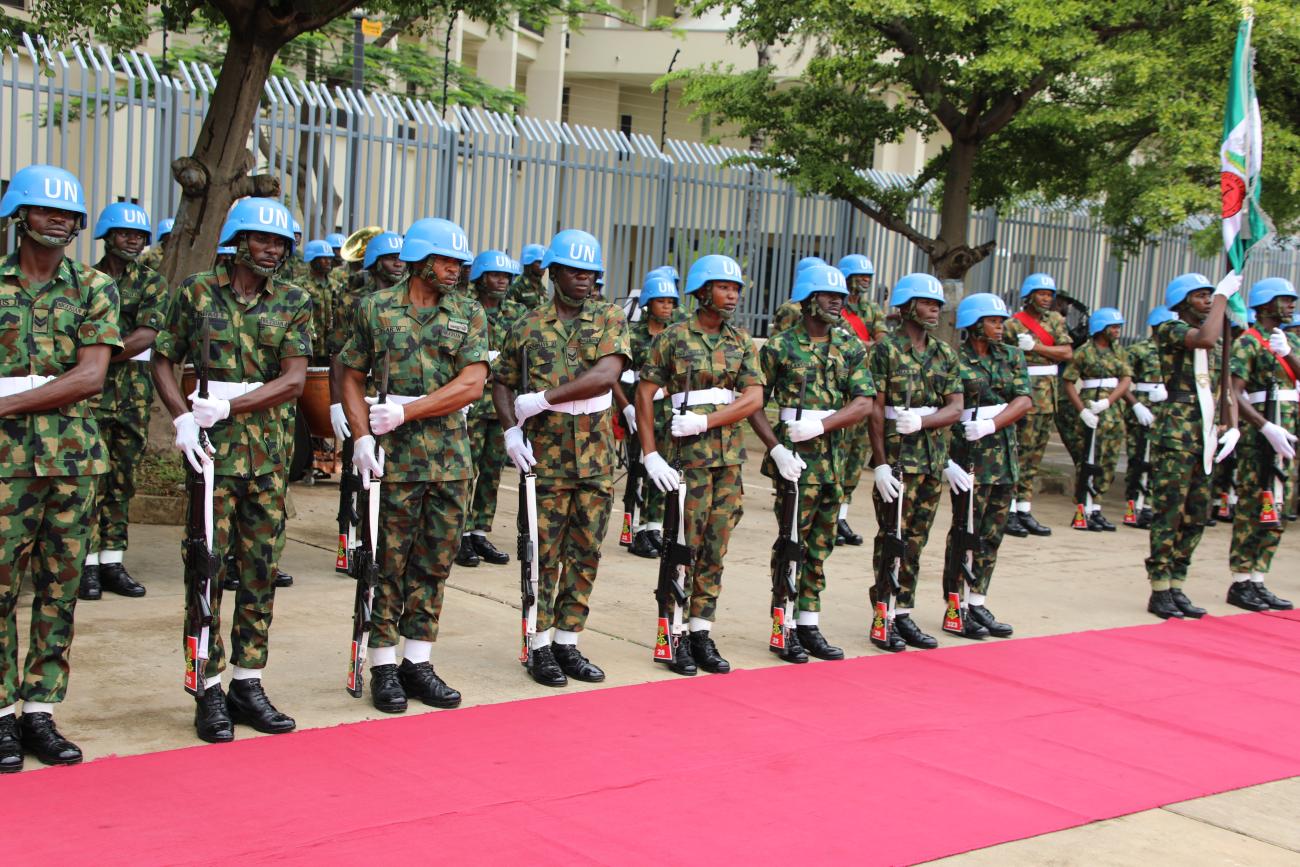
Nigeria's ascent to third place (33rd globally, PwrIndx 0.6097) is a big story for 2026, largely driven by its enormous manpower and an intensifying focus on internal security. With over 125 million people available for service, Nigeria has Africa's largest pool of potential recruits. This fuels an active force of over 230,000, backed by around 50,000 reservists, giving them the numbers needed to tackle widespread threats like Boko Haram and banditry.
Their ground forces, while not as heavily armored as Egypt's or Algeria's, are significant, with over 300 tanks and thousands of armored vehicles. They've been investing in counter-insurgency capabilities, which makes sense for their operational realities. The Nigerian Air Force is growing, with more than 150 aircraft, including JF-17 fighters and Super Tucanos, proving crucial for close air support in internal conflicts. But it's the Nigerian Navy that really stands out. With 107 patrol vessels, it's considered Africa's strongest navy, essential for combating piracy in the Gulf of Guinea and protecting vital oil infrastructure. Recent budget hikes, reaching $3-4 billion, have gone into local production of aircraft and the acquisition of Turkish Bayraktar drones, significantly impacting their fight against insurgencies.
Nigeria's leadership role in ECOWAS means they're not just looking inward but also projecting power regionally. However, one specific annoyance for Nigeria's military is the persistent issue of logistical strains across its vast territory.
4. South Africa
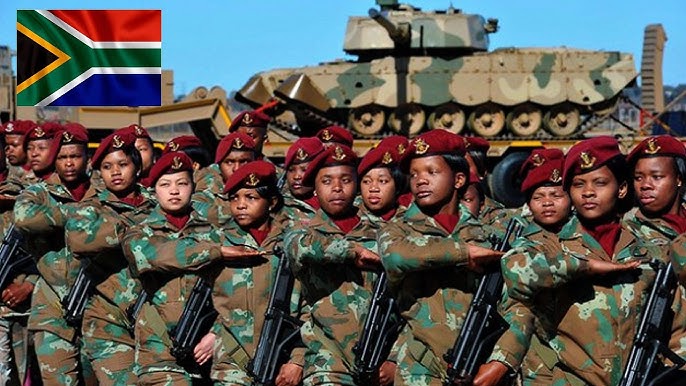
South Africa's military secures the fourth spot, ranking 40th globally with a PwrIndx of 0.6843. What sets them apart is their focus on a professional, technologically advanced force, prioritizing quality over sheer numbers. They have a respectable manpower pool of almost 28 million, but their active force is smaller, at 71,235, supported by 29,350 reservists. This is a deliberate choice for a highly trained, modern army.
Their ground forces are equipped with around 195 tanks and over 12,000 armored vehicles, many of them domestically produced, like the Badger IFVs. They also boast advanced self-propelled artillery, showcasing their indigenous defense industry, Denel. In the air, the South African Air Force operates a small but capable fleet, including Gripen fighters and Rooivalk attack helicopters, known for their effectiveness. The navy, while not huge, has a modern frigate fleet and submarines, important for protecting their extensive coastline and maritime interests.
The budget for South Africa's military is around $2.3-3.1 billion, which helps fund ongoing upgrades and operations, particularly in Mozambique. They're known for high training standards and their role in SADC peacekeeping operations. However, the one thing that really grates on me about South Africa's military is the constant budget cuts they've faced over the years.
5. Ethiopia
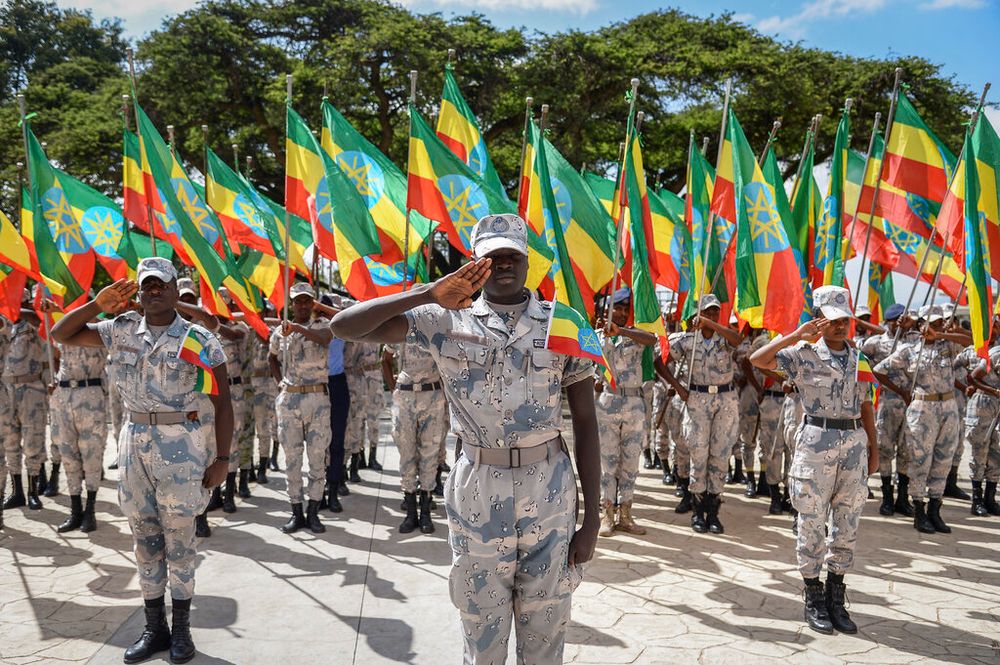
Ethiopia, despite recent internal conflicts, maintains its position as Africa's fifth strongest military, ranking 47th globally with an estimated PwrIndx of 0.75. Their strength comes from a massive manpower pool of over 110 million people, enabling an active force of 162,000, with even larger reserve capabilities. This sheer scale allows them to project power and maintain a significant presence in the volatile Horn of Africa.
The Ethiopian ground forces are substantial, with over 400 tanks and thousands of artillery pieces, which have seen heavy use in recent years. Their air force, though not as transparently detailed as others, operates Su-27 fighters and has been bolstered by recent acquisitions of Chinese drones, providing crucial air support capabilities. Being landlocked, Ethiopia's naval presence is limited to riverine forces, but this is tailored to their geographical realities. Recent investments, including Turkish tanks, show a continued effort to modernize their equipment, particularly in response to regional tensions and their ongoing role in Somalia.
The GFP credits Ethiopia's sheer numbers for its regional projection, noting its recovery from internal strife. They've also seen internal reforms improve logistics post-2022, which is critical for a large army operating across challenging terrain. However, the constant internal political divisions and ethnic tensions are a real headache for the Ethiopian military.
6. Angola
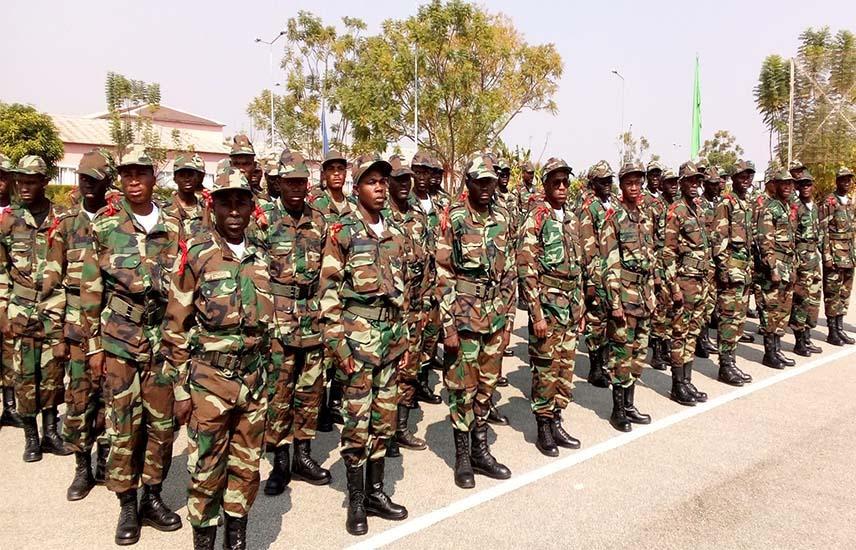
Angola comes in at sixth place, 59th globally, with an estimated PwrIndx of 0.90. This is a country that's been steadily rebuilding its military, largely fueled by its oil wealth. With a manpower pool of around 35 million, they maintain an active force of 107,000 personnel. Their post-civil war modernization efforts have been significant, transforming their forces into a more professional and capable entity.
On land, Angola operates over 300 tanks and has seen a surge in armored vehicle acquisitions. Their air force is particularly noteworthy, with new Su-30 fighters (around 12 of them) giving them a modern air combat capability. The navy, while smaller than some of the North African giants, has over 50 patrol craft, crucial for protecting their maritime interests and oil platforms along the coast. Economic recovery has allowed for substantial aircraft buys in 2026, and they're increasingly playing a role as a stabilizer in Central Africa, strengthened by recent Chinese deals.
The GFP notes their professionalism as a post-civil war force. However, one frustration for Angola's military is the lingering issue of corruption. While they're spending big on new equipment, there's always a question mark over how efficiently and effectively those funds are being used. It's an issue that can erode morale and ultimately impact operational readiness, no matter how much money is thrown at it.
7. Morocco
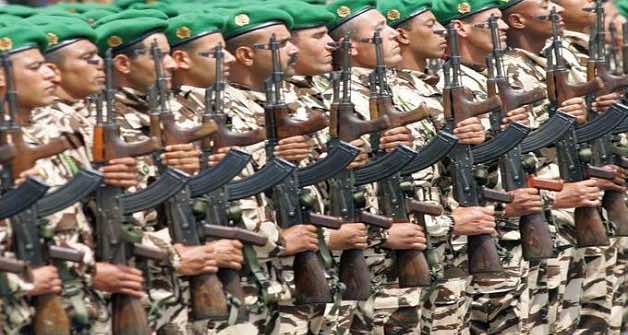
Morocco lands in seventh place, ranking 56th globally with an estimated PwrIndx of 0.85. What makes Morocco stand out is its strong ties with Western powers, particularly the U.S., which has given them access to some seriously advanced equipment. With a manpower pool of around 38 million, they maintain an active force of over 200,000, supported by a large reserve component.
Their ground forces are equipped with over 1,000 tanks, including modern M1 Abrams, making them a formidable land power. The Royal Moroccan Air Force is one of the continent's most modern, operating a fleet of 48+ F-16s, which are constantly being upgraded. They've also been expanding their drone capabilities, a smart move for surveillance and targeted strikes, especially in the context of the Western Sahara dispute. The Moroccan Navy is also quite robust, with over 100 vessels, including frigates and corvettes, giving them significant coastal and maritime patrol capabilities.
Morocco's defense budget is substantial, around $13.4 billion, reflecting its commitment to military strength and its strategic position. Recent 2026 U.S. pacts and drone expansions underscore their focus on countering threats from the Sahel and the Western Sahara.
8. Democratic Republic of the Congo
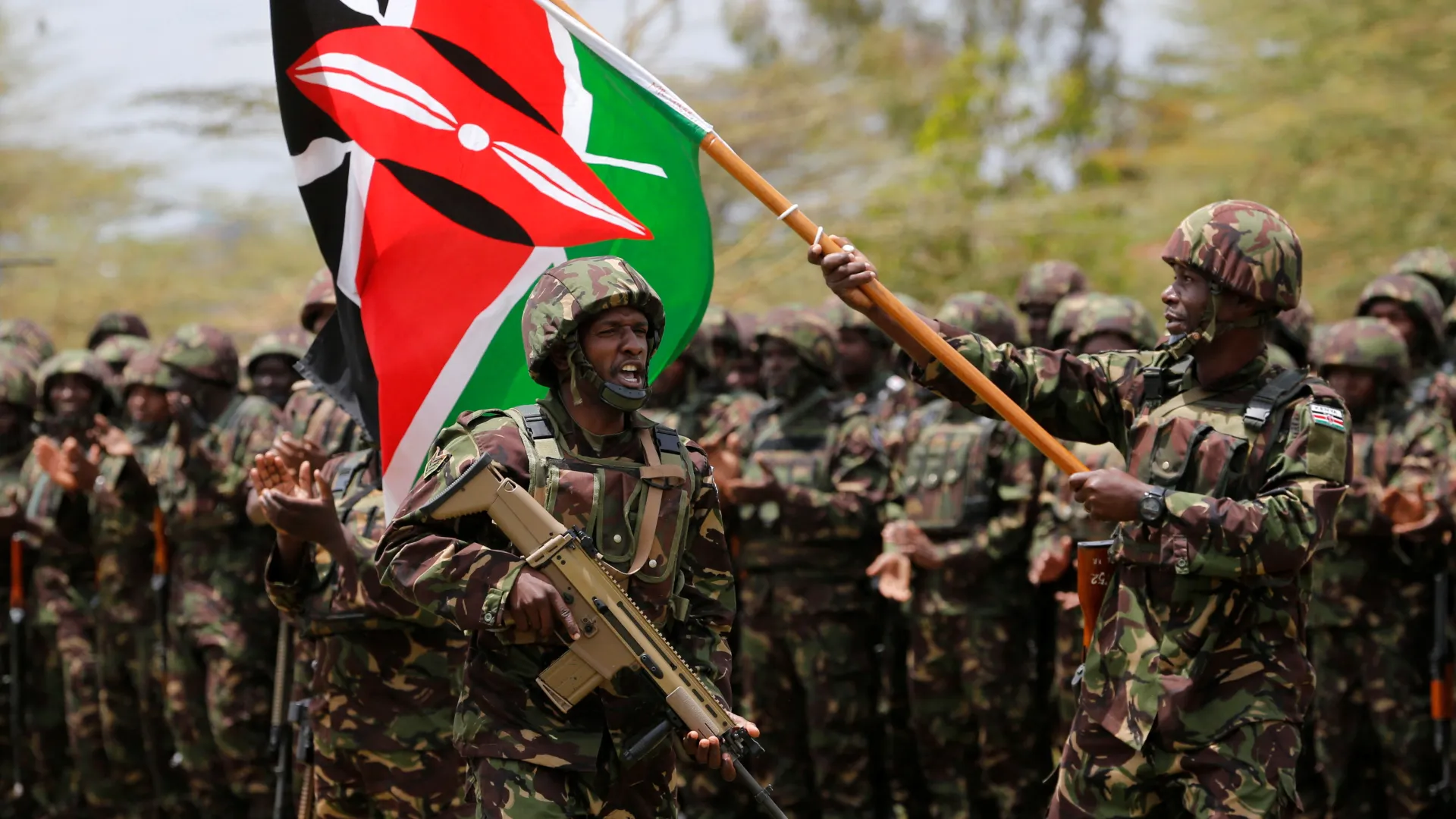
The Democratic Republic of the Congo (DRC) is a country of immense potential, and its military, ranking 64th globally with an estimated PwrIndx of 1.00, reflects that. With a staggering manpower pool of over 100 million people, they have a deep bench for recruitment, supporting an active force of 166,000. This is a force that's constantly engaged in operations, particularly against rebel groups like M23.
While their equipment numbers might not match the North African leaders, they are actively modernizing, with recent acquisitions including Chinese and Yak-130 jets. Their ground forces focus on tanks and artillery, essential for operating across the DRC's vast and often challenging terrain. Logistics have seen some upgrades, often with support from UN missions like MONUSCO, which is crucial for a country of this size. The GFP ranks the DRC for its sheer potential, recognizing that with consistent investment and stability, this force could become even more formidable.
Recent 2026 MONUSCO transitions are helping to fund further modernization efforts, particularly in their anti-M23 operations. However, the one big annoyance for the DRC's military is the persistent issue of fragmented command and control. With so many different factions and regional power players, ensuring a unified, disciplined fighting force can be incredibly difficult, often leading to inefficiencies and coordination problems on the battlefield.
9. Tunisia
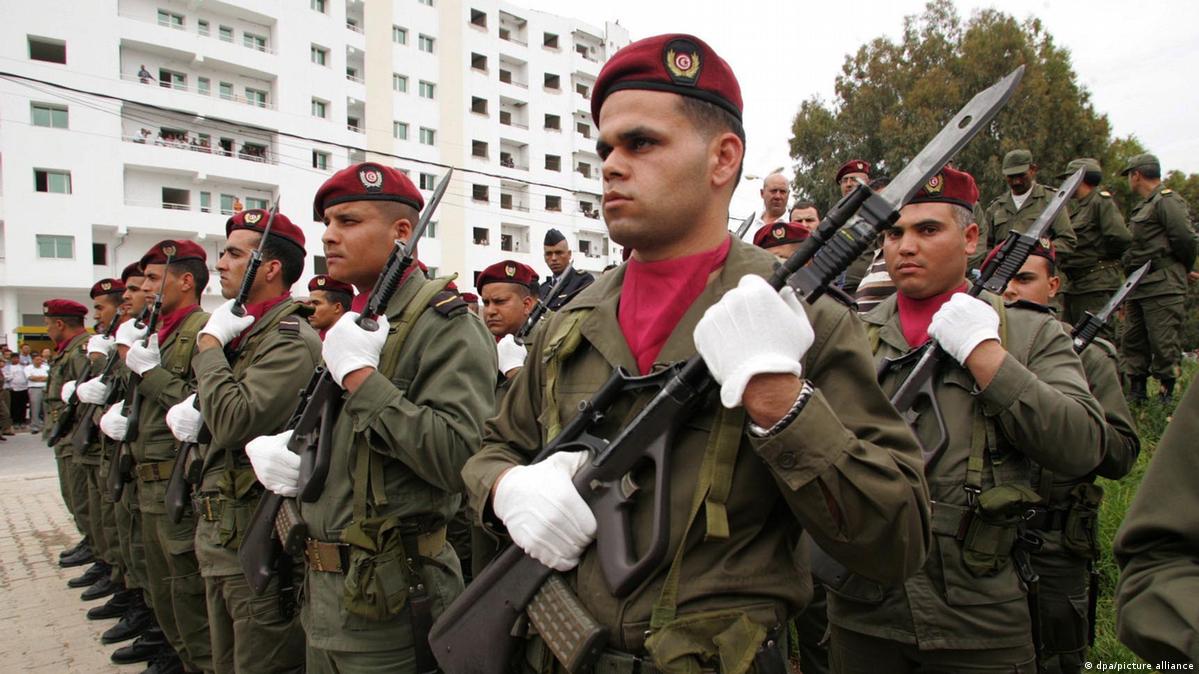
Tunisia's military might not be the biggest on this list, but it's an efficient, well-trained force that ranks 79th globally with a PwrIndx of 1.7823. With a manpower pool of over 6 million, they maintain an active force of 35,800 personnel. Their strategy leans towards quality and specialized training rather than overwhelming numbers, making them an agile defender in a volatile region.
Their air force operates modern F-16s (around 12 of them) and C-130 transport planes, emphasizing rapid response and precision. On the ground, they have a capable, if smaller, array of tanks and armored vehicles, suitable for their coastal defense priorities and internal security needs. Their coastal defense capabilities are particularly strong, crucial for guarding against threats spilling over from neighboring Libya. The GFP consistently values Tunisia's strong partnerships with NATO, which provides them with training, equipment, and strategic support.
Post-2025 reforms have significantly boosted their training programs, ensuring their forces remain sharp and ready. However, the biggest annoyance for Tunisia's military is the economic limits on its scale. While they excel at quality, the reality of their national budget means they can't afford the sheer volume of advanced equipment or the large troop numbers of their neighbors. It's like having an elite special forces unit, but not enough of them to cover every potential threat simultaneously.
10. Libya (The Re-Emerging Force)
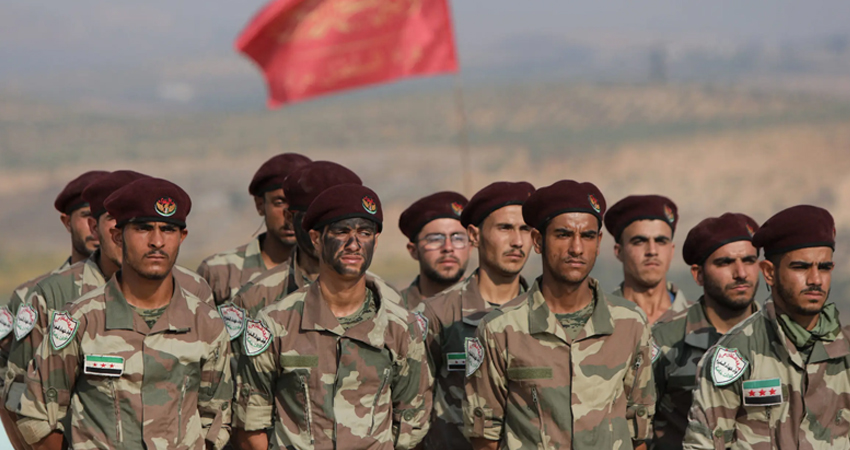
Libya rounds out our top ten, ranking 76th globally with an estimated PwrIndx of 1.4449. This might surprise some, given its recent history of instability, but the country's vast oil wealth is allowing for a significant, albeit fractured, military rebuild. With a manpower pool of around 30 million, they maintain an active force of 32,000, bolstered by a large paramilitary component totaling 100,000. This is a force that's consolidating after years of internal conflict.
Their ground forces rely on a mix of legacy equipment, including tanks and MiG aircraft drawn from existing stockpiles. The air force, while still recovering, has around 143 planes, including some fighters and attack helicopters. The navy is small but present, with five ships, including a corvette and patrol vessels, crucial for protecting their Mediterranean coastline. With a budget of over $3 billion, funded by oil revenues, Libya has the financial muscle to re-establish a more unified and capable military.
The hope is that the UN's unity pacts in 2026 will stabilize their forces, allowing them to truly reclaim their military legacy in the Mediterranean. However, the biggest annoyance for Libya's military is the persistent factionalism. Even with unity talks, the deep divisions and allegiances that have plagued the country for years make it incredibly difficult to create a truly cohesive and loyal national army. It's a constant struggle to ensure all units are pulling in the same direction, rather than operating independently or, worse, against each other.
Key Trends and What's Next
Looking at this list, a few things jump out. North Africa clearly dominates, with four of the top ten spots and defense budgets totaling over $45 billion. That's a huge contrast to sub-Saharan Africa, where the emphasis often remains on sheer manpower. We're also seeing a clear trend of drone proliferation across the continent, with countries like Nigeria and Ethiopia investing heavily. Naval builds are another big one, especially with Egypt and Algeria expanding their blue-water capabilities.
Nubia Magazine has really nailed this with their "tech leapfrog" analysis, pointing out how African militaries are skipping older technologies and jumping straight to advanced solutions. Experts from Business Insider note that many African nations are seeing 10-15% improvements in their GFP scores due to these modernization efforts. But it's not all rosy. Global Firepower still highlights significant logistics gaps across the continent, which can hamper even the best-equipped forces.
Related Posts

Top 10 Female Hockey Players in 2026: Meet the Game's Brightest Stars
Women’s ice hockey has experienced significant growth and development by 2026, with players from all over the world demonstrating outstanding skill, leadership, and commitment to the sport. The following is a detailed summary of the top ten female hockey players in the world in 2026, emphasizing their contributions to the game and their impact on […] More

Top 10 Best Hospitality Schools In The World (2026 Update): Where Tomorrow's Leaders Train
The world’s top hospitality schools continue to be essential in the context of a global economy because of their emphasis on offering exceptional guest experiences and high-quality service. People who want to work in hotels and other hospitality-related fields are actively looking for educational opportunities that will equip them with the skills and knowledge they […] <a class="g1-link g1-link-more" href="https://nubiapage.com/top-10-best-hospitality-schools-in-the-world-2024-up
Top 10 Greatest Packer Players in the World 2026: Surprising Picks & Legends
The Green Bay Packers, which are considered to be one of the most illustrious franchises in the history of the National Football League, have, throughout its existence, boasted a roster of remarkable talent. The history of the Packers is filled with players that have stood out for some reason, whether it be their iconic Super […] More

Top 10 Biggest Concert Stadiums In The World 2026
In 2026, the world of concert venues includes some of the biggest and most famous stadiums, known for hosting huge crowds and providing live music experiences that are unmatched. The following is a list of the ten largest concert stadiums in the world: List Of Top 10 Biggest Concert Stadiums In The World 2026 1. […] More
6 Comments
Join the discussion and share your thoughts