Top 10 Richest Software Developers In The World 2026


Table of Contents
These lines of code have the potential to be turned into world-changing platforms, innovative tools, and fortunes of inconceivable scope. The digital environment is a modern-day frontier, a domain where these things can be accomplished. Not with bricks and cement, but with logic, algorithms, and a spark of creative inspiration, this is the world that has been constructed. The software developers are the masterminds who were able to understand the language of computers and, as a result, have reinvented every element of our modern existence. They are the builders of this new world.
The path that lead from a lonely developer’s desk to the pinnacle of global wealth is a story that is replete with unrelenting invention, brilliant strategic thinking, and occasionally a dash of serendipity. The persons in question did not only compose code; rather, they saw voids in the human experience and filled them with digital answers. They recognized the potential for connection, for efficiency, for entertainment, and for business long before the rest of the world caught up. They saw the possibility for connections. Compilers and debuggers were the tools that they utilized in order to construct the very foundations upon which life in the 21st century is built.
The domination of wealth in the technology sector is more pronounced than it has ever been before, as we look ahead to the financial environment of 2026. The rankings that we are going to look at today are not simply a list of digits that represent a company’s net worth; rather, they are a demonstration of the everlasting value of software-based business strategies. Although the origins of these enormous riches are as varied as the developers themselves, they all have one thing in common: a core understanding of software development. These fortunes come from a variety of sources, including social networking and operating systems, cryptocurrency, and digital payments.
Within the scope of this special feature, Nubia magazine dives deeply into the lives and accomplishments of the visionaries who have risen to the very pinnacle of their respective fields. It is a celebration of their technical brilliance, their entrepreneurial zeal, and the everlasting impressions they have left on our world that this list of the Top 10 Richest Software Developers in the World 2026 has been selected. Be prepared to be motivated by the experiences of the people who began with a straightforward concept and a text editor, and who ultimately went on to shape the future of our collective community.
Top 10 Richest Software Developers In the World 2026 List
1. Mark Zuckerberg

The narrative of Mark Zuckerberg’s claim to be the Richest Software Developer In The World 2026 began in a Harvard dorm room and has now grown to include almost three billion people. A lot of people know him as the CEO of Meta, yet at his core, he is still a builder. Zuckerberg wrote the first code for “Thefacebook,” which made a clean, effective, and private social directory that would serve as the model for how people connect online today. His technological skills were seen not only in the site’s inception but also in how quickly it was able to grow. Zuckerberg’s fortune, which comes mostly from his Meta assets, has gone up and down a lot, but his decision to go toward the “metaverse” shows that he has a long-term vision. He is wagering that the next step in the internet’s evolution will be a persistent, embodied experience, and he is using the company’s huge resources and his own coding legacy to make it happen. Even though the market is skeptical, this forward-thinking approach shows how a developer thinks: they want to address the next major problem. Zuckerberg’s goal is no longer only to connect people; he wants to build whole new digital worlds for them to live in. This goal keeps him at the top of the tech riches ladder.
2. Bill Gates

Bill Gates, the man who started the commercial software business, is on every list of the richest software developers. Before Microsoft, software and hardware were commonly sold together. Gates had the brilliant idea that the operating system and the programs that ran on it were the true value. He was just as good at business as he was at technology. He secured an agreement to provide the operating system for IBM’s first PC, which became MS-DOS, and eventually the Windows empire that ruled the world. Gates is no longer involved with Microsoft, but his wealth is still very much tied to the software giant he co-founded. He left behind more than simply the code he produced in the early days. He also created a culture of software development that focused on making powerful, ubiquitous platforms. Today, his influence reaches through the Bill & Melinda Gates Foundation, where he uses a data-driven, almost algorithmic method to solve the world’s biggest health and development problems. This shows that a developer’s way of thinking about problems can have a big effect on things outside of the digital world.
3. Rasmus Lerdorf

Rasmus Lerdorf’s tale shows how a basic, useful tool may become the foundation of the internet. Lerdorf didn’t want to invent a programming language that would rule the world; he only wanted to keep track of who was looking at his online CV. He wrote a group of C programs that he termed “Personal Home Page/Forms Interpreter,” or PHP. This simple start hides the revolutionary nature of what he made. PHP was the first language that could be easily embedded straight into HTML, which made dynamic web programming possible for millions of people. Lerdorf may not be as well-known as some of the other people on our list, but his work has had a huge effect. For many years, PHP powered most of the web, including early versions of Facebook and Wikipedia. The language gave a generation of developers the tools they needed to make interactive webpages without having to know a lot about systems programming. A lot of businesses have benefited from the widespread use of PHP and its prominent role in the LAMP (Linux, Apache, MySQL, PHP) stack. Lerdorf is one of the richest and most important software developers in history because of the money he made from his continuous influence, advisory responsibilities, and the foundational significance of his innovation.
4. Elon Musk

People praise Elon Musk as the CEO of Tesla and SpaceX today, but his narrative starts with software. He learned how to program on his own when he was a kid, and by the time he was 12, he had made and sold the source code for a video game called Blastar. He made his first big money not from rockets or electric automobiles, but from a software business called Zip2. He helped start the company, which made business directories and maps for newspapers, and he created a lot of the programming himself. X.com came next. It later became PayPal after a merger and changed the way people pay online. Musk’s current riches comes mostly from his innovative work in physical-world technologies, although he is still known as a hands-on creator. He is known for getting inside the code at his firms, especially at Tesla, where he is in charge of building the complicated software that runs the cars’ autopilot systems and user interfaces. He acts like a lead architect who knows the codebase inside and out. This person is one of a kind on this list since he is both a software genius and an adventurous engineer. He utilized his initial software wealth as a launchpad to change several industries throughout the world.
5. Larry Page
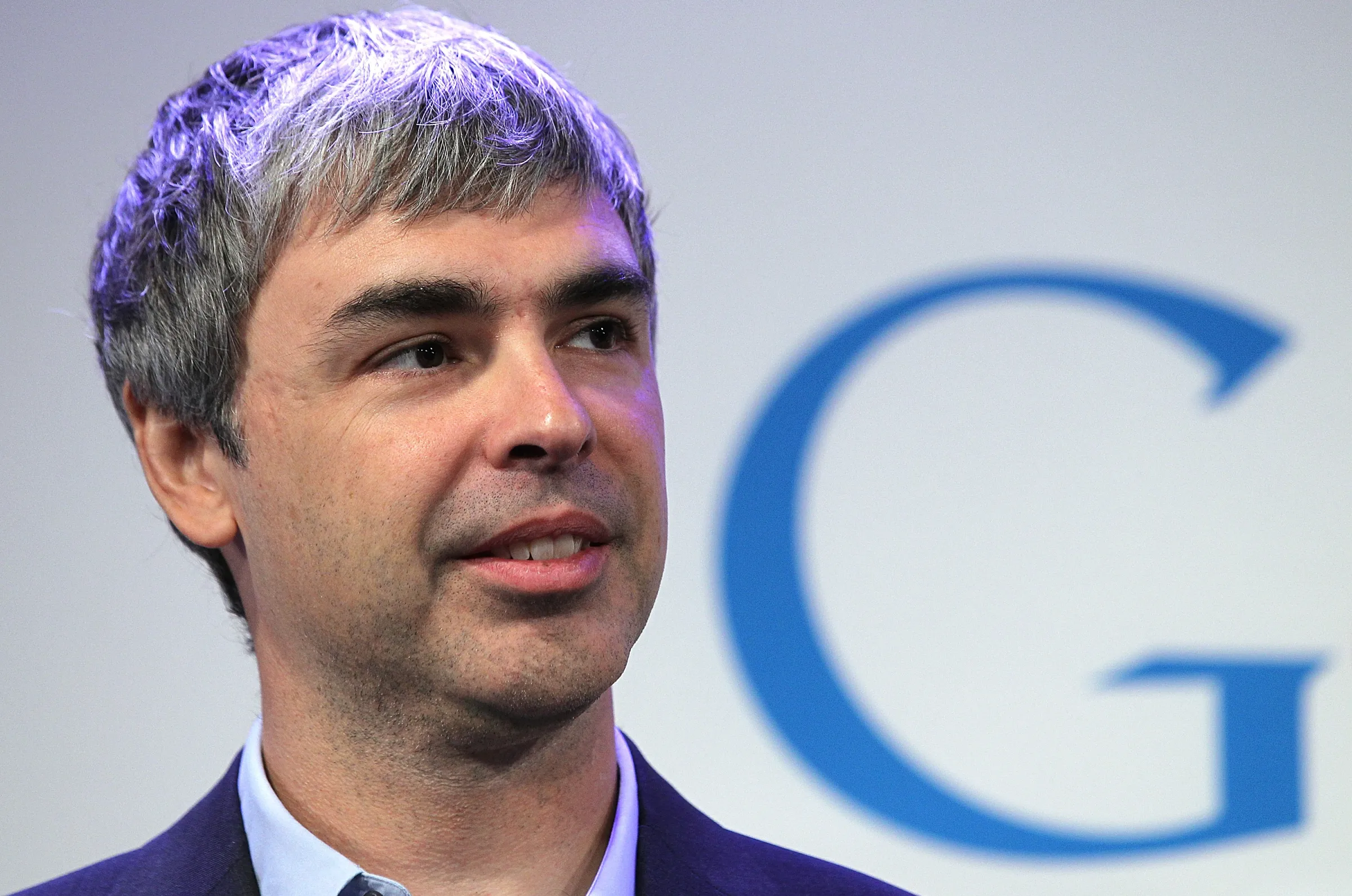
The algorithm that Larry Page devised to arrange the world’s knowledge is what he did to help make software. PageRank, the algorithm that makes up the core of Google, was created by Page while he was working on his PhD at Stanford. This wasn’t simply another search tool; it was a novel method that ranked websites based on their inherent “value” as assessed by incoming links, emulating academic citation. It was co-developed with Sergey Brin. The code he built was the foundation for a search engine that was a huge improvement above everything that came before it. Page’s technological knowledge went beyond the search bar. He wanted to construct a firm that could solve big issues by using size and intelligence. This led to the creation of Google’s world-class infrastructure and the development of game-changing products like Android. His wealth comes from his founding investment in Alphabet Inc., which is the parent company of Google. This is a direct result of his work as a developer. He left behind a lens through which all of humanity can see the digital universe, a piece of software engineering that still brings in huge amounts of money., we think that his methodical approach to innovation is still a good example of how to be a tech leader.
6. Satoshi Nakamoto

The narrative of Satoshi Nakamoto is the most mysterious and interesting one in the history of software development. This person or group, who goes by a fake name, invented Bitcoin, which was the first decentralized digital currency to work. Nakamoto wrote the Bitcoin whitepaper in 2008. In early 2009, they launched the first version of the Bitcoin client and mined the first block of the blockchain. The code was well-written, strong, and fixed the long-standing “double-spend” problem in digital cash without a central authority. Nakamoto’s wealth is based on guesses about how many Bitcoins he mined early on and never transferred. If Nakamoto still had those coins, they would be worth a lot more in 2026, making him one of the richest individuals on Earth. But their exact identity is still one of the biggest mysteries on the internet. But their coding had a huge effect, starting the whole cryptocurrency and blockchain revolution, making a trillion-dollar asset class, and changing how we think about money and trust. Nakamoto is the best example of a developer whose purely intellectual work made them a lot of money, without being tied to a regular company structure.
7. Gavin Andresen
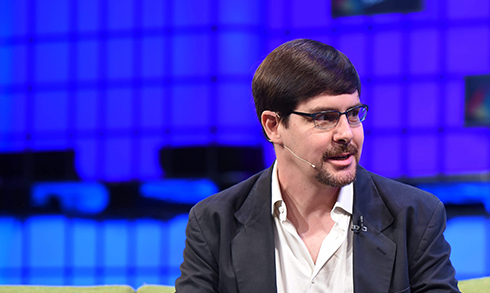
After Satoshi Nakamoto went missing, the Bitcoin project needed someone to keep things on track. Gavin Andresen was the one who had that hand. Andresen was a skilled software developer, and Nakamoto designated him the chief maintainer of the Bitcoin client. This made him the project’s technical leader throughout its early years, when it was still quite unstable. He played a big part of fixing problems, making the code more stable, and helping the Bitcoin open-source community of developers flourish. Andresen is rich because he became involved with Bitcoin early on and owns a lot of it, which has gone up a lot in value. His contribution was more than just developing code; he also gave the new technology the credibility and technical leadership it needed to become popular. His later push for a bigger block size caused conflicts in the community, but there is no doubt that he helped Bitcoin grow from a little-known cryptography experiment to a strong global network. He is a great illustration of how working on a core open-source project can pay off big time.
8. Chad Mureta

Chad Mureta shows a fresh way to get rich in software: the huge growth potential of the mobile app business. Mureta started making iOS apps as a new career after an accident that changed his life. He didn’t just make one app that was a huge hit; he learned how to come up with ideas, build them, and sell them for utility-based apps. Empire Apps, his company, became a powerhouse, making and distributing hundreds of apps that have been downloaded tens of millions of times. They make a lot of money from paid downloads and in-app sales. Mureta’s story is motivating because it shows that you don’t have to make the next Facebook to be a very successful developer. A developer may build a huge empire by finding particular, common problems, like a flashlight or a tip calculator, and then writing high-quality code and doing great marketing. He is a one-of-a-kind person on this list since he made a lot of money from several smaller apps and then became a successful author and coach. He is a master of the scalable, direct-to-consumer software model that defines the smartphone era.
9. Azim Premji
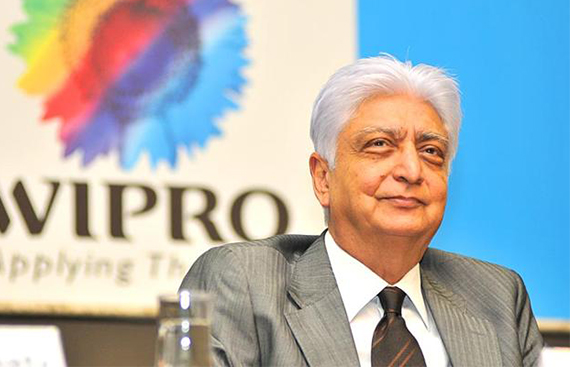
The fact that Azim Premji is on this list shows how much money can be made not only by developing code, but also by creating a company that helps a lot of other engineers. Premji is sometimes nicknamed the “Czar of the Indian IT Industry.” He took over his family’s vegetable oil business and turned it into Wipro Limited, one of the biggest IT, consulting, and business process services firms in the world. He wasn’t a hands-on coder like some of the other people here, but he had a strategic vision to use India’s talent pool to make software for the worldwide market. Wipro became a global powerhouse under Premji’s leadership. It hired hundreds of thousands of software engineers and developers and worked on difficult projects for the top companies in the world. He is rich because he built and grew this huge software services company. Premji’s legacy is one of change, showing that the software business can boost the economy of a whole country. The Azim Premji Foundation, which focuses on education in India, is a big part of his money that he gives away. This shows how much he cares about giving back.
10. Patrick Collison

Patrick Collison, a genius who is the perfect example of a modern, hyper-growth tech founder, rounds off our list. Collison was a brilliant coder from a young age. He and his brother John started Stripe with a simple yet strong goal: to “increase the GDP of the internet.” They did this by providing a set of elegant APIs that made it very easy for developers to add payment processing to their websites and apps. They built code that hid the complicated nature of financial transactions, which opened up a new wave of internet business and e-commerce. The value of Stripe has gone up a lot, making the Collison brothers some of the youngest billionaires in the world. Patrick’s profound technical knowledge was key in designing a system that is easy for developers to use and strong and safe enough to handle billions of dollars for firms of all sizes, from startups to Amazon. His fortune shows how powerful it is to find a major problem in the digital economy and fix it with smart software. The programming he produced and the firm he built are becoming more and more valuable as the infrastructure for online shopping grows.
Related Posts

Top 10 Best Hospitality Schools In The World (2026 Update): Where Tomorrow's Leaders Train
The world’s top hospitality schools continue to be essential in the context of a global economy because of their emphasis on offering exceptional guest experiences and high-quality service. People who want to work in hotels and other hospitality-related fields are actively looking for educational opportunities that will equip them with the skills and knowledge they […] <a class="g1-link g1-link-more" href="https://nubiapage.com/top-10-best-hospitality-schools-in-the-world-2024-up
Top 10 Greatest Packer Players in the World 2026: Surprising Picks & Legends
The Green Bay Packers, which are considered to be one of the most illustrious franchises in the history of the National Football League, have, throughout its existence, boasted a roster of remarkable talent. The history of the Packers is filled with players that have stood out for some reason, whether it be their iconic Super […] More

Top 10 Biggest Concert Stadiums In The World 2026
In 2026, the world of concert venues includes some of the biggest and most famous stadiums, known for hosting huge crowds and providing live music experiences that are unmatched. The following is a list of the ten largest concert stadiums in the world: List Of Top 10 Biggest Concert Stadiums In The World 2026 1. […] More

Top 10 Richest Chefs in USA 2026: How They Built Culinary Empires
In recent years, the world of celebrity chefs has developed into a multi-billion dollar industry that combines culinary expertise with media savvy, entrepreneurialism, and the development of distinctive brands. In the year 2026, a number of the wealthiest chefs in the United States have not only established themselves as influential figures in the kitchen, but […] More
24 Comments
Join the discussion and share your thoughts