Top 10 Richest Religions In The World 2026


Table of Contents

For a long time, religion has been one of the most important things that has shaped cultures, civilizations, and economies around the world. Many religious institutions have amassed great riches over the years through contributions, land ownership, investments, enterprises, and collaborations with the government, in addition to providing spiritual direction and moral frameworks. In 2026, religion still has a big impact on the economy. Its effects go far beyond houses of worship and into areas like education, healthcare, real estate, and international banking.
At Nubia Magazine, we look at how religion interacts with power, history, and money in the modern world. Religion isn’t about money in and of itself, but the institutions that run it typically manage huge amounts of money, like multinational enterprises. Religious wealth is a complicated and frequently misunderstood subject. It includes everything from historical gifts and holy land holdings to modern investment portfolios and global humanitarian networks.
Learning about the money situation of the world’s biggest faiths will help us understand how belief systems stay alive, grow their power, and help billions of people around the world. These funds are used for humanitarian help, building infrastructure, education, missionary work, and preserving culture. They also raise problems about social responsibility, governance, and transparency.
Based on estimated institutional wealth, assets, property ownership, donations, and economic power, this article lists the ten richest religions in the world in 2025. It’s hard to get exact numbers because of decentralized institutions and private holdings, but these rankings show how powerful each religion is financially and how big its impact is on the world economy.
List Of Top 10 Richest Religions In The World 2026
1. Christianity
Christianity is the richest religion in the world in 2026. This is mostly because it has been around for a long time, has followers all across the world, and has a lot of money in institutions. Christianity has more than 2.4 billion followers around the world. Its financial power comes from churches, denominations, and organizations, with the Roman Catholic Church alone holding a lot of money. The Vatican is one of the most powerful financial institutions in Christianity. It owns magnificent works of art, a lot of real estate, investments around the world, and historical artifacts that have been collected over hundreds of years. Protestant and Orthodox churches hold a lot of land, universities, hospitals, and media networks in Europe, the Americas, Africa, and Asia, in addition to the Vatican. Christian groups make money through donations, tithes, endowments, publishing, education, tourism, and investments. Mega-churches, especially in the US, run like big businesses, with budgets in the millions of dollars, television empires, and real estate assets. Christianity’s economic reach goes far beyond healthcare, humanitarian relief, worldwide charities, and international development projects in 2025. Its wealth is spread out, but its overall financial might is still the strongest in the world.
2. Islam
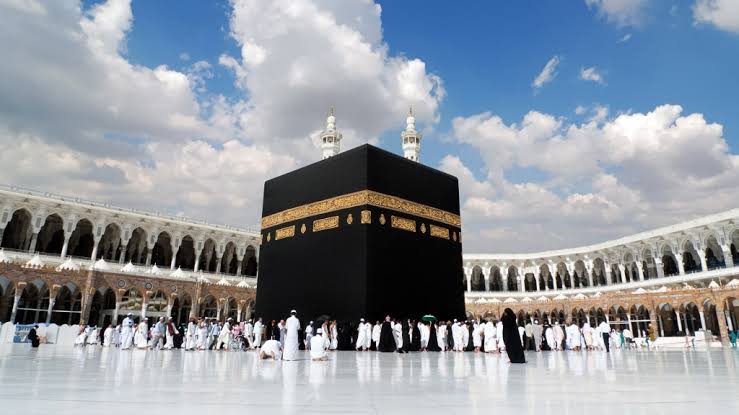
Islam is the second richest religion in the world, with over 1.9 billion followers and a long history of giving to charity and institutional finance. A lot of the income in Muslim-majority countries comes from waqf (endowments), religious institutions, and state-linked religious assets. The richness of Middle Eastern countries, especially those with a lot of oil and other natural resources, is very helpful to Islamic institutions. Islamic banks, mosques, universities, and charities around the world manage billions of dollars in assets. The yearly Zakat system alone raises hundreds of billions of dollars for charity each year. Islamic finance is become a big business around the world. In 2025, the banking, investing, and insurance sectors that follow Sharia law are growing quickly. Saudi Arabia, the UAE, Qatar, and Malaysia are some of the most important countries for strengthening Islam’s financial power. Islamic groups spend a lot of money on things other than money, like education, humanitarian help, building infrastructure, and preserving culture. This makes Islam one of the religions that has the largest effect on the economy today.
3. Hinduism

Hinduism is the third richest religion in the world. This is because of the wealth of its old temples, the large amounts of property it owns, and the donations from its 1.2 billion adherents, most of whom live in India and Nepal. Many Hindu temples are hundreds of years old and have a lot of gold, gems, cash, and land. Hindu temples are some of the richest religious places in the world. Some of them get millions of visitors every year. Religious boards or governmental authorities control trusts, investments, and offerings that these temples use to make money. India’s expanding economy is also closely linked to the wealth of Hindu religious groups. In 2025, donations from rich people, businesses, and expatriate populations keep making temple finances and religious foundations stronger. Hindu groups also pay for schools, hospitals, spiritual retreats, cultural institutions, and philanthropic projects. This strengthens Hinduism’s economy while keeping its old traditions alive.
4. Judaism

Judaism is the fourth richest religion, even though it only has about 15 million followers around the world. Its richness comes mostly from institutions, history, and the community, not from the population. In North America, Europe, and Israel, Jewish religious institutions, synagogues, foundations, and trusts control a lot of money. Jewish wealth is mostly kept alive by endowments, charitable networks, schools, and cultural groups. Religious groups in Israel own substantial property, buildings, and state-funded assets. Jewish charities and foundations are among of the best-funded and best-organized religious groups in the world. Judaism’s financial power is still strong in 2025 thanks to education, charity, preserving culture, and connecting the world’s economies. This makes it one of the most financially stable religions in the world.
5. Buddhism

Buddhism is the fifth richest religion, and its wealth is mostly found in temples, monasteries, and cultural organizations around Asia. Some of the world’s richest Buddhist temples are in Thailand, Japan, China, Sri Lanka, and South Korea. Many people, businesses, and governments provide huge amounts of money to Buddhist temples. Many possess large amounts of land, cultural items, and tourism-related businesses that bring in stable revenue. Buddhist groups own universities, hospitals, publishing firms, and meditation centers in East Asia, which help them a lot with their economy. In 2025, pilgrimage tourism is still a big source of income. Buddhism teaches people to let go of their material possessions, but its organizations work together to manage a lot of money to help with education, preservation, and humanitarian work.
6. Sikhism
Sikhism is the sixth richest religion in the world. This is mostly because the community gives a lot of money and the religious assets are managed from one place. Amritsar’s Golden Temple is one of the richest holy places in the world. Sikh organizations make money by donations, owning land, farming assets, and running companies through religious trusts. Fundraising that is generated by the community is very important for keeping Sikh religious and charity activities going. Sikh gurdwaras all throughout the world pay for huge free food programs, schools, disaster relief efforts, and health care services in 2025. The religion’s focus on service makes sure that money is put back into the community’s wellbeing. Sikhism is in a solid economic position because of its good financial organization and openness, even though the world population is lower.
7. Church of Jesus Christ of Latter-day Saints (Mormonism)
The Church of Jesus Christ of Latter-day Saints is eighth, and its highly organized financial system sets it apart. The church has one of the biggest religious investment portfolios in the world, and most of its members live in the United States. Mormons get their money via tithes, real estate, farming, stocks, businesses, and private equity investments. Its unified financial administration makes it possible to make long-term investments and generate wealth. The church possesses a lot of farmland, commercial real estate, media firms, and money on several continents by 2025. Its financial reserves are among of the most well-managed and varied of any religion. These resources help with missionary work, education, social initiatives, and humanitarian aid activities around the world.
8. Scientology
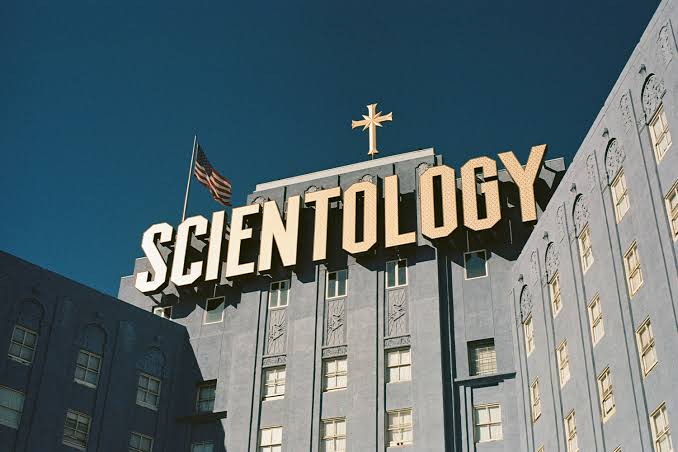
Even though it doesn’t have a lot of followers, Scientology is the eighth richest religion. It has a lot of money since it charges hefty membership fees, owns property, and has centralized control over its members. Scientology has valuable property in major cities around the world, including famous buildings that serve as churches, training centers, and administrative centers. Courses, auditing sessions, and materials bring in a lot of money. In 2025, Scientology keeps growing its physical and financial presence by putting a lot of money into building new properties and expanding internationally. Its funding structure, albeit contentious, makes it one of the richest modern religious movements.
9. Shinto

Shinto comes in eighth, with much of its income coming from shrine ownership, land holdings, and cultural tourism in Japan. Thousands of Shinto shrines in Japan make money via contributions, festivals, and tourists that travel to see them. A lot of shrines are hundreds of years old and own valuable land in both cities and the countryside. Shinto’s financial stability is also helped by government backing and money for preserving culture. In 2025, Shinto’s economic function is more connected to Japan’s culture and tourism than to global growth. Its riches helps keep rituals, communal customs, and historical sites safe.
10. Jainism

The tenth richest religion in the world is Jainism. Jainism has a limited number of followers, yet they are very rich and generous. Successful businesspeople, entrepreneurs, and professionals provide a lot of money to Jain temples, schools, hospitals, and other philanthropic purposes. Jain temples frequently include beautiful architecture and costly materials that show how much money has been made over the years. Community-managed trusts are in charge of investments and social programs. In 2025, Jainism’s financial strength doesn’t come from numbers, but from meticulous money management and a long history of giving.
Related Posts

Top 10 Best Hospitality Schools In The World (2026 Update): Where Tomorrow's Leaders Train
The world’s top hospitality schools continue to be essential in the context of a global economy because of their emphasis on offering exceptional guest experiences and high-quality service. People who want to work in hotels and other hospitality-related fields are actively looking for educational opportunities that will equip them with the skills and knowledge they […] <a class="g1-link g1-link-more" href="https://nubiapage.com/top-10-best-hospitality-schools-in-the-world-2024-up

Top 10 Greatest Packer Players in the World 2026: Surprising Picks & Legends
The Green Bay Packers, which are considered to be one of the most illustrious franchises in the history of the National Football League, have, throughout its existence, boasted a roster of remarkable talent. The history of the Packers is filled with players that have stood out for some reason, whether it be their iconic Super […] More

Top 10 Biggest Concert Stadiums In The World 2026
In 2026, the world of concert venues includes some of the biggest and most famous stadiums, known for hosting huge crowds and providing live music experiences that are unmatched. The following is a list of the ten largest concert stadiums in the world: List Of Top 10 Biggest Concert Stadiums In The World 2026 1. […] More

Top 10 Richest Chefs in USA 2026: How They Built Culinary Empires
In recent years, the world of celebrity chefs has developed into a multi-billion dollar industry that combines culinary expertise with media savvy, entrepreneurialism, and the development of distinctive brands. In the year 2026, a number of the wealthiest chefs in the United States have not only established themselves as influential figures in the kitchen, but […] More
34 Comments
Join the discussion and share your thoughts