Top 10 Richest Men In Japan 2026 Billionaires List (Net Worth)

Table of Contents
Japan's economy, the fourth-largest in the world by nominal GDP, continues to produce extraordinary wealth. The top 10 richest men in Japan 2026 billionaires list reveals a combined net worth exceeding $197 billion, according to our analysis of market capitalizations, public filings, and Forbes data as of April 2026. These fortunes span retail, technology, manufacturing, and real estate, reflecting the diverse engines of Japan's economic power.
What stands out in this year's rankings is the pronounced shift toward technology and automation. While retail and traditional manufacturing still anchor several fortunes, the biggest wealth gains belong to those tied to semiconductors, AI, and electric vehicles. The yen's continued weakness against the dollar has also inflated dollar-denominated net worths for Japan's export-heavy billionaires.
How We Ranked These
Our rankings draw from publicly available data including Bloomberg Billionaires Index, Forbes real-time net worth trackers, and Japanese financial disclosures filed through the Tokyo Stock Exchange. We cross-referenced stock prices as of April 15, 2026, with ownership stakes disclosed in annual reports. For privately held companies, we used estimated valuations based on revenue multiples and comparable public companies. Net worth figures fluctuate with daily market movements, so these represent a snapshot rather than a fixed ranking.
The List Of The Top 10 Richest Men In Japan 2026 Billionaires List (Net Worth):
1. Tadashi Yanai
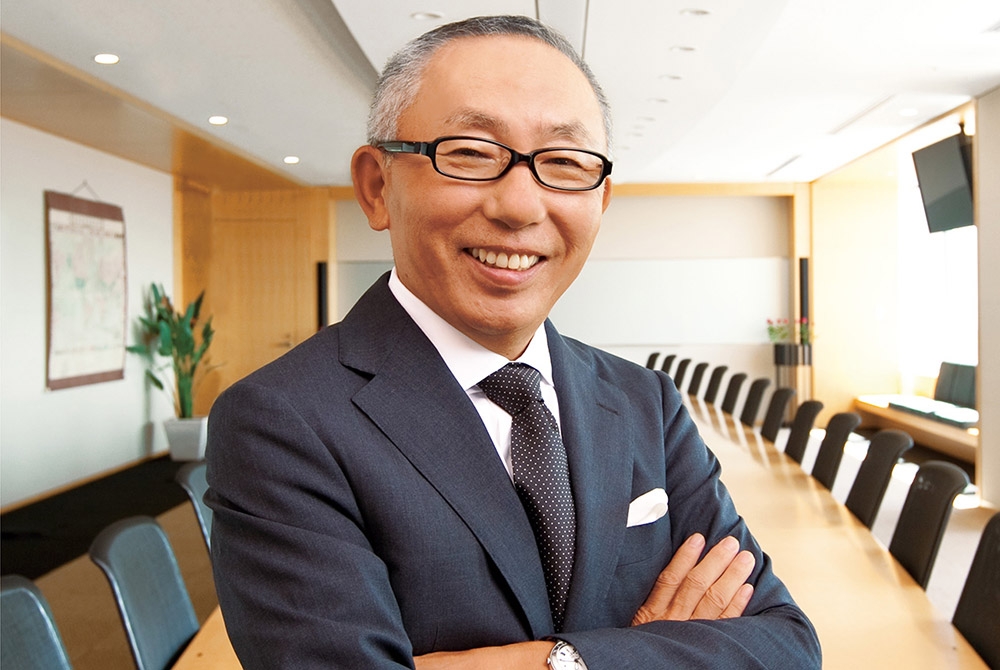
Tadashi Yanai retains his position as Japan's wealthiest individual with a net worth of $61.8 billion as of April 2026. He founded and chairs Fast Retailing, the parent company behind the global Uniqlo brand. Uniqlo operates more than 2,400 stores worldwide, with particularly strong penetration in the United States, Europe, and across Asia.
Yanai's fortune rests on Uniqlo's mastery of functional apparel. The company's proprietary fabrics, including HeatTech for winter and Airism for summer, have created a loyal customer base that treats basic clothing as a technology purchase rather than a commodity. Fast Retailing's market capitalization exceeded $80 billion in early 2026, making it one of Asia's most valuable clothing companies. Yanai controls roughly 21% of Fast Retailing's shares, and the company's consistent revenue growth has steadily appreciated his stake.
Uniqlo's supply chain efficiency deserves particular attention. The company controls everything from fabric development to store placement, allowing margins that competitors like H&M and Zara struggle to match. In 2025, Fast Retailing reported revenues of approximately $22 billion, with operating margins hovering near 13%. Yanai, now in his mid-70s, has not publicly signaled any succession plans, though his son has taken on increasing operational responsibilities.
2. Masayoshi Son
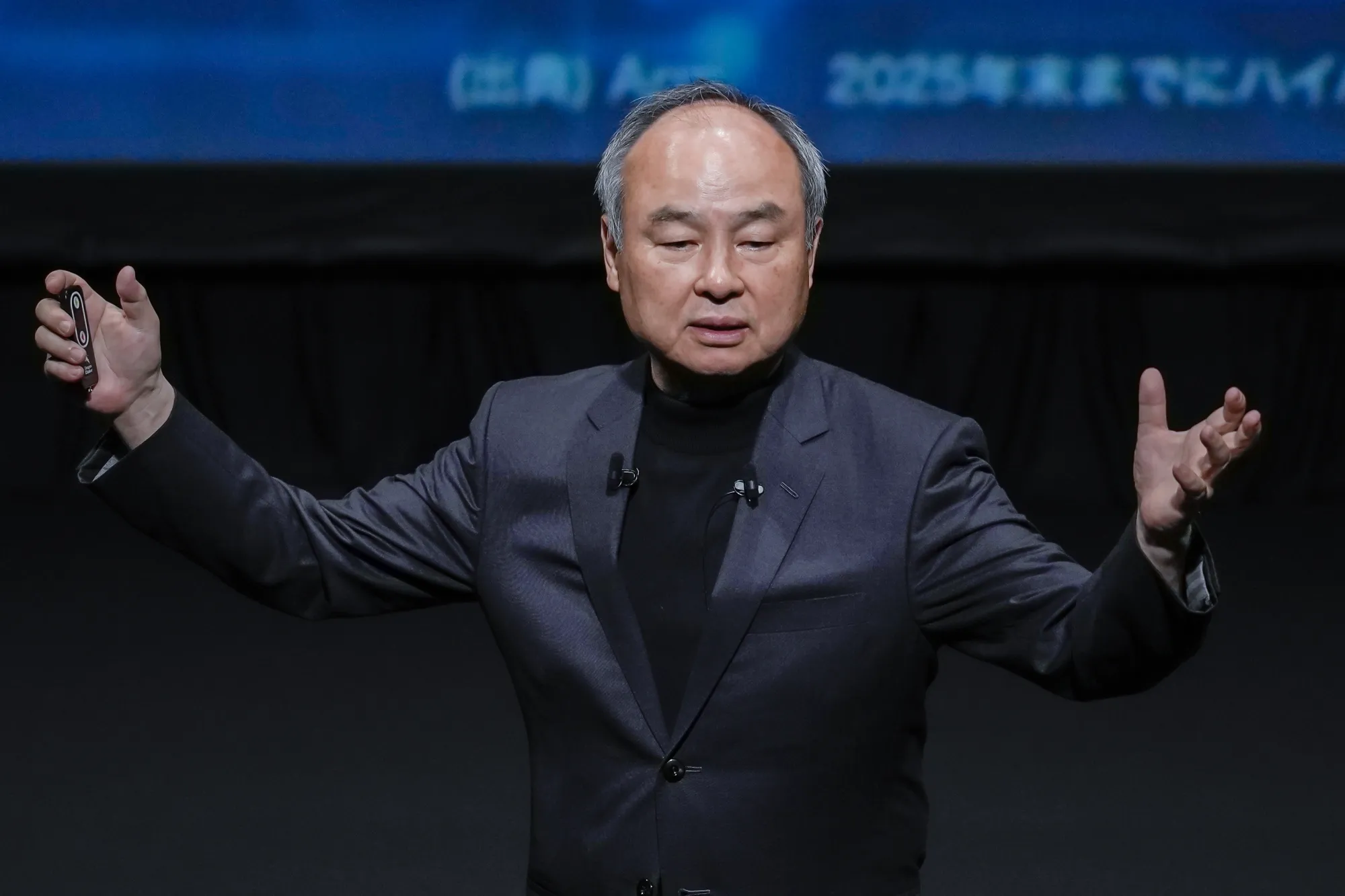
Masayoshi Son ranks second with a net worth of $32.4 billion. He founded SoftBank Group, a technology conglomerate that has reshaped global venture capital through its Vision Fund. Son's wealth has rebounded sharply after the market downturn of 2022, driven primarily by two bets that have paid off handsomely.
The first is Arm Holdings, the British chip designer that SoftBank acquired in 2016 for $32 billion. Arm's initial public offering in 2023 was the largest tech IPO of that year, and its stock has nearly doubled since, fueled by demand for AI processing chips. SoftBank still owns roughly 90% of Arm, and that stake alone accounts for the majority of Son's net worth.
The second is Son's early and massive bet on Alibaba, the Chinese e-commerce giant. Although SoftBank has gradually reduced its Alibaba position, the investment generated tens of billions in returns over two decades. More recently, Son has redirected capital toward AI infrastructure, including data centers and robotics companies. SoftBank's Vision Fund invested over $10 billion in AI-related startups in 2025 alone. Son's aggressive style has drawn criticism during downturns, but his willingness to place enormous bets on emerging technology has consistently restored his fortune during upswings.
3. Takemitsu Takizaki
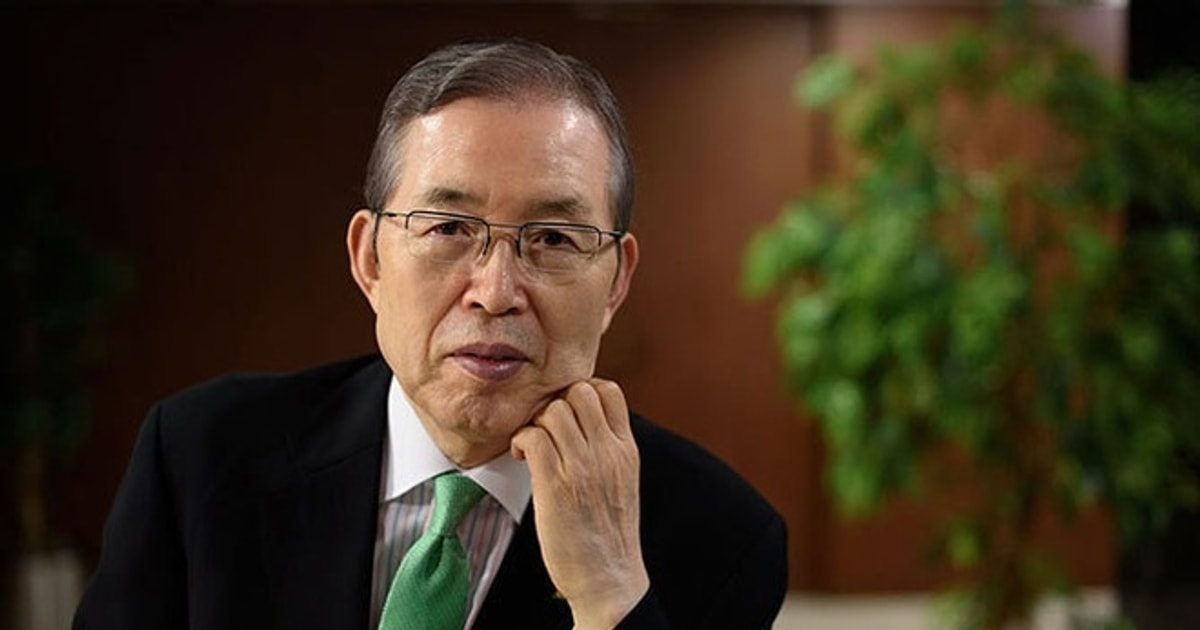
Takemitsu Takizaki holds third place with a net worth of $28.7 billion. He founded Keyence Corporation, a company that most consumers have never heard of but that dominates the factory automation sensor market. Keyence manufactures sensors, measuring instruments, and vision systems that factories use to automate quality control and production processes.
Keyence's business model is unusual and exceptionally profitable. The company operates with gross margins exceeding 80%, a figure more typical of software companies than hardware manufacturers. It achieves this through direct sales to customers, bypassing distributors, and by focusing relentlessly on research and development. Keyence spends roughly 10% of revenue on R&D, developing proprietary technologies that competitors cannot easily replicate.
The company's annual revenue surpasses $6 billion, and its market capitalization has grown to over $120 billion, giving it a price-to-earnings ratio that reflects investor confidence in continued automation spending. Takizaki, who founded the company in 1974, still serves as chairman and holds a substantial ownership stake. Keyence's sensors are used in automotive plants, semiconductor fabrication facilities, and food processing lines worldwide, positioning Takizaki to benefit from the global push toward factory automation.
4. Hiroshi Mikitani
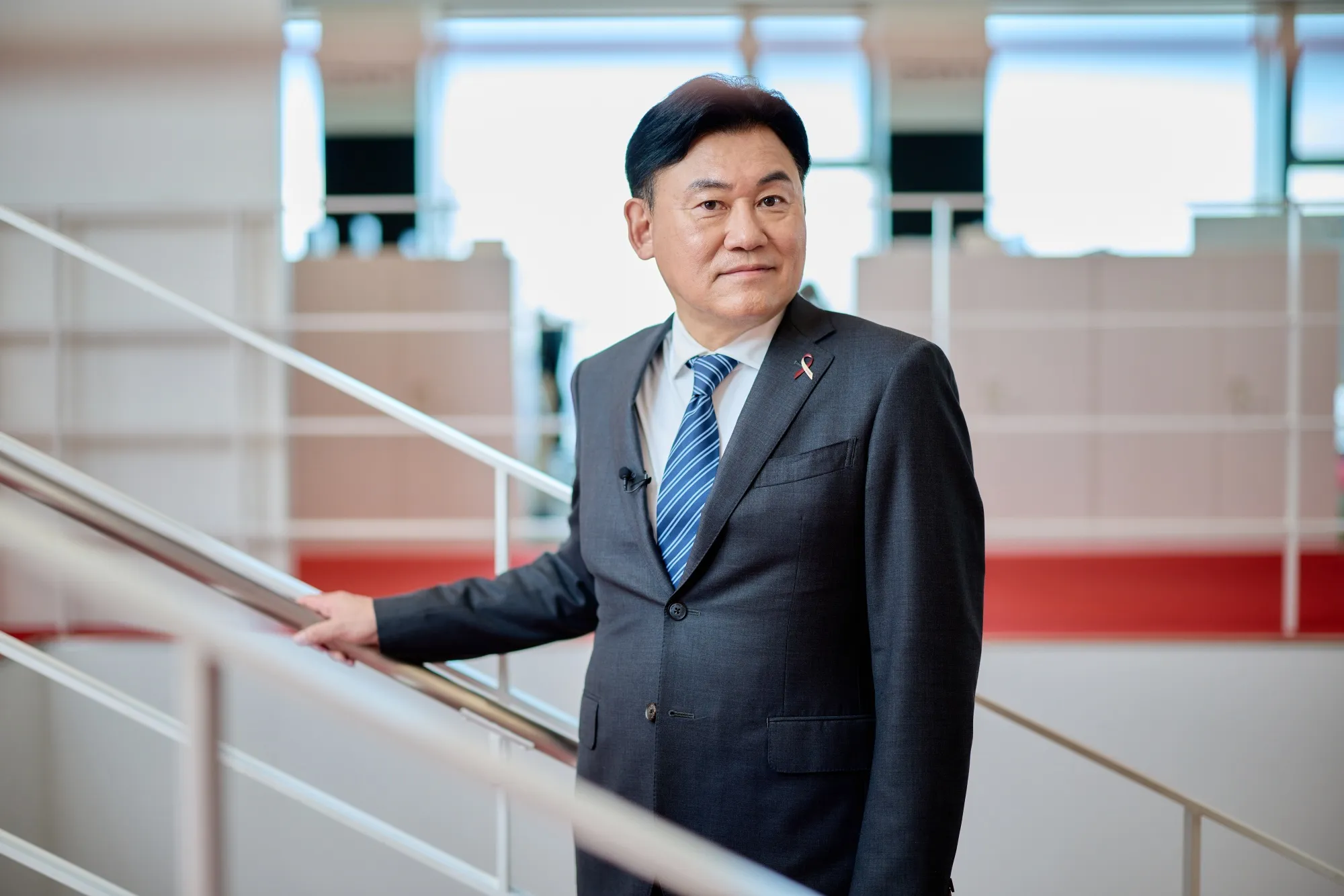
Hiroshi Mikitani debuts at fourth place on our list with a net worth of $17.2 billion. He founded Rakuten Group, Japan's largest e-commerce platform, and has expanded the company far beyond online shopping. Rakuten operates over 70 distinct services, including banking, credit cards, mobile phone service, and travel booking.
Mikitani's strategy centers on the Rakuten Points loyalty program, which ties together the entire ecosystem. Customers earn points shopping on Rakuten Ichiba, then redeem them for mobile plans or hotel bookings. This integration has driven user engagement and made it difficult for competitors like Amazon Japan to erode Rakuten's market share. In 2025, Rakuten reported revenues of $15 billion, with its mobile division reaching 6 million subscribers after a rocky launch that initially drained profits.
Mikitani has also pursued international expansion and sports investments. Rakuten owns stakes in the NBA's Philadelphia 76ers and has partnerships with FC Barcelona. These moves serve dual purposes: brand building abroad and diversification away from Japan's mature e-commerce market. Mikitani, who studied at Harvard Business School, has positioned Rakuten as a digital conglomerate with ambitions far beyond its domestic roots.
5. Shigenobu Nagamori
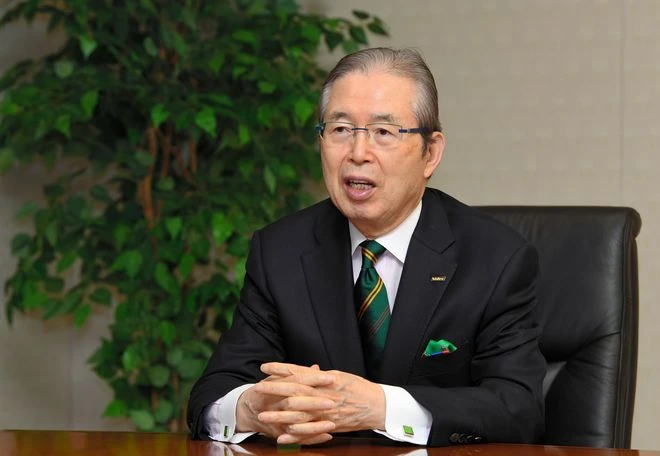
Shigenobu Nagamori ranks fifth with a net worth of $12.9 billion. He chairs Nidec Corporation, the world's largest manufacturer of electric motors. Nidec produces motors for everything from hard drives and household appliances to electric vehicles and industrial robots.
The company's growth has accelerated dramatically with the shift toward electric vehicles. Nidec supplies traction motors to Toyota, Tesla, and several Chinese EV manufacturers. In some motor segments, Nidec commands more than 50% of the global market share. The company's 2025 sales reached $18 billion, driven by EV motor demand that shows no signs of slowing.
Nagamori, now in his 70s, built Nidec through an aggressive acquisition strategy. The company has purchased dozens of smaller motor manufacturers over the decades, consolidating a fragmented industry and eliminating competitors. More recently, Nidec has expanded into precision motors for drones, robotics, and medical equipment. Nagamori's fortune reflects not just the electrification trend but also his ability to execute acquisitions that create genuine value rather than just revenue growth.
6. Akira Mori
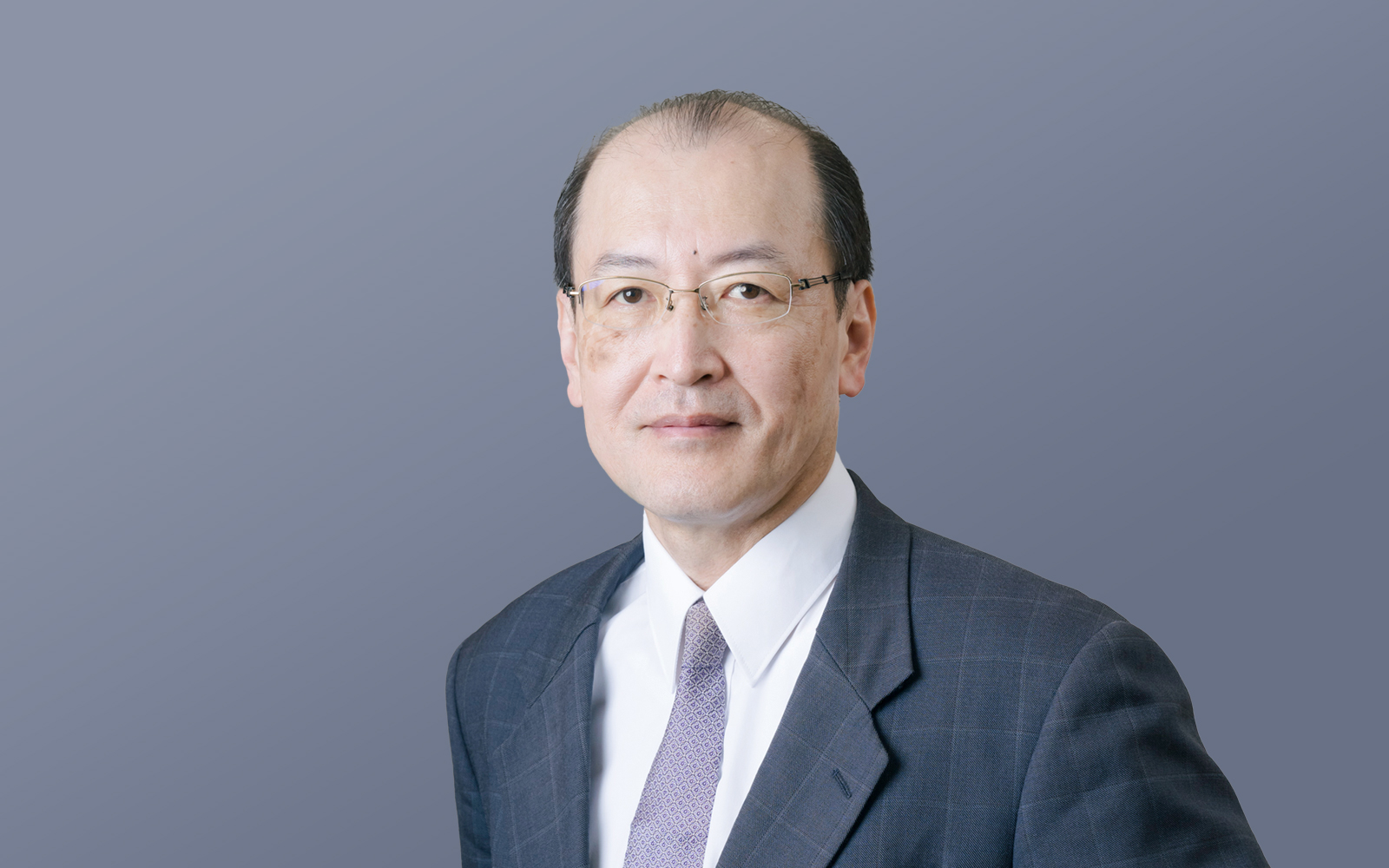
Akira Mori holds sixth place with a net worth of $11.5 billion. He leads Mori Trust, one of Japan's largest real estate developers, responsible for iconic Tokyo properties including Roppongi Hills and Azabudai Hills. These mixed-use complexes combine office towers, luxury residences, retail spaces, and hotels into integrated urban environments.
Mori Trust's portfolio spans over 20 million square meters, primarily in central Tokyo. The post-2025 tourism recovery has been a significant tailwind for the company, as international visitors return to Japan in record numbers. Hotel occupancy rates in Mori Trust properties have exceeded 85% in 2026, and retail rents in their complexes have risen accordingly. The company's annual rental income reached $4 billion in 2025.
The Mori family's approach to development emphasizes long-term ownership rather than quick sales. They hold most properties indefinitely, collecting rental income and benefiting from land appreciation. This patient capital strategy has served them well through Japan's real estate cycles. Akira Mori took over from his father and has continued the family's focus on large-scale urban redevelopment projects that reshape entire neighborhoods.
7. Kimikazu Noda
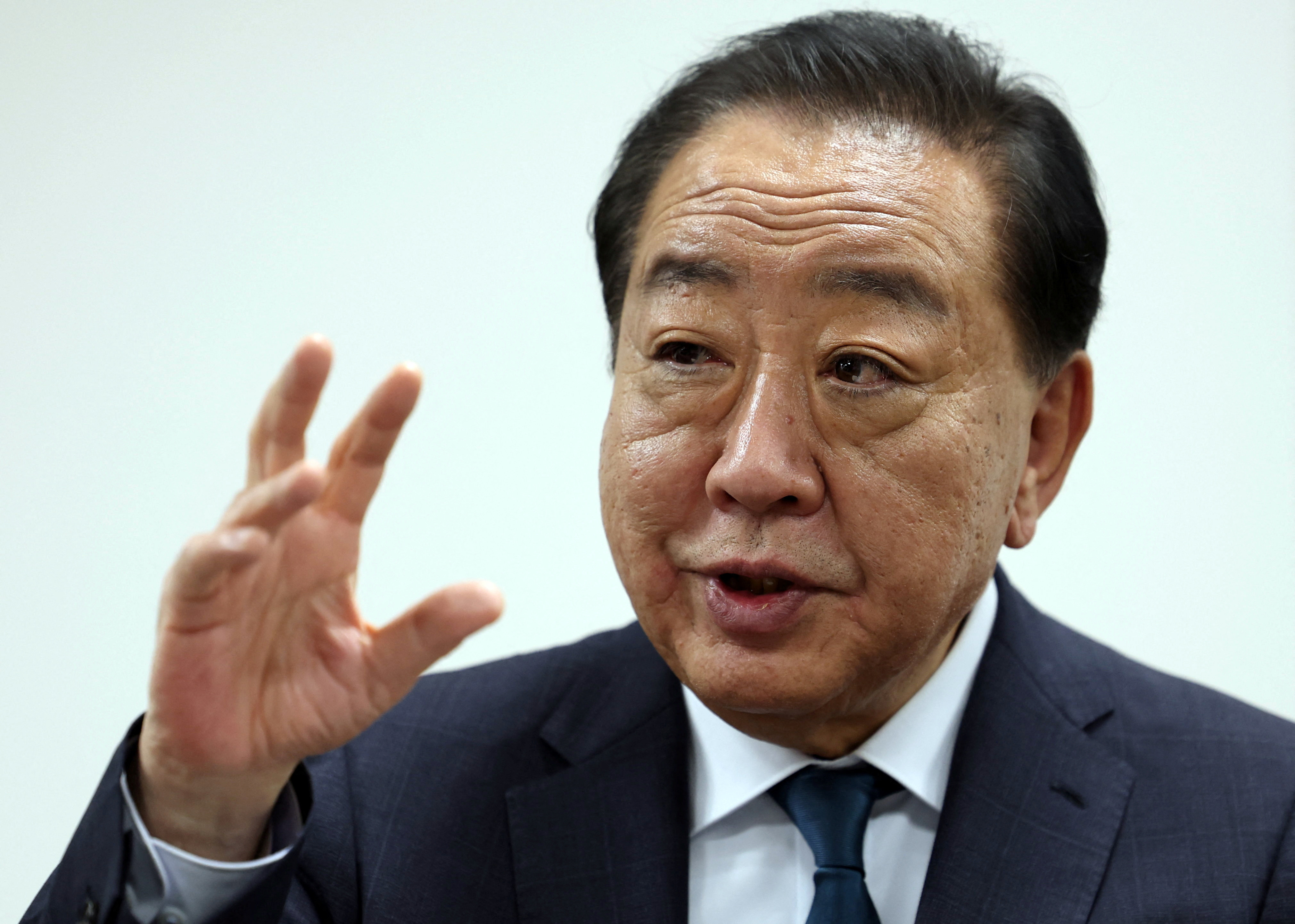
Kimikazu Noda appears at seventh place with a net worth of $9.8 billion. He oversees Sega Sammy Holdings, a company formed by the merger of Sega, the video game developer, and Sammy, a pachinko machine manufacturer. The combination creates a unique entertainment conglomerate that straddles digital and physical gaming.
Sega's intellectual property remains the company's most valuable asset. The Sonic the Hedgehog franchise continues to generate revenue through games, movies, and merchandise. The Sonic films, produced in partnership with Paramount Pictures, have grossed over $1 billion collectively at the global box office. Sega also maintains a strong presence in arcades across Asia, a market segment that has recovered as foot traffic returns to entertainment venues.
On the pachinko side, Sammy dominates Japan's pachinko machine market, which remains surprisingly resilient despite Japan's aging population. The company's 2025 revenue topped $3.5 billion. Noda has pushed Sega Sammy toward digital entertainment and mobile gaming, recognizing that younger demographics spend less time in pachinko parlors. The yen's weakness has also helped, as Sega's overseas game sales convert into more yen-denominated revenue.
8. Yasumitsu Shigeta
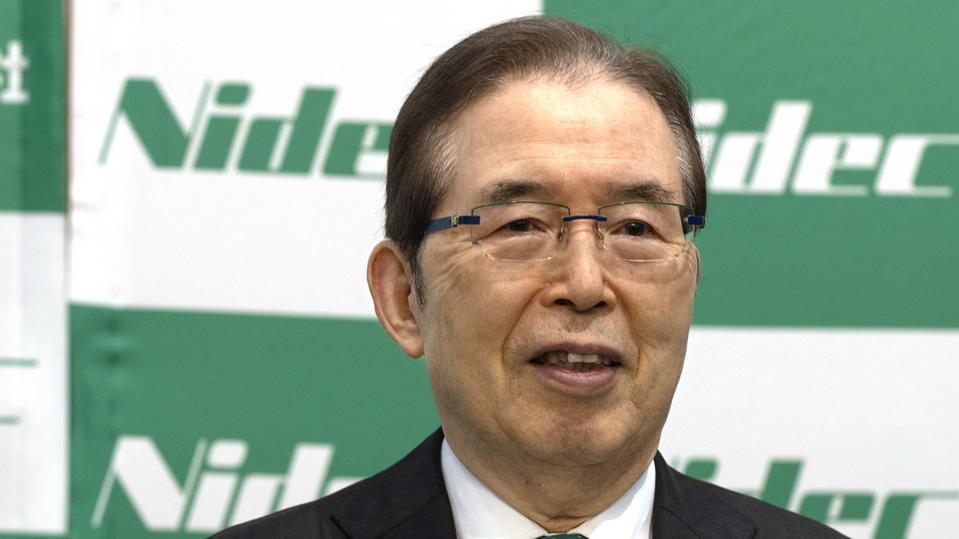
Yasumitsu Shigeta ranks eighth with a net worth of $8.6 billion. He founded Ryohin Keikaku, the company behind the Muji brand. Muji, which means "no brand" in Japanese, has built a global following by selling minimalist, unbranded goods that emphasize quality and simplicity over logos and marketing.
Muji operates over 1,000 stores worldwide, with particularly strong presence in Japan, China, and Southeast Asia. The company's 2025 sales exceeded $4 billion, driven by expansion into new categories including hotels, cafes, and prefabricated homes. Muji's hotel in Ginza, Tokyo, operates at near-full occupancy and serves as a physical embodiment of the brand's aesthetic philosophy.
Shigeta's insight was that consumers would pay a premium for products that deliberately avoided branding. Muji's packaging uses brown cardboard and clear plastic, its stores feature exposed concrete and wooden shelving, and its products carry no visible logos. This approach has proven especially appealing to younger consumers who value sustainability and authenticity. The company uses natural and recycled materials extensively, and its supply chain emphasizes efficiency that keeps prices reasonable despite the quality. Shigeta's fortune has grown steadily as Muji expands its global footprint and moves into new business lines.
9. Atsushi Nakayama
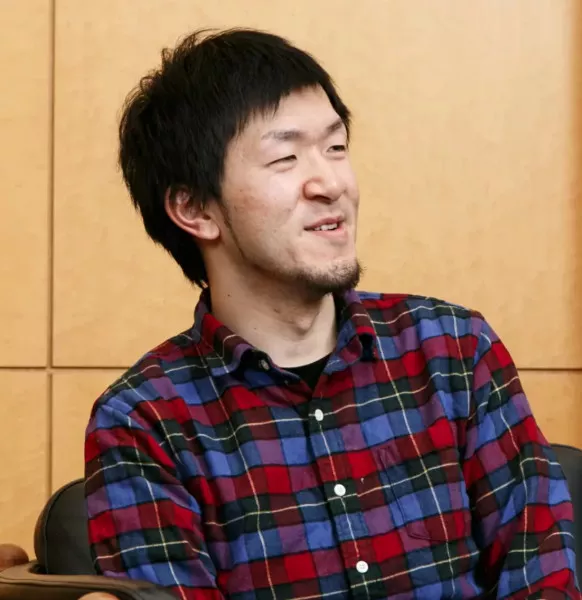
Atsushi Nakayama takes ninth place with a net worth of $7.4 billion. He built Konica Minolta into a diversified technology company focused on digital printing and healthcare imaging. The company's optical film technology is used in smartphone displays, and its medical imaging equipment competes with global leaders in the diagnostic space.
Konica Minolta's transformation under Nakayama's leadership has been dramatic. The company once focused primarily on photography film and office copiers, industries that were declining rapidly. Nakayama redirected R&D spending toward healthcare, developing AI-driven diagnostic tools that can analyze medical images for early signs of disease. The company's healthcare division has grown at 15% annually since 2022 and now accounts for over 40% of revenue.
The company's 2025 revenue hit $2.2 billion, with healthcare and optical products driving most of the growth. Konica Minolta's optical films are used in polarizers for LCD displays, a market that continues to grow with demand for larger and higher-resolution screens. Nakayama's willingness to abandon legacy businesses and invest in emerging technologies has positioned Konica Minolta for continued growth in the healthcare and electronics sectors.
10. Tsutsumu Otani
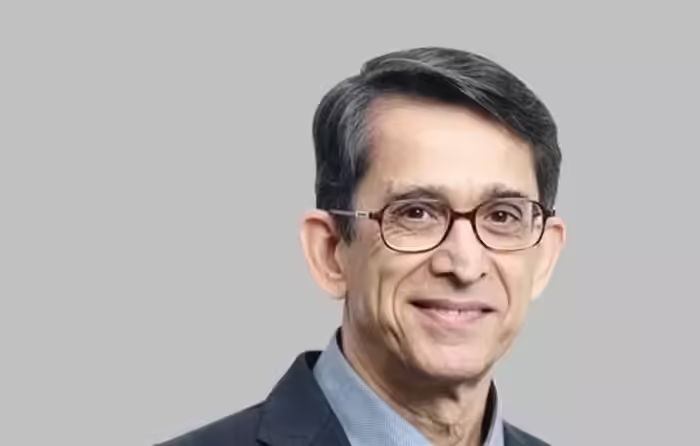
Tsutsumu Otani rounds out the top 10 with a net worth of $6.9 billion. He heads Otsuka Corporation, a trading conglomerate with operations spanning steel, electronics, construction materials, and increasingly, semiconductors and renewable energy components. Otsuka's annual turnover exceeds $10 billion.
Trading companies, or sogo shosha, have been pillars of Japan's economy for over a century. Otsuka exemplifies how these conglomerates have adapted to modern markets. The company sources raw materials from around the world, finances infrastructure projects across Asia, and distributes electronic components to manufacturers. In 2025, Otsuka's semiconductor distribution business grew 15% as global chip demand remained robust.
Otani comes from the family that founded Otsuka, and family-led management has allowed the company to make long-term investments without pressure from quarterly earnings expectations. The company has expanded into renewable energy components, supplying parts for solar panels and wind turbines. Otani's fortune reflects both the resilience of Japan's trading company model and Otsuka's successful pivot toward technology-driven growth sectors.
The top 10 richest men in Japan 2026 billionaires list reveals several trends about where wealth is being created in the world's fourth-largest economy. Technology and automation dominate the upper ranks, with five of the top 10 fortunes tied to companies that power manufacturing, computing, or digital commerce. Traditional retail and real estate still appear, but the biggest fortunes belong to those who have ridden the waves of electrification, AI, and factory automation.
Another notable pattern is the age of these billionaires. Most are in their 70s or older, reflecting Japan's demographic reality and the long time horizons required to build industrial fortunes. Succession planning remains a concern for several of these companies, as the next generation has not always demonstrated the same drive or capability as the founders.
The yen's weakness has been a double-edged sword for Japan's billionaires. It inflates dollar-denominated net worths, making them appear wealthier by international standards. But it also reflects underlying economic challenges, including stagnant wages and a shrinking workforce. Whether these fortunes continue to grow will depend on how well Japan's largest companies navigate demographic decline and global competition.
Related Posts


18 Comments
Join the discussion and share your thoughts