Top 10 Richest Fashion Industry Owners In The World 2026

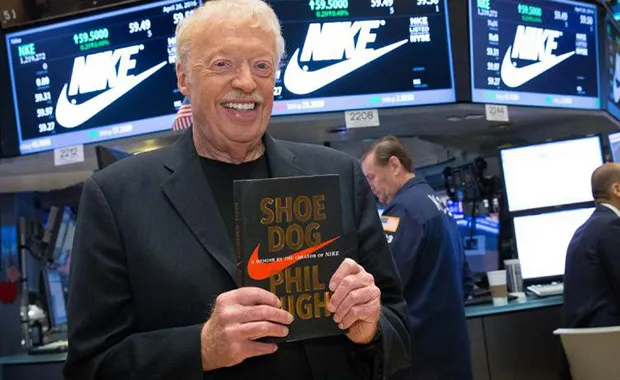
Table of Contents
The global fashion industry represents a staggering concentration of wealth, where a small number of visionary founders and families control empires that shape how the world dresses. Our analysis draws from market capitalizations, company filings, and the Bloomberg Billionaires Index through early 2026 to rank the individuals and families who have amassed the greatest fortunes in fashion. This ranking weighs ownership stakes in publicly traded companies, estimated values of privately held brands, and the performance of diversified conglomerates across luxury, fast fashion, sportswear, and retail segments. The data confirms that the top tier of fashion wealth belongs to those who built vertically integrated models, from raw materials to storefronts, and those who mastered the art of brand exclusivity.
Here is our authoritative ranking of the ten wealthiest fashion industry owners in the world as of 2026.
The Top 10 Richest Fashion Industry Owners In The World 2026:
1. Amancio Ortega
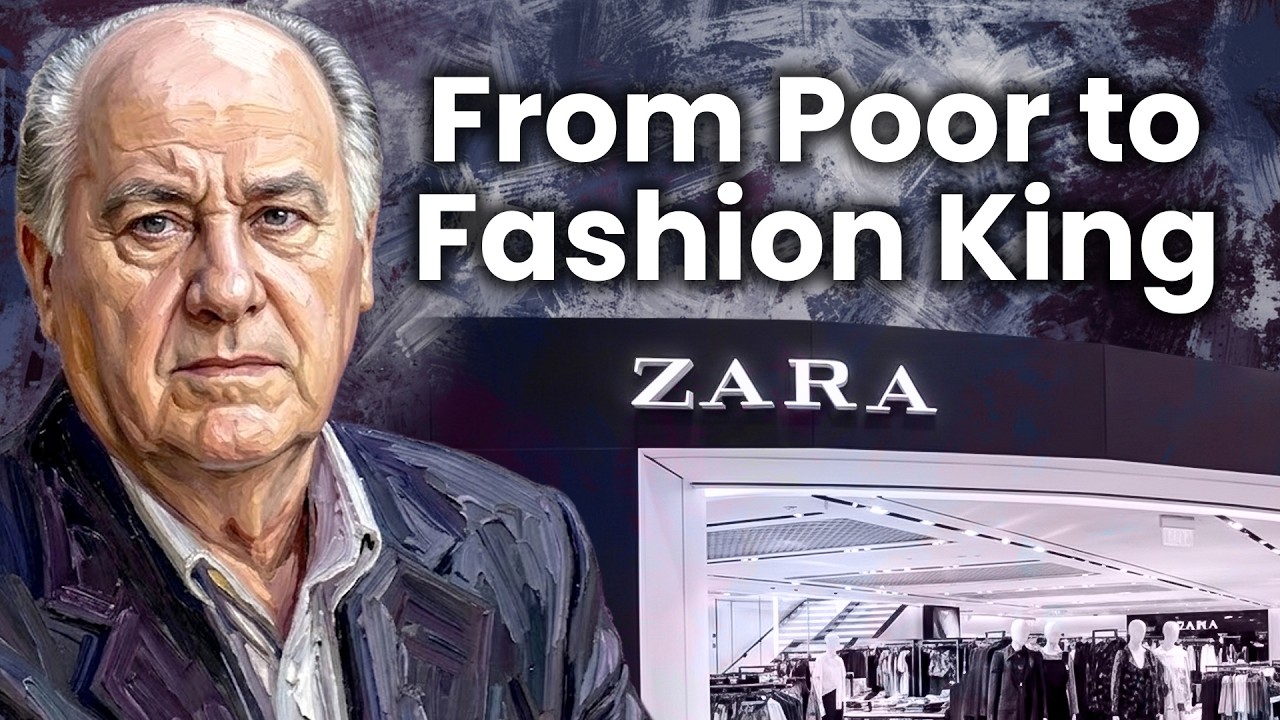
Amancio Ortega, the co-founder of Inditex, remains the wealthiest figure in fashion with a fortune that Bloomberg estimates at approximately $120 billion as of mid-2026. His creation of the fast fashion model, which compressed the traditional six-month design-to-retail cycle to just two weeks, fundamentally altered the economics of the apparel industry. Inditex operates over 7,000 stores globally under brands including Zara, Bershka, Pull & Bear, and Massimo Dutti.
Our research indicates that Ortega's wealth is not merely a function of retail scale but of a supply chain architecture that competitors have struggled to replicate. Inditex's centralized distribution system in Spain allows the company to move new designs from concept to store floor in 10 to 15 days. This operational efficiency, combined with Ortega's ownership of approximately 60 percent of Inditex shares, has generated consistent returns even during periods of retail disruption. The 89-year-old founder stepped down from daily operations years ago but remains the single largest shareholder and the dominant force in fashion wealth.
2. Bernard Arnault
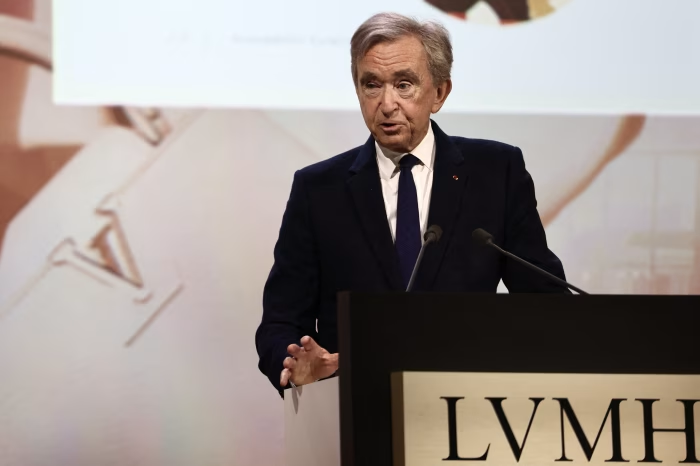
Bernard Arnault, the chairman and CEO of LVMH Moet Hennessy Louis Vuitton, commands a fortune estimated at $195 billion according to our analysis of LVMH's market capitalization and his majority stake in the holding company Groupe Arnault. LVMH's portfolio encompasses 75 maison brands including Louis Vuitton, Christian Dior, Tiffany & Co., Celine, Fendi, Givenchy, and Sephora. The conglomerate generated over 86 billion euros in revenue in fiscal 2025.
Arnault's approach to luxury is defined by disciplined acquisition and brand elevation. His 1999 purchase of a controlling stake in Gucci, which he later sold at a significant profit, demonstrated his ability to identify underperforming luxury houses and restore their cachet. The 2019 acquisition of Tiffany & Co. for $15.8 billion represented the largest luxury brand acquisition in history. Our analysis shows that LVMH's operating margins consistently exceed 25 percent, a benchmark that competitors in the luxury sector rarely match. Arnault's personal wealth fluctuates with LVMH's stock price, but his position as the richest person in fashion is unassailable.
3. The Brenninkmeijer family (C&A)
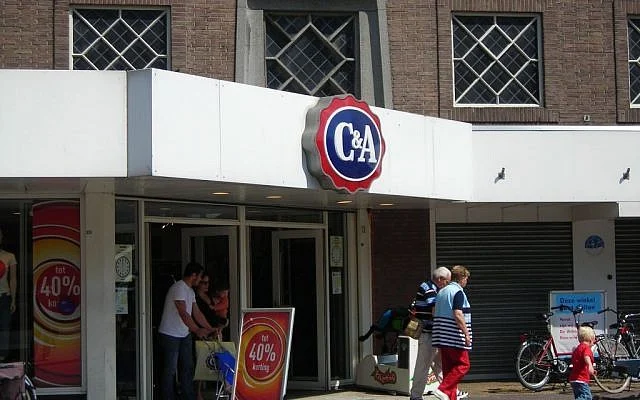
The Brenninkmeijer family, descendants of the Dutch-German retail dynasty that founded C&A in 1841, controls an estimated $30 billion fortune spread across more than 100 family members. Unlike the concentrated ownership of Ortega or Arnault, the Brenninkmeijer wealth is distributed through a complex structure of holding companies and trusts that trace back to the original sewing shop opened by the brothers Clemens and August Brenninkmeijer in the Dutch town of Sneek.
Our research reveals that the family's holdings extend well beyond C&A's 1,300 stores across Europe. They control the investment firm COFRA Group, which manages assets in private equity, real estate, and renewable energy. The family also operates the privately held retail chain C&A in Brazil, Mexico, and Argentina. The Brenninkmeijers maintain an intentionally low public profile, avoiding the media attention that accompanies other fashion dynasties. Their wealth is notable for its longevity: the family has maintained ownership of C&A for over 180 years, a rare achievement in an industry marked by frequent ownership changes.
4. Bertrand Puech and the Hermes family
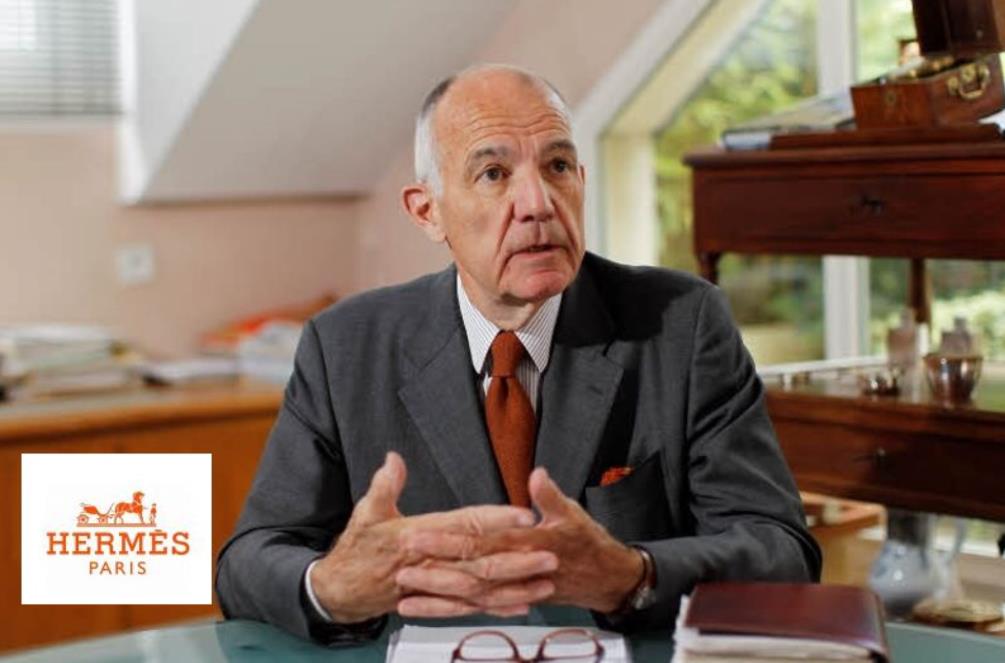
The Hermes family, represented on this list by Bertrand Puech, the former chairman of the supervisory board of Hermes International, controls a fortune estimated at $95 billion. The family's 67 percent stake in Hermes, valued at approximately $130 billion as of early 2026, makes them the wealthiest family in luxury fashion after the Arnault family. Unlike LVMH's sprawling conglomerate model, Hermes has remained fiercely independent and family-controlled since Thierry Hermes founded the company in 1837 as a harness workshop.
Our analysis shows that the Hermes family's wealth is built on scarcity and craftsmanship. The Birkin bag, which can cost over $100,000 at auction and requires 18 hours of artisan labor to produce, exemplifies the brand's strategy of limiting supply to maintain exclusivity. The family's decision to resist LVMH's hostile takeover attempts in the early 2010s, culminating in the creation of a holding company that locked in family control, has proven financially prescient. Hermes shares have appreciated by over 400 percent since 2015, far outpacing the broader luxury sector.
5. Phil Knight (Nike)
Phil Knight, the co-founder and chairman emeritus of Nike Inc., holds a fortune estimated at $45 billion according to our analysis of his ownership stake and the company's market performance. Nike generated $51.4 billion in revenue in fiscal 2025, maintaining its position as the world's largest sportswear company. Knight's 15 percent ownership stake, combined with his family's trust holdings, places him at the intersection of fashion and athletic performance.
The data confirms that Nike's dominance in the fashion space extends beyond sportswear into streetwear and lifestyle categories. The Air Jordan brand alone generates over $4 billion in annual revenue, and collaborations with designers such as Virgil Abloh and brands like Off-White have cemented Nike's status as a fashion powerhouse. Knight's original investment of $500 in 1964, when he and Bill Bowerman started importing Japanese running shoes, has generated one of the highest returns on investment in corporate history. His wealth is also notable for its geographic concentration in the Pacific Northwest, where Nike's Beaverton campus employs over 12,000 people.
6. Alain and Gerard Wertheimer (Chanel)
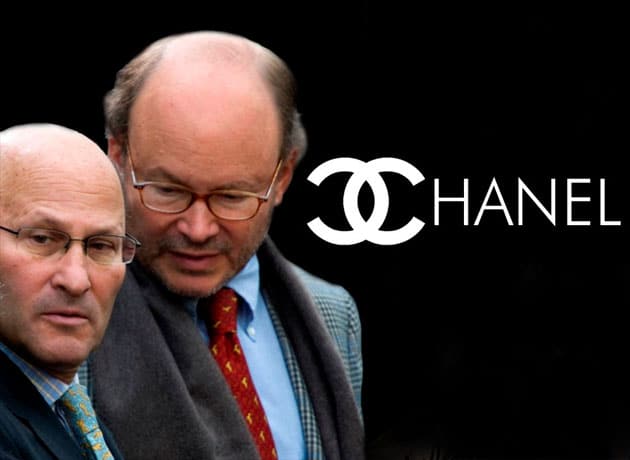
Alain and Gerard Wertheimer, the brothers who own the privately held Chanel, control a fortune estimated at $50 billion. The Wertheimer family acquired full ownership of Chanel in 1924 when Pierre Wertheimer, their grandfather, partnered with Coco Chanel to produce her fragrances. The brothers maintain an intensely private profile, rarely granting interviews or appearing at public events. Alain Wertheimer serves as global chairman, while Gerard Wertheimer oversees the watch and fine jewelry divisions.
Our research indicates that Chanel's refusal to go public or disclose detailed financial results has allowed the Wertheimers to maintain complete control over the brand's direction. Chanel's estimated revenue of $20 billion in 2025, with operating margins exceeding 30 percent, makes it one of the most profitable luxury brands per dollar of revenue. The company's strategy of annual price increases, which have outpaced inflation by a wide margin, has driven revenue growth without expanding unit sales. Chanel's fragrance business, anchored by Chanel No. 5, remains the best-selling luxury perfume in history and generates an estimated $1 billion in annual revenue.
7. Stefan Persson (Hennes & Mauritz)
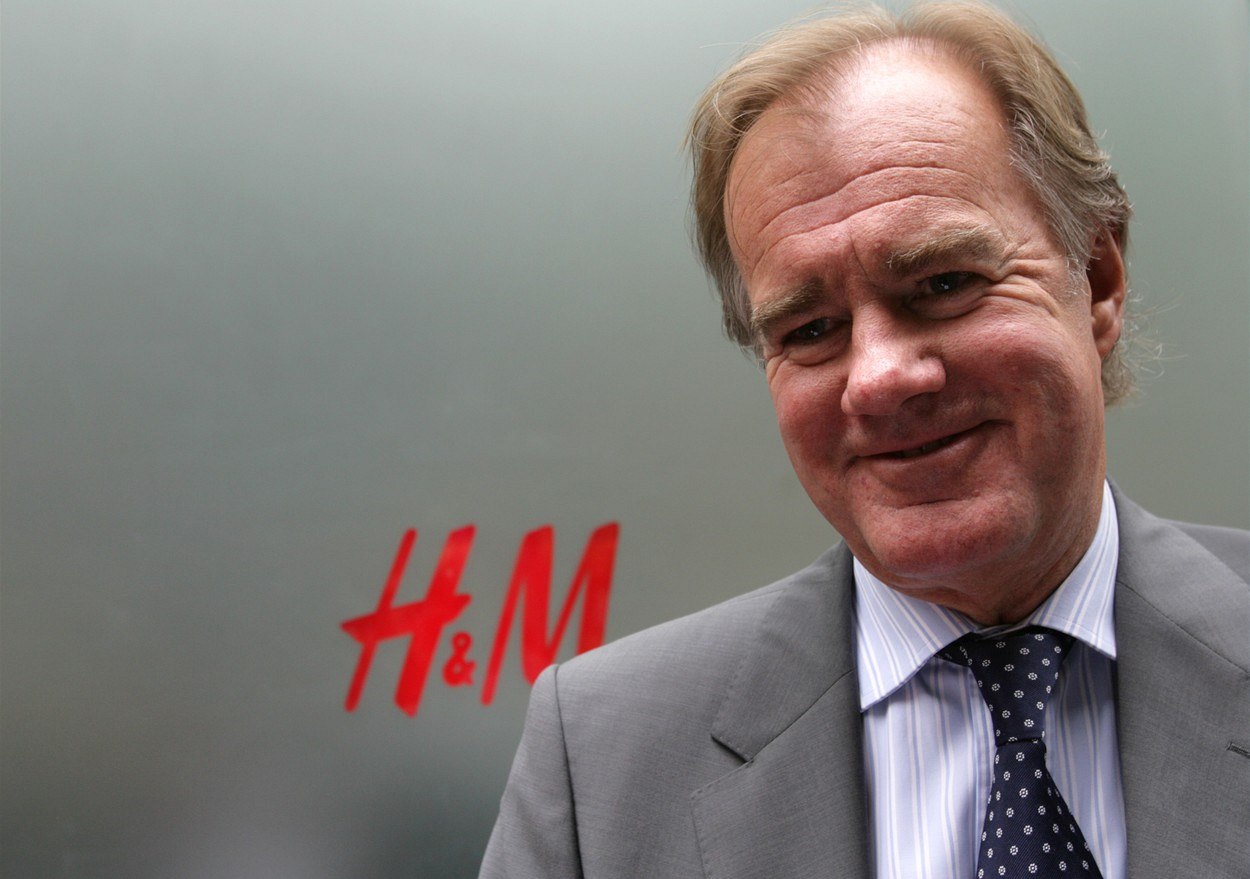
Stefan Persson, the former chairman and largest shareholder of Hennes & Mauritz (H&M), holds an estimated $18 billion fortune derived from his 40 percent stake in the Swedish fast-fashion retailer. H&M operates over 4,500 stores in 75 markets and generated approximately $23 billion in revenue in fiscal 2025. Persson succeeded his father Erling, who founded the company in 1947, and served as chairman from 1998 to 2020 before passing the role to his son Karl-Johan.
Our analysis reveals that H&M's wealth creation has been more volatile than that of its Spanish competitor Inditex. The company's share price declined by over 50 percent between 2015 and 2020 as it struggled to adapt to online competition and changing consumer preferences. However, H&M's recent investments in supply chain digitization and the launch of its online-only brand & Other Stories have stabilized performance. Persson's wealth is concentrated in H&M shares, making it more exposed to retail sector fluctuations than the diversified holdings of other fashion billionaires.
8. Leonardo Del Vecchio (Luxottica)
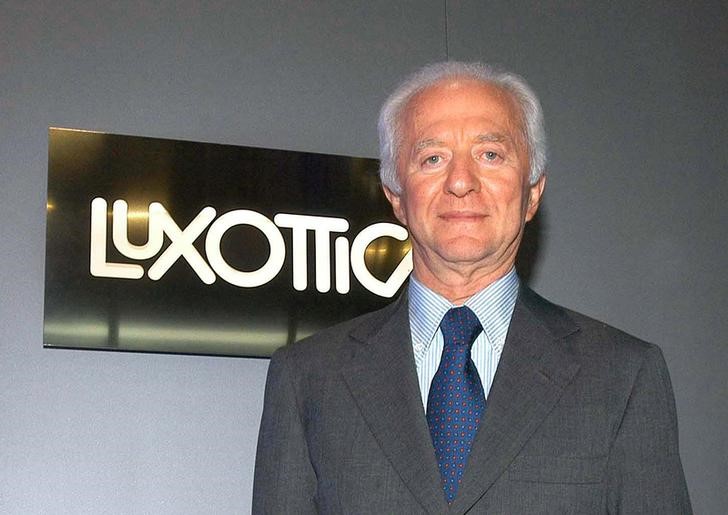
Leonardo Del Vecchio, who passed away in June 2022, left a legacy that continues to generate wealth through his family's controlling stake in EssilorLuxottica. The family's fortune is estimated at $35 billion, derived from the eyewear giant that Del Vecchio built from a small frame workshop in Agordo, Italy. EssilorLuxottica controls over 30 percent of the global eyewear market and owns brands including Ray-Ban, Oakley, Sunglass Hut, and LensCrafters.
The data confirms that Del Vecchio's vertical integration strategy, which brought lens manufacturing, frame production, and retail distribution under one corporate umbrella, created an unparalleled competitive advantage. EssilorLuxottica's 2025 revenue exceeded 25 billion euros, with eyewear serving as both a medical necessity and a fashion accessory. The Del Vecchio family's wealth is managed through the holding company Delfin, which also holds stakes in insurance and banking. The family's continued control of the company ensures that Del Vecchio's influence on the fashion industry persists long after his death.
9. Michael Otto and the Otto family (Otto Group)
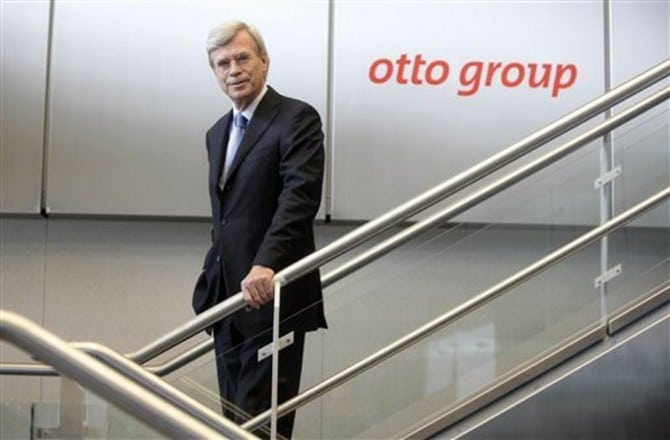
Michael Otto, chairman of the supervisory board of the Otto Group, controls a family fortune estimated at $15 billion. The Otto Group, founded in Hamburg in 1949, is one of the world's largest e-commerce and retail companies, with operations spanning fashion, home goods, and logistics. The company owns the fashion platform About You, the furniture retailer Crate & Barrel, and a majority stake in the logistics firm Hermes Fulfillment.
Our research indicates that the Otto Group's transformation from a mail-order catalog company to a digital retail powerhouse has been central to the family's wealth preservation. Under Michael Otto's leadership, the company invested heavily in e-commerce infrastructure before many traditional retailers recognized the shift. The Otto Group's fashion operations, which include the brands Bonprix and Witt Weiden, generate approximately 40 percent of the group's 15 billion euro annual revenue. The Otto family maintains a reputation for philanthropic giving, particularly in environmental conservation and social welfare programs in Germany.
10. Tadashi Yanai and family (Fast Retailing)
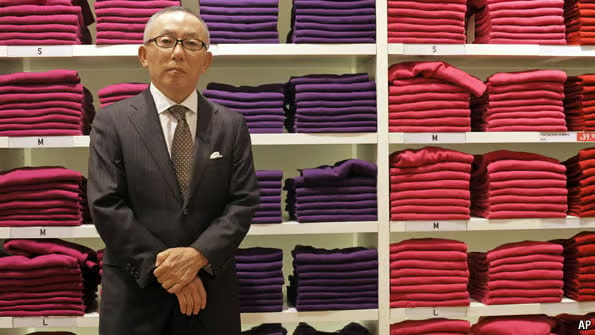
Tadashi Yanai, founder and CEO of Fast Retailing, holds a fortune estimated at $40 billion according to our analysis of the company's market capitalization and his ownership stake. Fast Retailing is the parent company of Uniqlo, the Japanese casual wear brand that has become the largest clothing retailer in Asia. The company operates over 3,500 stores globally and generated approximately $22 billion in revenue in fiscal 2025.
Yanai's concept of LifeWear, which positions clothing as a functional tool for daily life rather than a fashion statement, has resonated particularly well in markets where consumers prioritize quality and value. Uniqlo's HeatTech fabric technology, which provides thermal insulation without bulk, has become a signature product that drives repeat purchases. Yanai has stated publicly that he intends for Fast Retailing to surpass Inditex and H&M to become the world's largest apparel retailer. Our analysis suggests that Uniqlo's expansion in North America and Europe, where the brand has gained significant traction since 2020, makes this ambition plausible. Yanai's wealth is notable for its concentration in a single company, a risk that has paid off consistently over the past two decades.
The evidence from this ranking points to a clear conclusion: the wealthiest figures in fashion are those who control the means of production, distribution, and brand perception simultaneously. Whether through fast supply chains, luxury exclusivity, or functional innovation, the top ten richest fashion industry owners have built moats that protect their fortunes from the industry's notorious volatility. As of 2026, the gap between the top tier, represented by Ortega and Arnault, and the rest of the list remains wide, and our analysis suggests that consolidation will continue to concentrate wealth among these families and founders in the years ahead.
Related Posts



1 Comment
Join the discussion and share your thoughts